REVIEW · OSAKA
Osaka: 2-Hour Local Street Food Tour – Dotonbori & Namba
Book on GetYourGuide →Operated by DeepExperience, Inc. · Bookable on GetYourGuide
Two hours, Osaka snacks, and a temple pause. I like how this tour mixes Osaka street eats with a quick calm break at Hozenji Temple right in the middle of busy shopping streets. I also like that the guide handles the hard parts—where to go, what to order, and how to avoid wasting time in lines. One consideration: food isn’t included, and the tour notes it can’t accommodate vegan or gluten-free requests.
You’ll start at Starbucks TSUTAYA EBISUBASHI, then hit the famous Glico Man sign for an easy photo moment before heading into Dotonbori’s side streets. I’ve found Osaka food tours work best when the guide knows both the camera angles and the ordering flow, and the guides here regularly factor in photos, crowds, and what you want to eat. People mention guides like Aki, Hina, and Kaito helping with practical picks, plus quick Japanese phrases that make the whole meal feel more manageable.
If you’re short on time in Osaka but want more than a random walk-and-guess approach, this fits nicely. Just remember the clock is real: with a 2-hour format, you’ll taste a range of snacks, but you won’t linger long at any single place.
In This Review
- Key Highlights You’ll Care About
- Entering Dotonbori and Namba: Why This 2-Hour Format Works
- Starting at Starbucks TSUTAYA EBISUBASHI: Easy to Find, Easy to Begin
- The Glico Man Sign Photo Stop: Iconic Osaka Without the Headache
- Dotonbori Street-Food Tastings: Takoyaki, Takosen, and Osaka Favorites
- Ukiyo-Koji and the Walk Between Worlds
- Hozenji Temple: The Quiet Reset You Didn’t Know You Needed
- Namba Snack Run: More Choices, More Osaka Texture
- Second Dotonbori Pass: Local Snacks and That Last Photo Moment
- What You’ll Actually Eat (and How the Guide Helps You Choose)
- Price and Value: Why $51 Makes Sense Even If Food Costs Extra
- Who This Tour Fits Best (and Who Should Think Twice)
- Should You Book This Osaka Street Food Tour?
- FAQ
- Where do I meet the guide?
- How long is the tour?
- What does the tour cost?
- Is food and drink included?
- Is the guide available in English?
- Can vegan or gluten-free guests be accommodated?
- Is the tour wheelchair accessible?
Key Highlights You’ll Care About
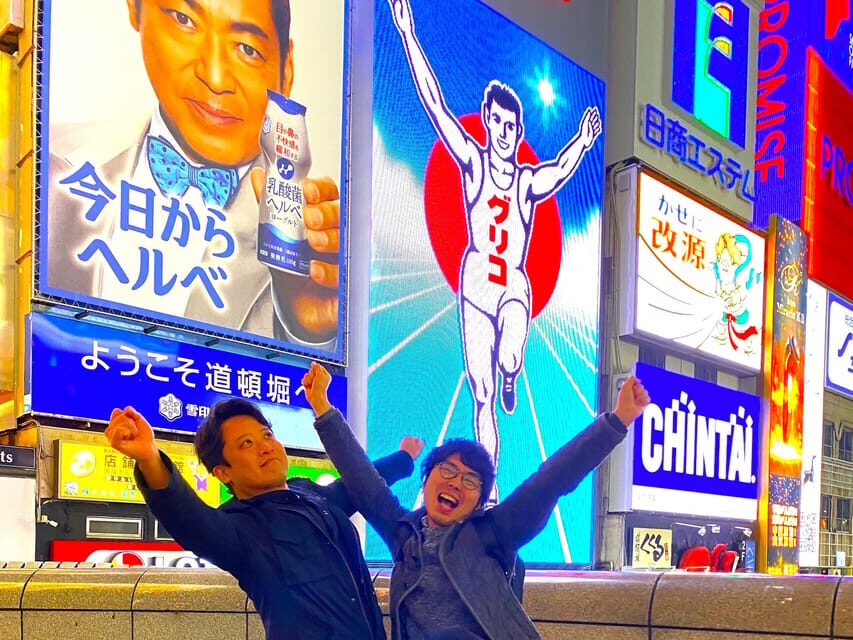
- Glico Man sign photo stop near the start so you get one iconic Osaka moment early
- Hozenji Temple visit for a calm reset while you’re still in the shopping district
- Local street food tastings across Dotonbori and Namba, with guided ordering help
- Ukiyo-Koji walkthrough for a more traditional-feeling arcade moment
- Small group or private options so the pacing can feel more personal
- English-speaking guides (and Japanese too) who can help with meal choices and wording
Entering Dotonbori and Namba: Why This 2-Hour Format Works
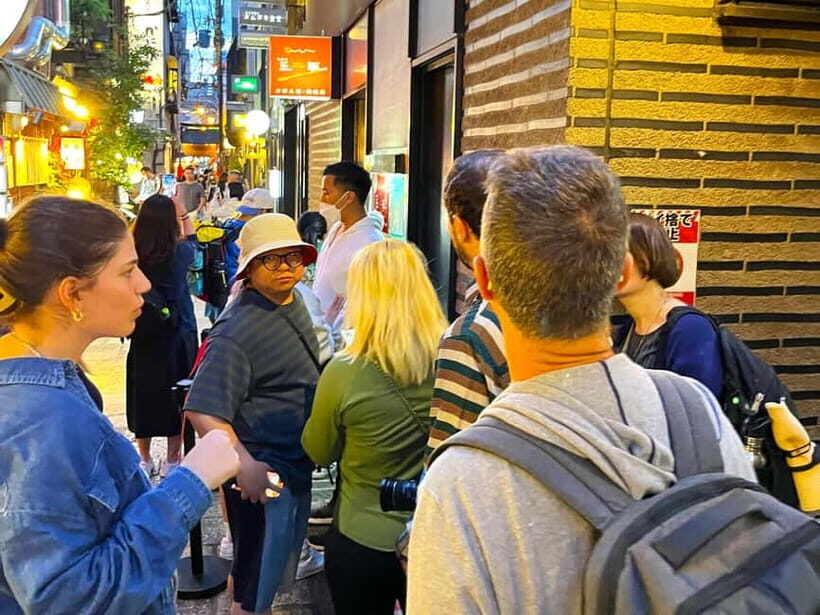
Osaka street food is sensory overload in the best way. You get sights, smell, and menu boards that look like they were designed to challenge your courage. The problem is that without a local plan, you can end up standing around, repeating the same “tourist classics,” or missing the quieter spots that locals actually use.
This tour compresses a lot into two hours without rushing you into chaos. The route is built around three key experiences: the showy Osaka landmark moment, a sequence of street-food tastings, and a temple pause that changes the mood from neon-saturated street life to something slower. That mix is the value. It keeps the tour from turning into a food-only blur.
You also get a guide who can steer you through “what is this exactly?” moments. When menus are dense and ingredients aren’t written in the friendly way you hoped, knowing how to ask (or at least how to choose quickly) makes the difference between a fun snack-and-stroll and a stressful stomach gamble.
You can also read our reviews of more food & drink experiences in Osaka

Starting at Starbucks TSUTAYA EBISUBASHI: Easy to Find, Easy to Begin
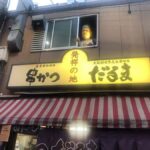
Meeting at Starbucks Coffee TSUTAYA EBISUBASHI store (outside the building) is a smart move. It gives you a clear, well-lit landmark, and it’s the kind of place you can find even if you’re still getting your bearings.
Your guide will be holding a yellow DeepExperience logo sign, which matters because Dotonbori can feel like a maze even for people who think they navigate well. This is one of those small practical details that saves time and keeps the first 10 minutes from turning into a hunt.
Also, since the tour runs in English (and Japanese), you’re not just relying on “point at the photo” ordering. Guides can explain what you’re eating and help you pick from options like savory batter snacks, grilled items on sticks, and sweet desserts people associate with Osaka street culture.
The Glico Man Sign Photo Stop: Iconic Osaka Without the Headache
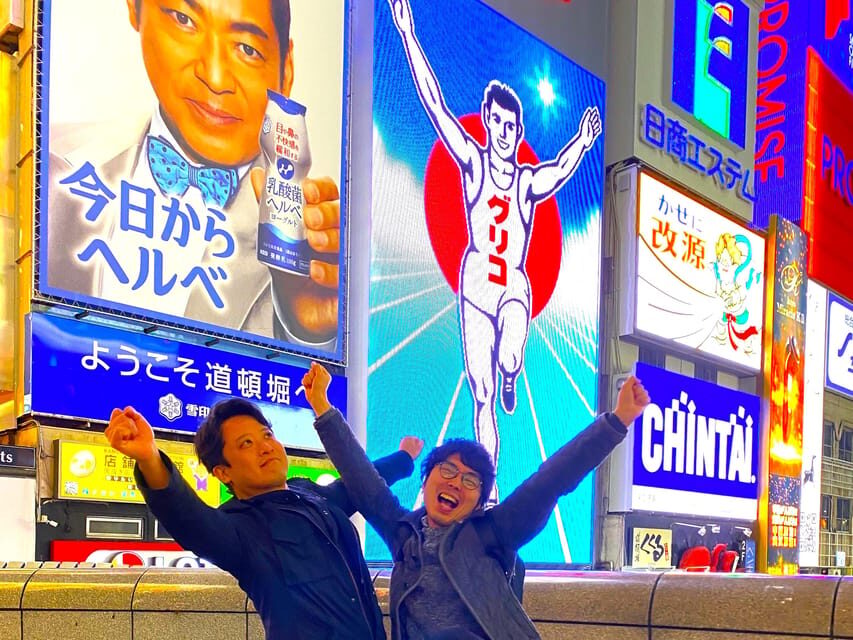
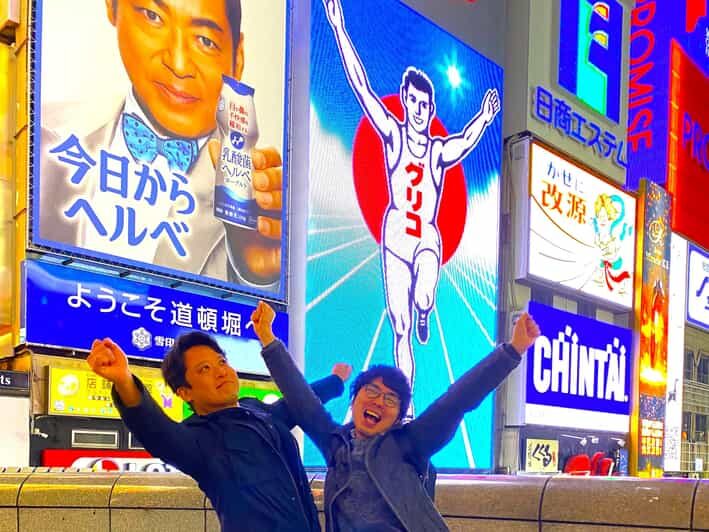
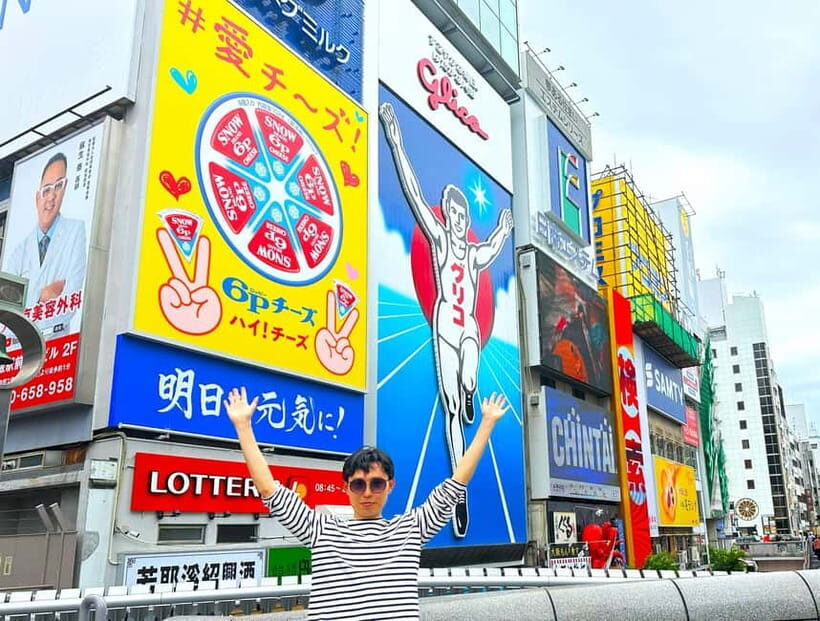
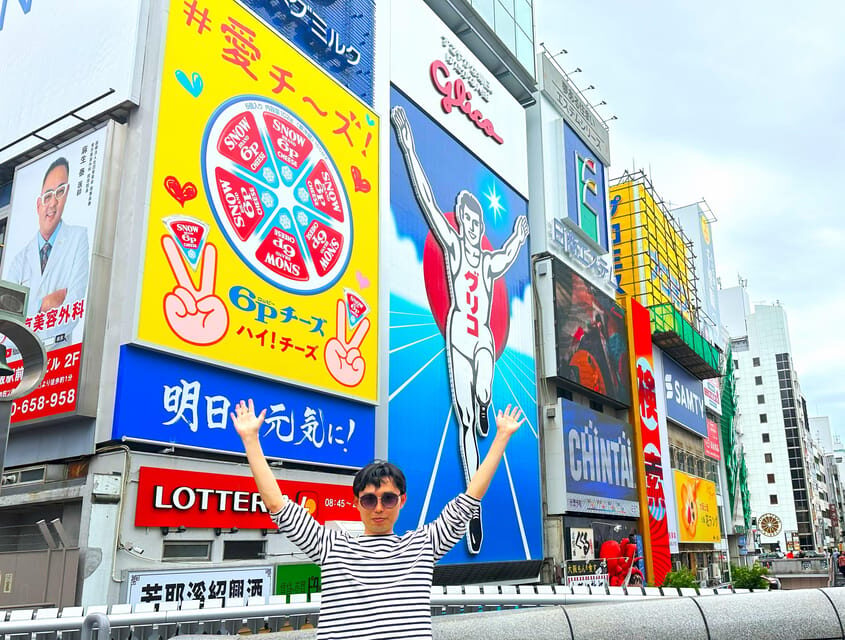
The first structured stop is at the Glico Man sign in Dotonbori, with a guided photo moment that lasts about 20 minutes. I like this timing because it’s early enough to orient you before the streets get busier.
The guide also doesn’t treat it like a quick “stand here” moment. Based on how guides operate on this tour, you’ll get pointers for where to stand and how to frame the shot. People mention that guides choose good photo spots rather than forcing you into the most crowded angle. That’s worth it.
Why this matters: the Glico sign is basically Osaka’s postcard image. If you’re doing only a day or two in the city, this gives you a sure thing. Then the rest of the tour can focus on the food and atmosphere instead of you trying to solve the photo problem while hungry.
Dotonbori Street-Food Tastings: Takoyaki, Takosen, and Osaka Favorites
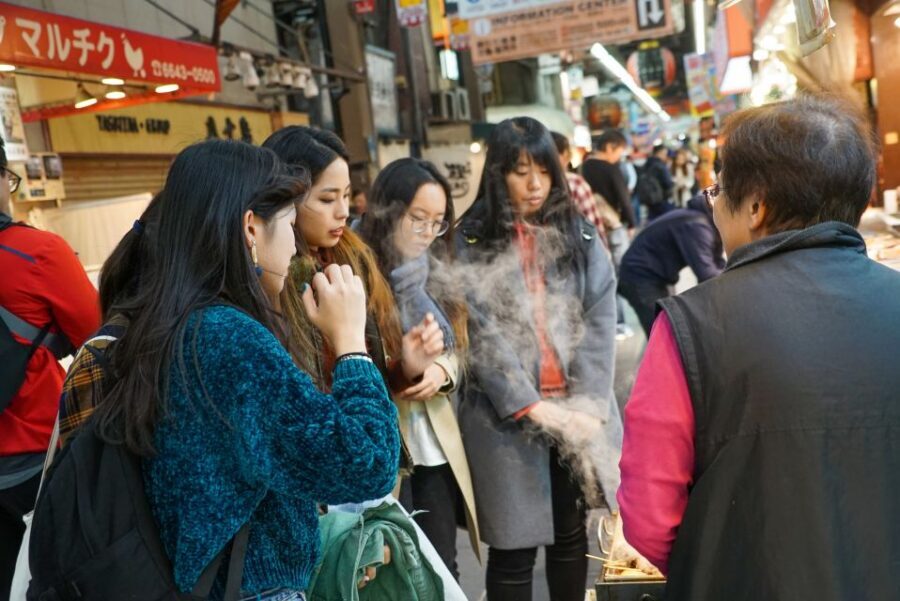
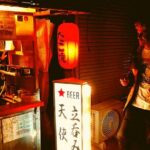
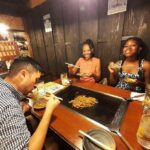
After the photo stop, you’ll head through Dotonbori for street-food tastings (about 30 minutes in one section). This is where the tour becomes more than sightseeing. You’ll be walking among stalls and snack counters, and you’ll get a guided sequence of bites that’s designed for variety.
You can expect Osaka staples like:
- Takoyaki (octopus-filled batter balls)
- Takosen (another popular Osaka street option related to takoyaki-style batter)
- Taiyaki (sweet fish-shaped cake)
Some tours in this area also shift menus based on what you’re into. In past groups, guides have helped people try items like udon, sushi, Kobe beef, tempura, dumplings, and various grilled or regional-style dishes. You shouldn’t assume those exact foods will be on your stops, but it shows the guide isn’t locked into a single script.
One big advantage: you’re not doing the “What’s good here?” work alone. Guides help you pick, and they often help you avoid long waits. People also note that guides can work around lines by choosing the right places at the right time, which is especially helpful in this area.
Possible drawback: you’re eating on a schedule. If you’re the type who wants to stay at one stand and talk to the vendor for 20 minutes, you’ll have to accept a faster pace. The upside is that you get more variety in less time.
Ukiyo-Koji and the Walk Between Worlds
There’s a stop that includes Ukiyo-Koji, which feels different from the main street energy. Think of it as an arcade or shopping stretch that gives you a more traditional-feeling pause while you keep moving.
Why I like this part: it breaks the rhythm. When you’ve already done a landmark photo and a few street bites, it’s easy for the tour to feel like repeat food stops. Ukiyo-Koji gives you a change of texture—less “grab and go,” more “walk and watch.”
Also, it’s a practical reset for your feet and stomach. Even if you don’t realize it at the time, switching from the main street to a different style of lane helps you process what you’re eating and actually enjoy the next round.
You can also read our reviews of more tours and experiences in Osaka

Hozenji Temple: The Quiet Reset You Didn’t Know You Needed
Then you hit Hozenji Temple (about 15 minutes). This is the calm break built into the route: a quiet temple visit inside a commercial district where everything else is loud.
I love this stop because it’s a mood shift. You go from street food rhythm—noise, smell, quick bites—to a space that encourages slower attention. Even people who aren’t temple experts tend to appreciate the contrast.
It’s also a good moment for your guide’s cultural background. In the way guides explain the area, this temple stop often becomes more than a checklist item. You get context for why the site matters and how it fits into everyday Osaka life, not just as a tourist photo.
Practical note: 15 minutes is short, so don’t expect a full deep-drift spiritual experience. But it’s enough time to breathe, take a few photos, and reset before you head back into the food circuit.
Namba Snack Run: More Choices, More Osaka Texture
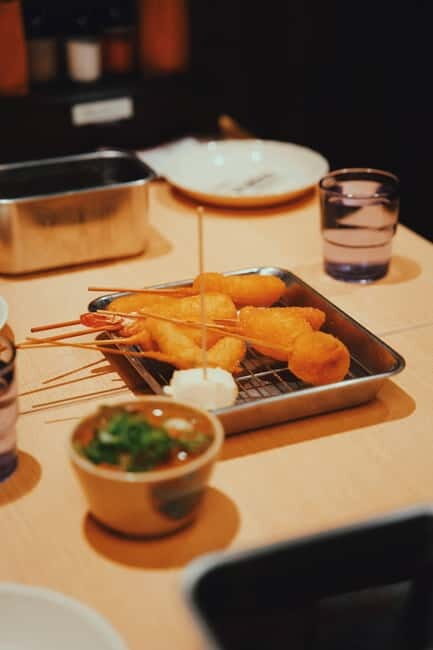
After the temple, you move into Namba for food tasting (about 30 minutes). This segment keeps the tour balanced. You’re still eating, but you’re also seeing another side of the city’s street scene.
Namba is where Osaka feels both commercial and local. The streets can be tighter, the storefronts more varied, and the whole area feels like it’s built for people who live here, not just visitors on a schedule.
Here, you might see or try items such as:
- Okonomiyaki (savory pancake-style dish)
- Kushikatsu (fried items on skewers)
- Doteyaki (a pork-and-stomach style dish associated with Osaka)
I’ll be honest: some of these are “choose your courage” foods if you’re new to Osaka. But that’s part of the point of doing a guided tour. You can steer toward what you’re curious about, and the guide can explain what you’re ordering so you don’t feel like you’re gambling with your meal.
From what people say about the experience, guides often ask what you want first, then adjust which stalls and dishes fit that mood. That personalization is a big reason the tour earns strong marks.
Second Dotonbori Pass: Local Snacks and That Last Photo Moment
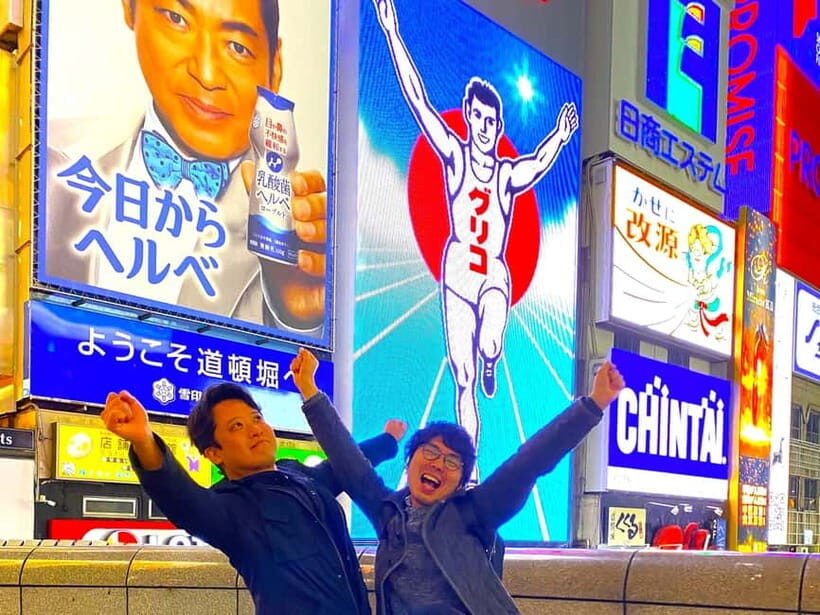
You finish with another Dotonbori segment that includes local snacks and food tasting (again about 30 minutes). There’s also a final photo stop with a guided moment (about 10 minutes).
This second Dotonbori stretch is useful. After you’ve already eaten once, you’re more confident. You know what takoyaki energy feels like, you understand how the stalls work, and you can better enjoy the later bites instead of spending the whole time trying to figure out how to eat.
The final photo stop is also more than a photo habit. It’s the guide ensuring you get one more Osaka visual anchor before you return to the starting Starbucks. If you’re the kind of person who likes to document your trip, this helps you avoid the “I got one good landmark photo and nothing else” situation.
What You’ll Actually Eat (and How the Guide Helps You Choose)
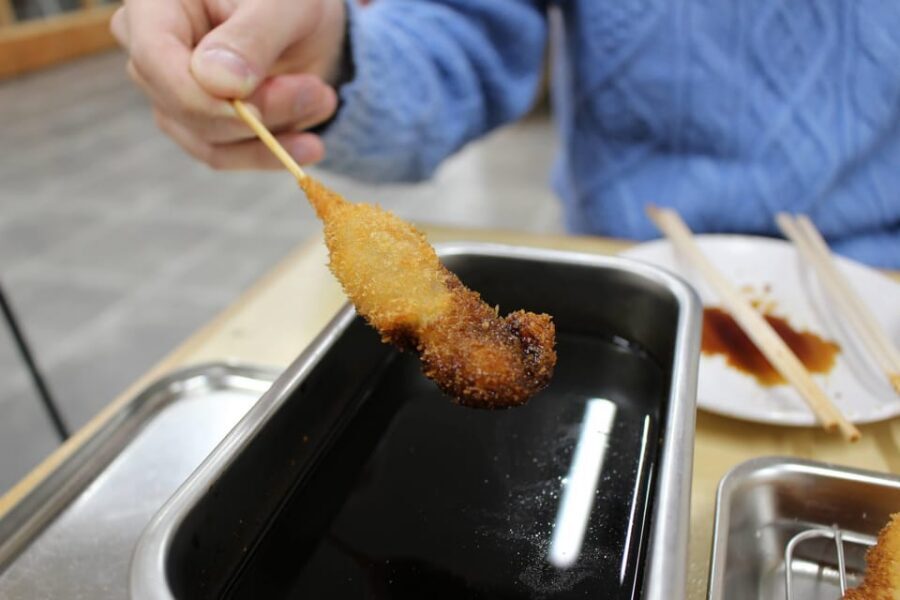
The tour is built around tastings, so your experience will be a sequence of small-to-medium bites rather than one sit-down meal. That’s great for variety. You’re more likely to sample both savory and sweet, and you get more of the Osaka street-food identity in a short window.
From the details you’re given, you’ll likely encounter:
- Savory batter snacks like takoyaki
- Sweet bites like taiyaki
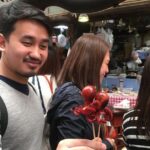
- Fun street desserts like apple candy
- Meatier local comfort foods such as pork buns
- Fried or grilled favorites like kushikatsu and okonomiyaki
Some groups also report trying crab-stuffed buns, onigiri, and Japanese BBQ-style food at spots that locals use. Again, not every stop will match every report, but the takeaway is clear: the guide is there to match your appetite and curiosity, not just feed you a fixed checklist.
Now for restrictions: the tour states it can’t accommodate vegan or gluten-free requests. If that applies to you, I’d treat this as a hard stop for planning. If you’re vegetarian, you may be able to find options depending on what the guide can source on the day, and some guides have helped with vegetarian choices in past groups. But for vegan or gluten-free diets, don’t assume you’ll be able to swap items smoothly.
Price and Value: Why $51 Makes Sense Even If Food Costs Extra
At $51 per person for a 2-hour guided street-food experience, the main value isn’t the food itself—it’s the guidance. The tour includes an English-speaking guide, and that matters in Dotonbori where you can easily waste time figuring things out.
Food and drink expenses aren’t included, so you should plan to spend extra on what you eat. The money you pay for the tour is what buys:
- a route that hits multiple neighborhoods
- guidance on what’s worth trying
- assistance navigating ordering and choices
- structured photo moments and a temple stop
If you’ve ever spent a day in Osaka wandering into “meh” places because you didn’t know what you were ordering, this kind of guided tasting can feel like a fast shortcut to better decisions. It’s also a nice deal if you’re traveling in a small group and want the guide to tailor the flow to you.
Who This Tour Fits Best (and Who Should Think Twice)
This tour is a strong fit if you want:
- a quick Osaka taste in a limited time window
- an easier path through street-food ordering
- a mix of landmark photos plus food plus a calm temple break
- help avoiding the worst lines and crowd friction
It also works well for people repeating Osaka. Even if you’ve seen Dotonbori before, the guided food sequence can change what you try and where you stop. Some past guides like Aki and Kaito have been praised for photo pointers, cultural context, and conversational encouragement. People also mention guides like Hina, Hiro, and Fuka helping with meal selection and even short Japanese phrase practice.
Two heads-ups:
- Diet limits: vegan and gluten-free requests are not accommodated.
- Pacing: you’re tasting across multiple stops, so this isn’t a slow stroll. It’s designed to get you fed and moving.
Some people also felt the tour may not be ideal for children, so if you’re traveling with young kids, it’s worth thinking carefully about how long you’ll want to stand in food lines and eat on schedule.
Should You Book This Osaka Street Food Tour?
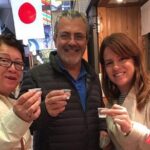
If you want a focused Osaka night that mixes iconic sights with real street-food tasting and a temple pause, I think it’s a smart booking. The strongest reason to choose it is the guide’s role: ordering help, photo spotting, and the ability to guide you through busy areas without you spending your energy on guesswork.
Skip it if you’re vegan or gluten-free, since the tour states it can’t accommodate those requests. Also, if you’re expecting food to be fully included in the price, adjust your expectations and budget for tastings.
If you’re open to trying classic Osaka street foods like takoyaki, okonomiyaki, and kushikatsu—and you’d like a guide such as Aki, Hina, or Kaito who can add context and practical language—this 2-hour format is likely to hit the sweet spot.
FAQ
Where do I meet the guide?
Please meet your guide in front of the Starbucks Coffee TSUTAYA EBISUBASHI store, outside the building.
How long is the tour?
The tour lasts 2 hours.
What does the tour cost?
The price is $51 per person.
Is food and drink included?
No. Food and drink expenses are not included.
Is the guide available in English?
Yes. The tour includes an English-speaking guide, and it also lists Japanese as a language.
Can vegan or gluten-free guests be accommodated?
The tour states it cannot accommodate vegan or gluten-free requests.
Is the tour wheelchair accessible?
Yes, the tour is listed as wheelchair accessible.