REVIEW · OSAKA
Osaka: Visit the must-see places.
Book on GetYourGuide →Operated by Benzaitentours · Bookable on GetYourGuide
Neon Osaka, taught by a local. This Spanish tour strings together the big-hitting sights plus food stops, from Osaka Castle to Kuromon Market, in one smooth subway day. You get history, religion, and street-life icons without feeling like you’re running solo.
I especially like the structure: you start with Osaka’s most famous landmark, then shift into the temples at Shitennoji and Isshin-ji. I also like how the guide, Manuel Pérez, explains what you’re seeing in plain language, and then points you toward what to try and where to look next.
One heads-up: the day is packed, and you’ll ride the subway. That means cash/IC card for fares, plus a lot of walking on your feet—this isn’t a fit if you need wheelchair access, and baby carriages aren’t allowed.
In This Review
- Key takeaways before you go
- A one-day Osaka plan that hits history, temples, and street food
- Osaka Castle: starting with power before the neon
- Shitennoji (593): the oldest temple stop with real cultural context
- Isshin-ji: spirituality and funeral traditions you won’t see on a quick photo tour
- Shinsekai and Tsutenkaku: neon nostalgia with kushikatsu on deck
- Kuromon Market: where Osaka food feels local, not staged
- Namba and Dotombori: Glico Man and Kani Doraku to close the loop
- Price and logistics: is $73 per person worth it?
- Who this tour suits best (and who should skip it)
- Should you book this Osaka must-see tour?
- FAQ
- Where does the tour start and end?
- What language is the tour in?
- What is included in the price?
- Is lunch or drinks included?
- Do I need cash for the subway?
- Is the tour wheelchair-friendly?
Key takeaways before you go
- Osaka Castle as the opening act gives you the historical lens before you hit the neon streets.
- Shitennoji (founded 593) and Isshin-ji show how Buddhism shaped Japanese culture and funeral traditions.
- Shinsekai + Tsutenkaku is classic retro Osaka, with kushikatsu on the menu.
- Kuromon Market is your practical stop for seafood, sushi, and wagyu options.
- Dotombori and Namba icons wrap the day with Glico Man and Kani Doraku.
- Spanish guide support: Manuel keeps the group moving and answers questions as you go.
A one-day Osaka plan that hits history, temples, and street food
If you want the most Osaka possible in a day, this route makes sense. You’re not just ticking off photos. You’re moving from power and politics (Osaka Castle), to religion and ritual (Shitennoji and Isshin-ji), to local food and nightlife neighborhoods (Shinsekai, Kuromon Market, Namba, and Dotombori).
The best part is the balance. One moment you’re staring at temple architecture and walking quiet gardens, and the next you’re thinking about fried skewers and where to find the hottest stalls. That mix helps you understand Osaka as a real city, not a museum.
Also, you’re with a Spanish-speaking local guide. In the reviews, Manuel Pérez stands out for being attentive and for telling stories in a way that actually sticks. You’re encouraged to ask questions, and you’ll get useful recommendations that go beyond the tour stops. I like tours that feel like conversation, not a lecture.
The one drawback is intensity. The itinerary covers a lot of ground, and you’ll be on your feet for several stretches. If you’re hoping for a slow, loungey day, you may feel rushed. If you’re okay with pace and want maximum value, this is a strong choice.
You can also read our reviews of more tours and experiences in Osaka.


Osaka Castle: starting with power before the neon
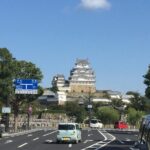
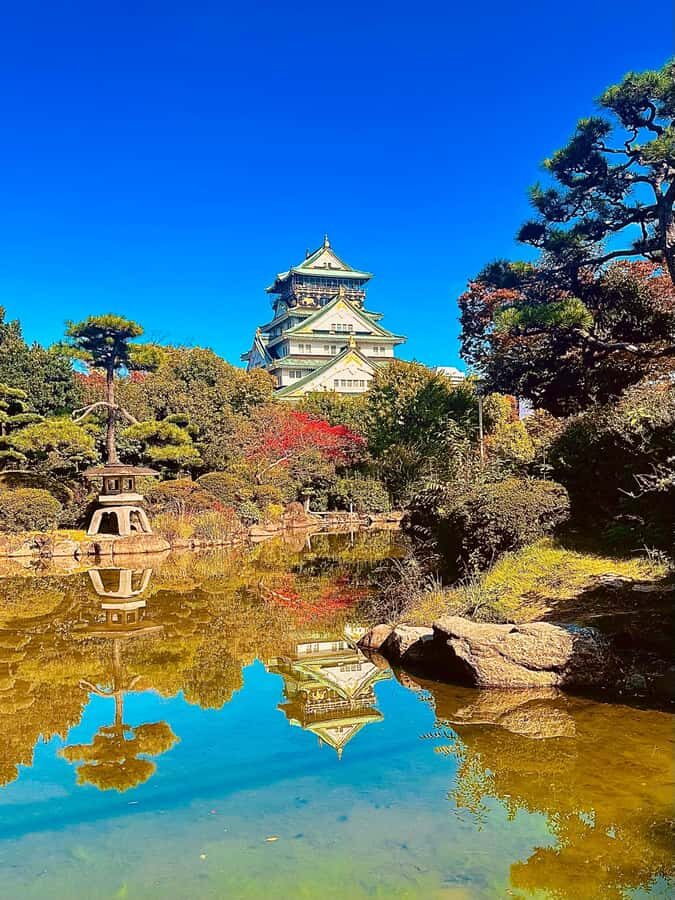
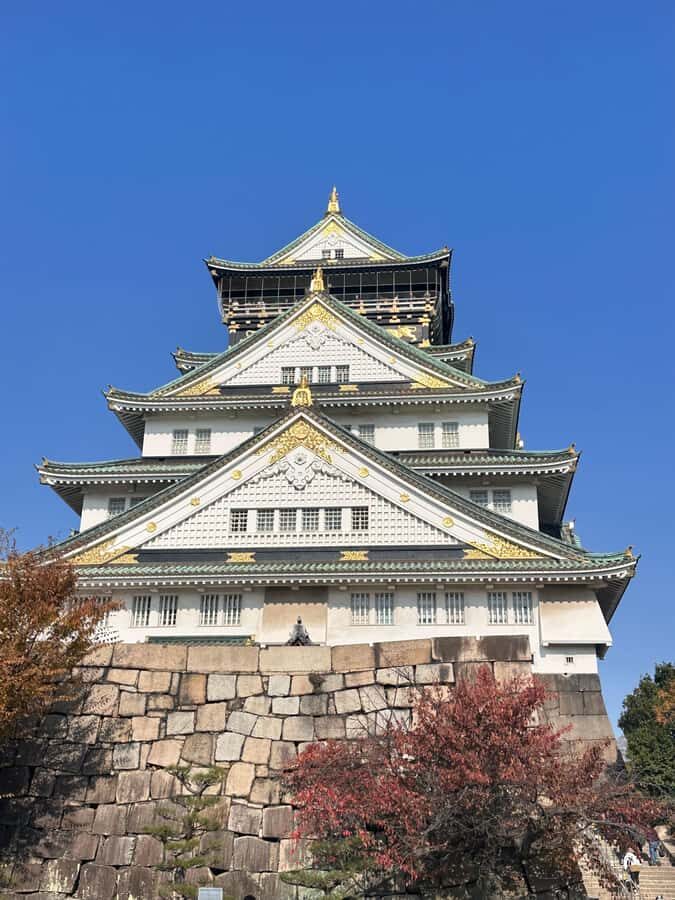
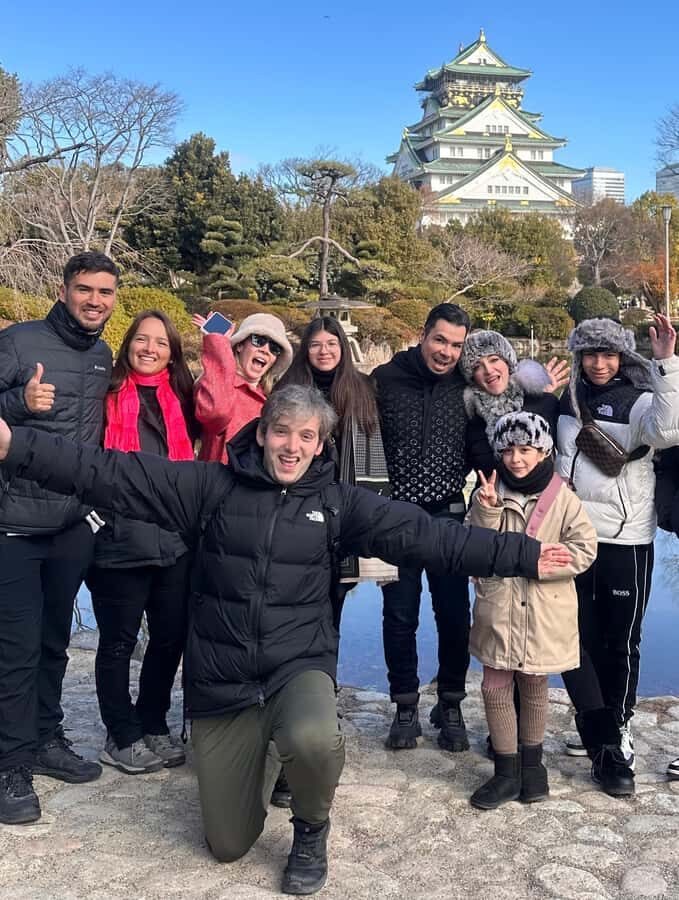
The day begins at Osaka Castle, a landmark tied to the Sengoku period and built in the 16th century by Toyotomi Hideyoshi. Starting here is smart. You get the political context early, so later neighborhoods make more sense. Osaka wasn’t just food and signs—it was power.
You’ll explore the castle surroundings and the extensive park area. Even if you’re not a hardcore history person, the space helps. It’s easier to appreciate the scale when you’re not immediately jumping from one crowded street to the next. And the guide’s history explanations give you something to look for beyond the obvious.
Practical tip: wear comfortable shoes. This is the kind of site where you’ll walk more than you expect, and the park areas can take time. If you’re sensitive to heat, plan to slow down during the most intense hours and lean on the guide’s pace.
One more thing I like about this first stop: it sets a tone of respect. After the castle, you move into temples that require a quieter mindset. If you start at Shinsekai or Dotombori first, you may feel like you’re switching gears too late.
Shitennoji (593): the oldest temple stop with real cultural context
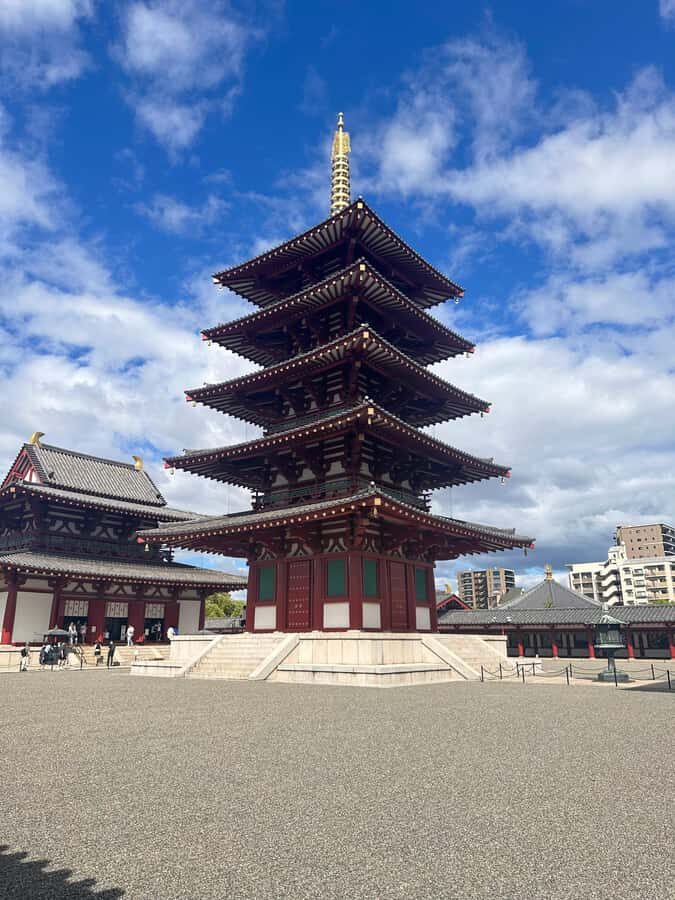
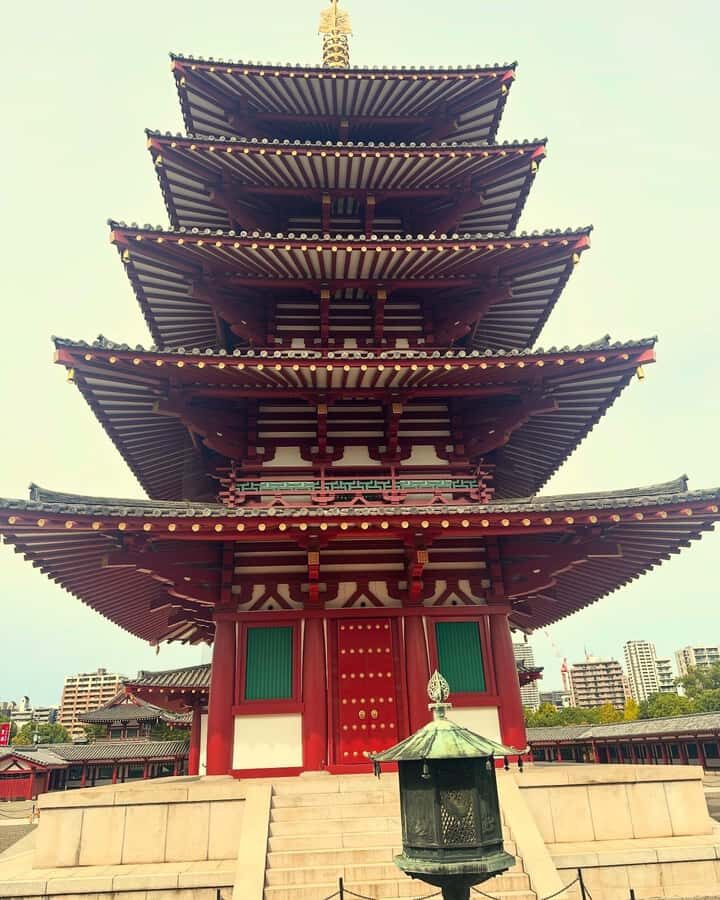
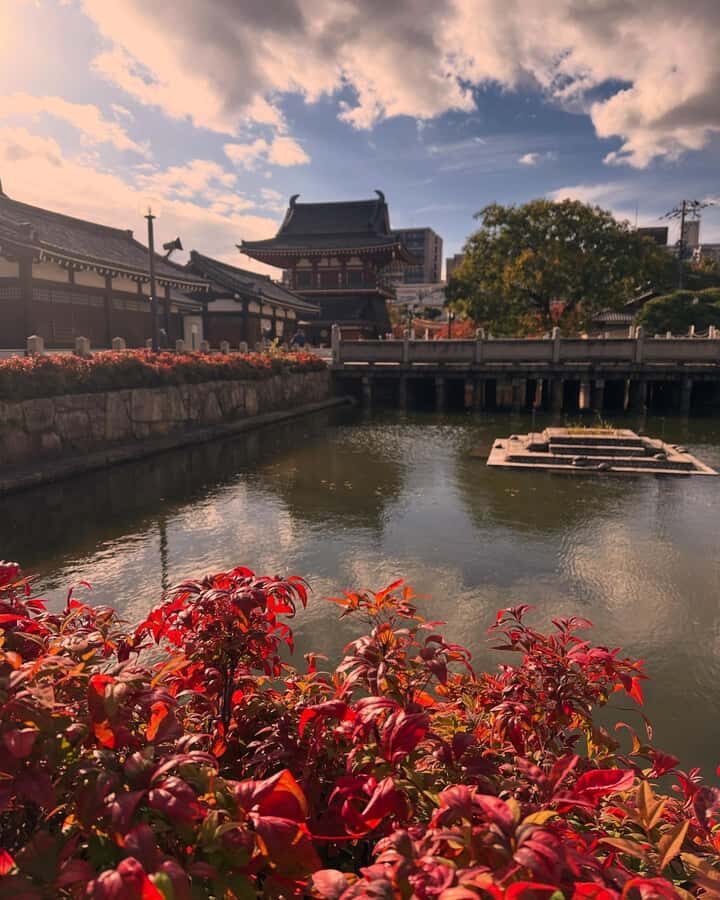
Next up is Shitennoji Temple, described as the oldest Buddhist temple in Japan, founded in 593. This isn’t just an old building. It’s a snapshot of how Buddhism took root and grew into Japanese culture.
As you walk through the garden and see the five-story pagoda, the guide helps you connect the dots: how religious ideas travel, how they settle, and how they affect everyday life. I like temple stops where you understand why a place matters, not just that it’s famous.
There’s also a useful realism here. Temple visits can include ceremonies and moments that feel very local. The tour description focuses on the architecture and atmosphere, and the reviews mention that some groups even saw a service during the day. That’s not guaranteed, but it’s a reminder: temples are not just scenery.
What to watch for: Shitennoji is a living cultural site. Dress and behavior matter. Comfortable clothes help you concentrate on what you’re seeing instead of worrying about your outfit.
If your goal is to understand Osaka’s identity, Shitennoji is one of the strongest stops on the route. It turns the day from sightseeing into meaning.
Isshin-ji: spirituality and funeral traditions you won’t see on a quick photo tour
Then you head to Isshin-ji Temple, known for statues made from human ashes, tied to a tradition honoring the deceased. This is the most emotionally heavy stop on the itinerary.
It’s also the most educational, because it explains a side of Japan most first-timers don’t encounter. You learn that religion here isn’t only about temples and festivals—it connects to family, remembrance, and how people cope with loss.
The experience is described as deeply spiritual. For you, the value is context. Without guidance, you might see something unusual and move on. With the guide’s explanations, you can approach it with respect and understanding.
Possible consideration: this stop may feel intense if you’re not comfortable with topics around death and memorials. It doesn’t have to ruin your day, but it might be the one moment where you need slower pacing and patience.
If you’re traveling with kids, this could go either way depending on the child. One review mentions a family with a 7-year-old and that Manuel stayed attentive to everyone. If you have questions, ask them as you go—good guides adjust their tone and pace.
Shinsekai and Tsutenkaku: neon nostalgia with kushikatsu on deck
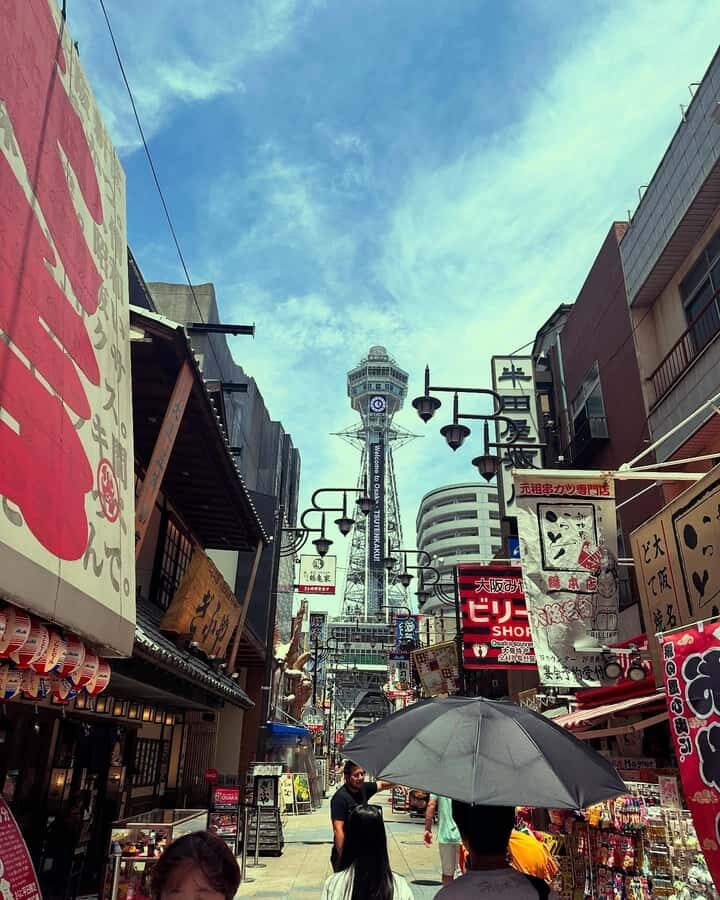
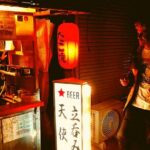
After the temples, you shift into Shinsekai, a neighborhood famous for neon lights, traditional restaurants, and a retro feel. This is Osaka as pop culture and street life.
The tour includes a chance to try kushikatsu, which are fried skewers. This kind of food stop matters because it connects the city’s mood to something you can eat. You’re not just walking past restaurants—you’re stepping into what locals associate with comfort and casual fun.
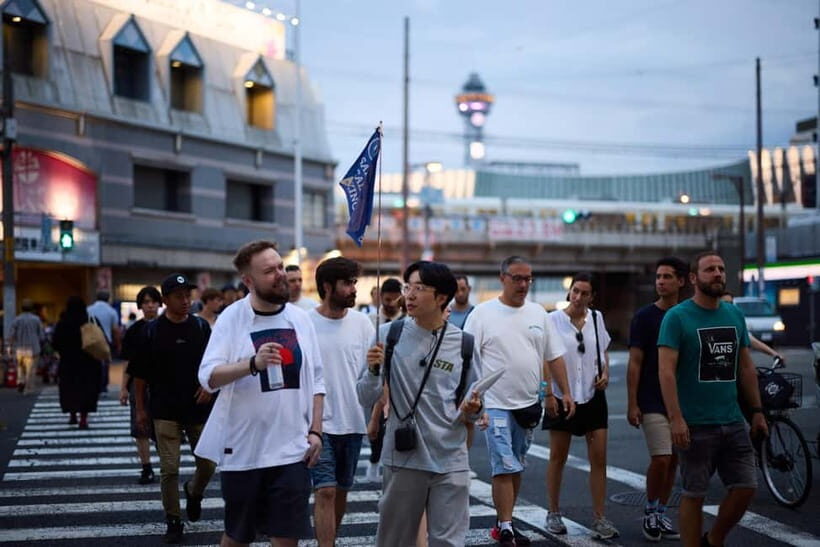
You also get to see Tsutenkaku Tower, a symbol of the area. The tower helps you anchor the neighborhood in one landmark, so the streets don’t blur together.
A small practical note: Shinsekai can be lively, and that’s part of the charm. Bring patience. If you’re hungry, decide early whether you want to snack quickly or slow down for a full bite. The guide’s recommendations help here, but you still control your comfort level.
This stop is also a good mental reset. After Isshin-ji’s serious tone, Shinsekai feels like the city exhaling. I like when a tour deliberately gives you that rhythm.

Kuromon Market: where Osaka food feels local, not staged
Next comes Kuromon Market, one of Osaka’s essential gastronomic stops. The focus here is variety: fresh produce and local specialties, including sushi, seafood, and wagyu beef.
This is where the day becomes practical for your taste buds. Markets are messy in the best way. Stalls change, choices appear and disappear, and the energy tells you what’s actually in demand. With a guide, you avoid that common problem of standing there unsure what’s worth trying.
The tour doesn’t force a single meal plan. It sets you up to sample and choose. Since meals and drinks aren’t included, you’ll want to have a budget in mind and decide how much you want to eat versus snack.
If you have dietary restrictions, plan ahead. The tour data doesn’t say special menus are available. Asking your guide for suggestions is your best move, and reviews indicate Manuel is happy to share recommendations.
Pro tip for Kuromon: go with a light plan. Don’t try to tackle every stall. Pick a few things, eat them well, and keep walking. You’ll enjoy the variety more.
Namba and Dotombori: Glico Man and Kani Doraku to close the loop
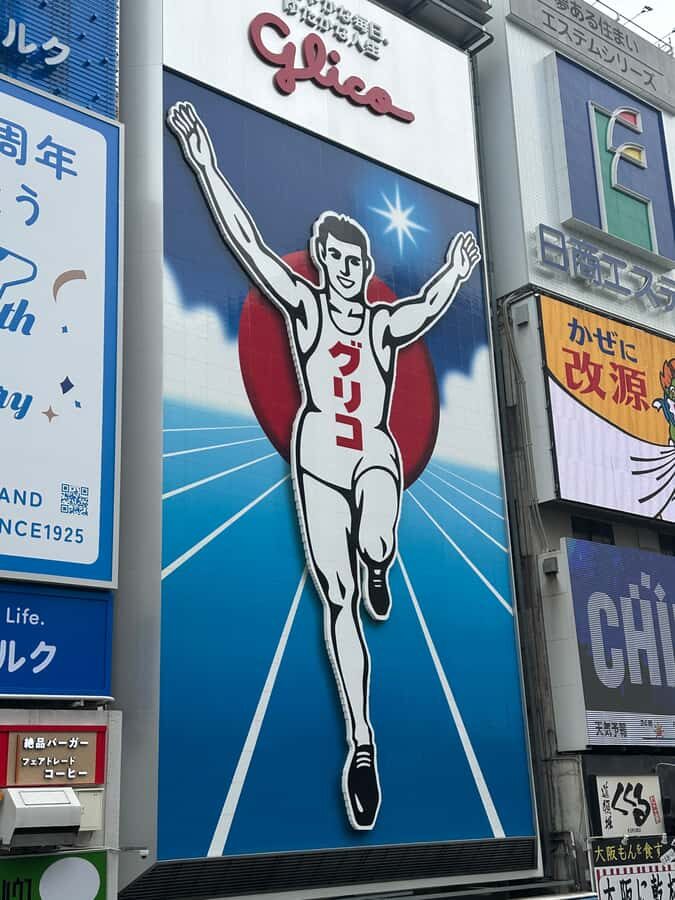
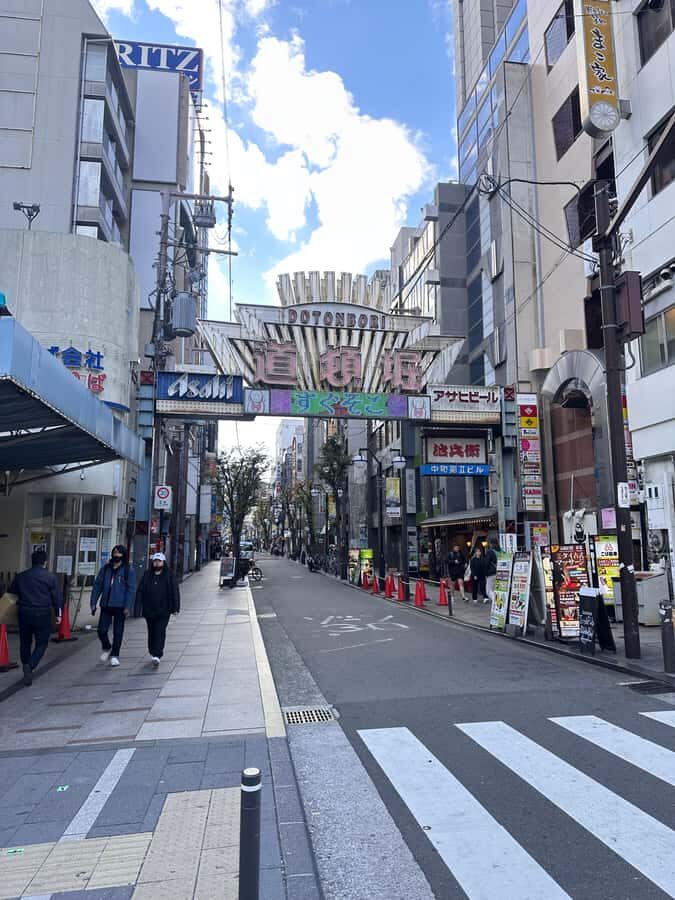
You end in Namba and Dotombori, Osaka’s loud, bright heart. This is where the city’s identity shows up in signage and street energy.
The tour includes stops in front of iconic spots like Glico Man and Kani Doraku’s animated crab. These aren’t just photo targets. They’re part of how Osaka sells fun and personality after dark.
It’s also a smart way to finish. The day ends with the “look at me” Osaka vibe, after you’ve seen the quiet Osaka of temples and the casual Osaka of Shinsekai and Kuromon. By the time you reach Dotombori, you’ll feel like you’ve moved through different sides of the same city.
Since this is the end of the day, I’d treat it like the bonus round. If you still have energy, you’ll be in a great location to keep exploring on your own afterward. If you don’t, at least you’ve finished with the city’s most recognizable landmarks close together.
Price and logistics: is $73 per person worth it?
At $73 per person, this tour can be good value—mainly because transportation is handled and you’re covering several high-demand areas in one go. You’re also getting a Spanish-speaking guide plus context for major landmarks. Without that, many people end up spending time figuring out transit and then still missing the story behind what they see.
What’s not included matters. Meals and drinks are on you. That’s normal for food-focused city tours, but it affects total cost. To stay in budget, decide your market snack plan at Kuromon and whether you’ll do a full meal later or just keep it light.
Logistics are simple but serious. You’ll travel by subway during the tour, and it’s mandatory to bring cash or a transport card like ICOCA, SUICA, or PASMO. If you show up without that, you’ll be stuck.
Also note: the tour isn’t suitable for wheelchair users, and baby carriages aren’t allowed. If your group includes someone with mobility needs, this matters.
In return, you get a day that moves from monument to meaning to food to lights, with minimal decision fatigue. That alone is worth something when you only have one day in Osaka.
Who this tour suits best (and who should skip it)
This is a great fit if you want:
- A full itinerary that covers Osaka Castle, two major temples, Shinsekai, Kuromon Market, and the Dotombori/Namba icon zone.
- A Spanish guide who explains history and culture in a way you can ask questions about.
- A mix of sightseeing and eating, with time to try kushikatsu and browse the market.
You might skip it if:
- You need a more relaxed pace or lots of free time between stops.
- You’re not comfortable with a temple visit tied to funeral/memorial traditions.
- Your group needs wheelchair accessibility or uses a baby carriage.
Should you book this Osaka must-see tour?
Yes, if you want one day that actually feels like Osaka—castle history, temple meaning, retro streets, market food, and the city’s famous neon signage—guided by Manuel Pérez in Spanish. The biggest strength is the way the itinerary connects different sides of the city, and the guide’s attentiveness shows up clearly in the reviews.
If you hate crowded walking days or you prefer to plan food and transit entirely on your own, you may feel boxed in. But if your goal is efficiency plus good explanations, this one earns its place.
FAQ
Where does the tour start and end?
It starts at Exit 3B of Morinomiya subway station. The tour ends back at the same meeting point.
What language is the tour in?
The tour is in Spanish.
What is included in the price?
Transportation by the tour guide is included.
Is lunch or drinks included?
No. Meals, drinks, and personal expenses are not included.
Do I need cash for the subway?
Yes. The tour requires cash or a transportation card such as ICOCA, SUICA, or PASMO.
Is the tour wheelchair-friendly?
No, it is not suitable for wheelchair users. Baby carriages are also not allowed.