REVIEW · OSAKA PREFECTURE
Kyoto Full Day Tour from Osaka with Licensed Guide and Vehicle
Book on Viator →Operated by Japan Guide Agency · Bookable on Viator
Kyoto in one day, without the commuter chaos. This private tour uses a hotel pickup and a licensed English guide to shape an 8-hour day around your interests. You’ll choose from a long menu of Kyoto highlights—think Fushimi Inari, Kiyomizu-dera, Gion, and the Arashiyama temples—so the day feels intentional, not like a hop-on hop-off shuffle.
What I really like is the personal pacing: guides such as Haru and Tomy are praised for organizing the order of visits to cut down crowd time. The other thing I love is the “sit back and arrive” part—travel in a private vehicle instead of wrestling trains with luggage and time limits.
One drawback to plan for: entrance fees and lunch aren’t included, and since you typically choose only 3–4 sites, you’ll need to pick what matters most to you.
In This Review
- Key things that make this Kyoto day tick
- Private Kyoto, built around you (not around a bus schedule)
- Osaka to Kyoto in a private vehicle: more time for temples
- The “choose 3–4 sites” rule: how to pick without regretting it
- Stop-by-stop: what you’ll get from the Kyoto menu
- Fushimi Inari-taisha Shrine: the classic climb (but not the whole way)
- Kiyomizu-dera: the big stage temple views
- Nijo Castle: power, politics, and palace details
- Gion and Pontocho: old Kyoto streets and restaurant mood
- Nishiki Market: Kyoto kitchen shopping and quick bites
- Kyoto Imperial Palace: the capital’s former center
- Higashiyama, Ginkakuji, Nanzenji, and Tofuku-ji: the east-side temple stack
- Toji: a classic temple with a more local feel
- Kinkakuji (Golden Pavilion): the gold-leaf icon
- Ryoan-ji: the rock garden question mark
- Arashiyama: bamboo, bridges, and temple grandeur
- Hillside temples: Jojakkoji, Nisonin, Gio-ji, Nenbutsu-ji, and Otagi Nenbutsu-ji
- Extra options for the “we want a scenic twist” crowd
- Timing and movement: how a private guide keeps the day from turning into a marathon
- What’s included (and what you’ll pay separately)
- Who this tour is best for
- Price and value: is it worth $1,060.40 per group?
- Should you book this Kyoto full-day private tour from Osaka?
- FAQ
- How long is the Kyoto tour from Osaka?
- How many people are in a group?
- Is hotel pickup and drop-off included?
- Are entrance fees and lunch included?
- Can I choose which sites to visit?
- What happens if weather is bad?
Key things that make this Kyoto day tick
- Private vehicle + hotel pickup: you start Kyoto refreshed, not frazzled.
- Licensed local English guide: real context, not just directions.
- Choose 3–4 sites: you control the mix of temples, neighborhoods, and gardens.
- Crowd-smart timing: guides like Haru and Kaeko Tanigawa are noted for route planning that saves time.
- Great for families and older visitors: reviews mention extra patience with kids and people who need a slower pace.
Private Kyoto, built around you (not around a bus schedule)
This is the kind of tour I like when you want Kyoto to feel personal, even if you only have one day. The big idea is simple: you’re in a private group (up to 4), with a licensed local English guide and a dedicated vehicle, and you select the sites you want from a list of Kyoto highlights.
That customization matters because Kyoto isn’t “one city, one vibe.” Some places are all stairs and photo lines (hello, Fushimi Inari), while others are calmer temple grounds and garden views (many of the Zen sites). With a private guide, you can mix “iconic” with “worth it” in a way that fits your energy level.
You’ll also notice the tone from the reviews: guides such as Noriko, Kazuko, Yuka, Ichiro, and Emico get credit for planning and keeping people on track. That’s not a small detail. In Kyoto, time is what gets eaten first—by crowds, detours, and walking between neighborhoods.
You can also read our reviews of more guided tours in Osaka Prefecture

Osaka to Kyoto in a private vehicle: more time for temples
The vehicle portion is the practical advantage here. Instead of timing transfers, buying rail tickets, and doing the slow dance of platform crowds, you get hotel pickup and a direct ride to Kyoto.
An 8-hour day sounds long until you factor in real-world traffic and walking time. A private car helps you start with momentum, especially if you’re traveling with kids, older relatives, or anyone who just doesn’t want to navigate multiple legs of public transport.
Also, when your plan includes several parts of Kyoto that feel far apart on a map, the car is more than comfort. It’s time math. If your day includes Fushimi Inari in the south and Arashiyama in the west, the private vehicle is what makes that type of mix workable.
The “choose 3–4 sites” rule: how to pick without regretting it
This tour is built for selecting 3–4 stops from a set of Kyoto options. The attraction list is wide—shrines, castles, palaces, Zen temples, scenic areas, and even mountain-adjacent places like Kibune and Kurama—so your job is to choose the right blend.
Here’s a simple way to decide:
- Pick one iconic religion/culture stop (examples: Fushimi Inari-taisha Shrine, Kiyomizu-dera, Kinkakuji, Ryoan-ji).
- Pick one neighborhood or atmosphere stop (examples: Gion, Nishiki Market, Pontocho, Higashiyama).
- Pick one “temple grounds + garden” stop if you enjoy slow walking (many Zen temples fit this).
- Save the final choice for what you’re most curious about: views, rocks, bamboo, or a palace-style experience.
If you’re trying to cover too many big icons, your day turns into sprinting. The guides are known for working out the order to manage crowds, but the tour still can’t magically create extra hours.
Stop-by-stop: what you’ll get from the Kyoto menu
Even though your guide will tailor the day, the Kyoto options give you a clear idea of what kind of experiences you can build.
Fushimi Inari-taisha Shrine: the classic climb (but not the whole way)
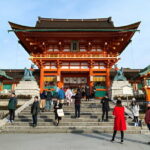
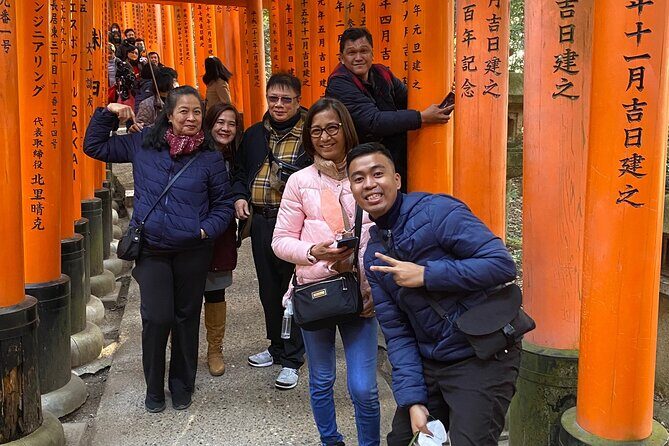
This shrine is instantly recognizable, mostly because of the torii gates that march through the hillside. You can see why it’s famous, and your guide can help you focus your walking so it feels like exploring rather than grinding up stairs forever.
Practical consideration: it’s a popular place. The upside of a guide is that the day can be planned to reduce time spent stuck in peak congestion.
You can also read our reviews of more tours and experiences in Osaka Prefecture
Kiyomizu-dera: the big stage temple views
Kiyomizu-dera is one of Kyoto’s headline temples. Expect a guided walk through the grounds where you learn what makes it significant, not just what to photograph.
In the reviews, a recurring theme is that guides help you time visits well. That’s especially useful here—Kyoto’s famous spots can get packed, and your guide’s planning can help you catch a calmer slice of the experience.
Nijo Castle: power, politics, and palace details
Nijo Castle is tied to the Tokugawa era and UNESCO World Heritage context. If you like history that comes with architecture, corridors, and court-style layouts, this is a strong “Kyoto beyond temples” choice.
Practical consideration: castles and palace sites often involve indoor viewing and walking corridors. If your group’s energy runs low, pair it with something lighter later in the day.
Gion and Pontocho: old Kyoto streets and restaurant mood
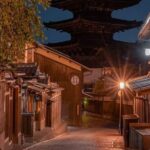
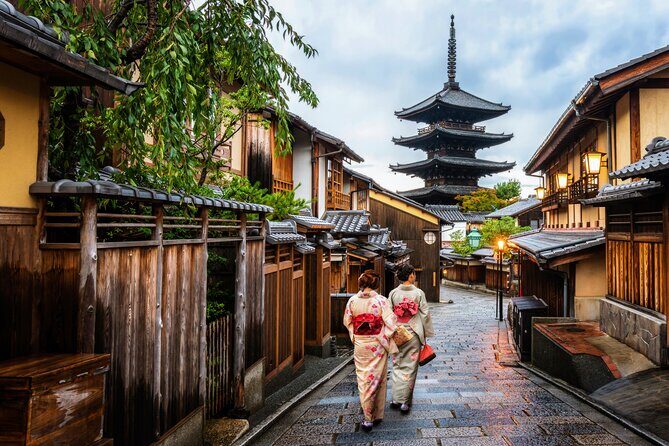
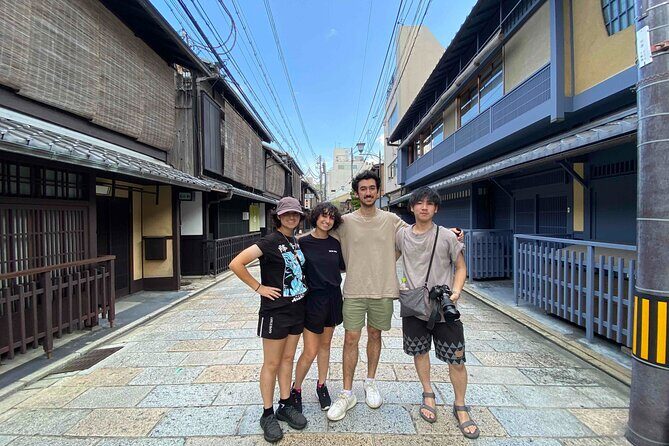
Gion is the geisha district vibe you’ve probably seen in photos, with narrow lanes that make first-time visitors feel a bit “lost” on their own. A guide helps you move through the area with less stress and more context.
Pontocho is nearby and has a different feel: an atmospheric dining alley by the river area, best used as an optional wander if you want that evening-style mood without committing to a full dinner plan.
Nishiki Market: Kyoto kitchen shopping and quick bites
Nishiki Market is a narrow, five-block shopping street known for food-related shops and restaurants. It’s a great stop when you want a “Kyoto in your senses” moment—snacks, small purchases, and food counters.
One review highlight included an okonomiyaki-style pancake lunch idea near Nishiki, which is the type of practical meal stop a good guide can help with.
Kyoto Imperial Palace: the capital’s former center
If temples aren’t your only priority, Kyoto Imperial Palace gives you the “former power center” angle. It used to be the residence of the Imperial Family, and the setting inside the spacious grounds helps you get a calmer, more official feel than street markets.
Practical consideration: palaces can be big on walking. Pair it with a neighborhood stop later so you can switch gears from “grounds” to “streets.”
Higashiyama, Ginkakuji, Nanzenji, and Tofuku-ji: the east-side temple stack
Higashiyama is a historic district feel—sloping streets and preserved atmosphere. Then you have major temple choices like:
- Ginkakuji (Silver Pavilion): famous Zen temple with elegant grounds.
- Nanzenji Suirokaku: a major Zen site with spacious grounds.
- Tofuku-ji Temple: often loved for autumn color, but it still works as a substantial temple visit in other seasons too.
These stops are a good match if you want Kyoto to feel like “temple city” rather than “souvenir stop.” They also let your guide explain how Zen sites function beyond the postcard view.
Toji: a classic temple with a more local feel
Toji Temple is a big Heian-era temple and a nice counterpoint when you want something important but not only focused on the most crowded icons. It’s a good choice if you like seeing how Kyoto keeps its traditions active.
Kinkakuji (Golden Pavilion): the gold-leaf icon
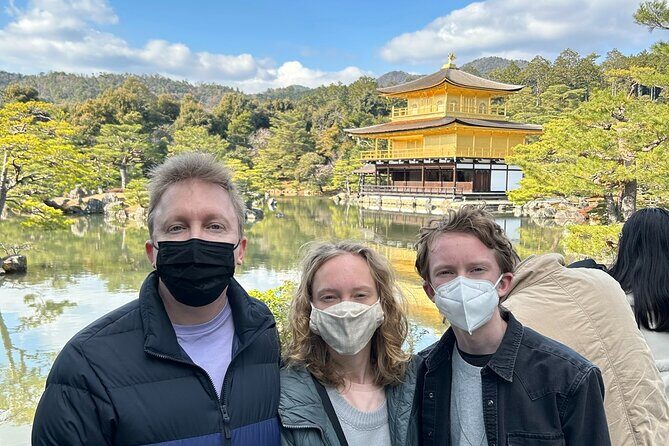
Kinkakuji is one of the easiest “yes, do it” Kyoto stops because it’s instantly visual. If you’re drawn to iconic imagery and want the story behind the retirement-villa tradition, this is an excellent choice.
Practical consideration: it’s popular. The advantage again is that your guide can plan the day around crowd patterns.
Ryoan-ji: the rock garden question mark
Ryoan-ji is famous for its rock garden. It tends to make people pause, look again, and ask why it’s so influential.
Practical consideration: the experience is quiet and contemplative. If your group prefers lively street energy, balance it with a market or neighborhood stop.
Arashiyama: bamboo, bridges, and temple grandeur
Arashiyama is Kyoto’s western scenery district and it’s a strong option if you want nature plus culture in one area. Here are the typical standouts from the Kyoto menu:
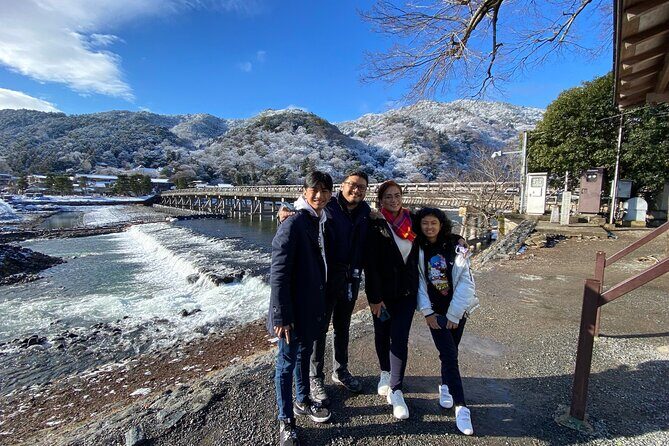
- Togetsukyo Bridge: the iconic bridge framing.
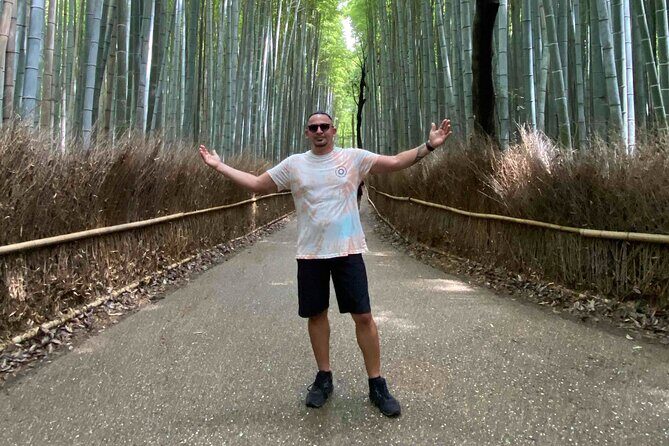
- Bamboo Forest Street: the classic bamboo walk.
- Tenryu-ji: a major Zen temple in the area.
- Okochi Sanso Garden: a villa garden layered behind the bamboo feeling.
- Daikaku-ji: a calmer temple/palace-style site option.
Practical consideration: Arashiyama can feel crowded in the bamboo zone, so your guide’s ordering matters. If you’re flexible, you can also get a more peaceful feel by placing the busiest walking moments where timing works best.
Hillside temples: Jojakkoji, Nisonin, Gio-ji, Nenbutsu-ji, and Otagi Nenbutsu-ji
If you want something that feels more tucked away, the hillside temple cluster options are great. Otagi Nenbutsu-ji is known for a huge collection of small stone statues, and the other hillside temples add variety in scale and atmosphere.
These can be a good “second half of the day” option when you want the crowd energy to drop. If your group enjoys short walks and small gates, they’ll feel rewarding.
Extra options for the “we want a scenic twist” crowd
The menu also includes more off-center ideas like Kibune River and Kurama-dera, plus Shugakuin Imperial Villa and Katsura Imperial Villa style garden/palace options.
These can be ideal if your Kyoto idea isn’t just temples—it’s also countryside atmosphere and garden design. Your guide can help you decide which ones fit your day length and walking tolerance.
Timing and movement: how a private guide keeps the day from turning into a marathon
Your schedule is tight by default. Eight hours in Kyoto can vanish fast if you bounce between far-apart zones without a plan.
The most praised skill in the reviews is crowd management via smart ordering. Guides like Haru, Adam, and Ichiro are specifically credited with figuring out how to keep things moving despite crowds and traffic. In other words: they don’t just name the stops; they manage the time between stops.
The tour is also built for walking that you can scale. Some sites demand stairs and hills (Fushimi Inari, many hillside temples). Others are easier to approach as a guided grounds walk (many Zen temples, palace-style sites).
If you’re older, traveling with kids, or simply prefer fewer detours, that private structure is a big deal. Reviews also mention extra patience and adjusting the day when people needed help slowing down.
What’s included (and what you’ll pay separately)
You’re paying for three core services: a licensed local English guide, a private vehicle, and a customizable day built around 3–4 selected sites.
What you should budget for:
- Entrance fees (not included)
- Lunch (not included)
- Personal expenses
Also note: guide entry fees are covered only for sights that are part of your selected “What to expect” list. That matters if you’re comparing options and hoping everything is fully wrapped up.
For most people, the best strategy is to pick your 3–4 sites first, then plan lunch near a neighborhood stop like Nishiki Market. You’ll get food that fits Kyoto and you don’t waste time commuting between “meal zones.”
Who this tour is best for
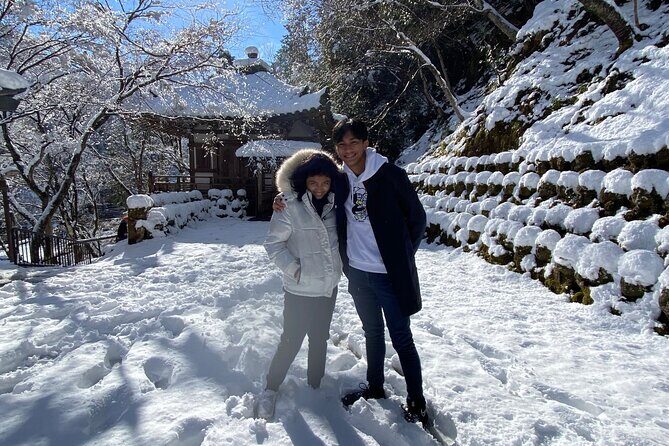
This tour shines for small groups who want a custom Kyoto day without stress.
It’s especially a good match if:
- You’re a family and you want patience and pacing built into the day.
- You care about context and want a guide to explain what you’re seeing.
- You want to avoid the train-and-transfer headache from Osaka.
- You want iconic Kyoto plus at least one quieter temple/garden stop.
If you’re the type who loves building your own route from subway lines and you want to spend the entire day hopping casually, you might feel this tour is more structured than you need. But if you prefer time-efficiency and fewer decisions, private works well.
Price and value: is it worth $1,060.40 per group?
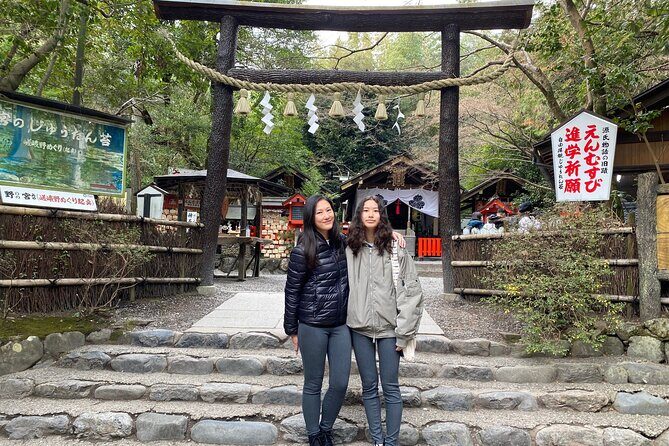
The price is $1,060.40 per group (up to 4) for about 8 hours. That sounds steep until you remember what you get: a private vehicle with hotel pickup plus a licensed local English guide.
Think of it like this:
- If you fill all four spots, the per-person cost drops a lot and the value becomes more obvious.
- If you’re solo or two people, it’s still often worth it when you’d otherwise pay for taxis plus guided time at multiple major sites.
The tour’s value is strongest when your day actually uses that private structure: you don’t waste time because someone is guiding the order and movement, and you don’t lose hours because you’re figuring out transit on the fly.
Also, because entrance fees and lunch aren’t included, make sure your budget has a cushion. The “all-in” feel won’t happen automatically—you plan those parts yourself.
Should you book this Kyoto full-day private tour from Osaka?
Book it if you want a one-day Kyoto plan that feels organized and customized, not random. If your top priority is seeing major places like Fushimi Inari, Kiyomizu-dera, and a neighborhood like Gion or Nishiki, a private guide helps you turn “must-see” into “actually manageable.”
Skip it if you want maximum freedom and minimal cost. This isn’t a DIY pass; it’s a guided day with a vehicle and a limited number of selected stops. You’re buying structure.
If you’re on the fence, here’s the tiebreaker I’d use: if your group wants to dodge crowds and arrive efficiently, you’ll feel the benefit quickly. If you don’t mind crowds and you’re confident with transit, you may not need the private setup.
FAQ
How long is the Kyoto tour from Osaka?
It runs about 8 hours.
How many people are in a group?
The price is per group for up to 4 people.
Is hotel pickup and drop-off included?
Pickup is offered, and the tour is described as having hassle-free Osaka hotel pickup and drop-off.
Are entrance fees and lunch included?
No. Entrance fees, lunch, and other personal expenses are not included.
Can I choose which sites to visit?
Yes. You can customize the day by choosing 3–4 sites from the What to expect list.
What happens if weather is bad?
This experience requires good weather. If it’s canceled due to poor weather, you’ll be offered a different date or a full refund.