REVIEW · OSAKA
Osaka Sushi Making Experience
Book on Viator →Operated by Sushi Making Experience Namba · Bookable on Viator
Osaka sushi lessons hook you fast, and this one puts you in the middle of Dōtonbori while you learn real technique. You get to make 12 pieces of sushi, including nigiri and gunkan, and the teaching is hands-on with guidance in English, Chinese, and Korean.
I also like the personal feel: in classes led by instructors such as Mika and Kosei, you get clear steps and a calm pace, not just a demo you watch from a distance. One possible drawback is that the spot can be a little tricky to find inside the Namba/Dōtonbori area, and a few people note the experience can feel a bit commercial compared with a quiet, family-style kitchen.
In This Review
- Key things to know before you go
- Why Dōtonbori makes this sushi class feel instantly worth it
- What you’ll make: 12 pieces, with nigiri and gunkan basics
- The 90-minute rhythm: how the class usually moves
- Diet-friendly sushi: vegetarian, vegan, and halal options on request
- Meet the instructors and what their style feels like
- Location in Namba: convenient, but don’t wing it
- Price and value: is $29.85 a good deal in Osaka?
- Who should book this sushi making class
- Possible hiccups and how to avoid them
- Should you book Sushi Making Experience Namba1A?
- FAQ
- How long is the Osaka sushi making experience?
- What will I make during the class?
- Are vegetarian, vegan, or halal options available?
- What languages will the instructors use?
- Is alcohol included in the price?
- What’s the meeting point address?
Key things to know before you go

- Dōtonbori/Namba location makes this easy to tie into a food-focused day in Osaka
- 12 pieces of sushi (including nigiri and gunkan) gives you a satisfying amount to eat
- Diet options on request include vegetarian, vegan, and halal sushi
- Multiple guide languages: English, Chinese, and Korean for easier comprehension
- You leave with a certificate and photos, including your name in Kanji
Why Dōtonbori makes this sushi class feel instantly worth it
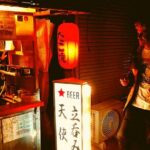
Learning sushi in Osaka sounds great on paper. Learning it in Dōtonbori is better, because you’re surrounded by the real stuff: street food energy, neon nights, and the kind of casual food culture that makes a cooking class feel like part of the trip, not an added chore.
This class is set up with a practical mindset. It’s timed for people who want to eat soon after learning, with afternoon and evening options. That matters because sushi technique is much easier when you’re not starving, and you want your stomach to match your hands.
Also, the class is small, with a maximum of 16 participants. In a group that size, you’re more likely to get real feedback when your rice amount or shaping is off. I like that because sushi is one of those skills where small adjustments change everything.
You can also read our reviews of more tours and experiences in Osaka.


What you’ll make: 12 pieces, with nigiri and gunkan basics
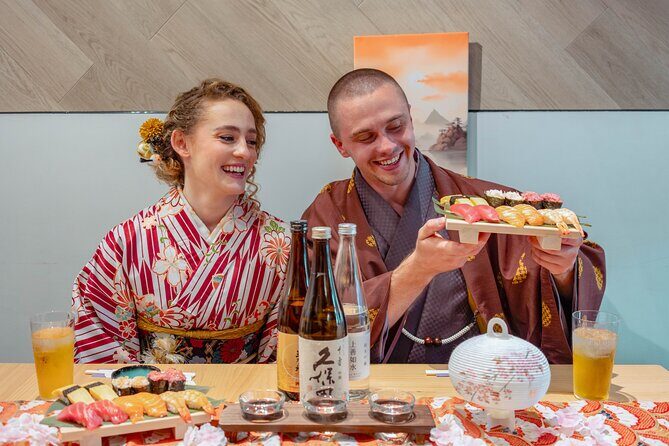
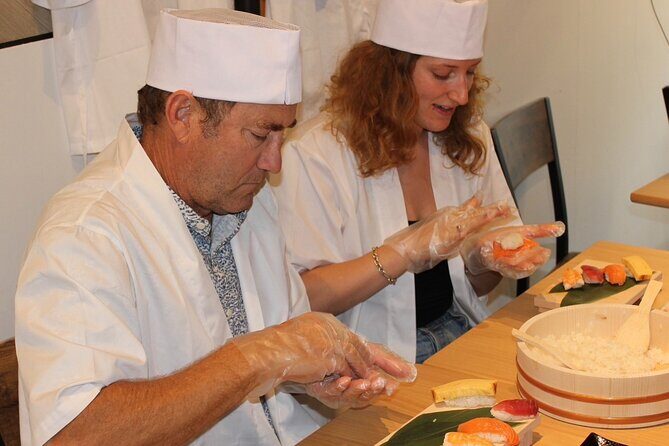
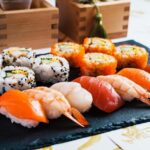
The core of the experience is straightforward: you make 12 pieces of sushi at home-style portions. You’ll cover two sushi types: nigiri and gunkan-sushi. That combination is smart. Nigiri teaches the foundation—rice texture and top placement—while gunkan helps you practice handling a more “structured” bite.
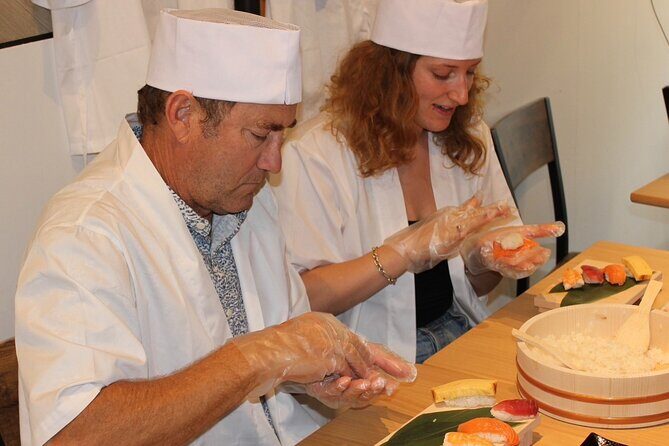
From the instruction style described in feedback, the class focuses on technique you can actually repeat later. People specifically highlight guidance on getting the rice ratio right and learning how to shape and roll with confidence. One learner even mentioned learning a very exact rice measurement (about 10g per portion) as a way to hit the right balance.
What’s useful for you is not just the finished plate. It’s learning why one version looks right and tastes right. Sushi is equal parts texture and restraint, and the class pushes you toward consistency instead of just making something pretty.
You’ll also eat what you make. That’s a big deal. Many cooking classes are fun, but you end up with a final bite you rush through. Here, your reward is the sushi you formed yourself.
The 90-minute rhythm: how the class usually moves
The time window is about 1 hour 30 minutes. In that span, the instructors manage three things well: explaining fast enough to keep momentum, showing techniques clearly, and then letting you practice without getting lost.
Here’s the rhythm you should expect:
1) Welcome and setup
You’ll get introduced to the plan for the session and the kinds of sushi you’ll make. The guides can teach in English, Chinese, and Korean, which helps if your Japanese vocabulary is still a work in progress.
2) Ingredient and technique basics
You learn what goes into the sushi you’re making and how to handle key steps—especially the rice. Feedback often mentions that the instruction is patient and doable for beginners, with people saying they felt ready to try again after the class.
3) Hands-on shaping and rolling
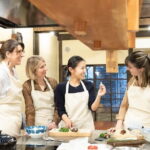
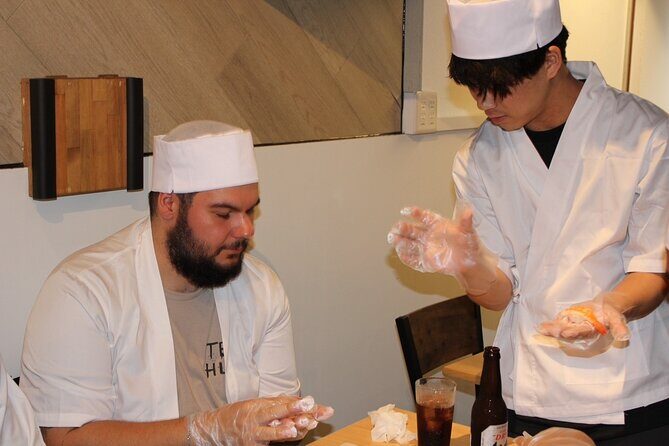
This is where the class becomes real. You shape nigiri and assemble gunkan-sushi while the instructors watch and correct. In several comments, learners praised how clearly the guides explained each movement and how friendly they were while keeping the flow moving.
4) Eat immediately
Once your pieces are ready, you eat them. This helps you judge the results while the experience is still fresh. It also means you leave with both a skill and a full stomach.
5) A keepsake at the end
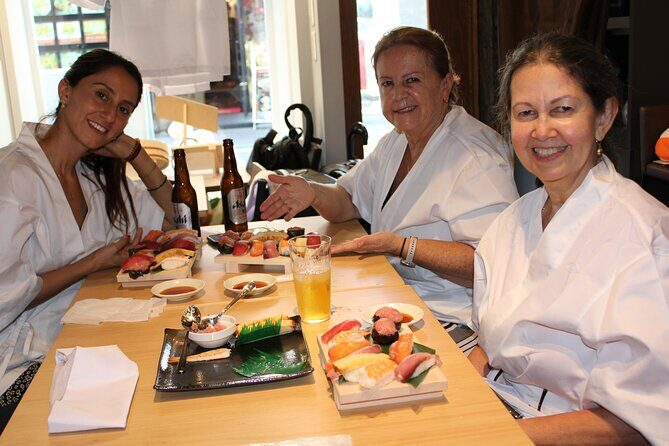
Many participants mention a certificate with their name in Kanji, plus photos. Some even call out the fun of personal touches like name details and costume photos.
If you’re thinking about value, this structure is exactly what you want: you do the work, then you taste the outcome, then you leave with proof that you did it.
Diet-friendly sushi: vegetarian, vegan, and halal options on request
If your group has food limits, this class is a solid choice. It offers vegetarian, vegan, and halal sushi options, but you need to request them.
That request detail matters. Sushi often depends on fish-based ingredients, and the class isn’t trying to be generic. It’s offering specific menu paths so you’re not stuck with a sad workaround.
A quick heads-up: one piece of feedback suggests vegan servings may be lighter on the vegetable variety compared with meat-focused options. That doesn’t mean the vegan option is bad, but it’s worth knowing if you’re traveling with strict vegan needs and you want the most vegetable-heavy plate possible.
If you care about this, message ahead. Ask what the vegan/halal menu includes so you can set expectations. Even just knowing the plan helps you enjoy the class without worrying that you’ll miss out.
Meet the instructors and what their style feels like
The class has a very personal teaching vibe. Multiple comments praise instructors for being patient and fun, with names like Mika, Kosei, Yui, Mako, Shiori, Toshiki, and Hana popping up in feedback.
That name recognition isn’t just trivia. It tells you something about the experience: the instructors are comfortable engaging at your pace. People mention conversations that go beyond sushi, including topics like Osaka and even Japanese writing.
You’re also more likely to get help if you mess up—because sushi mistakes are normal. The rice sticks. The shape collapses. Your top slides. The instructor’s job is to help you reset quickly, and that’s what people describe.
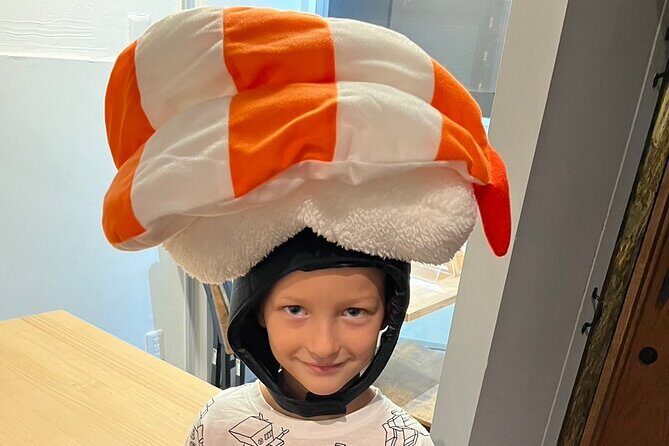
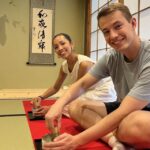
One more fun factor: there’s a sushi-chef costume, and photos are part of the experience. It’s not essential, but it makes the final moment more memorable.

Location in Namba: convenient, but don’t wing it
The meeting point is in the Namba/Dōtonbori area:
Sushi Making Experience Namba1A, 2丁目-6-11 西心斎橋 中央区 大阪市 大阪府 542-0086, Japan
Two things to know for your planning:
- You’re meeting inside a very active food zone, so it’s easy to get your bearings wrong if you arrive late or without a map open.
- At least one review mentions having a hard time finding the location.
So do this: arrive a little early and confirm the address in your map app before you head out. If you’re in Dōtonbori already, take a slow lap and use nearby landmarks to orient yourself. It’s worth it because once you’re inside, the class is smooth.
Also note that the activity ends back at the meeting point, so you won’t need a second transfer plan.
Price and value: is $29.85 a good deal in Osaka?
At $29.85 per person, this is one of those Osaka experiences that feels priced for regular travelers who want something hands-on. The key is what’s included.
You get 12 pieces of sushi (listed as snacks), and the price includes all fees and taxes. That’s important. Cooking classes often add small extras that make the final number climb. Here, the number stays straightforward.
One thing not included: alcoholic beverages. The experience description mentions Japanese sake and beer, but alcoholic beverages are listed as not included. If you plan to drink, treat it as an add-on, not part of the base value.
So the real value equation is simple:
- You pay about $30
- You get a teaching session with real technique
- You eat what you make
- You leave with a certificate and photos
For many people, that’s a win because you’re not just buying food—you’re buying a skill you can repeat at home.
Who should book this sushi making class
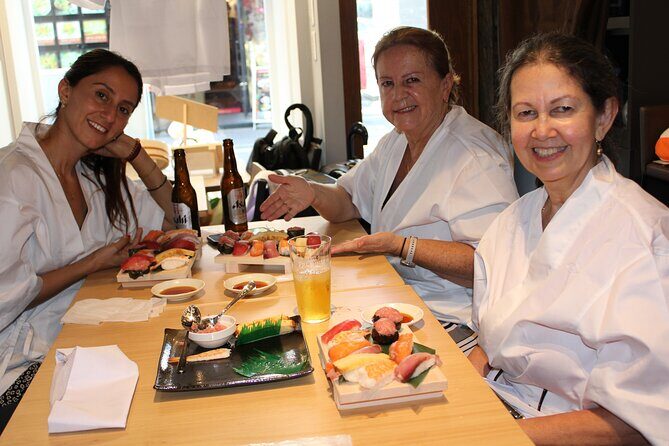
This class fits best if you want a practical, structured way to learn sushi basics without hunting down a private chef or taking a long course.
I’d especially recommend it if:
- You’re a beginner who wants guided technique instead of guessing
- You like the idea of eating soon after cooking, with afternoon or evening options
- Your group includes people who need vegetarian, vegan, or halal meals
- You’re traveling as a couple, solo, or small family and want an activity that feels interactive
If you’re someone who prefers quiet, behind-the-scenes cooking without a photo moment, you might find the atmosphere a little too commercial for your taste. But if you want energy plus skill plus a plate you made, this lands well.
Possible hiccups and how to avoid them
A few practical considerations can help you enjoy it more:
- Finding the location: build in extra time and use the address in your map app.
- Commercial feel: a small number of people mention the vibe being more staged. If you want deep silence and zero performance, you may notice it.
- Veg/vegan comparisons: if you’re vegan and you want a very veggie-heavy spread, request details ahead of time so you know what you’ll get.
- Timing expectations: since the class is about 90 minutes, you’ll learn a lot, but you won’t go slow enough to “master everything.” Think of it as a strong foundation session, not a year-long apprenticeship.
None of these kill the experience. They just help you set the right mindset going in.
Should you book Sushi Making Experience Namba1A?
If you want a fun, hands-on Osaka sushi making class in Dōtonbori that teaches you to make nigiri and gunkan, feed yourself immediately, and take home a certificate with your name in Kanji, I think it’s an easy yes.
Book it especially if you’re short on time and want a learning payoff in about 1.5 hours. The small group size and multilingual guidance make it feel approachable, and the diet options on request are a real advantage for mixed food needs.
If you’re picky about atmosphere and hate anything that feels too polished or performance-like, consider it carefully. But for most people coming to Osaka for food and trying one memorable activity beyond eating, this is a high-value choice.
FAQ
How long is the Osaka sushi making experience?
It runs for about 1 hour 30 minutes.
What will I make during the class?
You make 12 pieces of sushi at the end of the session, including two types: nigiri and gunkan-sushi.
Are vegetarian, vegan, or halal options available?
Yes. Vegetarian, vegan, and halal sushi are available upon request.
What languages will the instructors use?
Guidance is provided in English, Chinese, and Korean.
Is alcohol included in the price?
Alcoholic beverages are listed as not included. The experience description mentions Japanese sake and beer, but you should plan for them as an add-on.
What’s the meeting point address?
The start location is Sushi Making Experience Namba1A, 2丁目-6-11 西心斎橋 中央区 大阪市 大阪府 542-0086, Japan, and it ends back at the meeting point.