REVIEW · OSAKA PREFECTURE
Tea ceremony experience in Osaka with a small group
Book on Viator →Operated by Shuminavi Inc. · Bookable on Viator
Tea etiquette, explained without the fuss. This Osaka small-group tea ceremony gives you a real tatami room experience with a tea master, plus hands-on time that feels surprisingly doable. I like that it’s built for first-timers, so you’re not stuck pretending you know what to do.
Two big pluses: the pace is calm and instruction is clear, and you actually practice making matcha yourself instead of only watching. One consideration is simple—this meeting point involves a 10–15 minute walk from Ibaraki-shi Station, so plan buffer time if you’re navigating unfamiliar streets.
In This Review
- Key things I’d circle before you go
- Tea ceremony in Osaka: what makes this feel worth your time
- Where you meet near Ibaraki-shi Station (and how not to stress)
- Inside the tatami room: how the session actually starts
- Ryurei table tea ceremony: learning matcha you can make yourself
- What you’ll taste: matcha and Japanese sweets, not just tea talk
- Group size, privacy, and why it matters for beginners
- Price and value: $67.11 for a real lesson, not a souvenir show
- How to fit this into an Osaka or Kyoto day plan
- Who should book this tea ceremony class (and who might skip it)
- Should you book this Osaka tea ceremony experience?
- FAQ
- How long is the tea ceremony experience?
- How big is the group?
- Where is the meeting point in Osaka?
- What train station should I use?
- Is matcha included, and do I make it myself?
- Does the experience include both tatami-style and table-style tea?
- What happens if I’m late or can’t find the place?
- Is there a cancellation deadline?
Key things I’d circle before you go
- Small group, up to four people means more questions and less waiting
- Tatami room etiquette: you’ll learn how to enter properly before the tea starts
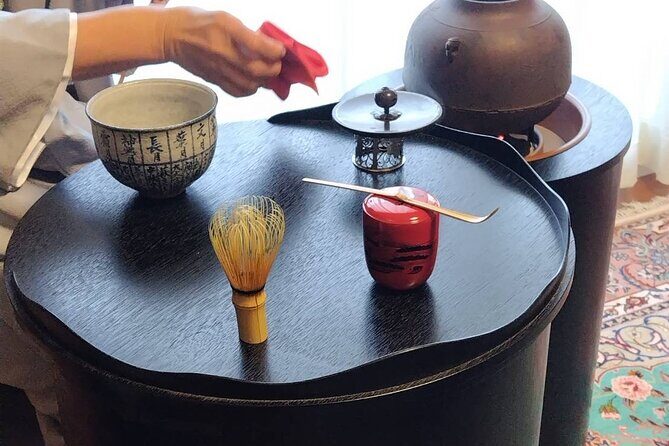
- Ryurei style (table tea ceremony) shows a different way to do matcha at a table
- You make the matcha and then taste the results with Japanese sweets
- 60–90 minutes keeps it focused, with time to keep exploring Osaka and Kyoto afterward
Tea ceremony in Osaka: what makes this feel worth your time
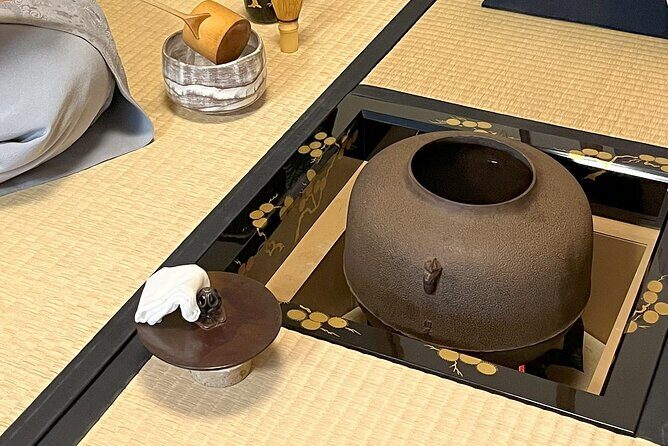
Osaka gets plenty of attention for food, shopping, and day trips—but Japanese tea culture is a calmer side of the region. This experience is designed for real beginners and casual tea lovers, not just people who already own a tea whisk and a matching wardrobe.
You’ll be in a private setup for a group of up to four, which changes the whole vibe. Instead of a scripted show, you can ask practical questions about posture, handling items, and timing. That matters because tea ceremony isn’t about speed—it’s about small, respectful actions done in the right order.
I also like that the session blends observation with doing. You’ll watch a demonstration first, then you’ll move into making matcha yourself and enjoying it with traditional sweets. For a first visit, that’s the fastest path to leaving with something you can actually remember and repeat at home.
You can also read our reviews of more tours and experiences in Osaka Prefecture.

Where you meet near Ibaraki-shi Station (and how not to stress)
The meeting point is at Repark Ibaraki Oike 1-Chome, in Osaka (address listed as Ōike, Ibaraki). The nearest station is Ibaraki-shi Station on the Hankyu Kyoto Line, and it’s about a 10–15 minute walk.
Here’s the practical part: the tour provides the address and a phone number after you reserve, and you should use that info on arrival day. When you reach the spot, you call, and the host comes to see you. That’s helpful if you’re not great at spotting specific storefront entrances.
Build in a little extra time for the walk—especially if it’s your first time in the area. A tea ceremony is easy to mess up by being late, and the experience instructions specifically ask you to arrive on time. If you get lost, you’re encouraged to call rather than wander with your phone battery fading.
Inside the tatami room: how the session actually starts
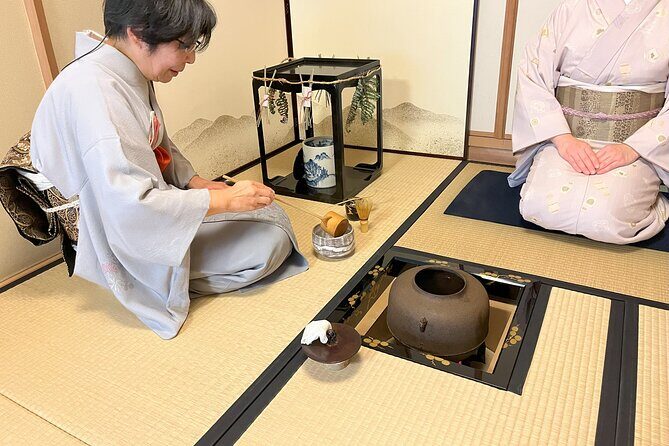
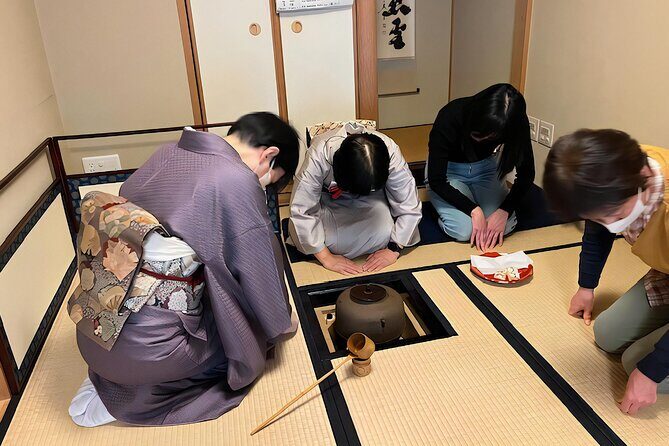
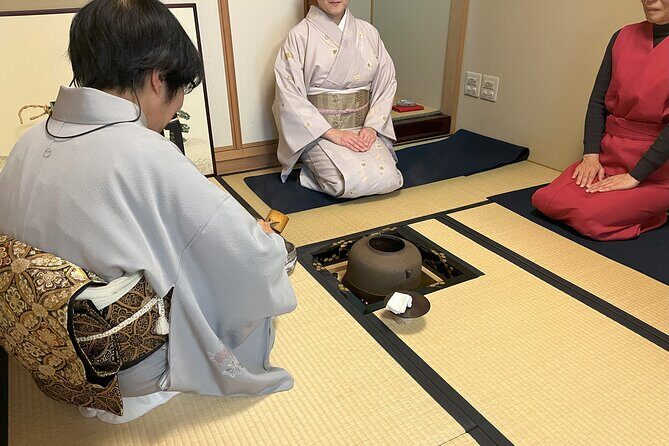
Most people picture a tea ceremony as quiet and formal, but the magic here is that the first phase helps you understand what you’re looking at. Early on, your tea master will introduce how to enter the tatami room (Japanese-style room).
That small detail is more important than it sounds. Tatami rooms follow specific etiquette cues, and once you understand the entry, the rest of the ceremony feels less mysterious. You’re not just watching tea get made—you understand why each motion happens.
After that, you’ll get a demonstration with matcha and Japanese traditional sweets. This is a good moment to slow down and pay attention: how the tools are handled, how the sweets are presented, and how the matcha experience is paced. Even if you don’t know the terminology, you’ll pick up the rhythm quickly because the tea master explains the process in an easy-to-follow way.
Then the session transitions from watching to participating.
Ryurei table tea ceremony: learning matcha you can make yourself
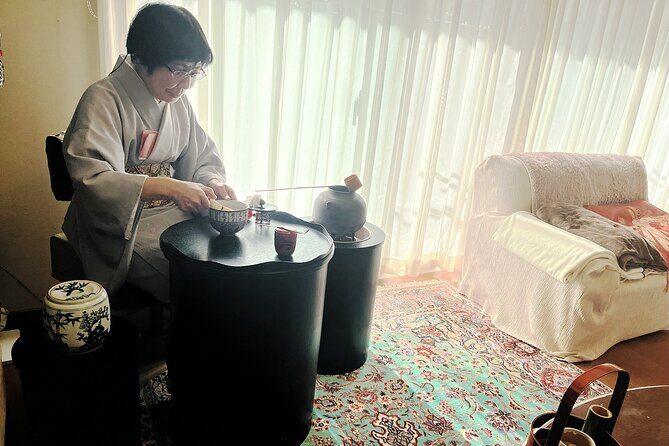
The second half shifts to Ryurei style, which is a table-style tea ceremony. Instead of kneeling and doing everything on the tatami, you’ll learn matcha preparation in a seated, table setting. For many first-timers, this is a relief. It feels approachable while still keeping the respect and structure.
You’ll be taught how to make matcha, step by step, using the tools and materials provided. The point isn’t to turn you into a professional tea practitioner. The point is to give you enough clarity that when you whisk and pour, you understand what you’re aiming for.
After you make the matcha, you get to enjoy it with the traditional sweets included in the session. This is a simple pairing with real value: the sweets help balance the taste profile of matcha, and the ceremony becomes more than a lecture. You taste what you made, then the whole experience locks in as a memory.
The hands-on part is what the best reviews seem to love most—attentive guidance plus the feeling that you really learned the motions, not just the story.
What you’ll taste: matcha and Japanese sweets, not just tea talk
Matcha is often described like it has a personality—earthy, slightly bitter, and bright when it’s done well. In this ceremony, you’ll get matcha in two ways: first as part of the demonstration, and then again when you make your own.
The Japanese sweets matter too. They’re included, and they’re served as part of the cultural flow of the ceremony rather than as an afterthought. That’s why you don’t just eat something sweet and move on. You experience how sweets fit into the pace of the tea moment.
Timing is part of taste. Tea ceremony is slower by design, and that changes how you experience flavors. If you rush your senses at a regular cafe, you tend to skim flavors. Here, the format encourages you to actually notice the matcha and the sweetness together.
And because the session is only about 60–90 minutes, you won’t feel like you signed up for a half-day commitment. You’ll leave with your head clear, not overloaded.






Group size, privacy, and why it matters for beginners
This is a private experience for your group only, with up to four participants. That matters because tea ceremony etiquette is full of small actions—how you hold something, where you place items, and how you follow the flow between steps.
In a larger group, you might see everything from the back of the room and catch only the basics. Here, you’re close enough to learn. If you’re unsure about a step, you have a chance to get correction in real time.
It also helps if your group has mixed experience levels. Even if only one person in your group cares deeply, you’ll still benefit. The teacher can explain at the right speed for first-timers, without talking down to anyone.
If you’re traveling with someone who doesn’t usually enjoy classes, this structure is friendly. It’s interactive without being heavy or technical.
Price and value: $67.11 for a real lesson, not a souvenir show
At $67.11 per person, this isn’t “cheap,” but it’s also not priced like a private performance with no instruction. The value comes from what you receive: a guided tea ceremony experience with tools/materials provided, Japanese sweets, matcha, and hands-on teaching.
You’re paying for three things that usually cost money elsewhere:
- Instruction from a tea master (and an attentive assistant in the process)
- Use of the tea ceremony materials and setup
- The included tasting component—matcha and sweets
Also, the experience offers mobile ticket convenience and group discounts (based on the listing details). If you’re going with one other person, you’ll likely feel that the price is easier to justify because you’re splitting the private-group experience benefits rather than crowding into a larger class.
Finally, consider the time: 1 hour 30 minutes is short enough to fit into a normal day plan. Since the location sits between Osaka and Kyoto, you can still design a day around it instead of turning it into a travel-only detour.
How to fit this into an Osaka or Kyoto day plan
This experience is in Osaka Prefecture, and it’s described as being between Osaka and Kyoto. That’s useful when you’re building a schedule because it gives you flexibility.
A good approach:
- Pair it with sightseeing earlier or later in your day.
- Choose an hour when you’re not rushing to catch a train right after.
- Treat it like a calm cultural stop, not a quick checkbox.
If you’re doing Osaka food spots in the morning and Kyoto temples in the afternoon, tea ceremony can be the “reset button.” It’s structured and quiet, and you’ll come away with a skill-like memory instead of only photos.
Who should book this tea ceremony class (and who might skip it)
This tea ceremony fits best if you:
- Want a beginner-friendly introduction to Japanese tea culture
- Prefer learning by doing—especially making matcha yourself
- Enjoy calm, structured activities and traditional sweets
- Want a small, attentive setting rather than a large-group workshop
You might consider skipping if:
- You hate walking long blocks from the station (because the meeting point is about 10–15 minutes on foot)
- You’re looking for a loud, fast-paced experience rather than a slow, respectful one
If you’re the “I want something authentic but not complicated” type of traveler, this is a strong match.
Should you book this Osaka tea ceremony experience?
If you want tea culture with real instruction and a calm pace, yes—I’d book it. The strongest part is the combination of clear teaching and hands-on matcha making, plus the small-group limit that keeps it personal. You’re not paying just for a pretty moment; you’re paying to learn how the ceremony works from the inside.
One final tip: treat punctual arrival like part of the experience, not a chore. If you show up on time, you’ll enjoy the flow—entering the tatami room, learning the Ryurei table style, and tasting matcha at the exact moment it’s meant to be enjoyed.
FAQ
How long is the tea ceremony experience?
It lasts about 1 hour 30 minutes (approximately 60–90 minutes).
How big is the group?
It’s a private experience for your group only, up to four people.
Where is the meeting point in Osaka?
The meeting point is at Repark Ibaraki Oike 1-Chome (address provided in the tour details).
What train station should I use?
The nearest station is Ibaraki-shi Station on the Hankyu Kyoto Line, about a 10–15 minute walk.
Is matcha included, and do I make it myself?
Yes. Japanese sweets and matcha are included, and you’ll learn how to make matcha during the session and then enjoy what you make.
Does the experience include both tatami-style and table-style tea?
Yes. You start in a tatami room, then you also learn Ryurei style (table style tea ceremony).
What happens if I’m late or can’t find the place?
You’re instructed to contact the phone number if you get lost or are late, and the host will come to see you after you call.
Is there a cancellation deadline?
Free cancellation is available. You can cancel up to 24 hours in advance for a full refund.