REVIEW · OSAKA
Osaka: Traditional Japanese Ikebana Flower Art Experience
Book on GetYourGuide →Operated by Evesson Inc. · Bookable on GetYourGuide
Flowers, taught like quiet art.
You’ll spend about 1 hour 45 minutes learning Ikebana in a calm, modern Osaka gallery with Sogetsu master Fooraku. It’s a hands-on class where you build an arrangement while also picking up the ideas behind the Japanese practice.
I really like the small-group setup (limited to 6), because you get actual attention as you work. I also like that the class follows classic Sogetsu thinking, especially balance, line, form, and space, so your finished piece looks intentional instead of just pretty.
One thing to plan for: the workshop uses real plant material, so if you have plant allergies you need to tell the team in advance.
In This Review
- Key highlights for your Ikebana class
- Finding VADE MECVM Showroom #2 in Kyomachibori
- Meeting Fooraku and learning Ikebana’s real mindset
- What happens during the workshop (and what you’ll actually make)
- Step-by-step flow you can expect
- No prior experience needed
- The photo moment: leaving with something you can keep
- The cultural exchange after class (the part people remember)
- Price and value: is $103 worth it?
- Logistics that actually affect your experience
- Who should book this Ikebana experience in Osaka
- Should you book the Ikebana workshop in Osaka?
- FAQ
- How long is the Ikebana workshop?
- Where is the workshop located?
- What is the cost per person?
- What language is the class taught in?
- Is prior experience required?
- Are materials included?
- What if I need to cancel?
- Is the experience wheelchair accessible?
- Can I request a private session?
Key highlights for your Ikebana class
- Sogetsu instruction from Fooraku with 30+ years of experience guiding you step-by-step
- Small group of up to 6 so questions don’t get lost in the shuffle
- All tools and materials included: flowers, containers, and scissors
- You learn the core Ikebana design rules: balance, line, form, and space
- A commemorative photo to document your finished arrangement
- Cultural exchange time where you can chat after class
Finding VADE MECVM Showroom #2 in Kyomachibori
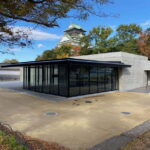
The workshop takes place at VADE MECVM Showroom #2 in Kyomachibori, Osaka. It’s the kind of location that helps you slow down fast. You’re not doing this on a loud street corner; you’re inside a simple, modern gallery where the space feels made for careful work.
That matters more than you’d think. Ikebana isn’t only about flowers. It’s about how you see space, height, and negative areas around the stems. A calm room makes it easier to practice those ideas without getting distracted.
Also, the location is set up for people to move through the activity smoothly. The workshop is wheelchair accessible, which is a thoughtful detail if you’re planning ahead for mobility needs. And since the class is in English, you won’t have to guess what your teacher wants.
You can also read our reviews of more tours and experiences in Osaka.


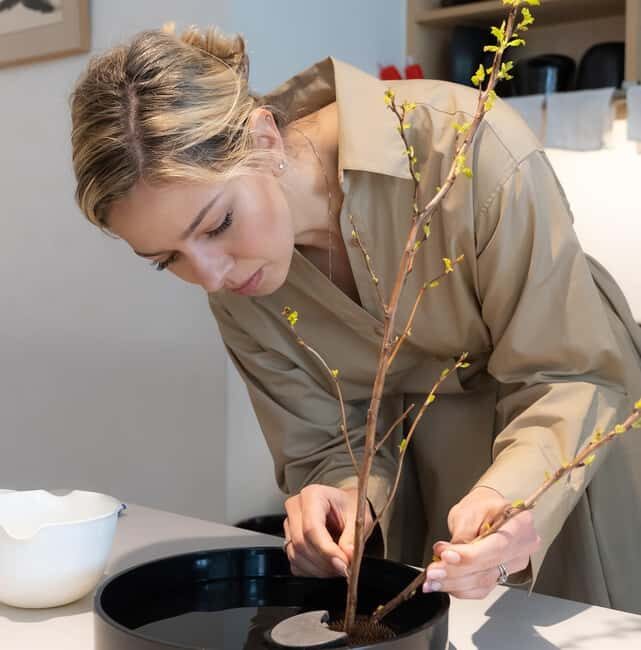
Meeting Fooraku and learning Ikebana’s real mindset
Your instructor is Fooraku, a senior master of the Sogetsu School with over 30 years of experience. You’re not just being shown how to cut stems and place them. You’re guided through why those choices matter.
Ikebana is often described as flower arrangement, but the stronger way to think about it is as a design conversation between nature and human intention. In this class, you’ll hear the main philosophy behind the practice and then apply it immediately.
Fooraku’s teaching is structured around four guiding concepts:
- Balance (where the visual weight sits)
- Line (how stems lead your eye)
- Form (the overall silhouette)
- Space (the quiet room around the arrangement)
This is a big reason people end up loving the class. Even if you’ve never made anything artistic before, the rules give you guardrails. And once you’re working with rules, creativity feels less scary.
What happens during the workshop (and what you’ll actually make)
The workshop is hands-on from the start, and you can count on the basics being provided. You don’t need to bring tools, and you don’t need special supplies.
You’ll have:
- Flowers
- A container (the vase or holder)
- Scissors
That’s practical value. Flower arranging can get expensive quickly if you’re buying supplies. Here, your cost covers materials so your only job is to create.
Step-by-step flow you can expect
While everyone’s arrangement ends up different, the class typically follows a pattern like this:
First, you’ll get brief instruction and then begin building. You’ll start thinking in terms of line and balance rather than trying to copy a sample exactly. Then you’ll refine form—adjusting height, angles, and how the stems interact with the container. Finally, you’ll pay attention to space, which is the feature that often makes Ikebana feel so modern even though the practice is old.
The goal isn’t perfection. It’s a finished piece that reflects both your materials and your choices. With Fooraku guiding you, you’ll learn how small changes create big visual effects, like raising a stem a few centimeters or opening up negative space.
No prior experience needed
The class is open to complete beginners, art lovers, and people who just want something meaningful to do while in Osaka. If you can follow simple instructions and you’re willing to slow down for a bit, you’re in the right place.
And because it’s a small group (limited to 6), you’re more likely to get direct help if your first attempt doesn’t match your mental picture.

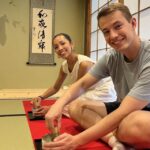


The photo moment: leaving with something you can keep
You’ll also get a commemorative photo of your arrangement. This is useful because your finished piece won’t last forever, even if you’re careful. Flowers change fast.
Having a photo means you can still enjoy your work after it wilts. It’s also a handy reminder when you try to recreate the style later at home, because you’ll remember the exact proportions and silhouette you aimed for.
If photography is important to you, you’ll like the fact that the gallery setting is clean and modern. Minimal backgrounds tend to make your arrangement look sharper on camera.
The cultural exchange after class (the part people remember)
There’s a cultural exchange session after the workshop. This is time set aside for conversation, and it’s more relaxed than a lesson.
The format is simple: after you learn the craft, you can chat freely about Japanese traditions, food, and daily life. You can also share your own culture back with your instructor and the others in the group.
This matters for two reasons. First, it turns the class from a one-way activity into a real human exchange. Second, it helps you understand what Ikebana means in context—why people practice it, what they value about it, and how it fits into everyday Japanese thinking about nature and form.
In small-group settings, these chats can be the most memorable part. Not because they’re scripted, but because they help you connect the art you just made with the culture around it.
Price and value: is $103 worth it?
At $103 per person, it’s not the cheapest activity in Osaka. But it can be very good value if you care about instruction quality and taking home a meaningful result.
Here’s why the price can make sense:
- You get instruction from a Sogetsu master with 30+ years of experience (not a quick intro from someone learning the basics too).
- You receive all materials (flowers, container, scissors), so you’re not paying extra at a market.
- You get a small-group experience limited to 6 people, which usually means more attention.
- You get a commemorative photo included.
- You get cultural exchange time, so the session is more than just craft-making.
If you’ve done cheaper workshops that feel like you’re following a template with little guidance, this class feels different because the structure is tied to actual design principles. You’re learning something transferable, not just copying a finished example.
That said, if you’re looking for a long evening of sightseeing or a big production, this is intentionally a quieter, shorter experience. It’s about hands-on focus, not a show.
Logistics that actually affect your experience
This is an English-language workshop, and that’s helpful if you want to understand the philosophy and not just mimic steps. The instructor uses that time to explain concepts like balance and space in a way you can apply.
The session is listed with about 1 hour 45 minutes of workshop time, offered within a 2-hour block on schedules. Practically, that means you can plan it as a core activity in your day without needing a huge time buffer.
It’s also open to all, and you won’t need special tools. The only specific heads-up is plant material:
- If you have plant allergies, inform the team in advance.
If you’re sensitive to pollen or certain plant types, you should treat that as a real factor, not an afterthought.
Who should book this Ikebana experience in Osaka
This workshop is a strong match if you:
- Want an authentic cultural activity that isn’t just watching
- Like small-group instruction where you can ask questions
- Enjoy hands-on art with clear design rules
- Prefer quieter, calmer experiences over big tours
It might not be your best choice if you:
- Want something that feels fast and purely casual
- Are uncomfortable with handling real plant material (even with advance notification, you may still need to consider whether it’s safe)
Should you book the Ikebana workshop in Osaka?
I think you should book it if you’re the type of person who likes learning a craft you can carry home. The combination of Fooraku’s Sogetsu expertise, the small group, and the included materials makes it feel like more than a one-off souvenir activity.
Even if you’ve never touched an art form like this, the class gives you a framework: balance, line, form, and space. That means your final arrangement has a real sense of purpose, not just decoration.
If you do have plant allergies or strong sensitivities, plan for that first. Otherwise, this is exactly the kind of experience that makes Osaka feel personal: you leave with a created piece, a photo, and a better understanding of how Japanese culture thinks about nature and design.
FAQ
How long is the Ikebana workshop?
The workshop is about 1 hour 45 minutes, and it is offered as a 2-hour session.
Where is the workshop located?
It takes place at VADE MECVM Showroom #2 in Kyomachibori, Osaka.
What is the cost per person?
The price is $103 per person.
What language is the class taught in?
The workshop is conducted in English.
Is prior experience required?
No. The experience is open to complete beginners, and no special tools are required.
Are materials included?
Yes. The class includes all necessary tools and materials such as scissors, vases/containers, and flowers.
What if I need to cancel?
You can cancel up to 24 hours in advance for a full refund.
Is the experience wheelchair accessible?
Yes, it is wheelchair accessible.
Can I request a private session?
Custom and private sessions are available upon request.