REVIEW · OSAKA
Osaka: Kendo Workshop Experience
Book on GetYourGuide →Operated by Park for us Co.,Ltd · Bookable on GetYourGuide
Kendo is quiet power, right up close. This Osaka session is built for hands-on training in a calm dojo, with clear coaching from instructors such as Yamasaki sensei, who’s known for easy-to-follow English explanations.
I love the way the class runs from basics to contact: ritual and etiquette, then bamboo-sword hitting, then a match-style mini-game that you can actually join. I also love the coaching style, because you learn the full sequence while the instructors watch your posture and timing, not just the fun parts.
One thing to consider: this is physical and specific, and it’s not suitable for children under 9, pregnant women, or anyone with mobility impairments or wheelchair users. Also, it’s 2 hours, so you’ll leave with momentum, not full mastery.
In This Review
- Key highlights at a glance
- Enter Shigino Kaikan Hall and feel the pace shift
- The full 2-hour sequence: clothes, etiquette, bamboo, then men
- Bamboo-sword hitting: form lessons you can feel in your body
- Kendo culture breaks: history and manners that make technique make sense
- The men moment and the match-style mini-game
- Watching national-level demos: how to learn without competing
- The towel, the photos, and what to take home
- Price and value: why $116 can feel fair (and where it doesn’t)
- Getting there: Shigino Kaikan hall and the timing reality
- After kendo: an izakaya meal and the sampler vibe
- Who should book this Osaka kendo workshop?
- Should you book this kendo workshop in Osaka?
- FAQ
- How long is the Osaka kendo workshop?
- What is the price per person?
- Where is the meeting point?
- Is instruction available in English?
- What’s included in the cost?
- Is food included?
- What age or physical conditions make someone ineligible?
- What language and group size should I expect?
Key highlights at a glance
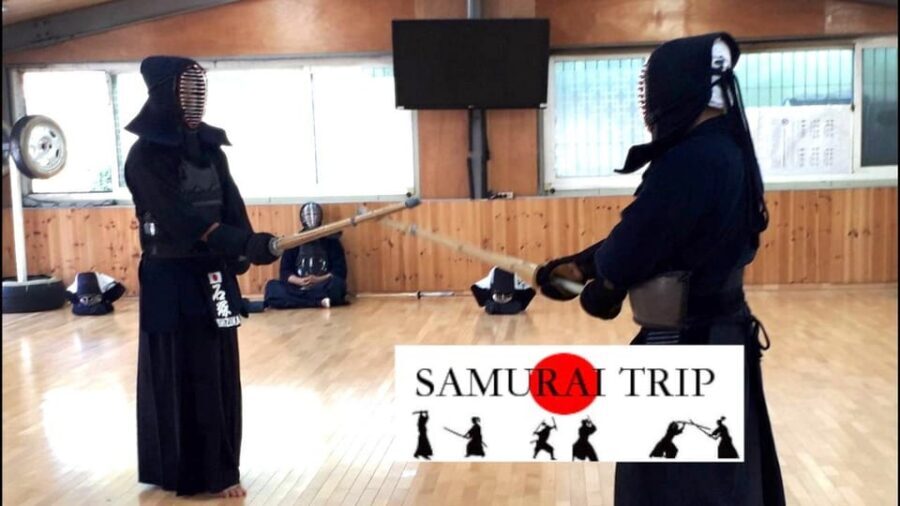
- Private small group (up to 2 participants): more attention, fewer waiting turns.
- Full training flow: etiquette, basic lecture, hitting drills, then a match-style mini-game.
- You’ll wear the men (face protector) and do controlled hitting drills.
- Culture lessons: history and martial-arts manners, not just sport technique.
- National-level demonstrations: you can watch techniques up close and learn by observation.
- Memory items: a special kendo towel and a photo moment with photography time.
Enter Shigino Kaikan Hall and feel the pace shift
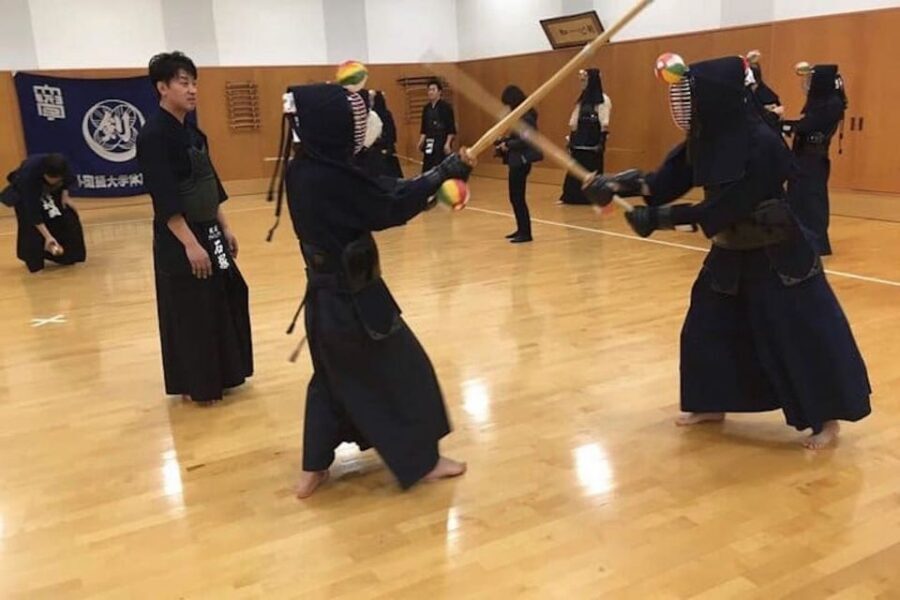
The meeting point is 鴫野会館 / Shigino Kaikan hall, and once you’re inside, the experience immediately feels like training, not cosplay. Kendo culture runs on rhythm: bowing, spacing, voice control, and the focused quiet of a dojo before you swing.
That matters because it sets you up to do the drills safely and confidently. If you’re the type who worries about getting in the way, this style helps you feel included from the start.
You can also read our reviews of more tours and experiences in Osaka


The full 2-hour sequence: clothes, etiquette, bamboo, then men
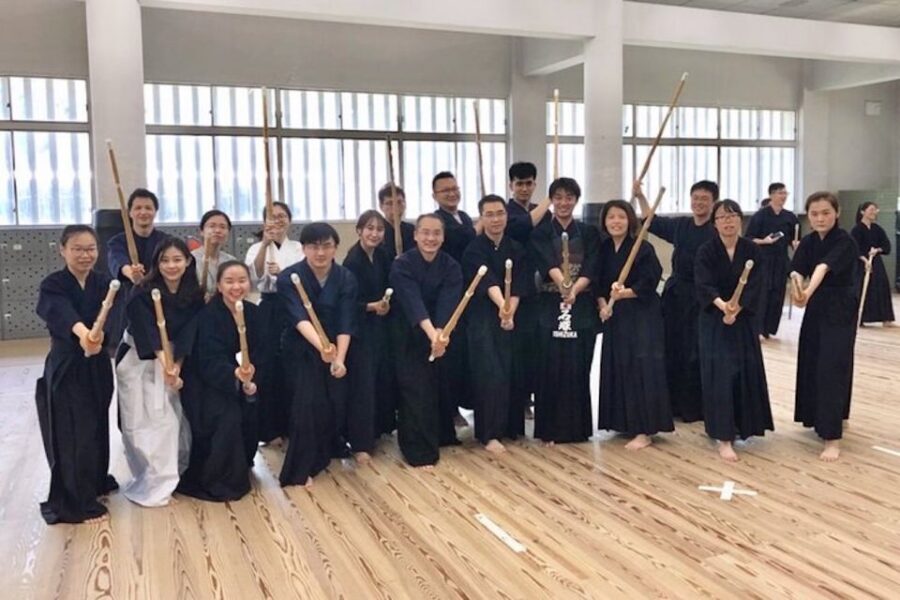
The structure is simple, but it’s not rushed. You’ll follow a planned run-through that covers the full arc of a typical first step in kendo: preparation, technique, contact drills, then a mini contest format.
First comes the change and setup phase, followed by etiquette and a basic lecture. This is where you learn how to behave in the space and what the instructors are trying to get your body to do. You’re not thrown into fighting; you’re guided into the idea of kendo as a controlled martial art.
Next, you move into hitting practice with bamboo swords. There’s also a stage where you practice hitting toward the teacher, which is a big deal because it forces you to think about alignment, distance, and timing instead of swinging at empty air. Then you get a culture break in between drills, so your head stays as engaged as your arms.
After that, you put on men, the face protector. Wearing it changes the whole experience: suddenly the session feels real, and you hear the space differently. Then you do hitting to the teacher again and move into a match-style mini-game, designed so beginners can participate without feeling lost.
The ending is a little cinematic. You’ll watch demonstrations by national-level instructors, get etiquette wrap-up time, and then there’s photography. Everyone also receives a special kendo towel, including use when you put on your face protector, so you leave with something practical and symbolic, not just a photo.
Bamboo-sword hitting: form lessons you can feel in your body
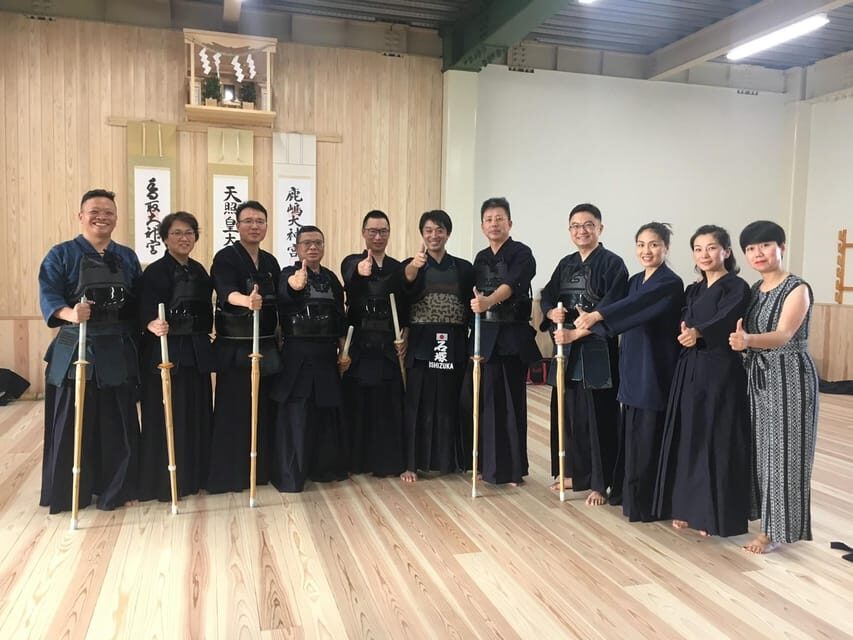
A lot of “martial arts experiences” stop at stance. Here, you get closer to the real work: striking mechanics with a clear progression.
You’ll practice with rental kendo armor and equipment, so you’re not buying gear for one day. That rental setup matters because kendo form depends on how your posture holds under protection and how your body stays stable when you step in and strike.
One of the best parts is that the instructors teach you the whole course of kendo, including manners and how to hit. That means you’re not only learning what to do; you’re learning why it’s done a certain way. When your posture improves mid-session, you can feel the difference instantly, not two days later.
If you’re nervous about safety, you’ll likely feel better once you notice how the instruction is handled. The setup is built for controlled practice with experienced instructors correcting the small details. That correction is what turns a chaotic swing into something that looks and feels like kendo.
And yes, you’ll hear it: the sound of bamboo swords colliding in a quiet room. That sharp contact sound, plus the echo of voice cues, is part of why this session is memorable.
Kendo culture breaks: history and manners that make technique make sense
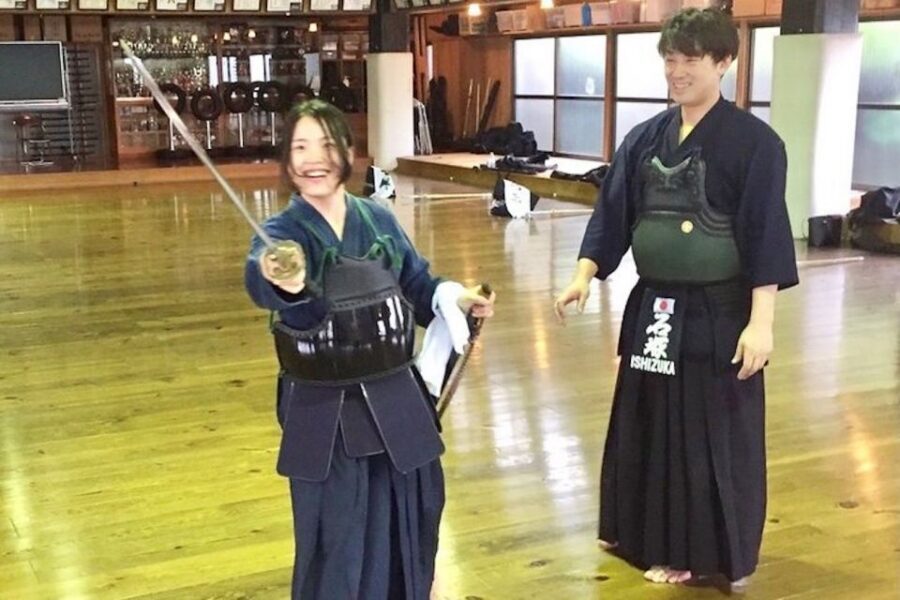
Between hitting phases, you get a kendo culture course. This is where the experience becomes more than physical training. You learn about the history of kendo and the martial-arts manners behind it.
Why it helps: technique without context can feel like gym moves. When you understand what the etiquette is trying to control—respect, discipline, awareness—you start doing the motions with more intention. That’s when the drills stop feeling like a performance and start feeling like practice.
You’ll also learn the idea of unifying your spirit and the concept of lifelong kendo. The way it’s taught here supports what serious beginners need: a clear goal beyond adrenaline. Even if you never plan to compete, you’re still learning an art with standards.
The men moment and the match-style mini-game
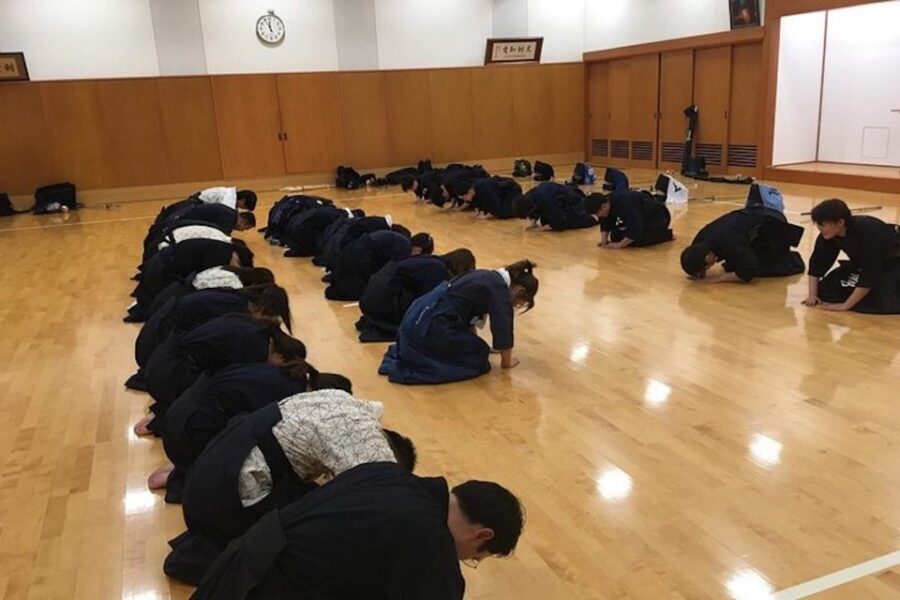
Putting on the men face protector is the turning point from “trying something new” into “training inside kendo rules.” It signals that the drills have structure and that the focus is on controlled, respectful contact.
Then comes the part you probably care about most: hitting again, plus the match-style mini-game. The key word here is mini. This isn’t a full tournament structure with complicated strategy and long sequences. It’s designed so you can participate and understand the flow, while instructors keep you on track.
What you’ll likely enjoy most is the mental switch. The first drills are about your form and learning cues. In the match-style segment, you start responding to timing and your opponent’s movement, even if it’s gentle and coached. You go from doing technique to using technique.


Watching national-level demos: how to learn without competing
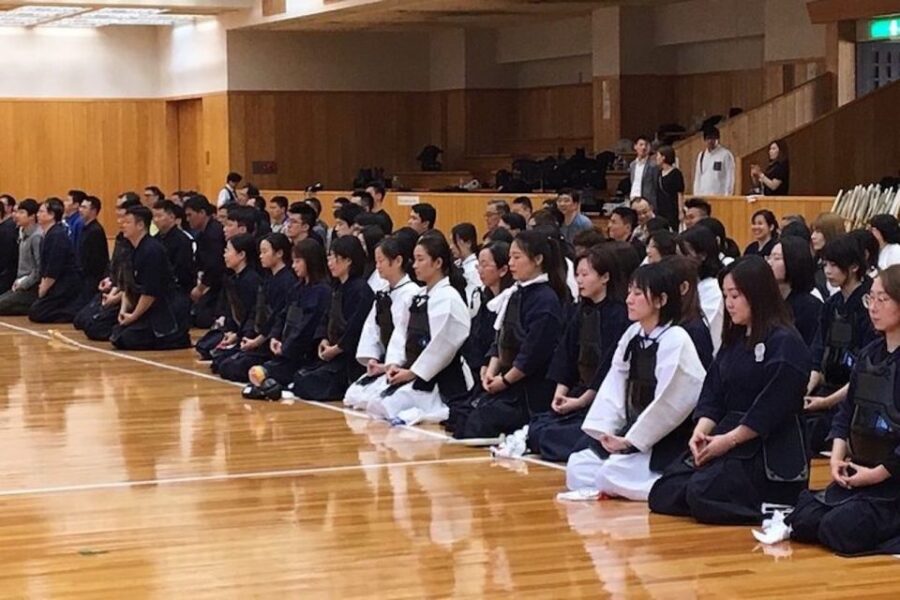
The session includes demonstrations by national-level instructors, and this is one of the underrated benefits. Even if you’re a complete beginner, watching technique up close gives you a visual reference for what the corrected form looks like.
This also helps you avoid a common beginner problem: trying to copy the biggest, fastest move right away. Watching the demos shows what good timing, posture, and distance control look like. You can carry those images home, and next time you practice, you’ll know what to aim for.
The towel, the photos, and what to take home
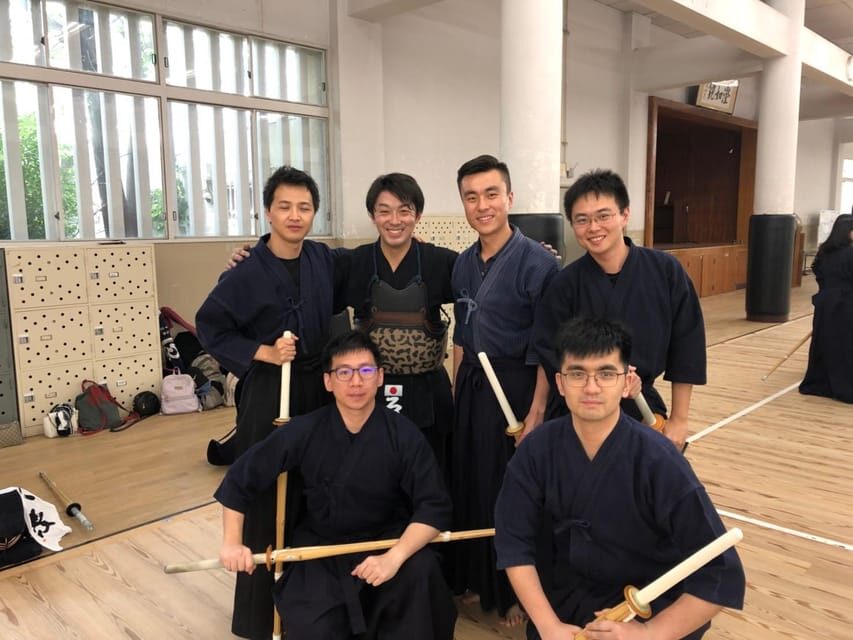
The experience ends with etiquette and photography, plus a special kendo towel. That towel isn’t just a souvenir. It’s tied to the process of putting on the men, which makes it feel connected to the training rather than randomly handed out.
The photography moment gives you a chance to mark the experience without turning it into the focus. The real payoff is what your body learned: balance, footwork rhythm, and how to hold yourself while striking.
If you’re the type who likes measurable progress, treat this class like a baseline test. You’ll leave knowing which parts of your stance need work and which cues the instructors used to fix your form.
Price and value: why $116 can feel fair (and where it doesn’t)
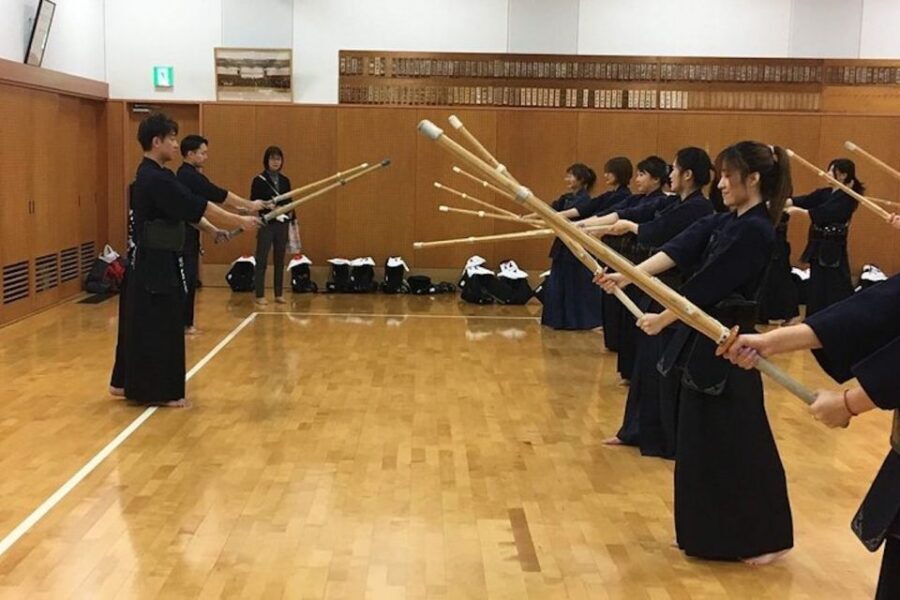
The price is $116 per person for a 2-hour session, and the value mainly comes from what you get included. You’re paying for professional instruction, plus rental of kendo armor and equipment, and you also get free mineral water and a Japanese hand towel.
That bundle matters in Japan because gear rentals and guided training can add up fast. Also, the small group size (limited to 2 participants) is a major factor. More coaching time per person usually means you learn faster and make fewer mistakes during contact drills.
What’s not included is food. That’s normal for experiences like this, but it’s good to plan for it. If you’re doing this between other activities, decide where you’ll eat afterward so you’re not hungry while you try to enjoy the vibe.
Getting there: Shigino Kaikan hall and the timing reality
Your meeting point is Shigino Kaikan hall (鴫野会館). The session is 2 hours, and because you’ll change clothes and go through several stages, you’ll want to plan to arrive ready to start.
You should also plan for a physical session that includes face protection and hitting drills. Even if you’re in decent shape, expect arm and shoulder fatigue. The good news is that the class flow helps you pace yourself rather than letting you go full speed on step one.
After kendo: an izakaya meal and the sampler vibe
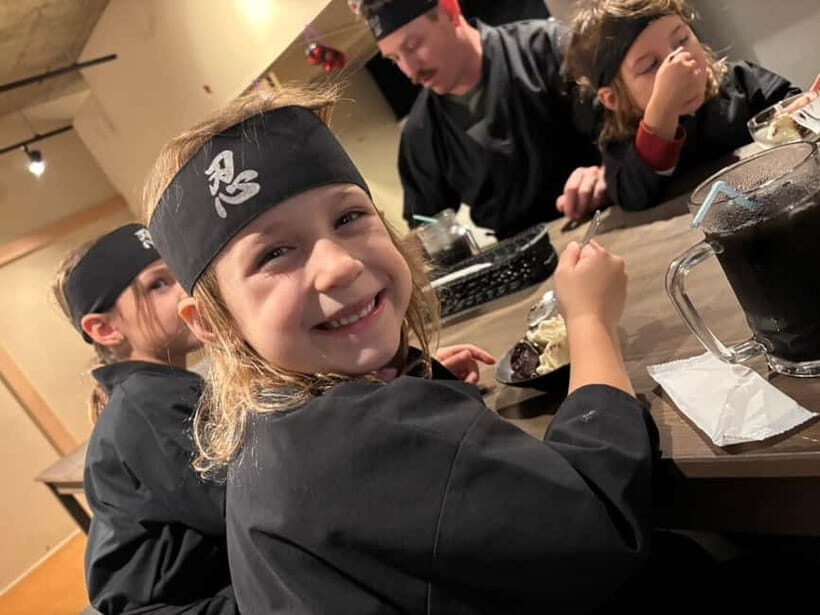
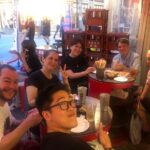
After the workshop, you can head to an izakaya. The idea here is practical: you’ll have a clear end point, and Japan’s casual dining scene is a nice way to cool down.
Some menus include a Special Samurai meal, so you can extend the theme into something delicious without turning the whole day into a single activity bubble. It’s a fun way to swap battlefield energy for something warm and normal.
Who should book this Osaka kendo workshop?
Book it if you want your first kendo experience to feel legitimate. This is for you if you like hands-on training, want English or Japanese instruction, and appreciate etiquette as much as technique. The small group format is especially good if you don’t want to feel lost in a crowd.
You should skip it if you’re dealing with mobility limits or you’re under 9 years old. The activity is also not suitable for pregnant women based on the provided guidance. If any of those apply, you’ll be better served by a different kind of cultural experience that matches your needs.
If you’re an experienced martial artist, you might still enjoy it because the session covers ritual, manners, and structured hitting. It’s not just a workout; it’s a first-step kendo sequence that respects the rules of the art.
Should you book this kendo workshop in Osaka?
If your goal is to try kendo the right way, I’d lean yes. You get professional coaching, rental armor, controlled hitting practice, and even the men moment plus a match-style mini-game—all in a compact 2-hour block.
The main trade-off is that it’s not for everyone physically, and food is on you. If you can handle that, you’re buying a rare combo: real dojo etiquette, bamboo-sword contact, and a clear path from beginner basics to a match-like feeling.
If you want a souvenir, you’ll get the towel and photos. If you want skill and confidence, you’ll likely leave with both. That mix is what makes this Osaka kendo session worth your time.
FAQ
How long is the Osaka kendo workshop?
The workshop lasts 2 hours.
What is the price per person?
The price is $116 per person.
Where is the meeting point?
The meeting point is 鴫野会館 / Shigino Kaikan hall.
Is instruction available in English?
Yes, instruction is provided in English and Japanese.
What’s included in the cost?
You get a professional guide/instructor, rental of kendo armor and equipment, free mineral water, and a free Japanese hand towel.
Is food included?
No, food is not included.
What age or physical conditions make someone ineligible?
It is not suitable for children under 9, pregnant women, people with mobility impairments, and wheelchair users.
What language and group size should I expect?
It’s taught in English and Japanese, and the group is small, limited to 2 participants.