REVIEW · OSAKA
Osaka Street Food Adventure: Taste Local Flavors with Guide
Book on GetYourGuide →Operated by Cooking Sun · Bookable on GetYourGuide
Osaka street food has a talent for pulling you in fast. This tour takes you through the lanes locals actually use, from Shinsekai nostalgia to Dotonbori neon, with a guide who keeps the food moving and the stories practical. You’ll get 6–10 tastings plus one drink, so you’re not just looking—you’re eating your way through the city’s food identity.
I especially like how the route covers multiple neighborhoods with clear food logic. You’ll start in old-school Shinsekai, then work toward Namba and Dotonbori, ending near the Glico sign where Osaka’s street-food theater is on full display.
One thing to plan for: this is not a low-spice, low-allergy tour. The tour notes it isn’t suitable for people with food allergies, and ingredients may include meat, seafood, wheat, and dairy—so check with the provider before you book.
In This Review
- Key highlights worth your appetite
- Why Shinsekai, Namba, and Dotonbori make a smart food route
- Starting at Ebisucho: find the food, not the confusion
- Shinsekai first hour: croquettes, wagashi, kushikatsu, and the old Osaka feel
- Tsutenkaku stop: the tower moment that explains why people gather here
- Takoyaki and Osaka staples: how the guide turns menus into stories
- Namba depachika: department-store food halls with a real Osaka edge
- Hozenji Yokocho: lantern-lit alley charm you can actually taste
- Dotonbori and the Glico sign finish: photo time plus food-scene context
- What you’ll really eat: the tastings that build Osaka’s flavor map
- Price and value: what $83 gets you in Osaka terms
- Pace, comfort, and how to get the most from the group size
- Practical tips so you enjoy it more
- Should you book the Osaka Street Food Adventure?
- FAQ
- Where is the meeting point?
- How long is the tour?
- What is included in the price?
- Is subway transportation included?
- What foods should I expect?
- Is the tour suitable for people with food allergies?
- What is the cancellation policy?
Key highlights worth your appetite
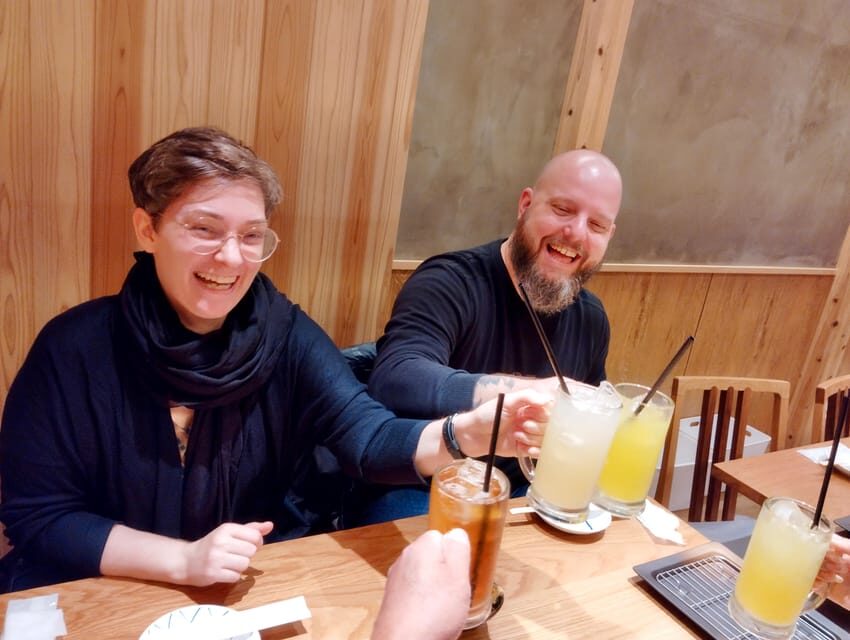
- Shinsekai first: get the street-food mood early, with snacks that locals treat as everyday comfort food
- Old-school taste stops: bites tied to long-running shops, not generic convenience counters
- Dotonbori finish energy: learn the food-scene context and end near the Glico sign for great photo angles
- Namba depachika time: sample department-store food hall treats as a real Osaka contrast
- Small group pace (max 8): easier questions, tighter routing, and less time waiting
Why Shinsekai, Namba, and Dotonbori make a smart food route
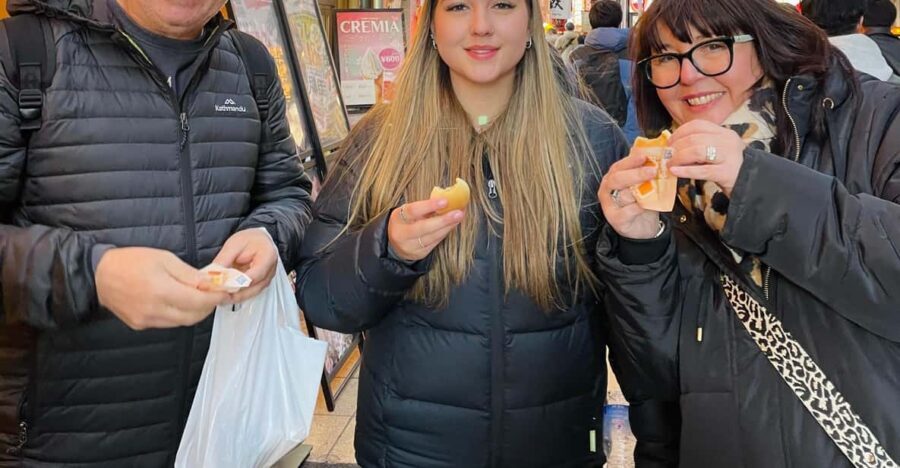
Osaka isn’t one single food scene. It’s a bunch of neighborhood moods that happen to share a love of fried things, sauces, and quick bites. That’s why this tour’s geography works: you’re not hopping randomly. You move from Shinsekai’s retro street energy, to Namba’s department-store food culture, and then to Dotonbori’s famous street-food showmanship.
I like that you’re walking with a guide instead of following a map alone. Osaka can be easy to move around, but it’s still easy to waste time. Here, you get to spend your energy on ordering, sampling, and learning the small rules of local dining—stuff you’d otherwise miss.
Also, the tour is built for a single comfortable session: it runs about 3 hours with multiple tasting stops. That’s a sweet spot if you want a full experience without losing half a day to lines and detours.
You can also read our reviews of more food & drink experiences in Osaka

Starting at Ebisucho: find the food, not the confusion
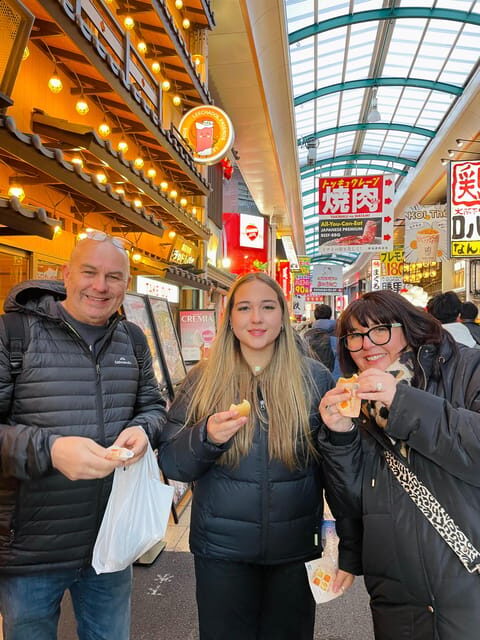
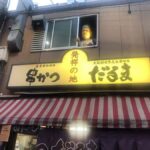
You meet at Ebisucho Station (Exit 3), ground level at 11:00am, in front of a restaurant called Osho. It’s a simple meeting point, and that matters more than it sounds. Japan tours succeed or fail based on whether you can start on time without searching for a person in the wrong doorway.
Bring comfortable shoes. You’ll do plenty of walking, plus you’ll likely be standing during tastings. This is especially true around the alleys and street corners where Osaka does its best work—tight spaces, short queues, and lots of people moving in waves.
Shinsekai first hour: croquettes, wagashi, kushikatsu, and the old Osaka feel
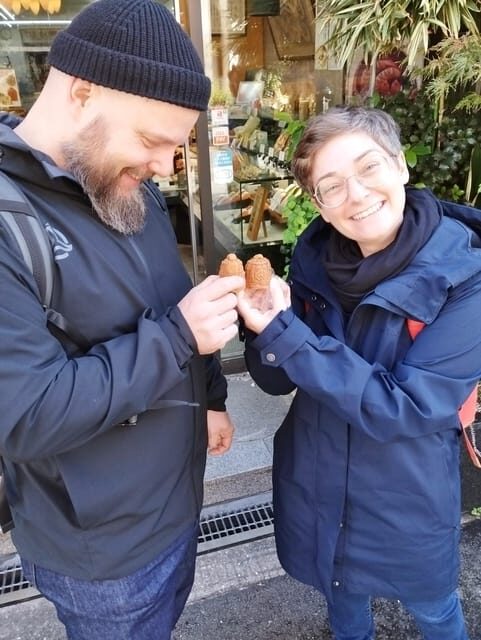
The tour begins in Shinsekai, and that timing is smart. You get the retro atmosphere right away instead of arriving mid-day when you’re already tired. Shinsekai is also where you learn what makes Osaka eating feel casual and communal—food as a neighborhood habit, not a special occasion.
In the first hour, you’ll sample multiple classic flavors, including croquettes from a historic butcher shop and traditional wagashi from a confectionery with a long timeline. That combination is a great way to understand Osaka’s range: street snacks and sweet traditions sitting side by side.
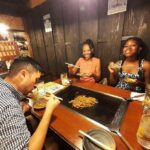
Then comes the part most people come for: kushikatsu, deep-fried skewers you’ll eat where locals actually snack. If you’re new to kushikatsu, the biggest benefit of a guided stop is order accuracy and confidence. You don’t need to figure out the menu while you’re hungry and surrounded by smell and noise.
If you’re trying to taste Osaka like a resident, this is the section that helps you get the right mental model: Osaka loves fast, hot, shareable food. And Shinsekai delivers it early.
Tsutenkaku stop: the tower moment that explains why people gather here
After Shinsekai, you make a quick visit related to Tsutenkaku Tower (about 10 minutes). This isn’t just a photo stop. It’s a cultural anchor: it helps you connect what you’re tasting to what the neighborhood represents.
In street-food towns, the best tours don’t treat landmarks as stickers. They use the landmarks to explain the patterns—why people gather, why the shops last, and why certain foods become local symbols. Even with a short stop, this helps you walk away with more than a memory of fried snacks.
If you like taking photos, go ready. This area is a mix of people and angles, so a tight window for a quick tower moment is useful.
Takoyaki and Osaka staples: how the guide turns menus into stories
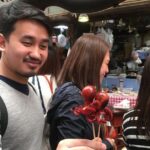
As the tour continues, you’ll hit handpicked street-food moments tied to Osaka’s most recognizable flavors. Expect takoyaki (octopus balls) from a long-running shop, plus other bites that fit the Osaka street rhythm—things like skewers and steamed buns may show up as part of the tastings.
What I find useful here is the way a good guide turns menu confusion into easy decisions. Instead of you wondering what is worth the price or the effort, you’re tasting a set of favorites that makes sense as a sequence. That’s how you actually learn the city’s flavor profile.
And if you like variety, you’re in luck. In one version of this tour, the group also tried items beyond the headline hits—things like an okonomiyaki taste, sushi train, and even fried eel. Not every run will match that exactly, since selection can vary with availability, but the point is clear: the tour isn’t locked to only one type of snack.
You can also read our reviews of more tours and experiences in Osaka

Namba depachika: department-store food halls with a real Osaka edge
Next, you use the subway with your guide to reach Namba. The tour specifically mentions a subway fare of 190 yen for travel from the Shinsekai area to Namba, and it’s not included in the price. That’s normal for Japan—small transit costs are often separate—but it’s good to know so you don’t get surprised mid-walk.
Once in Namba, you’ll spend time at a depachika, a department-store food hall. This is one of those Osaka contrasts that makes the whole tour feel fuller. Street stalls and depachika counters share the same obsession with flavor, but the vibe changes: you get more variety, more packaging styles, and a wider selection of tastes that still feel local.
For you, this section is great if you want something slightly calmer than street corners without giving up the food focus. For photographers, it’s also an easier place to look around and take pictures because you’re not constantly moving through outdoor crowd flow.
Hozenji Yokocho: lantern-lit alley charm you can actually taste
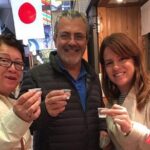
After Namba, you head to Hozenji Yokocho, known for its old-world alley feel. The tour gives you about an hour here, which is enough time to slow down. You’re not sprinting to the next corner. You’re in a lane that’s made for lingering, sipping, and noticing the details.
This is also where the tour’s pacing pays off. After street snacks and depachika selections, the alley gives you a breather while you keep eating. And since you’re with a guide, you’re not stuck trying to guess what to order or where to stand.
You’ll also continue toward the tour’s closer connection to Dotonbori, where Osaka’s street-food theater becomes the main event.
Dotonbori and the Glico sign finish: photo time plus food-scene context
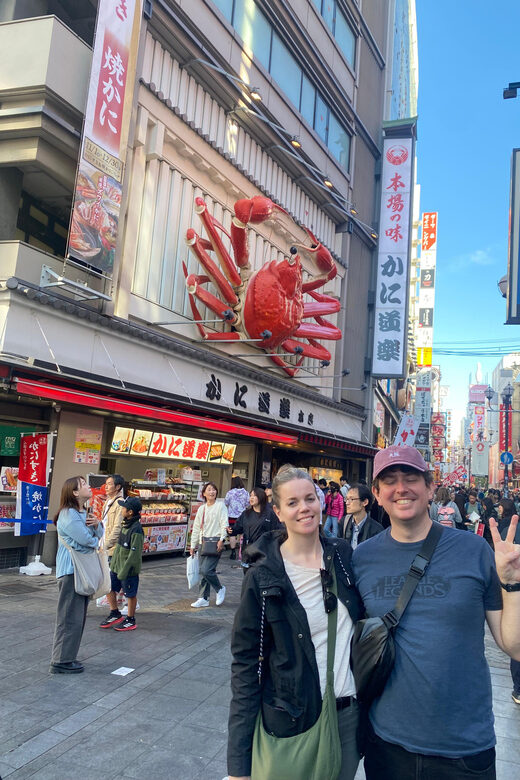
You end near the Glico sign in Dotonbori. This is where Osaka makes its big visual statement—bright signs, crowded lanes, and the sense that food is part of the city’s entertainment.
The tour frames this finish with context, so you’re not just taking photos of famous signage. You’re learning what makes Dotonbori a magnet for street food and why the area feels like a constant performance even if you only visit for an hour.
If you’re planning dinner afterward, this ending is useful. You’ll leave with names, styles, and a better sense of what you want next. In short: you don’t just get souvenirs; you get a strategy for your next meal.
What you’ll really eat: the tastings that build Osaka’s flavor map
This tour includes 6–10 curated tastings (selection varies by season and availability) plus one drink at a local restaurant. That range matters. With that many stops, you’ll taste multiple textures—crispy, saucy, sweet, and fried—so you learn the city through variety, not repetition.
Here’s what you can expect in the mix, based on the tour description:
- Takoyaki from a long-running shop
- Kushikatsu skewers eaten in the style locals prefer
- Croquettes from a historic butcher shop
- Wagashi from a long-established confectionery
- Steamed meat buns among the street-food set
- A drink during a local restaurant portion
And in at least one run described, the food spread also included:
- A sushi train segment
- Fried skewers paired with Asahi beer
- A chance to play old school pachinko
- An extra food-market style stop plus a stop for a fluffy cheesecake
That last point is important for your expectations. This kind of tour can be more fun when the guide is flexible. You get the structure of a designed route, but the guide can sometimes add a few spontaneous extras that fit the group and the timing.
Price and value: what $83 gets you in Osaka terms
At $83 per person for about 3 hours, you’re paying for three things:
1) a small group experience (limited to 8)
2) multiple tastings rather than a single meal
3) a guide who handles ordering and timing
If you were doing this solo, you’d likely spend money on food anyway, and you’d still lose time figuring out which places are worth your queue time. Here, you’re buying efficiency plus confidence. The price also includes one drink, which adds real value in a city where snacks add up quickly.
One extra cost to budget: the 190 yen subway fare mentioned between Shinsekai and Namba. That’s small, but you should have it ready.
So is it worth it? If your goal is to learn Osaka’s food culture in one focused block, yes. If you already have a list of shops and love self-guided wandering, you might do fine cheaper on your own. But for many first-timers, this tour is a practical shortcut.
Pace, comfort, and how to get the most from the group size
Small group tours are great for two reasons: you move faster through crowded areas, and you can ask questions without waiting for a slow moment to get everyone’s attention.
This tour is wheelchair accessible, which is useful to know if you need that kind of planning. It’s also not allowed to smoke, which is pretty standard, but it does affect where groups stop and how long they linger.
Food-wise, you should plan for normal Japanese street-food ingredients. The tour notes ingredients may include meat, seafood, wheat, and dairy, and it’s not suitable for people with food allergies. If you have a serious allergy, don’t assume you can swap items on the spot. Contact the provider before you go.
Practical tips so you enjoy it more
Come hungry, but not so hungry you’re shaky. Osaka snacks can arrive in quick succession. If your stomach is too empty, it can be harder to enjoy the variety.
Also, expect standing time. Bring a small water sip plan if you need it, but remember the tour includes one drink—so don’t overload on water right before you start, or you’ll feel too full during tastings.
Finally, bring curiosity. The tour isn’t just about eating; it’s about learning why these foods matter in their neighborhoods. When you ask the guide about what you’re eating, the whole experience tends to click.
Should you book the Osaka Street Food Adventure?
Book it if you want a guided, tasting-heavy walk that connects food to place—Shinsekai’s retro street identity, Namba’s depachika selection style, and Dotonbori’s photo-and-story finish near the Glico sign.
Consider skipping or adjusting expectations if you have food allergies or need strict dietary accommodation beyond what the tour says is available. Also, if you hate walking, this may feel like more time on your feet than you want for three hours.
FAQ
Where is the meeting point?
You meet at Exit 3 of Ebisucho Station (ground level) at 11:00am, in front of a restaurant called Osho.
How long is the tour?
The tour lasts 3 hours.
What is included in the price?
The tour includes 6–10 tastings (selection may vary), one drink at a local restaurant, and a local guide who speaks English and Japanese.
Is subway transportation included?
Subway fare is not included. The tour notes 190 yen for the subway ride from the Shinsekai area to Namba.
What foods should I expect?
You can expect Osaka street-food favorites like takoyaki and kushikatsu, plus items such as croquettes, wagashi, and other local bites. The exact selection can vary based on season and availability.
Is the tour suitable for people with food allergies?
No. The tour is not suitable for people with food allergies, and it notes tastings may include ingredients like meat, seafood, wheat, and dairy.
What is the cancellation policy?
You can cancel up to 24 hours in advance for a full refund.