REVIEW · OSAKA
Osaka Home Feast Cooking and Sake Experience
Book on Viator →Operated by MagicalTrip Inc. · Bookable on Viator
Osaka teaches you cooking by doing. This cozy evening starts with a real supermarket run and turns what you pick into Osaka-style takoyaki you actually make. You get a local guide, a kitchen studio, and a full-on friend-to-friend meal, not a staged show.
I especially like the hands-on shopping part. You’ll brainstorm takoyaki fillings and learn what to buy and why, which makes the cooking feel grounded in how people really eat here.
The other big win for me is the sake pairing. You’ll sip handpicked sakes while you cook, and you can also choose beer or soft drinks, so you can match your vibe. The main drawback: this is a hands-on cooking experience with wasabi-marinated tuna and other bold flavors on the menu, so if you avoid seafood or spicy heat, plan to speak up early.
In This Review
- Key things I’d circle before you book
- From FamilyMart meeting point to local shopping energy
- The supermarket lesson that actually helps you cook
- Into the studio: aprons on and izakaya-style pacing
- Dishes you’ll cook: crispy takoyaki and mayo-ponzu chicken
- Wasabi tuna: flavor that teaches technique
- Chicken with green onion, mayo, and ponzu
- Takoyaki: the Osaka-style skill test
- The food-and-sake rhythm: learning while you sip
- What you eat at the end: a spread you helped create
- The downloadable recipe pack: how to keep the magic going
- Price and value: what $91 gives you in real terms
- Who this Osaka home feast fits best
- Should you book it?
- FAQ
- How long does the Osaka cooking and sake experience last?
- What time does the experience start?
- Where do we meet?
- How big is the group?
- Is it near public transportation?
- What will I cook?
- Is there sake, or can I choose something else?
- Do I get recipes to use at home?
- Is a mobile ticket used?
- What if I need to cancel?
Key things I’d circle before you book
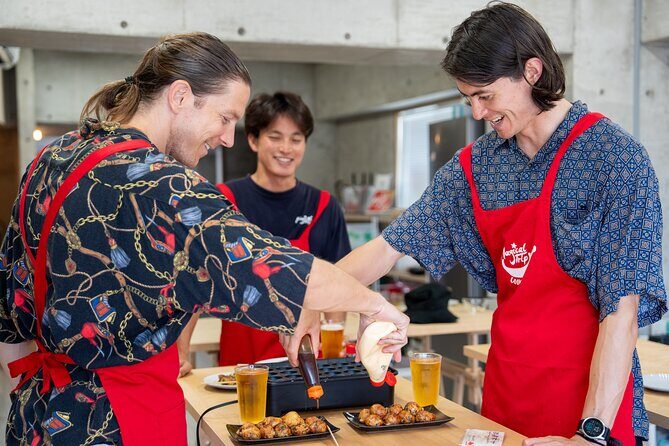
- A grocery run first, then cooking: you’ll pick ingredients and build your takoyaki ideas before you step into the kitchen
- Max 7 people: small-group feel, easy to ask questions and get help at the stove
- Izakaya-style dishes, not one “set” dinner: you’ll learn multiple techniques, from early bites to crispy takoyaki
- Sake, beer, or soft drinks: pairing is part of the fun, with options if you want a non-alcohol sip
- Downloadable recipe pack: you leave with a way to repeat the meal at home
From FamilyMart meeting point to local shopping energy
Your evening kicks off at 4:30 pm at the FamilyMart Minamimorimachi station South side, address Osaka, Kita Ward, Tenjinbashi 2-chōme 310 1F. It’s a straightforward meetup near public transport, which matters because you’re not trying to fight Osaka traffic before cooking.
From there, you’ll meet your English-speaking local guide and head to a nearby Japanese supermarket. This is the part I think most people underestimate: the shopping isn’t extra time, it’s the curriculum. You’ll look for ingredients that make sense for Osaka comfort food, then use that shopping intel to make your own takoyaki choices later.
You’ll also notice how different shopping feels here. In Japan, everything is bought in manageable quantities, bags are handled differently, and you’ll likely be paying attention to labels and packaged formats more than you would in a US grocery store. It’s a small cultural moment, but it makes the cooking feel more personal, like you earned the meal.
You can also read our reviews of more food & drink experiences in Osaka


The supermarket lesson that actually helps you cook
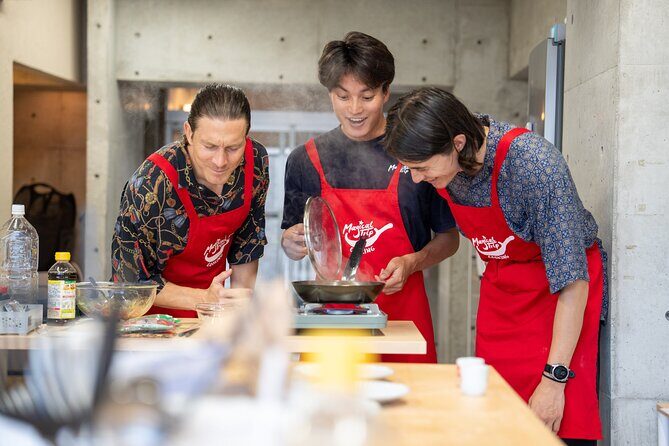
In the supermarket, you’ll discover ingredients and brainstorm fun takoyaki fillings—the Osaka-style way of building flavor into those crisp, round bites. That’s a smart approach because takoyaki is less about one secret ingredient and more about balance: texture, filling, seasoning, and the sauce finish.
If your brain goes blank when you see ten types of sauce or toppings, don’t worry. This tour is built for questions. You’ll have a friendly guide with you, and from what I’ve seen in similar small-group cooking formats, the goal is to get you choosing confidently, not copying someone else’s cart.
Two guides you might hear about—Chie and Nina—come up in past experiences. That’s a good sign: the tour seems to rely on guides who can explain both the food and the why behind it.
Into the studio: aprons on and izakaya-style pacing
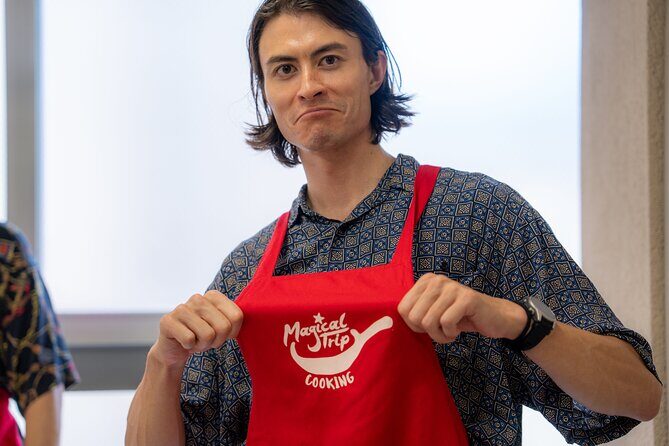
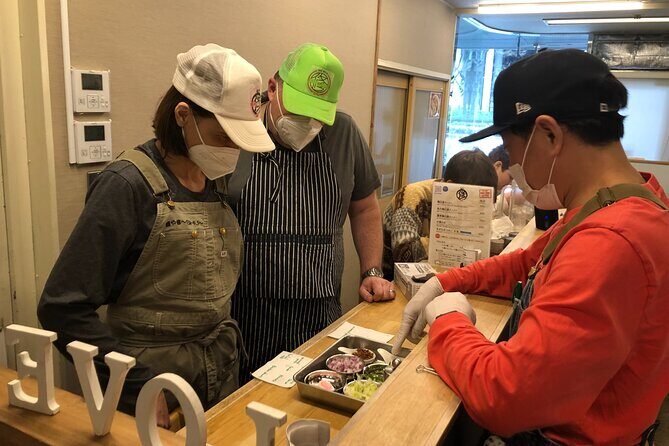
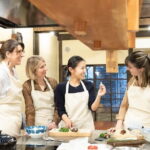
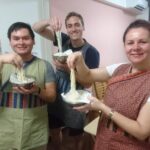
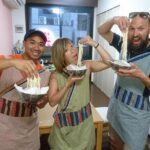
Next, you’ll head to a cozy cooking studio and slip on a MagicalTrip apron. This is where the energy shifts from wandering aisles to working hands-on: you’ll be cooking izakaya-style dishes while sipping drinks.
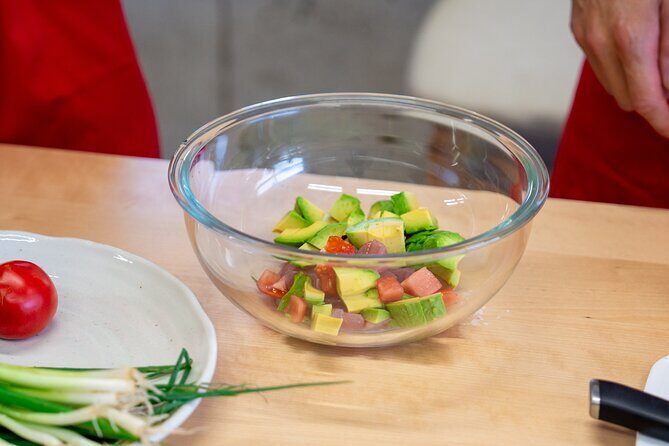
The pacing is set up so you don’t feel like you’re waiting around. You’ll taste early bites such as Mugen Cabbage and Wasabi Tuna Salad while you cook, then move into the main stations for the heavier work. That matters because it keeps your hunger and curiosity aligned with what’s happening in front of you.
The format also makes the evening feel relaxed. You’re not just watching a chef. You’re learning, asking, tasting, adjusting, and then sitting down to eat what you made.
Dishes you’ll cook: crispy takoyaki and mayo-ponzu chicken
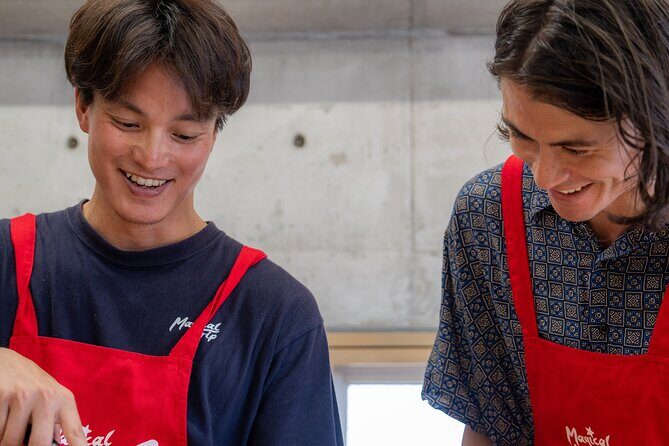
Here’s the practical core of what you’ll learn, and why it’s worth your time.
Wasabi tuna: flavor that teaches technique
You’ll prepare wasabi-marinated tuna and enjoy it as part of the early spread. Wasabi can be intense, so the key skill is understanding how it behaves with other flavors. In a home-style context, the goal isn’t to overwhelm. It’s to add bite, freshness, and contrast.
If you like meals that feel sharp and clean, this is the dish that tends to click fast. And if you’re not sure about wasabi, you’ll still see how the balancing works.
You can also read our reviews of more cooking classes in Osaka

Chicken with green onion, mayo, and ponzu
Next up is chicken with green onion, mayo, and ponzu. This combination is a great lesson in Japanese home flavor logic: creamy richness plus bright acidity. Ponzu keeps things from becoming heavy, and the green onion brings a fresh bite that makes the whole plate feel lighter.
This dish is also a confidence-builder. Once you understand how the components play together, you’ll be able to recreate it at home without needing a special “restaurant-only” ingredient list.
Takoyaki: the Osaka-style skill test
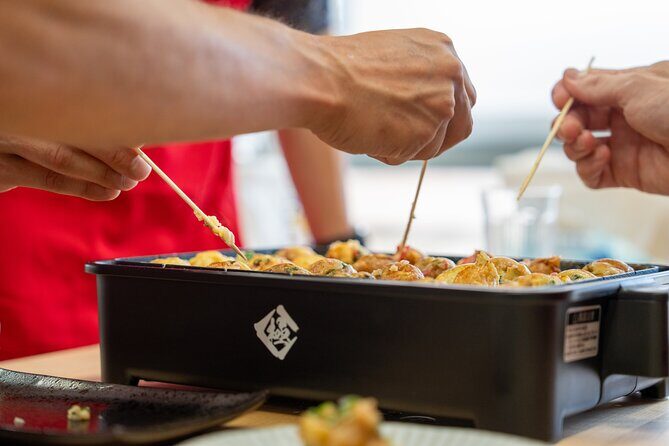
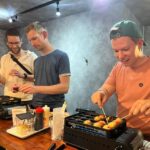
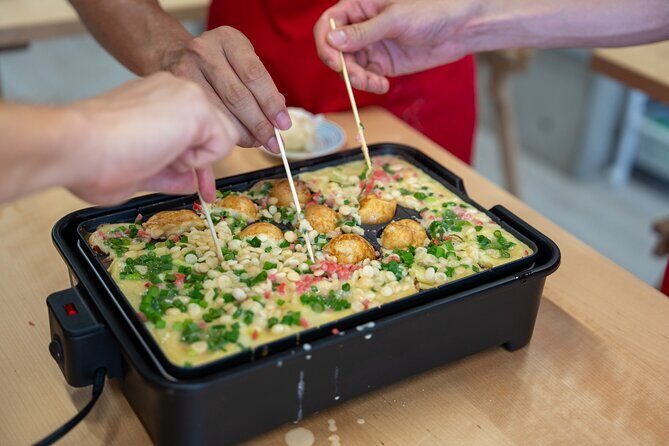
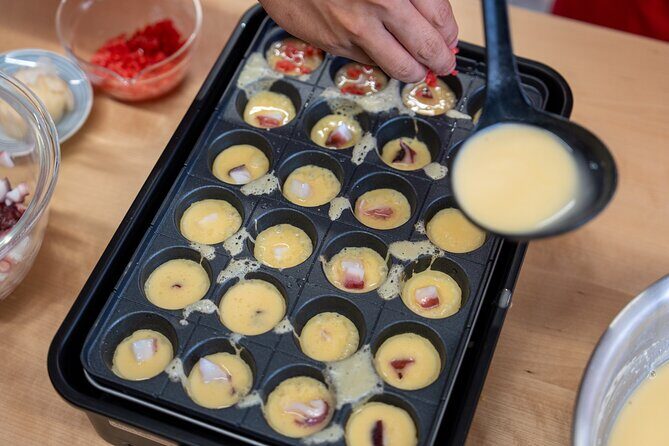
Then comes the highlight for a lot of people: crispy takoyaki. You’ll master how to cook those rounds properly, which is trickier than it sounds because you’re chasing that crisp exterior and juicy inside texture at the same time.
Before the cooking station, you brainstorm fillings. That means your takoyaki isn’t just the same filling as everyone else’s. You get to make decisions, and those decisions turn into a meal you can point to and say, I chose that.
That’s why this tour feels different from generic cooking classes. You’re not only learning a recipe—you’re building the logic behind it.
The food-and-sake rhythm: learning while you sip
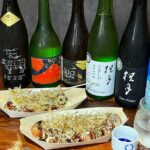
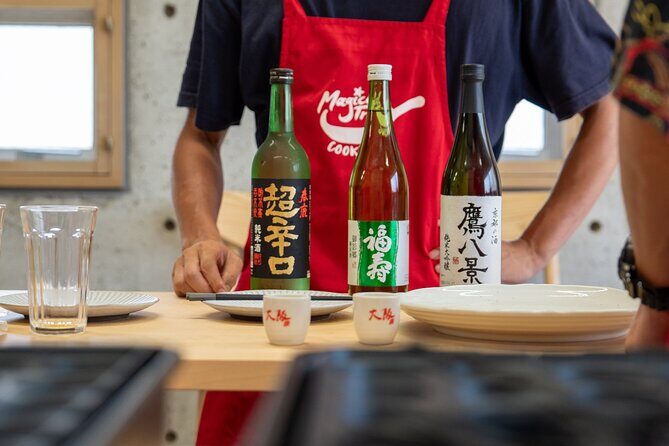
A big part of the experience is eating and learning in a taku-nomi style—home drinking energy, casual and friendly. You’ll have handpicked sake pairings, and you’ll also have the option to sip beer or soft drinks depending on what you prefer.
This is where I think the tour earns its price. Alcohol pairing isn’t just a perk. In this format, it helps you pay attention to how flavors change. You taste, you cook, you sip, and you start noticing why certain dishes feel better with certain types of sake.
If you’re the type who likes to try a little but doesn’t want to get carried away, this is a good middle ground because you’re offered soft drinks too. Just plan to be present and let your guide’s pairing suggestions guide your palate.
What you eat at the end: a spread you helped create
By the time you sit down to your homemade feast, you’ll have a whole set of flavors, not just one item. The early bites like Mugen Cabbage and Wasabi Tuna Salad set the stage, and then the main dishes carry the meal with takoyaki and chicken.
The relaxing part is important. This doesn’t feel like you’re rushing through a checklist. Instead, you eat in a friend-like atmosphere, with your guide nearby to answer questions.
If you enjoy travel that includes conversation, this is one of those experiences where you’re likely to hear practical context—how certain ingredients are chosen, why these dishes show up in casual dining, and what people think about when they make home izakaya meals.
The downloadable recipe pack: how to keep the magic going
Before you go, you get a downloadable recipe pack. For me, that’s the difference between a fun evening and a lasting skill.
Without recipes, cooking lessons often fade fast. With a recipe pack, you can recreate at home and remember the flavor logic you learned in the studio—like how ponzu keeps mayo from feeling too rich, or how takoyaki texture depends on method.
If you’re hosting friends, this recipe pack also gives you a reliable way to turn one dinner into an event. Even if you don’t make everything, you can still reproduce the dishes that matched your tastes during the class.
Price and value: what $91 gives you in real terms
At $91.04 per person for about 3 hours, this is priced like a hands-on food experience with real ingredient sourcing. It’s not a low-cost snack tour.
So is it worth it? I think it is, if you care about three things:
- You want the whole process, from choosing ingredients to cooking and eating
- You value small-group help, since this has a maximum of 7 travelers
- You want take-home utility, especially the downloadable recipe pack
Also, the timing matters. Starting at 4:30 pm helps you avoid late-night logistics and gives you a proper meal window. For a lot of people, that’s exactly what they want from an Osaka evening: a meaningful activity that ends with you full.
Who this Osaka home feast fits best
This experience is a great match if you:
- like hands-on cooking and want to learn techniques, not just watch
- enjoy Japanese izakaya-style flavors and don’t mind strong accents like wasabi
- want an English-speaking local guide who can answer questions while you cook
- prefer small groups over big, loud crowds
It’s also a solid choice if you want a “Japan-at-home” souvenir. You’re not bringing back a postcard. You’re bringing back recipes and a skill set for your own kitchen.
If you’re traveling with others, it also works well because the format feels social. You’re cooking together, tasting together, and eating what you made—no awkward separation.
Should you book it?
Yes, I’d book this if you want an Osaka experience that’s practical and tasty. The combination of shopping first, learning multiple dishes, and finishing with sake pairing plus recipes makes it more than a one-dish class.
Skip it only if your ideal evening is mostly sightseeing with minimal hands-on work, or if you know you strictly avoid seafood or bold wasabi flavors and don’t want to adjust your menu. Otherwise, this is exactly the kind of cooking night that turns travel memories into dinners you can repeat.
FAQ
How long does the Osaka cooking and sake experience last?
It runs for about 3 hours.
What time does the experience start?
The start time is 4:30 pm.
Where do we meet?
Meet at FamilyMart Minamimorimachi station South side, Osaka, Kita Ward, Tenjinbashi 2-chōme 310 1F (530-0041).
How big is the group?
The experience has a maximum of 7 travelers.
Is it near public transportation?
Yes, the meeting point is described as being near public transportation.
What will I cook?
You’ll make dishes including crispy takoyaki, wasabi-marinated tuna, and chicken with green onion, mayo, and ponzu. You’ll also taste early bites like Mugen Cabbage and Wasabi Tuna Salad.
Is there sake, or can I choose something else?
You’ll sip handpicked sakes, and you can also have beer or soft drinks.
Do I get recipes to use at home?
Yes. You’ll receive a downloadable recipe pack.
Is a mobile ticket used?
Yes, the experience includes a mobile ticket.
What if I need to cancel?
Cancellation is free up to 24 hours before the experience starts. If you cancel less than 24 hours in advance, the amount paid is not refunded.