REVIEW · OSAKA
Samurai Training Experience KENDO in Osaka
Book on Viator →Operated by Samurai Training Experience KENDO in Osaka · Bookable on Viator
Want to swing a bamboo sword?
This hands-on Kendo in Osaka session takes you into a working dojo with authentic protective armor and a short Samurai culture introduction before you start striking with a shinai. You also get a small group setup (max 12), so you’re not lost in the crowd. It’s the kind of experience where you leave with photos, video, and the basic skills to understand what you just did.
I really like that the lesson balances history and physical practice, so the techniques make sense fast. I also like the comfort factor: air conditioning, changing rooms, and even showers mean you can finish feeling human, not sweaty and stuck. One possible drawback: this is training first, not a costume show, so you should be ready for some physical effort even as a beginner.
In This Review
- Key Things I’d Prioritize Before You Book
- Why This Osaka Kendo Class Feels Like the Real Thing
- Getting There and What the 2-Hour Training Really Means
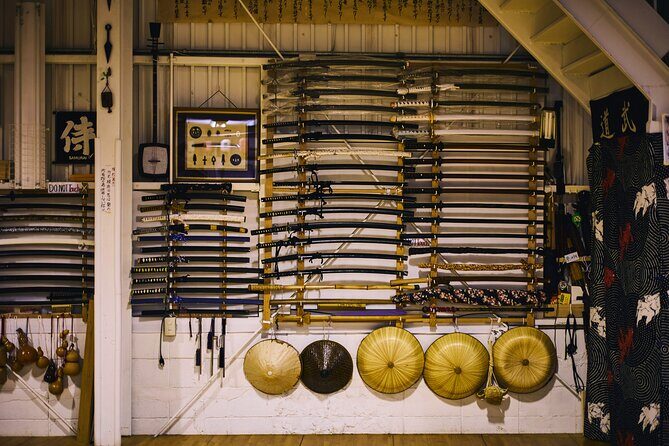
- The Dojo: Gear Up, Warm Up, and See Samurai Artifacts
- Your Lesson Plan: From History to Shinai Basics
- Sparring Time: Safe Match-Style Practice for First-Timers
- Photos and Videos: The Souvenir You’ll Actually Use
- Price and Value: Is $131.32 Fair for 2 Hours?
- Who This Samurai Kendo Class Is Best For
- Practical Tips Before You Go (So You Don’t Feel Rushed)
- Should You Book Samurai Training Kendo in Osaka?
- FAQ
- Is this Kendo experience for beginners?
- What happens during the 2-hour session?
- Does the class include protective gear and clothing?
- Do I get photos or video after the experience?
- How large is the group?
- Can I cancel for a full refund?
Key Things I’d Prioritize Before You Book
- Small class size (up to 12) so the instructors can correct your stance and timing
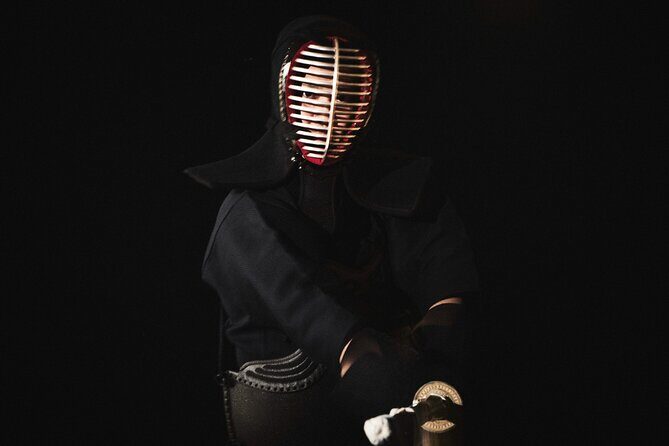
- Authentic uniform and armor so you learn Kendo the way it’s meant to be practiced
- English instruction plus an assistant/translator (often Nao) to keep things clear
- Shinai basics and safe, match-style sparring under close professional guidance
- Digital photos and videos sent after the session, so you can relive it without hunting for shots
Why This Osaka Kendo Class Feels Like the Real Thing
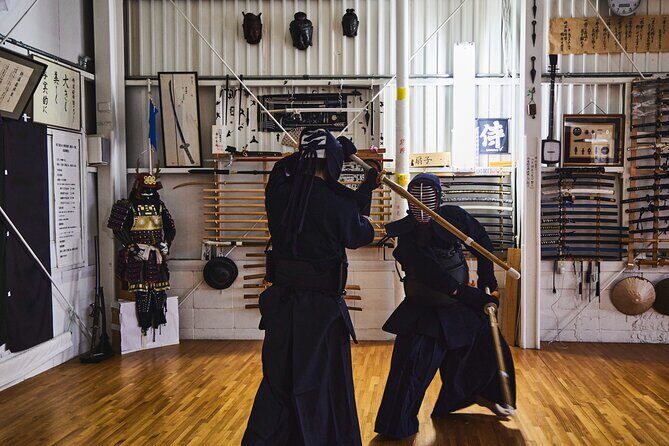
Osaka has plenty of cultural activities, but this one is built around practice. You’re not just watching someone else fight. You’re learning the proper form, getting fitted in protective gear, and trying the movements yourself in a real dojo environment.
The experience also has a museum-like side. The dojo setting includes Samurai artifacts and memorabilia, which matters because Kendo isn’t only about winning points. It’s about discipline, posture, and etiquette, and you’ll feel that as soon as you’re in the space.
The biggest “value” here is that you get both context and action. You’ll start with an intro covering Bushidō and Samurai culture, then you’ll immediately connect that meaning to how you hold the shinai and move your feet.
You can also read our reviews of more tours and experiences in Osaka.


Getting There and What the 2-Hour Training Really Means
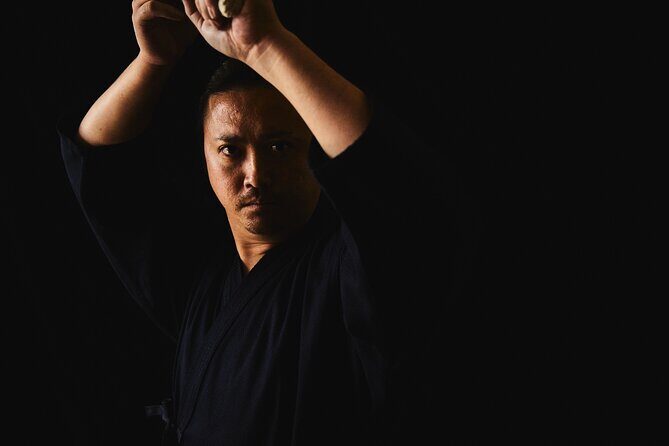
Plan for about 2 hours total. That’s long enough to teach real basics, dress you properly, and still run a safe, match-style session at the end. It’s not long enough to turn a first-timer into a tournament fighter, but that’s not the goal. The goal is: leave with competent basics and a clear feel for the sport.
The meeting point is in Kita Ward, Osaka: 1-chōme-18-2 Honjōhigashi, Kita Ward, Osaka, 531-0074, Japan. It’s near public transportation, which helps if you’re fitting this between sightseeing plans.
You’ll use a mobile ticket, so keep your phone handy. Simple, low-stress logistics for a session that already involves gear, movement, and changing rooms.
The Dojo: Gear Up, Warm Up, and See Samurai Artifacts
When you arrive, the first step is getting oriented. You’ll get a beginner-friendly intro to Kendo and Samurai culture, including Bushidō themes. This matters because Kendo has a “why” that goes beyond the bamboo sword.
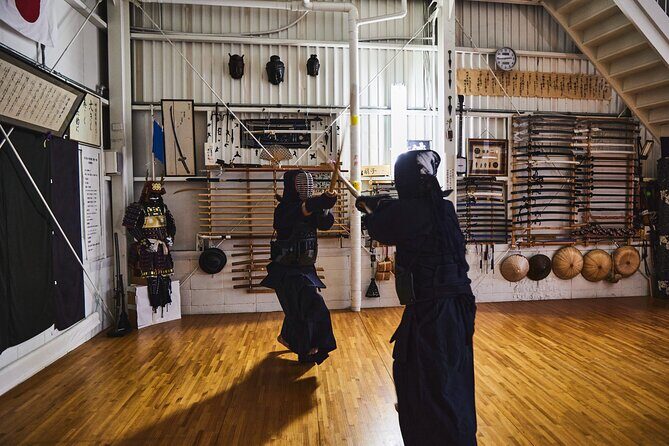
Then you’ll change into traditional Kendo clothing and protective armor. Multiple reviews highlight how smooth this is, with changing rooms set up so you can suit up without feeling rushed. Once you’re armored, you’re also able to take photos and videos as part of the experience, including that full gear look people come to Osaka for.
The dojo environment is clean and well-kept, with comfort amenities that you’ll genuinely appreciate after moving around in armor. You’ll have access to showers and changing rooms, plus air conditioning and heating so the room doesn’t turn into an endurance test.
Your Lesson Plan: From History to Shinai Basics
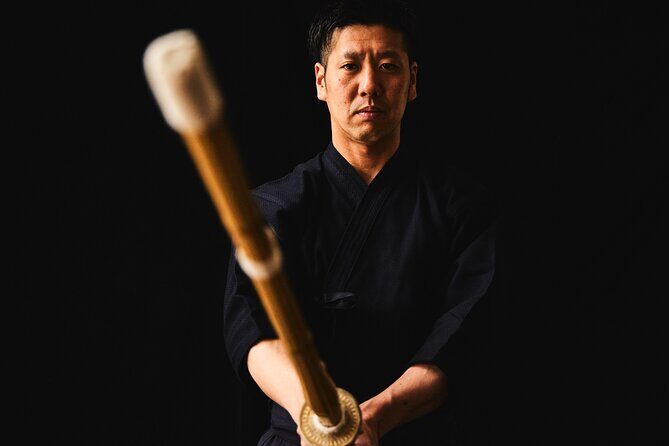
The structure is straightforward, which is what you want on a first attempt. You’ll start with the idea behind Kendo and Samurai culture. After that, you’ll learn proper form and safety basics before anyone turns you loose.
Next comes the practical part: basic techniques using the shinai (the bamboo sword used in Kendo). You’ll work on things like stance, positioning, and key strike actions. You’ll also practice sequences that combine footwork and strikes, so it’s not just arm movement.
A useful detail: instruction is delivered in English, and there’s support to help non-Japanese speakers follow along. In feedback, guests repeatedly name instructors like Toshi and Kumiko, with an assistant/translator role sometimes connected to Nao. The point for you: don’t worry that you’ll miss key cues. The staff focuses on clarity.
For kids (ages 3–5), the lesson focus shifts. They’ll still wear uniforms and protective items for a safe photo moment, but the activity is built around what’s appropriate for that age group.
Sparring Time: Safe Match-Style Practice for First-Timers
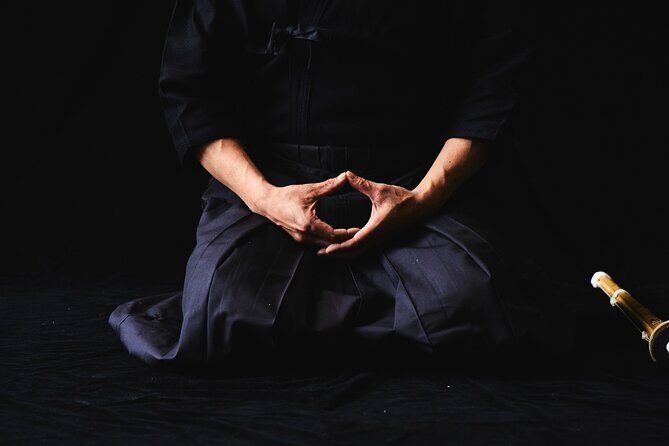
This is the part most people remember. After the basics, you’ll do safe, match-style practice under professional guidance. In many accounts, guests describe it as exciting and intense, especially because the instructors keep it controlled and beginner-friendly.
Here’s what makes the sparring section feel fair instead of chaotic: you’re not just thrown in. You’ll be taught how to duel properly first, including how to engage and how to manage distance and timing. Once that foundation is in place, you’re ready for the back-and-forth training.
If you’re a little nervous, that’s normal. The class is built around feedback, and the instructors take time to help you get your posture and movement right. You’ll also find that the set-up makes it easy to try at your own pace at first, then gradually increase intensity as you understand the basics.




Photos and Videos: The Souvenir You’ll Actually Use
One of the most practical perks is that you get a digital souvenir: photos and videos of your experience. Multiple guests note that this is sent after the session (some mention turnaround within about a day), which is perfect if you’re trying to keep your itinerary moving.
This matters because in armor, with a shinai, it’s hard to stop and also take good pictures yourself. The staff handles that portion, so you don’t spend the best part of the class juggling your phone.
You also get that “full gear” look that’s hard to recreate elsewhere. It’s a big reason people book this instead of doing a casual martial arts demo. You leave with evidence that you trained, not just watched.
Price and Value: Is $131.32 Fair for 2 Hours?
At about $131.32 per person for roughly two hours, the price isn’t the cheapest way to spend an afternoon in Osaka. But it’s also not a gimmick.
You’re paying for several things working together:
- hands-on instruction in English
- authentic uniform and protective armor included for the session
- a real dojo practice structure (not only photos)
- digital photos and videos delivered afterward
- comfort amenities like showers and changing rooms
If you’ve ever done activities where you pay a lot and still feel like you mostly posed for pictures, this is different. You’re learning technique and doing safe sparring. That turns it into a skill-based cultural experience, not just a photo opportunity.
For families, it can be especially good value because the class has an age-aware approach (including the younger kids photo-focused version). For martial arts fans, it’s also one of the more direct ways to get exposure to Kendo without having to find a dojo on your own.
Who This Samurai Kendo Class Is Best For
This works best if you’re the type of traveler who likes doing things, not only seeing them.
You’ll likely enjoy it if:
- you’re a first-timer curious about Kendo and Samurai culture
- you want a hands-on workout that still feels respectful and traditional
- you like small groups and getting correction in real time
- you want a memorable souvenir that’s more than just selfies
It’s also a strong fit for couples and solo travelers. Some accounts mention solo participants getting one-on-one-style attention during the session, which is a great advantage when you’re trying something new.
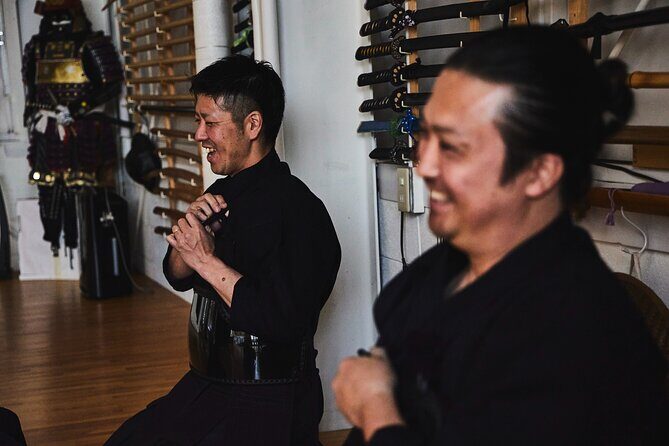
For families, it’s a solid choice because the instructors are patient and encouraging, and they adjust the training based on age. Kids who enjoy anything related to samurai tend to love the armor part, and older kids get to test their skills more directly.
Practical Tips Before You Go (So You Don’t Feel Rushed)
A few small things can make the session smoother.
First, plan for active movement. Even beginners do stance work, strikes, and timing practice. You won’t need special athletic training, but you should wear comfortable clothing under what you’ll be changing into.
Second, bring a mindset that this is a “learn fast, practice safely” class. You’ll get the core basics quickly, then you’ll apply them. If you try to do it like a movie duel on your first day, you’ll get frustrated. If you treat it like a lesson, it clicks fast.
Third, use the facilities. Showers and changing rooms are part of the package, and it makes the end of the class feel pleasant instead of sticky and awkward. If you’re combining this with other plans in Osaka, this is a big plus.
Should You Book Samurai Training Kendo in Osaka?
If you want a real Kendo training session with armor, English instruction, and safe match-style practice, I think you should book it. The value isn’t only in the gear or the souvenir photos. It’s in the combination of Samurai cultural context plus hands-on technique practice in a small class led by instructors like Toshi and Kumiko.
It might not be for you only if you’re looking for something low-effort or purely spectator-friendly. This is meant for people who are willing to suit up and learn.
If that sounds like your style of travel—hands-on, respectful, slightly intense—this is a standout way to spend time in Osaka.
FAQ
Is this Kendo experience for beginners?
Yes. It’s beginner-friendly and requires no prior Kendo experience. The lesson is taught in English and starts with an introduction before you practice.
What happens during the 2-hour session?
You’ll begin with an intro to Kendo, Samurai culture, and Bushidō. Then you’ll change into Kendo uniforms and protective armor, practice basic techniques with a shinai, and finish with a safe, match-style session.
Does the class include protective gear and clothing?
Yes. You’ll wear authentic Kendo uniforms and protective armor during the practice.
Do I get photos or video after the experience?
Yes. You receive digital photos and videos as a souvenir from the session.
How large is the group?
The experience has a maximum of 12 travelers, which helps keep the instruction attentive.
Can I cancel for a full refund?
Free cancellation is available up to 24 hours in advance for a full refund. If you cancel less than 24 hours before the start time, the amount paid is not refunded.