REVIEW · OSAKA
Osaka: LGBTQ+ Life Past and Present
Book on Viator →Operated by Pinpoint Traveler, Inc · Bookable on Viator
Gay Osaka has a different pulse at night. This 3-hour LGBTQ+ tour connects past and present across two very different neighborhoods—Shinsekai in the south and Doyamacho in the north—with a light dinner, two drinks, and a guide who keeps it human, not stiff.
I especially love how the tour is guided by someone from the LGBTQ+ community, and how that shows in the way the night feels. In particular, Kevin stood out in the reviews for being impassioned and fun while still answering practical questions, and for helping people get oriented fast—even coming to find one guest who got turned around by Osaka station exits.
One thing to consider is that this is a 6:30 pm night plan built around nightlife energy, including bar time and alcohol, so it may feel too lively if you want a quieter schedule.
In This Review
- Key things to know before you go
- Why Shinsekai and Doyamacho is the smartest pairing
- How the evening flows (and why 3 hours is a good length)
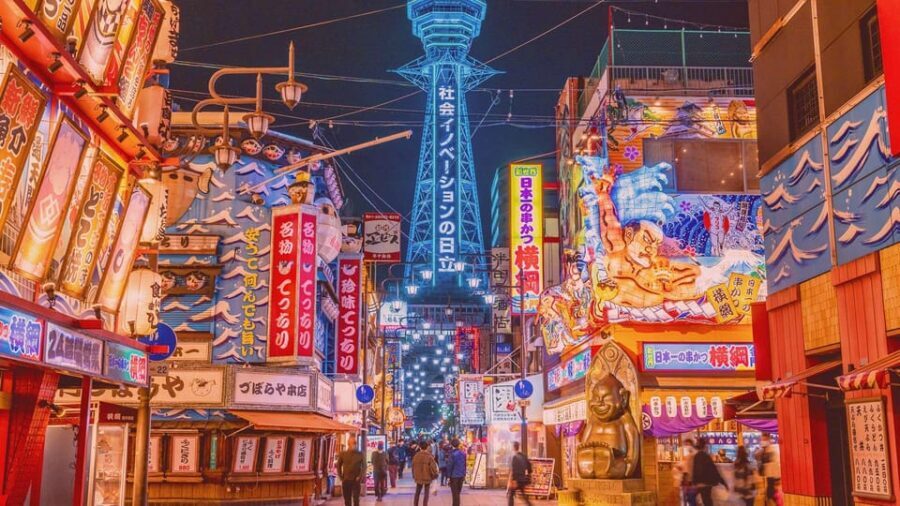
- Stop 1: Shinsekai’s street-food neon with a hidden past
- What to expect
- A drawback to keep in mind
- Stop 2: Doyamacho’s modern scene and the bar drink that makes it real
- Practical note
- What’s included for the $96.79 price (and what you’re really paying for)
- Where the value is strongest
- What the guide role actually means on the ground
- Practical tips for your 6:30 pm start
- Who should book this tour (and who might want a different option)
- Should you book it?
- FAQ
- What’s the meeting point and start time?
- How long is the tour?
- What’s included in the price?
- What’s the age requirement?
- Is it a private tour?
- Does the tour depend on weather?
Key things to know before you go
- Two neighborhoods, two time periods: Shinsekai leans into earlier secret-life history; Doyamacho focuses on modern, more visible gay culture.
- A guide with real community perspective: Kevin-style hosting means it often feels like walking with friends, not attending a lecture.
- Included dinner plus two drinks: You can spend the money once and stop doing mental math all night.
- Transit is handled for you: The route between stops is part of the experience, not something you’ll have to figure out mid-night.
- Age 20 minimum, legal drinking age: Alcohol is included, so this is best for adults who can legally drink in Japan.
- Mobile ticket and a near-transit meeting spot: You should be able to line up the start quickly from major station areas.
Why Shinsekai and Doyamacho is the smartest pairing
Osaka’s LGBTQ+ scene is not just one street and a few clubs. It’s split by geography and attitude, and that’s exactly what makes this tour work. You get the sense of how community life shifted over time, and how it can still feel both private and public depending on where you are.
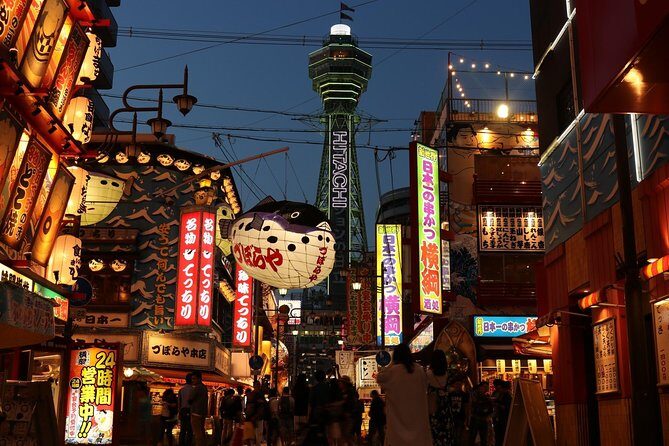
Shinsekai and Doyamacho sit in different emotional worlds. Shinsekai is famous for Osaka style eats and loud, flashy streets. But the guide’s focus is on what used to be behind the flash—earlier patterns of gay life in Japan, including the way some people navigated work, marriage, and hidden relationships through membership bars and gay saunas.
Then you hop north to Doyamacho, where the mood is more contemporary and more straightforward. Here the tour becomes practical: where to go, how to order, and how to find spaces that match what you feel like that night.
You can also read our reviews of more tours and experiences in Osaka
How the evening flows (and why 3 hours is a good length)
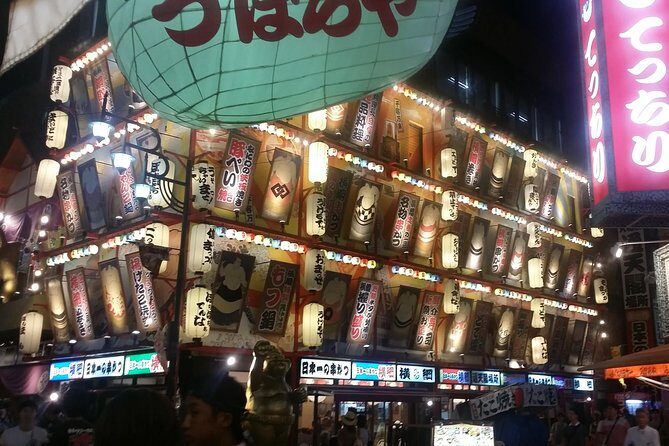
This outing is about three hours total, starting at 6:30 pm. That timing matters because you get a real evening atmosphere without committing to the whole night.
The structure is simple:
- A first stop in Shinsekai for about two hours
- A short 15-minute train ride
- A second stop in Doyamacho for about one hour, including a guided walk and a bar drink
Because the tour includes transit and keeps the group moving, it’s a strong option when you want to learn quickly but don’t want to spend energy figuring out logistics. You’ll also end with help pointing you toward what might fit your night next, since the tour isn’t trying to control your plans beyond the scheduled stops.
Stop 1: Shinsekai’s street-food neon with a hidden past
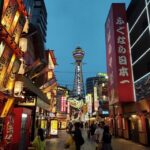
Shinsekai is the kind of area you’ll recognize even if you’ve never been. It’s known for Osaka style food and eye-catching sights, so it can feel like pure entertainment from a distance.
What the tour does well is flip your thinking. The guide frames Shinsekai as a place where earlier gay life could exist in tighter, more coded ways. You’ll hear how, in not-so-distant eras, some gay men entered heterosexual marriage—then maintained separate social and romantic lives through membership bars and gay saunas. The point isn’t to sensationalize it. It’s to show the tradeoffs people made and how community life adapted to social pressure.
You also get a sense of continuity. The tour’s messaging is that some people today still carry history in their choices and boundaries. That’s one reason Shinsekai works as the opening act: it sets the stage for understanding why Doyamacho feels different.
What to expect
- A guided exploration of Shinsekai’s LGBTQ+ angle, rather than a generic sightseeing walk
- Time built in for explanation and context, not just photos
- An admission ticket included for the Shinsekai portion
A drawback to keep in mind
Shinsekai can be loud and a bit chaotic depending on the block. If you’re sensitive to crowds, pick comfortable shoes and expect the tour pace to stay “night-fast.”


Stop 2: Doyamacho’s modern scene and the bar drink that makes it real
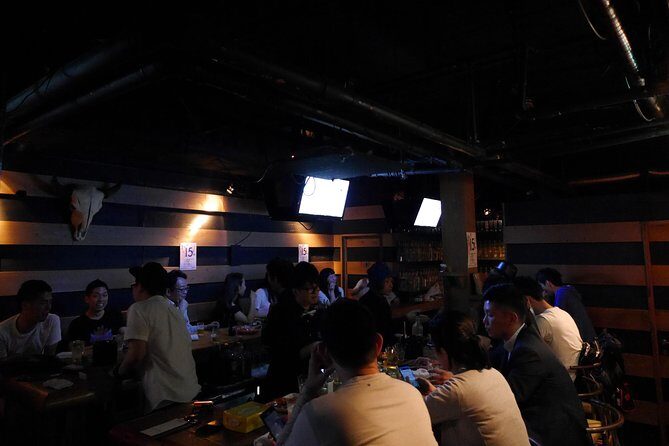
After Shinsekai, you take a 15-minute train ride to Doyamacho. The contrast is immediate: the tour shifts from coded history to a more modern social scene.
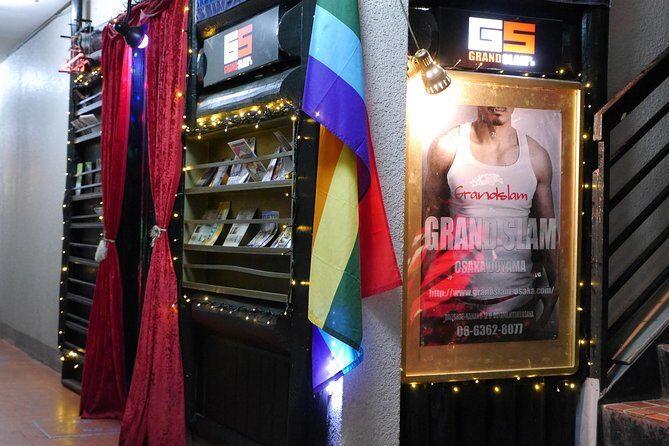
Doyama is described as unhidden but not quite boastful—a useful phrase because it points to the vibe. It’s not pretending everything is secret, and it’s not screaming for attention either. The tour’s focus here is on spaces for gay youth, their admirers, and people who still want to play and socialize.
The guide helps you navigate a dense nightlife area. You’re looking at over a hundred bars and venues, from tiny spots to bigger dance-club style locations. The variety matters because it means you’re less likely to waste the night at the wrong kind of place. Instead, you’ll have someone at your side who can suggest what fits your mood.
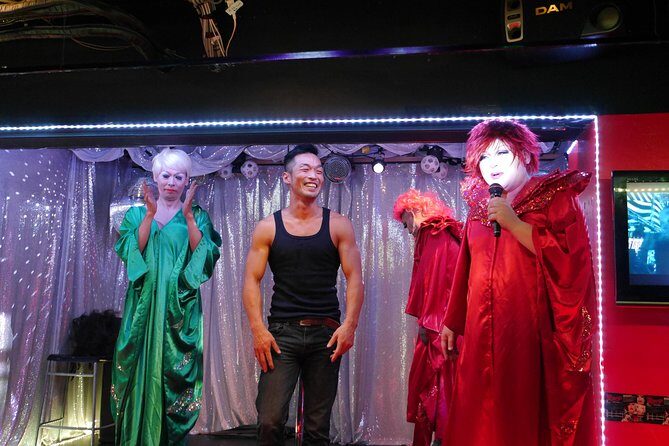
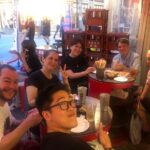
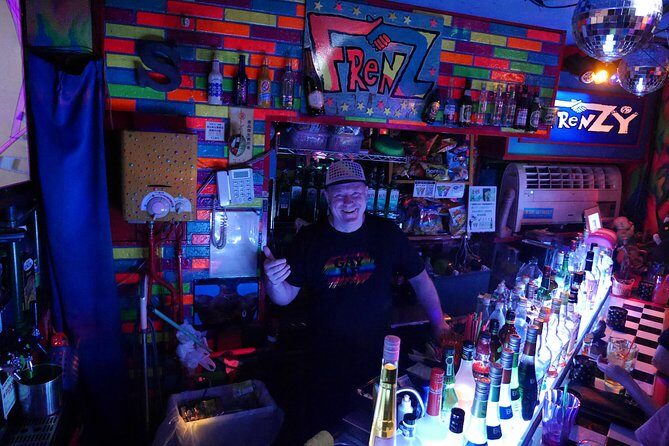
Then the tour ends with a structured break: you walk around with the group, and you stop at an LGBTQ-oriented bar for one included drink. This is one of the best “value moments” of the tour because it’s a chance to relax, not just keep walking.
Practical note
Doyamacho has a lot of doors and side streets, and Osaka station areas can be confusing for first-timers. One of the strongest lessons from the reviews: Kevin will help you get your bearings fast. In one case, he even came to find a guest who couldn’t get oriented, which is exactly the kind of support that turns an awkward start into a smooth night.
What’s included for the $96.79 price (and what you’re really paying for)
The price is $96.79 per person for about three hours. If you only look at the numbers, it can feel like “a lot for a neighborhood walk.” But the real value is in the combo.
You get:
- A light dinner plus one drink at a local restaurant
- One more included drink at an LGBTQ-oriented bar
- Transit between the two LGBTQ hubs
- A guide with English support and LGBT community perspective
- A mobile ticket
- Group discounts (if your group qualifies)
Most visitors to Osaka will spend money on transit and drinks anyway. This tour saves you from doing the “where should we go next?” scramble while you’re hungry and tired. It also removes the guesswork of which bar is friendly for someone who doesn’t read the scene confidently yet.
Where the value is strongest
If you’re new to Osaka, or you want your first LGBTQ night out to feel guided and low-pressure, you’ll likely feel the value fast. The tour isn’t just showing you places. It’s translating the vibe.
What the guide role actually means on the ground
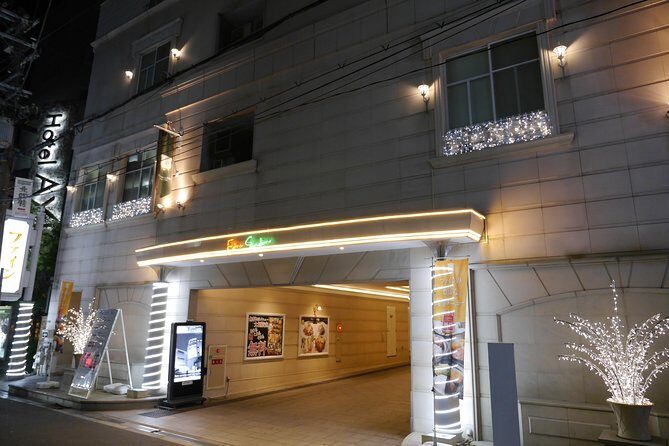
A tour like this lives or dies by the host. The reviews make one thing clear: guides can change the whole emotional temperature of the night.
Kevin is highlighted as impassioned and fun, but also very knowledgeable in a way that feels practical. More importantly, his style isn’t rigid. People describe it as feeling like a group of friends walking with a shared interest.
That matters in LGBTQ+ nightlife because comfort is not a small detail. If you feel awkward, you’ll spend energy managing that instead of enjoying the city. A good guide helps you ask the right questions and spot the right doors.
It also helps with movement. Osaka has lots of exits and confusing station routing, especially under pressure. When the guide makes it easy to find the start point, you spend less time stressed and more time exploring.
Practical tips for your 6:30 pm start
This is a nighttime tour, and planning ahead pays off.
- Wear comfortable shoes. Shinsekai and Doyamacho both reward walking, and you’ll spend real time on your feet.
- Plan for bar culture. The minimum age is 20, and Japan’s legal drinking age is 20, so the included drinks are part of the format.
- Bring an open mind, not a checklist. The tour’s design is to help you understand the scene, not to hit every venue.
- Keep your expectations realistic. It’s about three hours, so you’ll get an introduction, then the guide points you onward. If you want a late-night party itinerary, you’ll likely add your own plans afterward.
- Get ready for weather dependency. The experience requires good weather. If it gets canceled due to poor conditions, you should be offered a different date or a full refund.
Also, if you’re sensitive to crowds, go slower mentally. Shinsekai in particular can feel busy, and you’ll be in a group at night. That’s normal for Osaka nightlife, but it’s worth planning for.
Who should book this tour (and who might want a different option)
This tour fits best if you want:
- A first introduction to LGBTQ+ Osaka beyond the usual one-neighborhood approach
- A guide to handle the “translation” layer: context, behavior, and navigating choices
- Included food and drinks so you don’t spend the night budgeting in real time
It may be less ideal if you:
- Prefer daytime sightseeing or want a quieter pace
- Don’t want alcohol in the itinerary
- Want a deeper, all-day history experience rather than a guided evening overview
Should you book it?
I think you should book if you want an efficient, respectful way to see how LGBTQ+ life in Osaka connects past and present. The best part is the balance: Shinsekai gives you the context, and Doyamacho gives you the social reality, with a dinner and bar drink that make it feel like a complete night plan.
If you’re the kind of traveler who values comfort and clarity in nightlife, this is a strong pick. And if Kevin’s hosting style is your thing—friendly, practical, and supportive—you’ll likely feel right at home quickly.
FAQ
What’s the meeting point and start time?
The tour starts at Dobutsuen-Mae Station with a nearby address listed at 1-chōme-6-12 Taishi, Nishinari Ward, Osaka. The start time is 6:30 pm.
How long is the tour?
The tour lasts about 3 hours total.
What’s included in the price?
You get a light dinner and two drinks total (one at a local restaurant and one at an LGBTQ-oriented bar), plus transit between the two areas during the tour.
What’s the age requirement?
The minimum age is 20, and the tour notes that Japan’s legal drinking age is 20.
Is it a private tour?
Yes. It’s listed as a private tour/activity, meaning only your group participates.
Does the tour depend on weather?
The experience requires good weather. If it’s canceled due to poor weather, you’ll be offered a different date or a full refund.
If you want, tell me your travel month and whether you prefer quieter bars or more dance-club energy, and I’ll help you choose what to do after the tour ends in Doyamacho.