REVIEW · OSAKA
【Family Friendly】Traditional Mochi Pounding Experience
Book on Viator →Operated by Theosaka · Bookable on Viator
Mochi pounding in Osaka turns dinner into a hands-on story. This traditional mochitsuki experience walks you through the meaning of mochi, then lets you steam glutinous rice and pound it into chewy rice cakes. Afterward, you eat what you made with classic toppings like kinako, red bean paste, nori, and sweet soy sauce, plus tea.
I like that it’s genuinely family-friendly—children under 13 can join—and the instructors keep things patient and clear. I also like the pacing: a short history talk, then you’re working, tasting, and moving on while your Osaka day is still intact. One consideration: mochi is sticky and chewy, so elderly folks should take small bites, and the activity can depend on good weather.
In This Review
- Key things to know before you go
- Why Osaka Mochi Pounding Feels Like the Right Kind of Activity
- The First 10 Minutes: History You Can Actually Use
- Steaming the Glutinous Rice: Where the Class Builds Its Magic
- Mortar and Pestle Time: The Part That Gets Everyone Laughing
- Eating Your Mochi With Tea and Classic Toppings
- Price and Time: Is $32.29 Worth It in Osaka?
- Getting There: Dotonbori Makes This Easy
- Who This Mochi Pounding Experience Fits Best
- Weather and Comfort: The Small Things That Matter
- Should You Book This Osaka Mochi Pounding Experience?
- FAQ
- How long does the mochi pounding experience last?
- How much does the experience cost?
- Is it suitable for children?
- What languages are offered during the activity?
- What do you do during the experience?
- What flavors or toppings will you get?
- How many people are in a group?
- Where is the meeting point, and does it end nearby?
- Can vegans or vegetarians participate?
Key things to know before you go
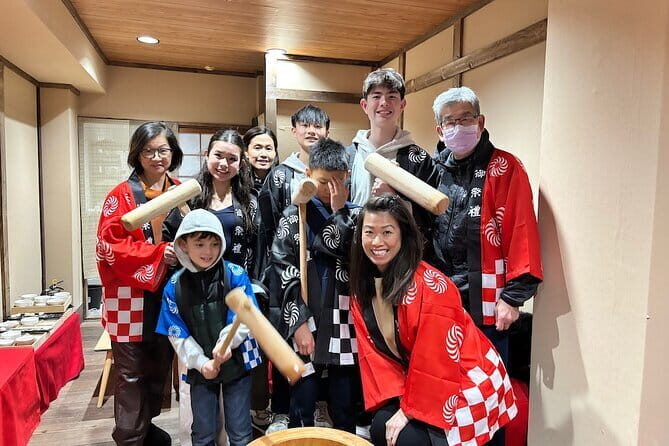
- Small group (max 10): You get room to participate instead of watching from the sidelines.
- Short, focused history: About a 10-minute talk sets the cultural context before you start pounding.
- Real tools, real technique: You use a mortar and pestle the traditional way.
- Hands-on steaming step: You’re not only pounding; you also take part in the steaming process.
- Tea plus topping tasting: You eat your mochi right away with multiple classic seasonings.
- English and Chinese support: English is available, and Chinese is provided via slides or interpretation.
Why Osaka Mochi Pounding Feels Like the Right Kind of Activity
If you want an Osaka experience that’s more than standing in line, mochi pounding is a strong choice. You get a clear role—steam, pound, shape, then taste—so the time flies. It also has a built-in rhythm that families like: chanting, teamwork, and that satisfying moment when the dough turns from rice into something you can actually eat.
For most people, the best part is the payoff. You don’t just learn about mochi; you create it. And when you sit down with tea after pounding, it feels like a proper break, not a hurried snack between sightseeing stops.
I also appreciate the practical structure. This is about an hour total, and it’s designed to be doable even if you’re also planning Dotonbori wandering, shopping, or a night out. The meeting point puts you in a convenient area so you can keep your day moving after the class ends.
You can also read our reviews of more tours and experiences in Osaka.



The First 10 Minutes: History You Can Actually Use
You start with a short talk—about 10 minutes—on the history and cultural significance of mochi pounding. This isn’t long lecture time. It’s the kind of context that helps you understand why people do this during celebrations and seasonal moments, and why the pounding tradition matters in Japanese food culture.
You’ll likely hear the basics in a way that connects directly to what you’re about to do. That matters because mochi pounding is physical. If you only think of it as a cooking class, you might miss the point of the rhythm and teamwork.
Language support is a plus for mixed groups. English is available, and Chinese is supported through slides or interpretation, so families don’t feel left out halfway through.
Steaming the Glutinous Rice: Where the Class Builds Its Magic
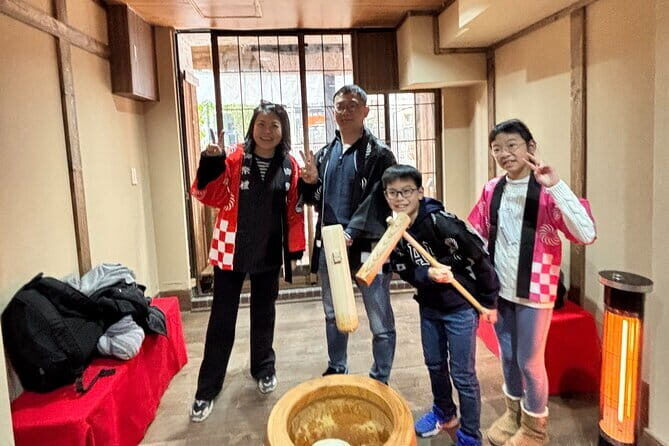
Next comes the hands-on work, starting with the steaming of glutinous rice. This step is important because mochi dough starts with the right texture. When you participate in the steaming process, you’re not just following instructions—you’re helping create the conditions for that stretchy, chewy result everyone wants.
Even if you’re not a confident kitchen person, don’t worry. The instructors teach patiently, and the process is set up for first-timers. You’ll be guided through what to do and when to do it, so you can focus on the feel of the rice and the steps in order.
This is also a good moment for kids and elders to settle in. It’s active, but not as physically intense as the pounding part. It’s a nice on-ramp to a class that gets more hands-on as it goes.
Mortar and Pestle Time: The Part That Gets Everyone Laughing

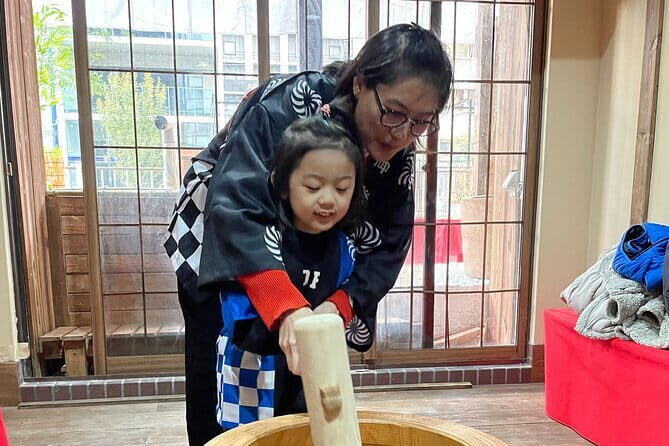
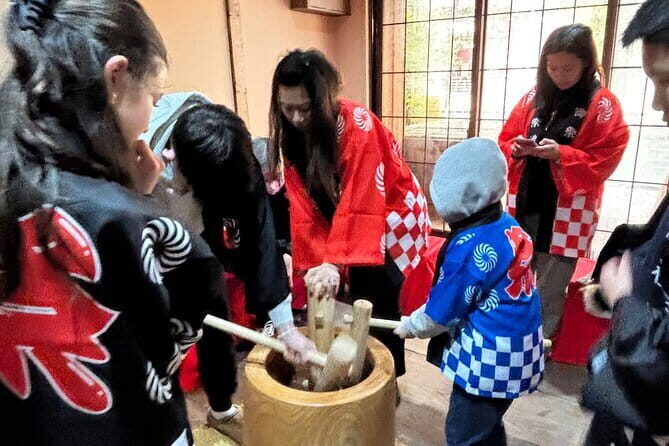
Then you move to the traditional tools: a mortar and pestle. This is where the whole experience earns its reputation. You’ll pound and shape the mochi dough with the group, and you’ll likely do the classic shout-along while working—often yo shoi—which turns “cooking” into a shared moment.
Because the group size is capped at 10 travelers, it’s easier to stay engaged. You’re less likely to spend the whole time waiting for your turn. That smaller setup is one of the real value points here, especially if you’re traveling as a family or with grandparents.
A practical note: pounding is sticky-work. Your hands will get into the texture of the rice dough. I’d go with flexible clothing that you don’t mind getting a little warm or messy. It’s not a messy disaster, but it’s hands-on in the real sense.
Eating Your Mochi With Tea and Classic Toppings
After the work, you get to taste the fruits of your labor. The experience finishes with freshly made mochi in both plain form and topped with traditional options. The plan includes kinako (roasted soybean powder), sweet red bean paste, nori, and sweet soy sauce—served alongside tea.
That tasting format is smart. Mochi can be surprisingly filling when you’re chewing something chewy and warm. Having multiple topping styles helps you find your favorite without committing to just one flavor the whole time.
The servings can feel generous. Some experiences like this keep it minimal, but here the vibe is that you’ll get enough mochi to really enjoy what you made. And because the toppings cover different flavor directions—nutty, sweet, savory seaweed, and sweet-salty—you get a more complete mochi introduction than a single sample plate.
One consideration for elderly folks: mochi can be hard to manage if you take it too fast. If you’re bringing seniors, stick to small portions and slow bites.




Price and Time: Is $32.29 Worth It in Osaka?
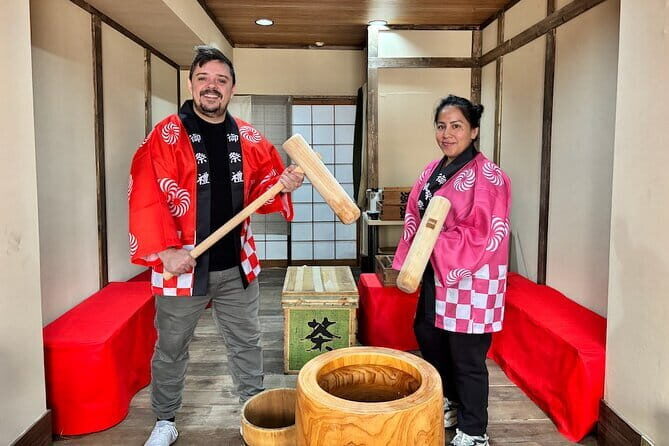
At $32.29 per person, this is not a casual coffee-and-snack activity. But it also isn’t just a tasting. You’re paying for instruction, traditional tools, a structured cooking process, and a sit-down tea-and-taste finale.
The value improves when you factor in what you actually do. You spend time on steaming and pounding, not only watching. That hands-on part is the big differentiator versus simple street-food tastings around Dotonbori.
Timing is also a key factor. The duration is about 1 hour (and it can run even around the 45–60 minute zone depending on how things flow). That means you can fit it into a day without turning your schedule into a stress test.
For families, it’s especially good value because kids usually don’t want to stand still. Here, they get an active job. For food lovers, it’s a way to try mochi at its best—fresh, warm, and textured correctly—rather than guessing what the mochi counter will be like later.
Getting There: Dotonbori Makes This Easy
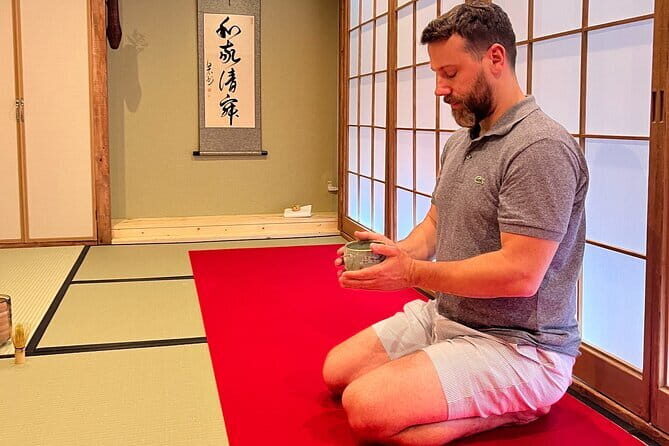
You meet at Mochi Pounding Experience Osaka “Oh Mochi,” located at 2-chōme-4-11 Dōtonbori, Chuo Ward, Osaka. The activity ends back at the same meeting point, so you don’t need to plan a second transit step right after your meal.
This location is handy if you’re already planning to explore Dotonbori. You can do mochi pounding earlier in the day, then walk it off with street food browsing, canalside views, and neon-lit detours. (And since the class ends where it starts, you won’t be dealing with a “where do we go next?” scramble.)
Public transportation is close by, which helps if you’re bouncing between neighborhoods. You’ll still want to arrive a few minutes early so the group can start together.
Who This Mochi Pounding Experience Fits Best

This is a great fit for families, foodies, and anyone who wants a short, meaningful culture-and-cooking combo.
It’s family-friendly, and children under 13 can join. Adults-only can also take part, so you don’t have to worry about it being only for families. The class format works across ages because the steps are guided and the group is small.
If you’re coming with kids, expect a lot of interaction. The pounding part is fun, the shout-along adds energy, and the tasting gives a reward right after effort. For adults, the appeal is the craft: using traditional tools and learning why mochi pounding has its own pace and communal feel.
Dietary needs are also addressed. The experience notes accommodations for vegans and vegetarians, so you can join without feeling like you’re stuck on the edge of the meal. That said, if you have strict needs, it’s smart to double-check what toppings will work for you when you book.
Weather and Comfort: The Small Things That Matter
This activity requires good weather. That’s not unique for Osaka, but it’s worth taking seriously—especially if you’re traveling in rainy months or during typhoon season. If weather cancels it, you’ll be offered another date or a full refund.
Comfort-wise, the main issue is mochi texture. It’s sticky and chewy, and slower eating matters. For elderly participants, small bites help prevent choking risk.
Beyond that, you’re looking at a short cooking experience, so the comfort needs are basic: wear something you can move in and handle warm indoor steps without fuss.
Should You Book This Osaka Mochi Pounding Experience?
I think this is a strong booking if you want one of those Osaka activities that feels real, not staged. You get tradition plus doing, not just watching. The small group size, patient instruction, and tea-and-toppings finish make it a well-rounded hour.
You might skip it if you’re only hunting for low-effort sightseeing snacks or you dislike hands-on food prep. Also consider your party’s needs: mochi is chewy, so if you have someone who struggles with texture, plan for small bites.
If you’re visiting with kids, it’s hard to beat. You’ll probably leave with photos, full stomachs, and a new respect for how much work goes into what looks simple on a plate.
FAQ
How long does the mochi pounding experience last?
It lasts about 1 hour.
How much does the experience cost?
The price is $32.29 per person.
Is it suitable for children?
Yes. The experience is available for children under 13, and it’s also open to adults-only groups.
What languages are offered during the activity?
English is available, and Chinese is provided through slides or interpretation.
What do you do during the experience?
You learn about the history of mochi pounding, participate in steaming glutinous rice, use traditional tools to pound the steamed rice into mochi, and then taste freshly made mochi.
What flavors or toppings will you get?
You’ll enjoy mochi in plain form and with classic toppings including kinako, sweet red bean paste, nori, and sweet soy sauce, served with tea.
How many people are in a group?
There is a maximum of 10 travelers.
Where is the meeting point, and does it end nearby?
You meet at Mochi Pounding Experience Osaka Oh Mochi at 2-chōme-4-11 Dōtonbori, Chuo Ward, Osaka, 542-0071, Japan, and the activity ends back at the same meeting point.
Can vegans or vegetarians participate?
Yes. The experience notes it accommodates vegans and vegetarians.