REVIEW · OSAKA
Osaka: LGBTQ+ Tour with Dinner and Drinks
Book on GetYourGuide →Operated by Pinpoint Traveler · Bookable on GetYourGuide
Osaka has a queer side few notice. This 3-hour evening tour takes you through two very different neighborhoods, with a local guide explaining how LGBTQ life in Osaka has shifted from secrecy to something more visible. You also get dinner and two drinks, so the night feels social, not like a lecture.
I love the way the tour pairs context with street-level reality. Two highlights for me are the guided walk through Shin-sekai (where you learn about the older, less obvious LGBTQ world) and the bar-focused time in Doyama, where you can see how different venues shape different kinds of nights.
One thing to think about: the tour is 18+ and includes alcohol (two drinks), plus commentary that may not suit pre-teens. If you want something kid-friendly or strictly alcohol-free, this probably won’t fit.
In This Review
- Key points to know before you go
- Osaka’s LGBTQ trail: why this 3-hour route works
- Starting at Dobutsuen-Mae Station: meet your guide and get oriented
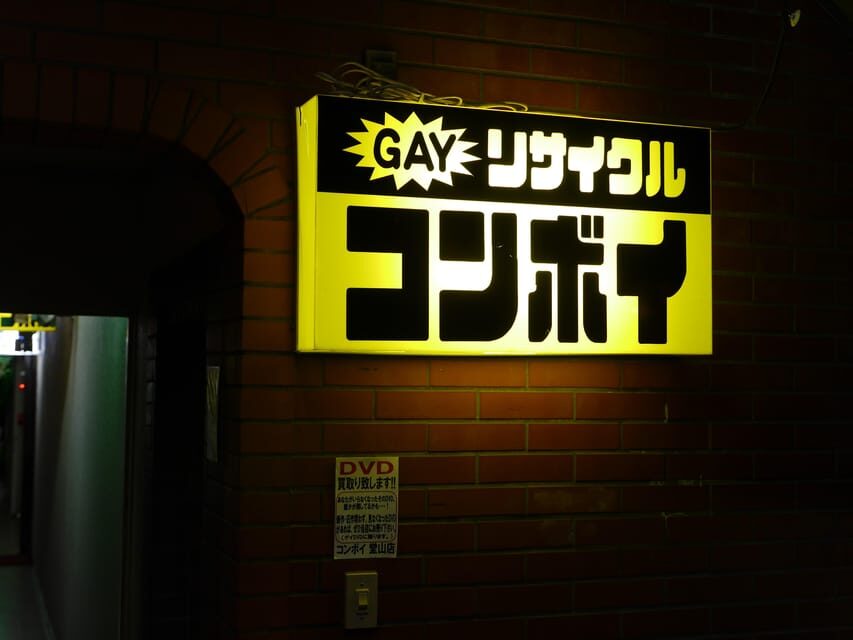
- Shin-sekai: secret bars, coded life, and the feeling of being in the know
- Doyama district: rainbow cues, bar clusters, and your two included drinks
- Dinner in Shin-sekai: a light meal that keeps the night moving
- LGBTQ+ history in Osaka: what the guide ties together
- Price and value: why $95 can feel fair for this setup
- Practical tips so the evening feels smooth
- Who should book this Osaka LGBTQ+ dinner-and-drinks tour?
- Should you book this Osaka LGBTQ+ Tour with Dinner and Drinks?
- FAQ
- Where does the tour start?
- How long is the Osaka LGBTQ+ tour?
- Is the guide English-speaking?
- What’s included in the $95 price?
- What age do you need to be to join?
- What is the legal drinking age in Japan mentioned for the tour?
- Is there free cancellation?
Key points to know before you go
- Small group (up to 8) keeps things personal, so you can ask questions without feeling rushed
- English-speaking guide shares street details and real neighborhood cues you’d miss on your own
- Shin-sekai to Doyama gives you a clear before-and-after picture of Osaka’s LGBTQ scene
- Dinner plus two drinks makes the price feel more like a night out than just a walking tour
- Bar niches mean you can get suggestions matched to your vibe (including foreign-friendly spots)
- Wheelchair accessible and based around a fixed starting point with a clear walking route
Osaka’s LGBTQ trail: why this 3-hour route works
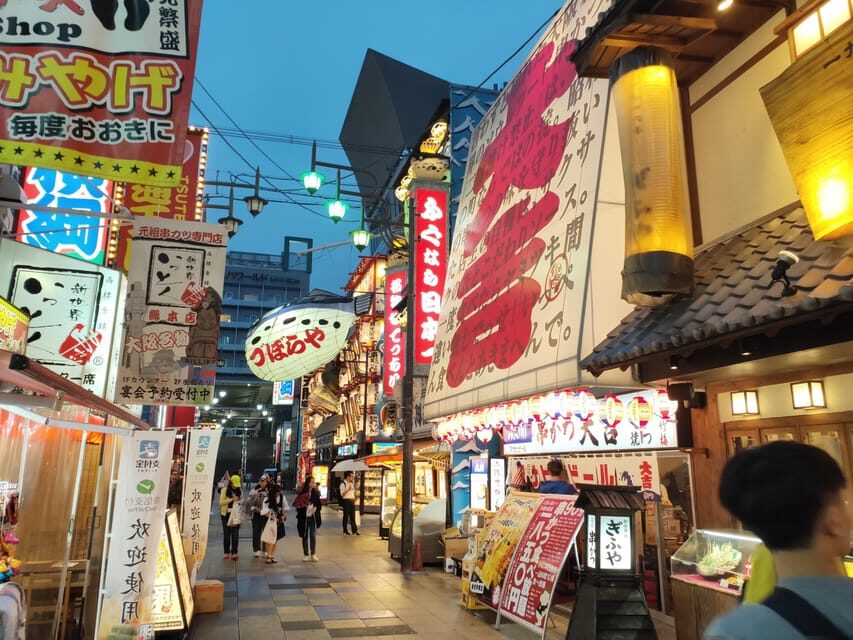
This isn’t the kind of tour that just points at rainbow stickers and calls it a day. What I like about this one is the structure: you start where LGBTQ activity was easier to miss, then you end in an area where it’s more openly part of the nightlife map. That shift helps you understand Osaka as a living place, not a single snapshot.
In three hours, you cover enough ground to learn, eat, and have a drink without feeling like you need to manage your whole evening. You’ll also get guided navigation that’s practical. Osaka is full of tiny streets and compact bar clusters, and even when you know what you’re looking for, it helps to have someone else reading the room with you.
And yes, it’s social. The tour ends with a drink in Doyama, and the day-to-night pacing feels like a normal evening with a plan. That’s a big part of why this works for first-timers.
You can also read our reviews of more tours and experiences in Osaka
Starting at Dobutsuen-Mae Station: meet your guide and get oriented
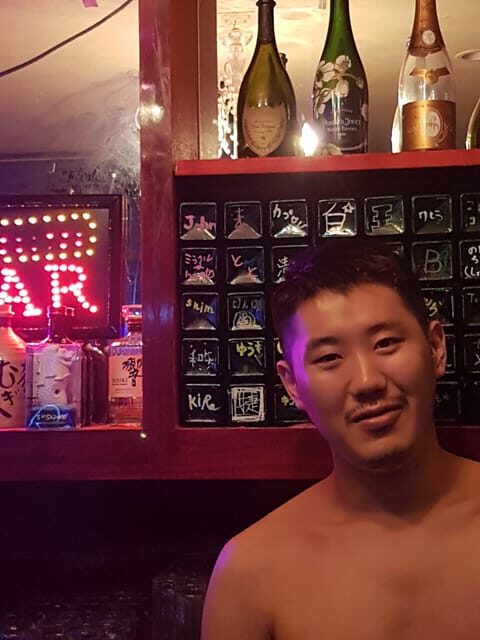
Your tour meets at Dobutsuen-Mae Station. That matters because you’re not dealing with a vague street corner—your evening starts with a clear point and a guide who can pull the group into the right rhythm.
Once you’re together, the guide sets the tone quickly: where you’re going, what to watch for, and how to think about what you’ll see. In the reviews, people highlight that guide style specifically—Kevin, for example, is described as funny, friendly, and packed with insight. When a guide blends warmth with sharp details, you end up remembering the small stuff too: the vibe, the signage, the way neighborhoods shift around nightlife.
Also, come with comfortable shoes. This is a walking evening, including indoor and outdoor parts, and the route moves across two districts.
Shin-sekai: secret bars, coded life, and the feeling of being in the know
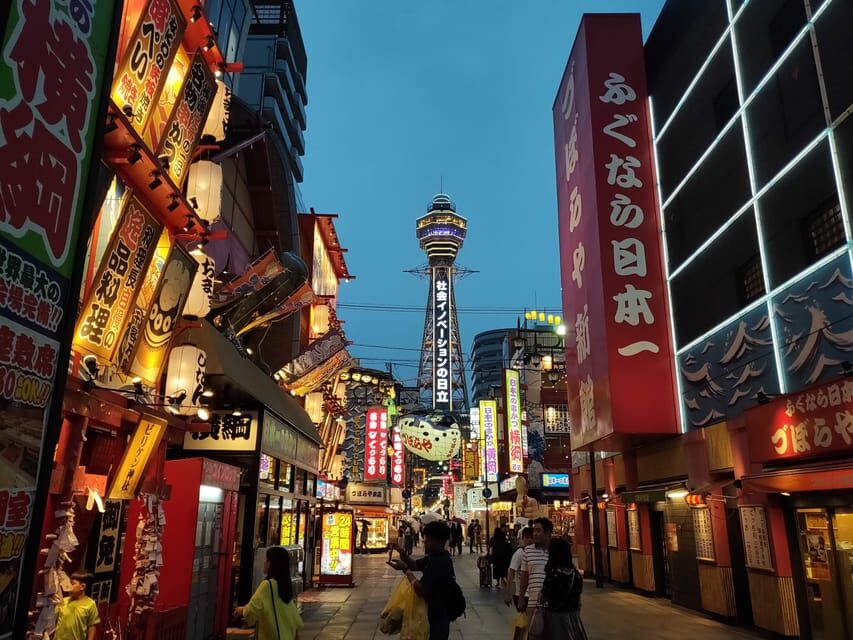
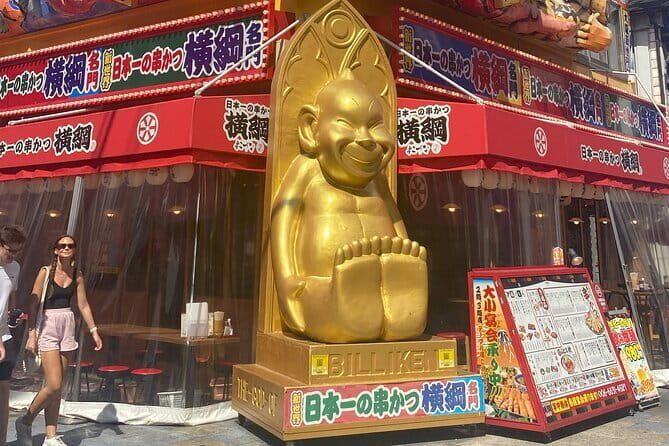
You begin in Shin-sekai, a neighborhood with strong Osaka soul food energy—and, for a long time, strong “you’d never know unless you knew” energy for LGBTQ life too. The tour’s approach here is smart: you’re not only learning history, you’re learning how history can hide in plain sight.
You’ll hear about older patterns, like men living separate lives and the existence of semi-secret gay saunas. That wording is important. It helps you understand how LGBTQ people could exist while still managing safety, privacy, and social pressure. It also changes the way you look at a neighborhood. Instead of asking, where are the bars?, you start asking, how did people adapt to their surroundings?
The tour includes guided sightseeing for about one hour in Shin-sekai. That gives you time to register details as you walk rather than rushing past everything. Even if you don’t consider yourself a nightlife person, this part is valuable because it teaches you the language of a place: what feels casual, what feels coded, and what only becomes obvious when someone points it out.
Doyama district: rainbow cues, bar clusters, and your two included drinks
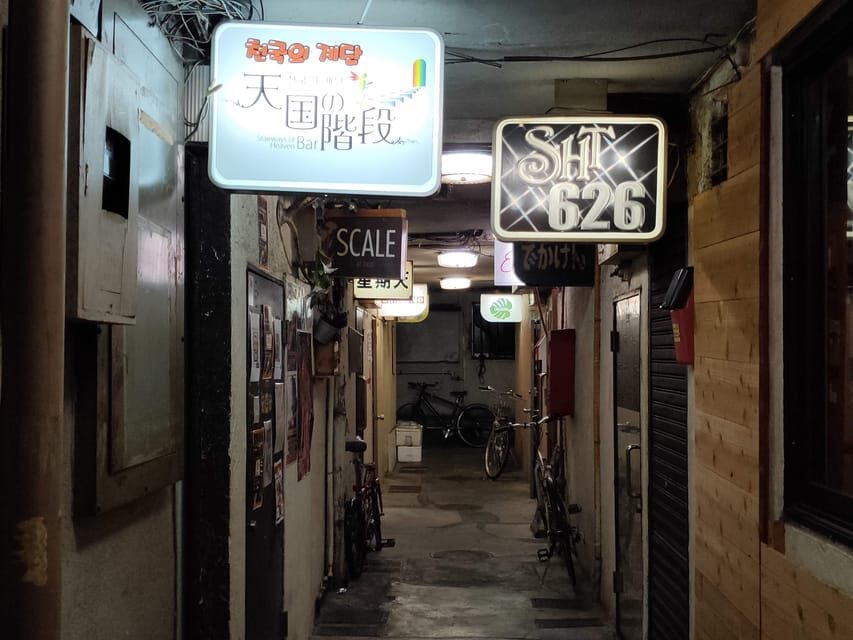
After Shin-sekai, you shift to Doyama, described as Osaka’s largest and best-known gay district. The difference between these two neighborhoods is part of the lesson. In Shin-sekai, LGBTQ life was easier to miss. In Doyama, you can see rainbow flags and other signs that are far more direct.
Your time in Doyama also comes with guided walking and sightseeing for about one hour. The guide helps you notice what you might otherwise overlook: the fact that even when Doyama shares space with the straight world, some buildings hold dozens of gay or lesbian bars in one place. That kind of vertical nightlife is exactly the sort of thing you’d struggle to locate without help.
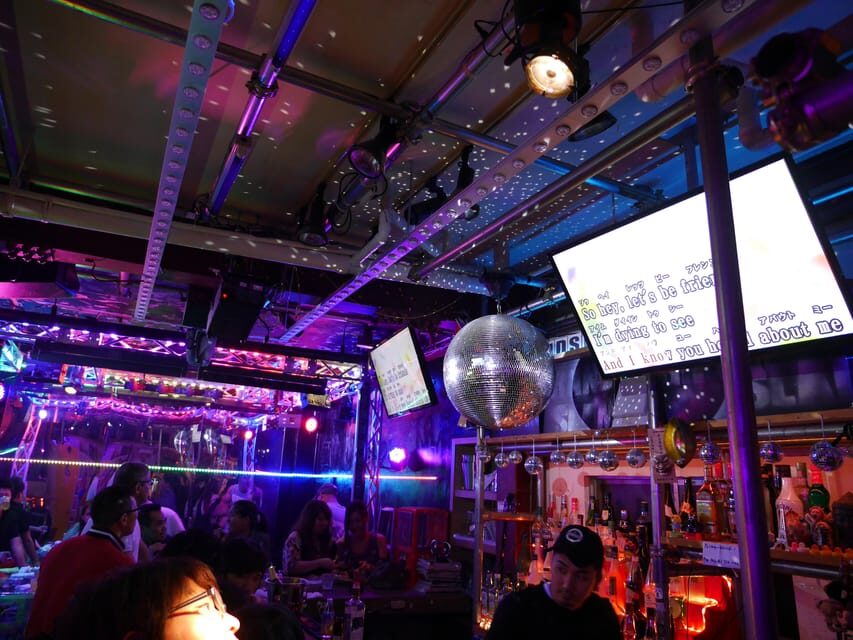
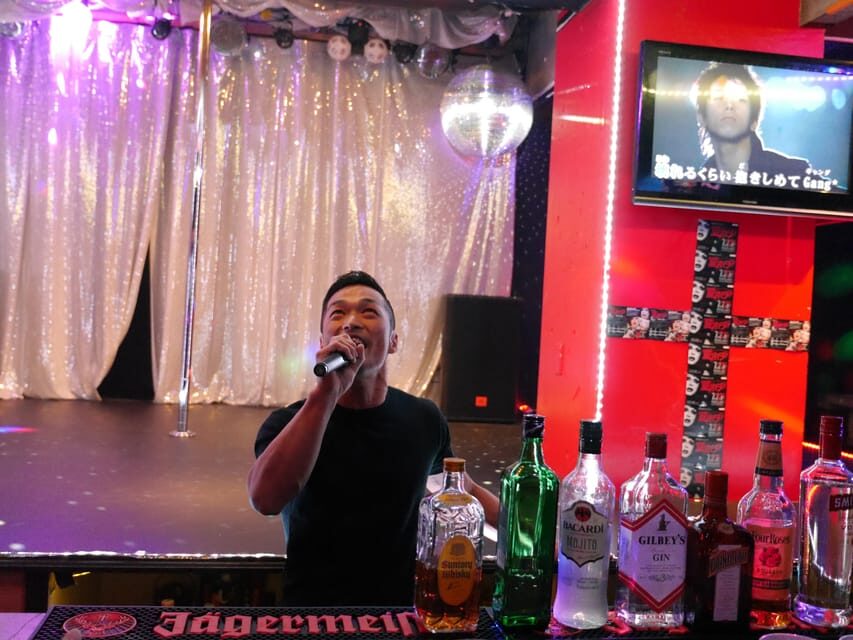
Then comes the payoff: you’ll drop into one of your preferred bars for two included drinks across the tour. Most of the venues are small, and they often have a clear niche. The guide can match suggestions to what you’re curious about—bear bars, twinks, athlete-focused places, daddies, and even some bars that attract a larger foreign clientele alongside Japanese people who want to meet foreigners.
This is where you stop thinking of the tour as sightseeing and start thinking of it as access. The evening doesn’t just tell you where to go. It helps you understand what kind of night each bar tends to offer, and it gives you a smoother transition from walking to hanging out.
Dinner in Shin-sekai: a light meal that keeps the night moving
You’ll have dinner in the Shin-sekai area. It’s described as a light meal, and that’s a practical choice for a 3-hour plan. You want enough food to enjoy drinks without getting weighed down.
Shin-sekai is also a smart starting choice for dinner because it’s known for Osaka soul food. Even if you’ve eaten a lot in Japan already, the meal here feels like part of the neighborhood experience rather than a pre-planned token meal. It’s the kind of stop that helps the group settle in and makes the tour feel like you’re out with friends, not marching as a class.
If you tend to skip meals and rely on snacks, plan to actually eat here. The tour includes alcohol-related content and drinks, so keeping your energy stable makes the evening more comfortable.
You can also read our reviews of more tours and experiences in Osaka

LGBTQ+ history in Osaka: what the guide ties together
One reason this tour earns strong marks in reviews is how it blends story with real places. The guide isn’t just listing dates; the tour helps you understand why LGBTQ communities formed, how they survived, and how visibility changed over time.
In Shin-sekai, the story focuses on secrecy and semi-secret spaces—secret bars, codes, and the everyday reality of people leading “double lives.” In Doyama, the focus shifts to more visible community spaces, where signage and clustering make it easier to find each other.
That before-and-after framing is useful for you as a visitor. It gives you a reason to care about what you’re seeing. Instead of thinking of signage as decoration, you understand it as communication. Instead of treating a nightlife district as just entertainment, you see it as social infrastructure.
And if you’re going into the evening with basic curiosity, that’s enough. The guide’s job is to connect dots, and from the reviews, Kevin’s style lands well: funny, friendly, and full of insights people actually remember later.
Price and value: why $95 can feel fair for this setup
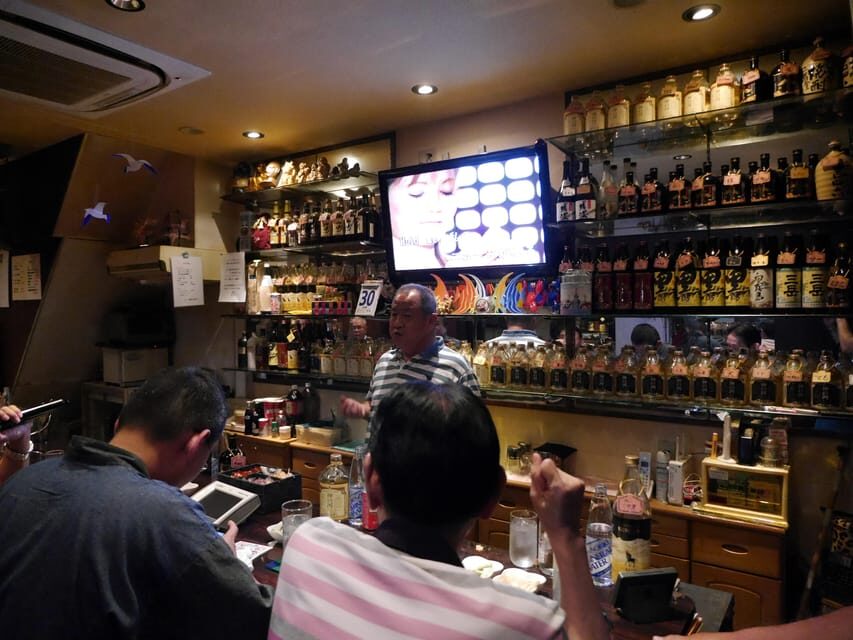
The price is $95 per person for a 3-hour group experience. On paper, that can sound like a lot—until you break down what’s included.
You’re getting:
- A guided walking tour of LGBTQ districts in Osaka
- Dinner
- Two drinks
- Time in Shin-sekai and Doyama with guidance, not just a route
When a tour includes food and drinks, it changes the math. You’re not paying only for movement and commentary. You’re also buying a guided entry into bar areas, plus someone translating what you’d likely miss if you were trying to figure things out alone.
Small groups also affect value. With up to 8 participants, it’s easier for the guide to keep things interactive, and it’s less awkward when you’re asking questions in nightlife environments.
This tour also has a built-in “usefulness” advantage: it helps you avoid the guesswork. In districts where venues are tucked into buildings and niches are real, a local guide can be worth a lot.
Practical tips so the evening feels smooth
A few straightforward things can make a big difference.
First, arrive a bit early. The tour notes that they can’t wait for late-comers, so don’t treat the start time like a suggestion. Second, dress for both indoor and outdoor time. Osaka nights can shift, and you’ll be out walking as well as stepping into bars.
Third, be ready for LGBTQ-focused commentary. It’s not described as overtly risque, but it may not be suitable for pre-teens, so choose the right audience. The tour is also English guided.
Finally, expect that bar environments are small and niche-driven. That doesn’t mean you need to be an expert on scene categories; it just means you’ll get better suggestions when you’re honest about your vibe.
Who should book this Osaka LGBTQ+ dinner-and-drinks tour?
This tour is a great fit if you want three things at once: context, access, and a fun evening.
You’ll probably love it if:
- You’re LGBTQ or LGBTQ-curious and want a guided look at how communities evolved
- You like nightlife, but you don’t want to guess your way through unfamiliar bar layouts
- You want a dinner-and-drinks plan that doesn’t require extra legwork
It might not be for you if:
- You’re under 18 (participants must be 18+)
- You want a strictly alcohol-free tour (two drinks are included)
- You’re traveling with kids who need a totally neutral, child-friendly environment
One more practical note: the legal drinking age in Japan is 20, and the tour requires 18+ participation. So if you’re 18 or 19, you’ll want to plan carefully around how drinking is handled for the tour you book.
Should you book this Osaka LGBTQ+ Tour with Dinner and Drinks?
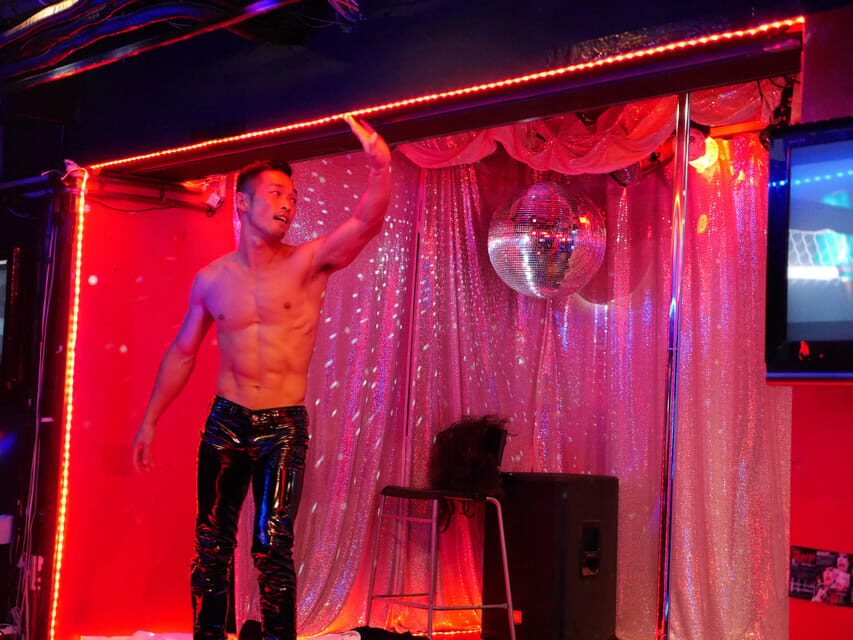
If you want an evening that’s equal parts history and street-level fun, I’d book it. The strongest reason is the combination of guided neighborhood learning plus a payoff moment in Doyama, where the guide’s suggestions can help you find the right kind of bar without the awkward trial-and-error.
It also helps that the guide experience seems consistent in reviews. People specifically call out Kevin as funny, friendly, and full of insight, and that kind of hosting matters a lot when you’re touring LGBTQ spaces. You’ll feel less like you’re observing and more like you’re being shown around.
My main advice before you decide: be sure you’re comfortable with 18+ content, and be realistic about the two included drinks and the bar setting. If that fits your idea of a good night in Osaka, this is a smart, high-value way to understand the city’s LGBTQ story while having a drink in the middle of it.
FAQ
Where does the tour start?
The tour starts at Dobutsuen-Mae Station.
How long is the Osaka LGBTQ+ tour?
It lasts about 3 hours.
Is the guide English-speaking?
Yes. The live tour guide speaks English.
What’s included in the $95 price?
The price includes guided tour of LGBTQ+ districts in Osaka, dinner, and two drinks, plus a visit to Doyama.
What age do you need to be to join?
All participants must be 18+.
What is the legal drinking age in Japan mentioned for the tour?
Japan’s legal drinking age is 20.
Is there free cancellation?
Yes. You can cancel up to 24 hours in advance for a full refund.