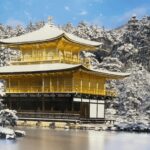
Osaka’s best bites happen after dark. This chef-guided food night in small-group size (max 6) strings together local standing bars, yakitori, a 105-year-old izakaya house, and a quiet design-forward drink stop. You’ll work through 13 Japanese tapas with included drink options while learning the food story and how to order like a regular.
I especially like two things here: the small group format and the fact the guide is a former chef who explains what you’re eating and why it matters in Osaka. The pacing is built for wandering and chatting, not cramming, and the stops are the kind of places you’re less likely to find on your own without a pro steering you.
One consideration: a few venues may have indoor smoking, and some seating in older houses is floor-based, which may be tough if you have knee or back issues.
In This Review
- Key things that make Escape Dotonbori worth your time
- A chef-led Osaka dinner route that feels like a local night
- Stop 1: TachiNomi Meganedo standing bar start (5 bites + 1 drink)
- Stop 2: Yakitori in Karahori Shopping Street (grilled chicken focus)
- Stop 3: Karahori-Momodani Park old-house izakaya (3 dishes + drink flexibility)
- Stop 4: Uemachi hidden bar with pay-on-site drinks (quiet + design-focused)
- 13 tastings + included drinks: what the value really looks like
- How a former chef guide improves what you taste and order
- Osaka drink culture: sake, shochu, umeshu, and chu-hi
- Pacing, comfort, and how to prep for the evening
- Who this tour is best for (and who should skip it)
- Should you book Escape Dotonbori?
- FAQ
- How long is the Escape Dotonbori tour?
- Where does the tour start, and when?
- How many people are in the group?
- How much does the tour cost?
- What food and drinks are included?
- Are there extra food or drinks you have to pay for?
- Is the tour good for people with dietary restrictions or allergies?
- What’s the drinking age policy?
- Is smoking allowed during the tour?
- Is floor seating involved?
Key things that make Escape Dotonbori worth your time
- Former chef guide, hands-on ordering help so you’re not just translating menus
- Small group up to 6, which means smaller rooms and more personal attention
- 13 tastings across very different Osaka styles: tachinomiya, yakitori, and an old-house izakaya
- Drinks are part of the flow, with included options like sake, shochu, umeshu, chu-hi, or soft drinks
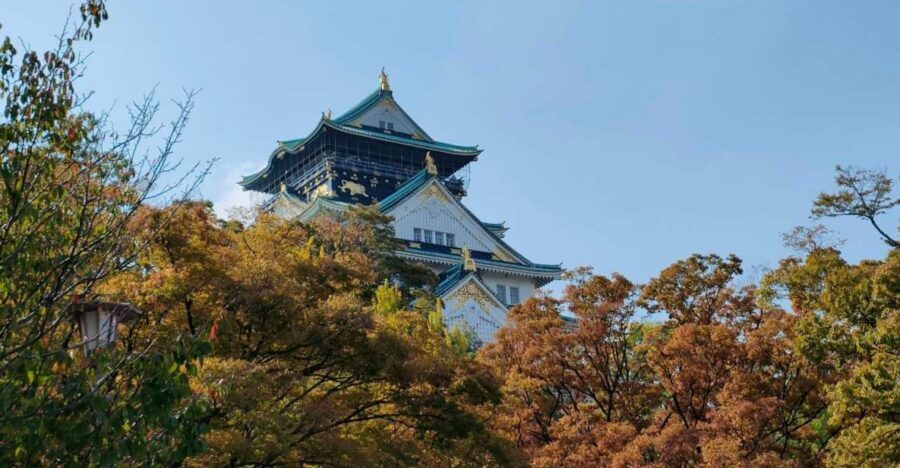
- A quieter Osaka-area feel (near Osaka Castle) instead of only the busiest tourist lanes
A chef-led Osaka dinner route that feels like a local night
This is the kind of tour that works best when you want food over photos. The evening starts at 5:30 pm and runs about 3 hours 30 minutes, ending back where you meet. That matters because you’re not trying to manage transfers or timing while hungry.
The big idea is simple: you follow a chef guide to places they’d take friends. Instead of hitting only the obvious big-name spots, you move through small venues where the food is the point and the atmosphere is part of the meal. Reviews and the structure of the stops point to a quieter pocket near Osaka Castle, which is a nice change if you’ve already spent daytime dodging crowds.
And yes, you’ll be eating. The plan centers on 13 Japanese tapas spread across multiple stops, in an omakase-style flow chosen by the chef guide.
You can also read our reviews of more tours and experiences in Osaka.

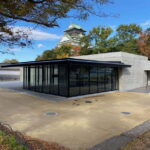

Stop 1: TachiNomi Meganedo standing bar start (5 bites + 1 drink)
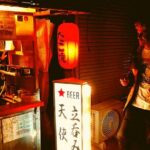
You begin at TachiNomi Meganedo (a tachinomiya, or standing bar) in the Tanimachi area. This is a classic Osaka move: start casual, start fast, and get into the rhythm right away.
At this first stop, the tour includes 5 small dishes and 1 drink. Expect a modern-but-local feeling: close quarters, quick service, and a menu built for sharing and sampling rather than sitting down for a long course. Because you’re standing, the pace is naturally energetic. It’s also a good warm-up if you’re new to Japanese bar culture.
Practical note: if you want to take it slow, standing for a while might feel like a “starter tax.” The good news is the stop is set for about 50 minutes, not an hour-and-a-half ordeal.
Stop 2: Yakitori in Karahori Shopping Street (grilled chicken focus)
Next you head into Karahori Shopping Street for a yakitori restaurant that stays open late. Yakitori is one of Osaka’s signature comfort foods, and it’s also very teachable: grilled chicken lets a chef explain seasoning choices, doneness, and how different cuts behave on the grill.
This stop is about 50 minutes and includes 5 food items plus 1 drink. The structure here is similar to the start—small items and a drink—so you keep momentum instead of waiting through long table service.
What I like for you here is the contrast. After the standing bar, you get another bar-style meal type, but in a slightly more seated restaurant format with a different “food language.” You’ll likely get a better sense of Osaka’s range: quick bites in one spot, then flame-grilled chicken as the centerpiece.
Stop 3: Karahori-Momodani Park old-house izakaya (3 dishes + drink flexibility)
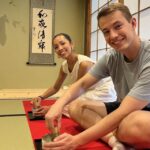
Then the tour takes a step back in time at Karahori-Momodani Park, where you’ll dine at an old-house izakaya in a 105-year-old house. The setting is a komin-ka style place (an older folk-house type), which changes the whole vibe. Low lighting, creaky history, and that cozy izakaya feeling where locals linger.
Here you’ll receive 3 included food items. The key difference at this stop: drinks are pay-on-site, meaning you can choose what you want based on what the chef and the room recommend. The experience also runs for about 1 hour, so this is the moment that feels most like an unhurried dinner break in the middle of the crawl.
One drawback to plan for: older houses often mean floor seating. If you have knee or back problems, this is where you’ll feel it most. If you’re sensitive to seating, it’s worth mentally packing an exit strategy—take breaks standing, and go slow with posture once you sit.
Stop 4: Uemachi hidden bar with pay-on-site drinks (quiet + design-focused)
The final stop goes to Uemachi at a hidden bar known for a quiet, cozy atmosphere and low lighting, with a strong focus on interior design. This is a smart ending. After the food-heavy middle, you get a calmer setting to slow your brain down and talk about what you just ate.
This stop is about 50 minutes and—importantly—drinks are pay-on-site. So even though the tour includes drinks earlier, you should still expect the chance to add on if you want another round (or try something the guide thinks matches a dish style).
If you’re the type who likes the last stop to be a “finish strong” moment, this is where you can do it. If you’re watching your alcohol intake, this is also the easier stop to keep light since the room is calmer and the tour structure won’t force you into one last included drink.
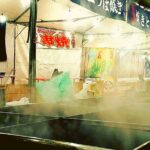
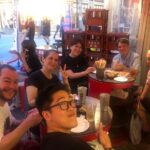

13 tastings + included drinks: what the value really looks like
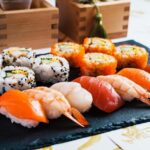
On paper, $151.54 per person for around 3.5 hours sounds straightforward. The better way to judge value is to look at what you get inside that time: 13 Japanese tapas chosen by a professional plus multiple drink options.
The included details list 4 drinks included (one at each venue). That’s a real plus, because drinks in Japan can add up fast, especially in bar settings where ordering is part of the culture. Also, the tour description frames it as 2 drinks in the overview. In practice, the included list is the clearer guide: plan for at least one included drink per stop and be ready for pay-on-site drink moments later depending on what’s served and how the venues handle extras.
Either way, the meals aren’t “one big dish.” You’re getting a sampling format, which is ideal for Osaka’s bar food scene. You’ll taste more styles in one evening than you’d likely manage with a solo dinner plan, especially if your goal is variety over a single specialty.
And there’s another value angle people often miss: ordering help. If you don’t know what to ask for, the best place can still feel intimidating. Having a chef guide who can steer you through the menu changes what you actually eat, not just how much you eat.
How a former chef guide improves what you taste and order
This isn’t a “point at the menu and good luck” experience. The tour is built around professional storytelling and technique—what you’re eating, how it’s prepared, and how that connects to Osaka’s food culture.
The name Keigoh shows up in guest feedback, and his role seems to match the setup: people highlight that he leads you to places you wouldn’t notice on your own, and he can handle ordering so you’re not stuck translating while you’re hungry. If you’ve ever tried to order yakitori without getting your language right, you know how helpful that is.
I also like that the tour is designed to be conversational. You’re encouraged to ask for local recommendations beyond the stops, which is where the real payoff shows up. One good food recommendation can turn an entire rest-of-trip dinner into something special.
Osaka drink culture: sake, shochu, umeshu, and chu-hi
This tour’s drink component is part of the education. The included drink options can include sake, shochu, umeshu, chu-hi, or soft drinks—depending on what’s available at each venue.
Even if you don’t consider yourself a big alcohol person, you still benefit. Japanese bar food is often built to pair with drinks, and learning the basic style differences gives you a framework for ordering elsewhere later. If you’re curious, you can ask your guide what you should try first. If you prefer non-alcoholic, the tour states that minor travelers below 20 will be served non-alcoholic drinks, so soft drink options are part of the plan too.
Important practical detail: the legal drinking age is 20 years old and above. If you’re traveling as a minor, plan for the non-alcoholic route with the guide from the start.
Pacing, comfort, and how to prep for the evening
The tour starts at 5:30 pm and ends back at the meeting point. That means you’ll want to treat it like your main dinner. If you snack heavily beforehand, the 13-tasting plan can feel like a food marathon instead of a fun sampler.
Also, plan your comfort:
- Some seating is floor seating in older houses, which may not suit knee or back problems.
- Some venues may allow indoor smoking, in line with local regulations.
Before you go, bring what you need for small extras. The tour recommends carrying around 5,000 JPY in cash for additional drinks or snacks. Extra orders are available at your own expense, and the last thing you want is to hit a pay-on-site bar with nothing ready.
The meeting point is 6-chōme-2-24 Tanimachi, Chuo Ward, Osaka, 542-0012, Japan. It’s near public transportation, which matters because your evening shouldn’t start with a navigation headache.
Who this tour is best for (and who should skip it)
This is a strong fit if you:
- Want a local-feeling Osaka food night in a smaller group (max 6)
- Like learning as you eat, especially from a chef guide
- Prefer sampling many bites over committing to one restaurant meal
- Enjoy yakitori and izakaya-style bar food
It may be less ideal if you:
- Are very sensitive to indoor smoking
- Have mobility limits that make floor seating hard
- Hate standing bar starts (the first stop is a tachinomiya where you’ll be standing for a chunk of time)
If you’re traveling solo, this setup can be a plus because the group is small enough for the guide to pay real attention. If you’re traveling with friends, it’s also easier to ask questions and keep the pace comfortable than on large bus-style tours.
Should you book Escape Dotonbori?
I’d book this tour if your priority is to eat a lot of Osaka flavors in one evening with minimal guesswork. The chef guide factor plus the 13-tasting, multi-venue structure is the main reason. You’ll get a clearer sense of Osaka’s food culture than you would from a single restaurant reservation.
I’d think twice if you’re not okay with indoor smoking or you know floor seating will be a problem. Also, if you’re the type who only wants to drink at one place, note that some stops have pay-on-site drinks after the included drink moments.
Bottom line: if you want a quiet, local Osaka food crawl near Osaka Castle with a professional guide steering you to spots you’d likely miss, this is the kind of evening that makes your trip feel more like you found Osaka on purpose.
FAQ
How long is the Escape Dotonbori tour?
The tour lasts about 3 hours 30 minutes.
Where does the tour start, and when?
It starts at 5:30 pm at 6-chōme-2-24 Tanimachi, Chuo Ward, Osaka, 542-0012, Japan. It ends back at the same meeting point.
How many people are in the group?
The experience has a maximum group size of 6 travelers.
How much does the tour cost?
The price is $151.54 per person.
What food and drinks are included?
You get 13 Japanese tapas (omakase-style) chosen by the chef guide, plus 4 included drinks total (1 at each venue). Included drink options can include sake, shochu, umeshu, chu-hi, or soft drinks.
Are there extra food or drinks you have to pay for?
Yes. Additional food and drinks are available at your own expense at the venues, and some stops specify drinks are paid on-site.
Is the tour good for people with dietary restrictions or allergies?
If you have food allergies or dietary restrictions, you should let the host know when booking.
What’s the drinking age policy?
The legal drinking age is 20 years old and above. Minor travelers below 20 years old will be served non-alcoholic drinks.
Is smoking allowed during the tour?
Some local venues on the tour still allow indoor smoking, following Japanese regulations.
Is floor seating involved?
Yes. Some old Japanese houses have floor seating, which may not be suitable for those with knee or back problems.