REVIEW · OSAKA
Discover Japanese Tea Blending Techniques in Osaka
Book on Viator →Operated by When in Japan · Bookable on Viator
Tea here is a hands-on show.
This Osaka workshop is all about learning how to brew Japanese teas correctly, then using that technique to build a fun tea cocktail. You’ll cover several styles, from sencha to matcha, and you also get the tea’s place in Japanese culture and everyday life.
I especially love that it’s not a lecture. You’ll mix tradition and modern flavor by making drinks (including versions with natural ingredients and alcohol), and you’ll taste along the way. A small consideration: the session is short (about 2 hours), so come hungry for questions if you want time to slow down.
In This Review
- Key things to know before you go
- Why This Osaka Tea Workshop Starts With a Quiet Side-Street Feeling
- The Small Group Advantage: Brewing Gets Personal (Quickly)
- The Main Lesson: Brewing Five Japanese Teas With Real Technique
- Sencha: Green Tea Done With Control
- Wakocha (Japanese Black Tea): Different Flavor, Different Handling
- Oolong: A Bridge Between Styles
- Hojicha: Roasted Tea With Comfort
- Matcha: The Final Skill Check
- Tea Rituals Meet Mixology: Making Cocktails Without Guesswork
- What You’ll Actually Leave With (And How to Use It)
- Price and Value: What $54.46 Gets You in Osaka
- Who This Workshop Fits Best (And Who Might Want Something Else)
- Quick Practical Tips Before You Head to Namba Yasaka Jinja
- Should You Book This Osaka Tea Blending Workshop?
- FAQ
- What kinds of Japanese tea will I brew in this workshop?
- Will we make tea cocktails, or is it only tea tasting?
- How long is the experience in Osaka?
- Where is the meeting point and what time does it start?
- How big is the group?
- Do I get anything to take home?
- Is there free cancellation?
Key things to know before you go

- Max group size of 3 means you get real attention while you brew.
- You’ll brew multiple tea types (sencha, wakocha, oolong, hojicha, matcha) and learn the right approach for each.
- Tea cocktails are part of the lesson, not just an extra tasting.
- You’ll taste sweets alongside the tea drinks, so the experience connects to Japanese food culture.
- You leave with samples and recipes, so you can repeat the brews back home.
Why This Osaka Tea Workshop Starts With a Quiet Side-Street Feeling
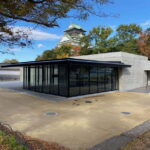
Osaka can be loud and fast in tourist zones. This experience nudges you into a calmer neighborhood feel, so your afternoon doesn’t feel like another box on a list. The meeting point is at Namba Yasaka Jinja (2-chōme-9-19 Motomachi, Naniwa Ward), and the whole thing starts at 3:00 pm—a time that fits neatly between lunch and dinner plans.
What makes this start feel right is the mix of “you’re in Osaka” plus “you’re stepping into a tea space.” The vibe described around Ko’s workshop is more like a real tea house than a classroom. If you like learning in a relaxed setting, that tone matters more than you might think.
You can also read our reviews of more tours and experiences in Osaka.


The Small Group Advantage: Brewing Gets Personal (Quickly)
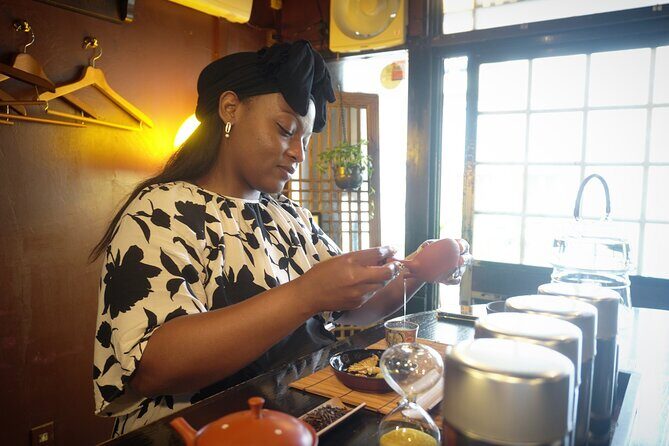
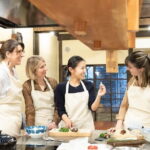
This is capped at 3 travelers, which changes everything. When you’re brewing tea, the details are physical—how you handle tools, how you pour, how you control timing and temperature. A small group means you can actually get corrections in real time instead of watching from afar.
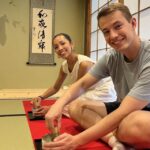
From the way the workshop is taught, expect a lot of back-and-forth. One review-style detail that really sticks: you’ll learn the correct way to hold a teapot and understand why it affects the brew. That’s the kind of lesson that’s hard to absorb from a screen, and it’s exactly what you want from a hands-on class.
The Main Lesson: Brewing Five Japanese Teas With Real Technique
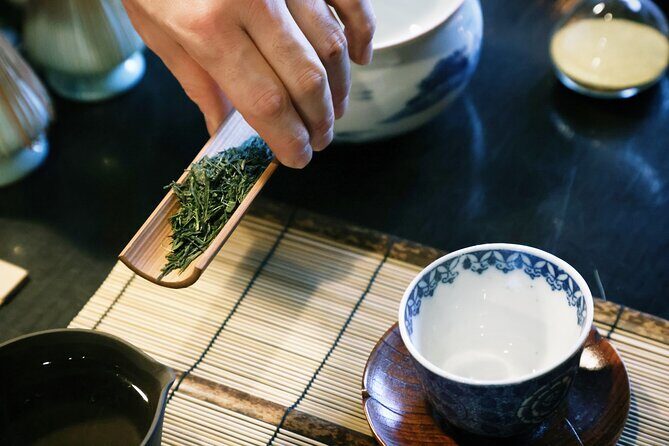
The workshop’s core is practical brewing. You’ll work through several tea types, and you’ll learn how to do each one properly—temperature guidance, technique, and tool handling. You also get the story behind the tea, so it’s not just a how-to, it’s a why-to.
Here’s what you’ll be focusing on during your tasting-and-brewing flow:
Sencha: Green Tea Done With Control
Sencha is one of the most common Japanese green teas, but “common” doesn’t mean “forgiving.” The workshop helps you understand that each tea has its own best approach. You’ll practice brewing with proper technique rather than just steeping until it tastes good.
For you, the win here is confidence. Once you understand how to treat sencha, you stop thinking of green tea as one single thing. You start tasting the differences on purpose.
Wakocha (Japanese Black Tea): Different Flavor, Different Handling
Wakocha changes the whole feel of the cup. It tends to taste rounder and deeper than green teas, and the brewing approach matters. You’ll learn how to brew it properly using the basic guidance the instructor shares (technique and handling tools, plus temperature and timing basics).
If you’re new to Japanese tea, this is a smart sequence. It shows you that Japanese tea isn’t only matcha and green.


Oolong: A Bridge Between Styles
Oolong sits in a middle world—partway between green and black in how it’s processed and how it tastes. In this workshop, it becomes a practical lesson in adjusting your expectations. You’ll taste and brew it while learning the technique behind getting the cup right.
The value for you is learning pattern recognition: when the flavor changes, what lever usually causes it. That’s how you’ll recreate results later.
Hojicha: Roasted Tea With Comfort
Hojicha is roasted, so it can feel more comforting and mellow. The workshop highlights how to brew it so it doesn’t taste flat or overly harsh. If you’ve only had hojicha from convenience stores or bottled drinks, you’ll likely notice how much better fresh brewing can taste.
In the way the experience is described, hojicha gets singled out as something people love because it’s so clearly different in a good way. The lesson isn’t just about the flavor; it’s about learning how roast character shows up in the cup.
Matcha: The Final Skill Check
Matcha is the tea most people think they know. This workshop treats it as a technique and a ritual. You’ll learn the brewing approach for matcha and how it fits into Japanese tea culture, not just how it tastes.
Even if you’ve had matcha before, the workshop framing helps you understand what to pay attention to. Texture, aroma, and balance become the point—not just sweetness or price tags.
Tea Rituals Meet Mixology: Making Cocktails Without Guesswork
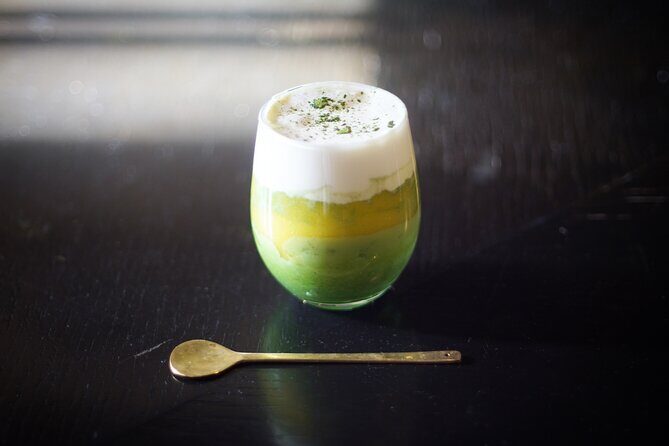
After you’ve brewed and tasted the teas, the workshop pivots to the fun side: tea cocktails and modern drink ideas. This isn’t random mixing. The session connects the drink process back to tea technique and flavor building.
You’ll learn how the process works for different tea drink styles, including mixing with natural ingredients like fruit. You also get guidance on infusing tea drinks with alcohol, which is a big part of the modern take on Japanese tea culture.
One thing I appreciate about this approach: it keeps the lesson grounded. You’re not just drinking. You’re learning how tea flavor behaves when it meets fruit, sweetness, and alcohol. That helps you understand why certain blends make sense.
Expect to sample a tea cocktail and also traditional Japanese sweets. That pairing matters because Japanese sweets often change how you perceive tea bitterness, roastiness, and vegetal notes. If you taste everything in isolation, you miss the point. In this workshop, the sweetness and tea show up together on purpose.
What You’ll Actually Leave With (And How to Use It)
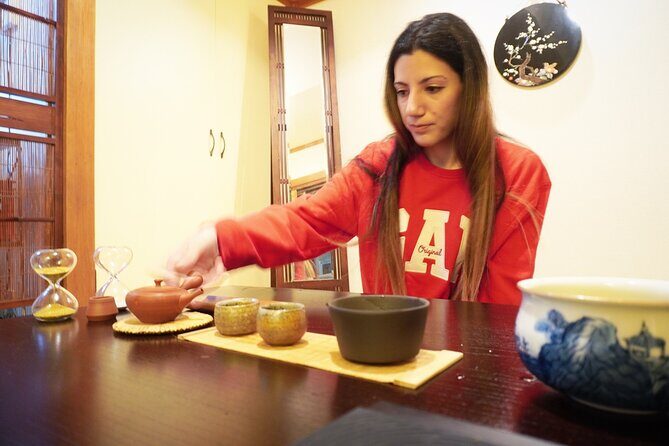
The most practical “don’t forget this” part is that you take home small samples of tea and the recipes for beverages you learn to make. That turns the class from a one-time experience into something you can repeat at home.
Here’s how to get value from those take-home items:
- Treat the recipes like starting points, not strict rules. Your water and your tools will differ.
- Use the tea samples to compare before and after you adjust one variable at a time (temperature, timing, or ratio).
- If matcha or hojicha is a favorite, start there. Those flavors are easier to recognize and calibrate.
You’ll also walk away with a deeper feel for tea culture—how Japanese tea rituals shaped daily life, and why different teas are handled with care. Even if you don’t become a full-time tea nerd, you’ll at least stop making tea the same way every time.
Price and Value: What $54.46 Gets You in Osaka
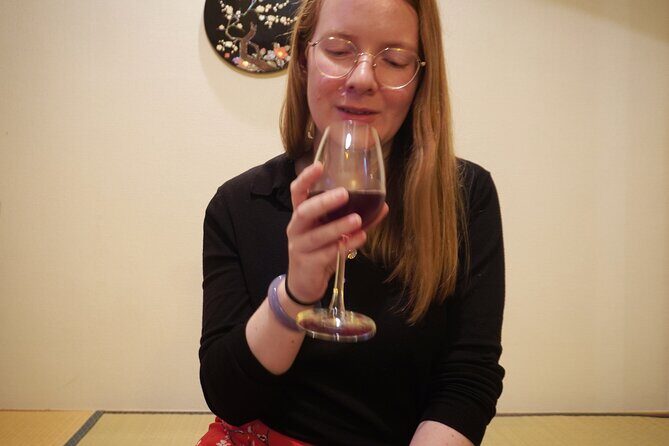
At $54.46 per person for about 2 hours, this isn’t the cheapest option in Osaka—but it’s also not trying to be one of those mass-tour deals. The value comes from three things you’re paying for: hands-on brewing of multiple tea types, tea cocktails with a guided process, and take-home samples plus recipes.
Add the small group size (max 3 travelers), and the price starts to make more sense. You’re not just paying for tasting. You’re paying for coaching, correction, and a structured path through sencha, wakocha, oolong, hojicha, and matcha.
One more practical angle: it’s often booked around 60 days in advance on average, so if this is on your short list, don’t wait for the last minute.
Who This Workshop Fits Best (And Who Might Want Something Else)
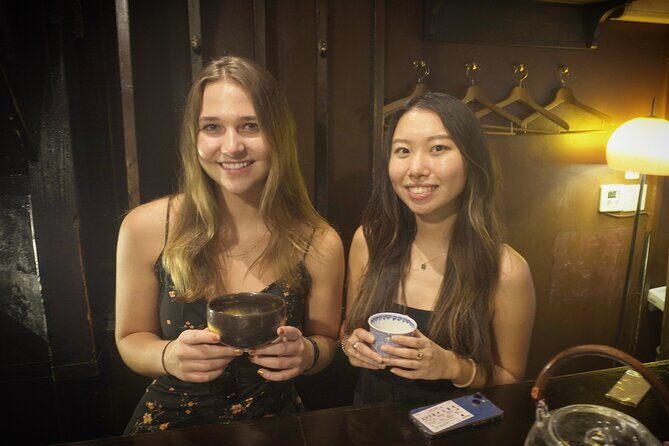
This is best for you if:
- you like hands-on travel experiences where you do the thing, not just watch
- you’re interested in Japanese tea beyond matcha powder
- you want a calmer Osaka moment away from the biggest crowds
- you enjoy tasting food and drink combinations (tea plus sweets, tea plus fruit, tea plus cocktails)
You might want to skip it if you’re looking for a very long experience or a deep sightseeing program. This is a compact workshop format. It’s about learning and tasting, not exploring multiple city landmarks.
Quick Practical Tips Before You Head to Namba Yasaka Jinja
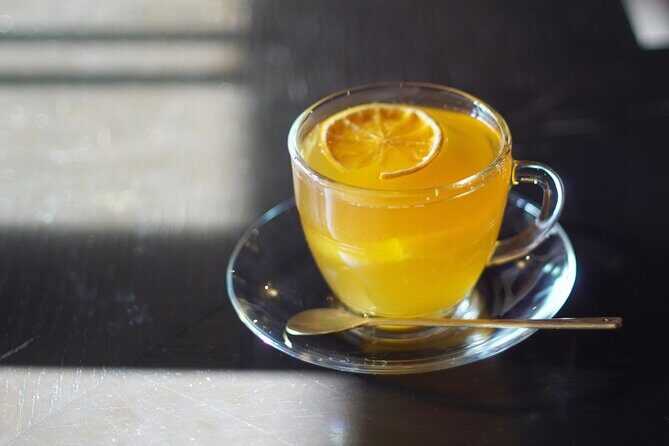
Since the start time is 3:00 pm and it ends back at the meeting point, plan your afternoon like a small scheduled activity with a clear start. Arrive with enough time to find the spot without rushing.
Also: drink expectations matter. This workshop includes tea cocktails and traditional sweets, so build the rest of your day around a tasting-focused schedule. If you’re easily overwhelmed by choices, you’ll still be fine—everything is structured around brewing and guided sampling.
Should You Book This Osaka Tea Blending Workshop?
Book it if you want a real skill you can reuse: brewing multiple Japanese teas properly and building tea drinks (including cocktail-style creations) with confidence. The small group format and the instructor-led hands-on approach make it feel worth the price.
Skip it if your goal is mainly sightseeing or you only want quick, casual tastings. This workshop is for people who like technique, aromas, and careful flavor work—and who enjoy leaving with recipes and samples instead of just photos.
FAQ
What kinds of Japanese tea will I brew in this workshop?
You’ll learn about and brew several styles: green tea (sencha), Japanese black tea (wakocha), Japanese oolong tea, hojicha (roasted tea), and matcha.
Will we make tea cocktails, or is it only tea tasting?
You’ll do hands-on drink making. The workshop includes a tea cocktail sampling and also a practical activity where you make tea drinks using natural ingredients like fruit, and you’ll learn about infusing it with alcohol.
How long is the experience in Osaka?
The workshop runs for about 2 hours.
Where is the meeting point and what time does it start?
Meet at Namba Yasaka Jinja, 2-chōme-9-19 Motomachi, Naniwa Ward, Osaka, 556-0016, Japan. It starts at 3:00 pm.
How big is the group?
The workshop has a maximum of 3 travelers.
Do I get anything to take home?
Yes. You can take home recipes and small samples of the tea and beverages you learn to make and try.
Is there free cancellation?
Yes. You can cancel for free up to 24 hours in advance of the experience start time for a full refund.