REVIEW · OSAKA
Meet Osaka locals and Japanese speaking experience at Pub Umeda
Book on Viator →Operated by Welcome Tokyo · Bookable on Viator
Osaka is easier with locals around. This pub-based language exchange helps you practice Japanese in a real-life setting and swap Osaka recommendations without feeling on the spot.
I especially like how the evening is built for conversation flow, with prompts and staff support that keep things moving.
Two things I really like: first, Japanese speakers of all levels are welcome, including total beginners, so you can join even if your sentences are still shaky. Second, you get structured chances to talk with different people, not just one awkward round with the same group.
The main consideration is simple: food and drinks aren’t included. You’ll need to buy what you want at the pub, so the final cost depends on your drink choice.
In This Review
- Key things you’ll notice right away
- A pub meetup for speaking, not performing
- Where the night happens: HUB Umeda-Chayamachi Applause
- The conversation system: topics cards and real seat movement
- How the groups are actually formed (and why it works)
- What you can talk about: Osaka tips from locals
- The 15-minute English conversation block (a safety net for beginners)
- Hosts and the vibe: friendly, flexible, and hands-on
- Price and value: what $28 really covers
- Timing and energy: 2 hours 30 minutes at night
- Who should book Pub Umeda for this kind of language exchange?
- Practical tips to get more out of the night
- Quick reality check: what to expect at the pub
- Should you book this Osaka locals-and-Japanese night?
- FAQ
- FAQ
- What does the tour cost?
- How long is the experience?
- Where does the event take place?
- Is food included?
- Does it include anything in the ticket price?
- Is it okay if I’m a beginner in Japanese?
- Is there English during the event?
- Can I get a refund if I cancel?
Key things you’ll notice right away
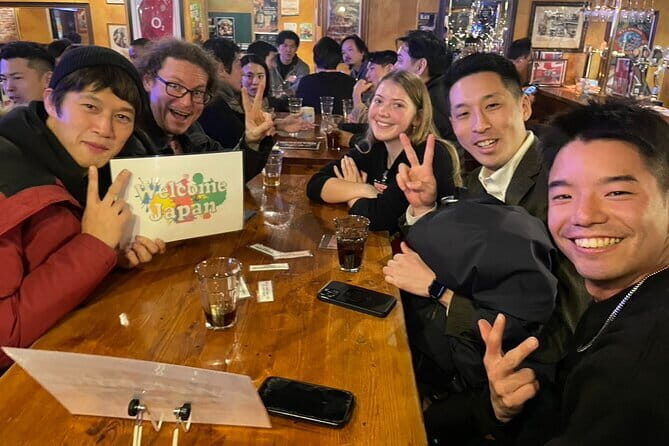
- Topics cards keep your chat going, even when your Japanese stalls
- Small mixed groups (3–4 people) mean you talk more than you listen
- Seat changes help you speak with more people during the night
- An English conversation slot (15 minutes) supports beginners and nervous speakers
- A pub setting makes it feel casual and social, not like a classroom
- Local plus international mix gives you Osaka info and travel stories side by side
A pub meetup for speaking, not performing
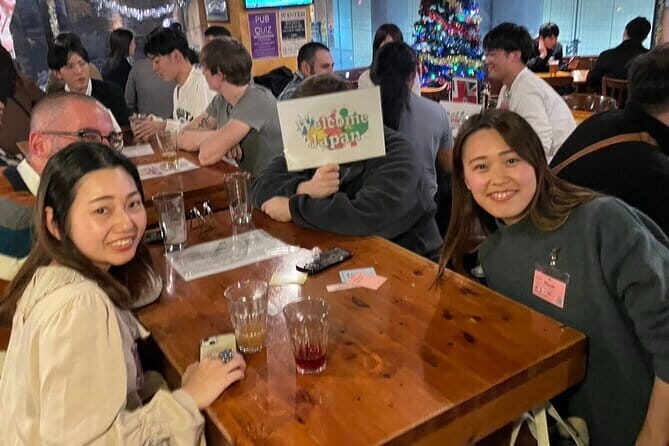
This is one of those Japan experiences that removes pressure. You’re not auditioning your Japanese. You’re just chatting in a friendly place where people expect a mix of accents, levels, and comfort levels.
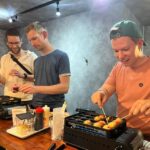
The setting matters. A pub night gives you something to do with your hands and your eyes while you talk—order a drink, react to stories, point at something on the table, laugh, repeat. It turns speaking practice into normal human conversation.
What I like most is that the event is designed so you’re never stuck thinking, Now what do I say? There are conversation prompts, staff helpers who manage the flow, and an intentional rhythm to the evening.
You can also read our reviews of more drinking tours in Osaka



Where the night happens: HUB Umeda-Chayamachi Applause
The meet-up point is the HUB Umeda-Chayamachi Applause area, starting at 7:30 pm. It’s near public transportation, which is a big deal in Osaka—getting back out quickly after a late chat is easier when you’re close to trains or stations.
Plan to arrive a bit early so check-in doesn’t feel like a race. Once you’re there, you’ll check in at reception, then buy a drink from the store. You’ll also get your assigned seat and the tools for conversation.
Even if you’re solo, this kind of venue helps. You’re not walking into a private group. You’re joining an event in a place built for socializing, so the vibe stays relaxed.
The conversation system: topics cards and real seat movement
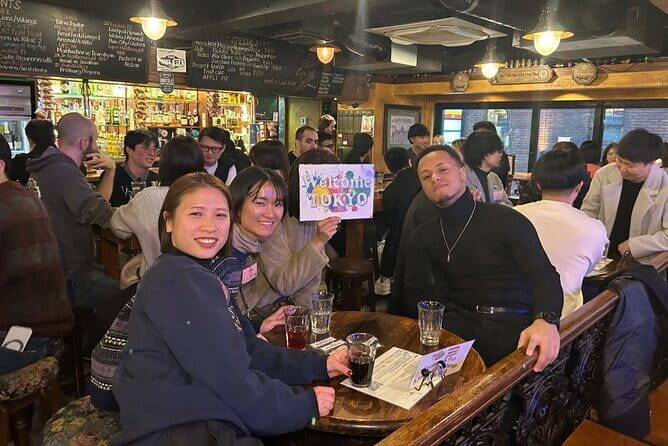
The event runs on a simple, effective formula: prompts + mixing + repeated speaking turns. After check-in and getting your drink, staff set you up with a seat per person and topics cards that help you start and keep going.
This is where the experience becomes more than “just meeting people.” Prompts lower the barrier to entry. You don’t have to invent a perfect opener or know a polite speech pattern. You can focus on making contact, listening, and replying.
Then comes one of the smartest parts: staff change seats so you talk with different people. Instead of one long conversation with the same two folks, you get multiple chances—more than a couple times—with new partners. That makes the night feel productive, even if your comfort level is modest at the start.
How the groups are actually formed (and why it works)
Staff split attendees into small groups of 3–4 people, with a mix of Japanese and international participants. That balance is important. If everyone in your mini-group is the same language background, you might end up speaking your shared “easy” language. Here, the format nudges you toward the languages you came to practice.
The group size also keeps things from turning into a spectator sport. In a crowd, you might spend most of the night waiting for someone to include you. In a 3–4 person setup, you naturally have more turn-taking.
This also helps you ask better questions. When you have a smaller group, it’s easier to ask for recommendations—what to do and what to eat in Osaka—then follow up based on the answer. It feels like a real exchange, not a lecture.
What you can talk about: Osaka tips from locals
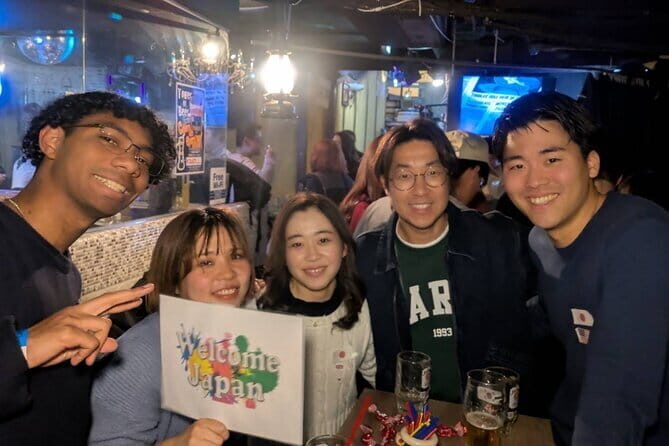
One of the main reasons this event feels useful is the topic focus: you’re encouraged to ask for recommendations of things to do and eat in Osaka from locals.
That might sound generic, but in practice it’s where the value shows up. You get suggestions tailored to real preferences and firsthand experience. And because you’re chatting, you can ask follow-ups that a guidebook can’t answer—like what fits your vibe and your schedule.
I also like that the event supports shy speakers. The atmosphere is set up so you can practice without worrying you’re being too forward. People expect you to be there to talk.
And yes, the social side can spill over. The format is friendly enough that you might find yourself continuing the conversation after the meetup ends.



The 15-minute English conversation block (a safety net for beginners)
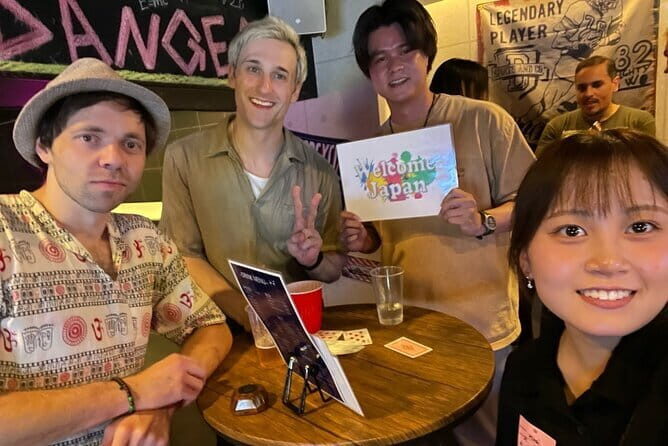
If you’re nervous about Japanese, the event includes a scheduled 15 minutes of English conversation. That matters more than it sounds.
For total beginners, a short English window can keep momentum going. You can clarify meaning, reduce confusion, and then re-enter Japanese conversation with less mental friction. It’s also a way to bridge different comfort levels within the group.
For more advanced speakers, it can be a useful reset too. You can explain what you’re trying to say more clearly, then translate it into Japanese with a guide from the context you just discussed.
Think of it like training wheels—temporary, helpful, and not there to replace the main goal.
Hosts and the vibe: friendly, flexible, and hands-on
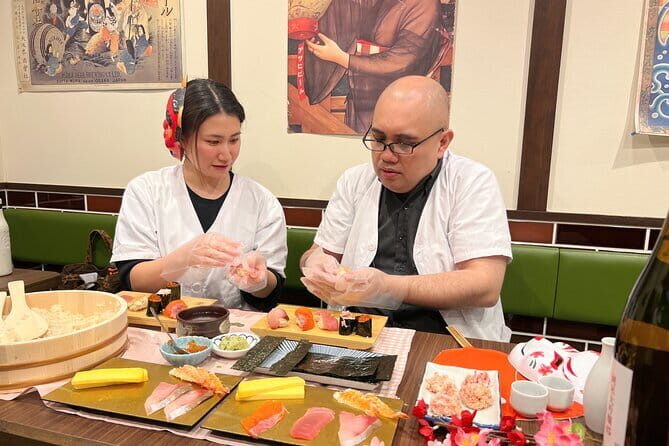
The experience is guided by staff, and past sessions have included hosts such as Hao and Edna. You may notice a consistent style: the host and staff act like conversation organizers, not strict teachers.
If your group ends up small, a flexible host can still keep things balanced. If someone is slow to start, staff can adjust the seating plan so everyone gets a chance to speak multiple times.
This hands-on approach is one reason the overall rating is so high in general—people tend to leave feeling like the format actually helped them practice, not just attend.
Price and value: what $28 really covers
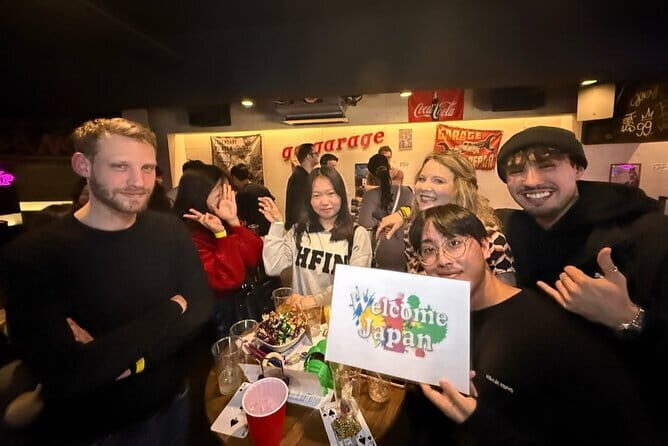
At $28.00 per person, this sits in a reasonable range for a guided language meet. The ticket includes admission and gratuities, so you’re not wondering where the money is going.
Just don’t get surprised by the one catch: food and drinks aren’t included. You’ll buy at least one drink at the pub. That means the experience cost can creep up if you order multiple rounds, but it also lets you choose what you’re comfortable spending.
Here’s the value math I think about: you’re paying for structure. Topics cards, staff-led group formation, and seat changes all cost time and labor. If you tried to replicate this with random meetups, you’d spend effort finding the right group and then still lose time on awkward transitions.
This format already solves those problems for you.
Timing and energy: 2 hours 30 minutes at night
The duration is about 2 hours 30 minutes, starting at 7:30 pm. That’s a good length for practicing without burning out.
Short enough that you’re still alert, long enough that the seat changes actually help. You’ll likely have a first conversation as warm-up, then a couple rounds where you get more comfortable asking questions and responding without translating every word.
In a nightlife setting, the energy stays social. People are there to talk, not to rush through a checklist.
Who should book Pub Umeda for this kind of language exchange?
This is especially good for:
- Solo travelers who want to meet more people without forcing social networking at other bars
- Beginner Japanese learners who need conversation scaffolding and a friendly environment
- Intermediate speakers who want practical speaking time and realistic question practice about daily life in Osaka
- Shy speakers who worry they might feel awkward—this format is designed to reduce that risk
It might be less ideal if you want a quiet, slow conversation or a deep grammar lesson. This is conversation-first. If you’re there for grammar homework, you won’t get that style here.
Practical tips to get more out of the night
You’ll get the best results if you treat it like a chat with a goal: practice, ask, and follow up.
A few things that help:
- Bring 5–10 ready phrases you can reuse with the topics card, like asking for recommendations and basic follow-ups.
- Don’t wait to be fluent. Start with simple sentences and let the conversation guide the rest.
- When you meet someone new during seat changes, ask one question you genuinely care about, not a generic opener.
- If you’re unsure, use the scheduled English time as a reset—get clarity, then jump back in.
Also, keep expectations realistic. You’re not going to master Japanese in one night. But you can leave with more confidence, more usable phrases, and at least a couple new contacts.
Quick reality check: what to expect at the pub
The format is structured, but the tone is casual. You’ll be in a pub environment that supports casual conversation.
You can expect:
- Assigned seats and a prompt system
- Staff-supported movement between small groups
- A mix of Japanese and international participants
- Multiple speaking rounds so you’re not stuck watching others talk
The evening won’t feel like a rigid class, but it will feel managed. That’s a good thing. In a new country, too much unstructured social time can drain you. This gives you a gentle roadmap.
Should you book this Osaka locals-and-Japanese night?
If your goal is meeting people and practicing Japanese in a low-pressure, social setting, I’d book it. The combination of beginner-friendly support, topics cards, and seat changes makes it one of the more efficient ways to get real speaking time with Osaka locals and other visitors in a single evening.
If you hate spending extra on drinks, you’ll need to plan your budget. But the base price is fair, and your buy-in at the pub is part of the experience’s casual, real-world vibe.
FAQ
FAQ
What does the tour cost?
It costs $28.00 per person.
How long is the experience?
It’s about 2 hours 30 minutes.
Where does the event take place?
The event starts at HUB Umeda-Chayamachi Applause, which is near public transportation.
Is food included?
No. Food and drinks are not included, so you’ll need to buy what you want at the venue.
Does it include anything in the ticket price?
The admission ticket is included, and gratuities are included as well.
Is it okay if I’m a beginner in Japanese?
Yes. Japanese speakers of all levels are welcome, including total beginners.
Is there English during the event?
Yes. There is a schedule of 15 minutes of English conversation.
Can I get a refund if I cancel?
Free cancellation is available up to 24 hours in advance for a full refund. If you cancel less than 24 hours before the start time, the amount paid is not refunded.