REVIEW · OSAKA
Osaka Local Bar Crawl in Dotombori & Uranamba Area
Book on Viator →Operated by Travel Japan Together · Bookable on Viator
Dotonbori, but with local shortcuts. This 3-hour Osaka bar crawl ties together famous sights like the Glico sign with a quick stop at Hozenji Temple, then takes you to neighborhood izakaya around Ura Namba and Namba where you eat while you drink like locals. You get guided walking time between places that most visitors just rush past.
What I like most is how much the tour focuses on pairings and people-watching: you’ll learn which foods work well with which drinks as you hop between izakaya. I also like the route choice, because Hozenji Temple puts a calm, temple-vibe moment right in the middle of the Dotonbori noise, and the guide helps you connect the dots.
One thing to consider: the tour price covers the guide and the shared experience, but alcoholic beverages aren’t included, so your total cost depends on what you order at the bars. A couple of negative notes also suggest that drink pricing at certain stops can feel high, so you’ll want to check menus and prices before you commit.
In This Review
- Key highlights worth planning for
- Walking in Osaka’s nightlife, without playing scavenger hunt
- Start at Dotonbori: learn the Glico sign story first
- Hozenji Temple in Dotonbori: a calm break inside the noise
- Ura Namba izakaya stop: yakitori, karaage, and sake talk
- Namba izakaya stop two: gyoza, sashimi, and time to settle in
- Food-and-drink pairing tips: the real reason it feels local
- Price and what value really means for this crawl
- How to get the most out of your 3 hours
- Best for first-timers and anyone who wants a local night plan
- Should you book the Osaka Dotombori and Uranamba bar crawl?
- FAQ
- FAQ
- How long is the Osaka local bar crawl?
- Where is the meeting point?
- Where does the tour end?
- What stops are included besides the izakaya?
- How many izakaya stops do you visit?
- What food can I expect to try?
- Are alcoholic beverages included in the price?
- Is dinner included?
- Is the group limited in size?
- Is it a mobile ticket?
- Can I cancel for a full refund?
- Are service animals allowed?
Key highlights worth planning for
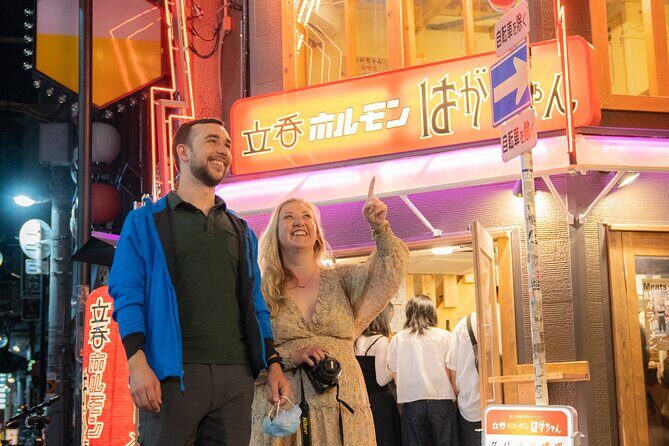
- Glico sign history at the Dotonbori starting point, so you understand what you’re looking at.
- Hozenji Temple close to the action, with tips on temple etiquette and why people come here.
- Ura Namba izakaya vibe for yakitori, karaage, and sake in a more local-feeling pocket.
- Namba food variety like gyoza and sashimi, plus time to linger with drinks.
- Small group size (max 15), which makes it easier to ask questions and chat.
- High praise for guides across departures, with repeated mentions of great English and a friendly, fun tone.
Walking in Osaka’s nightlife, without playing scavenger hunt
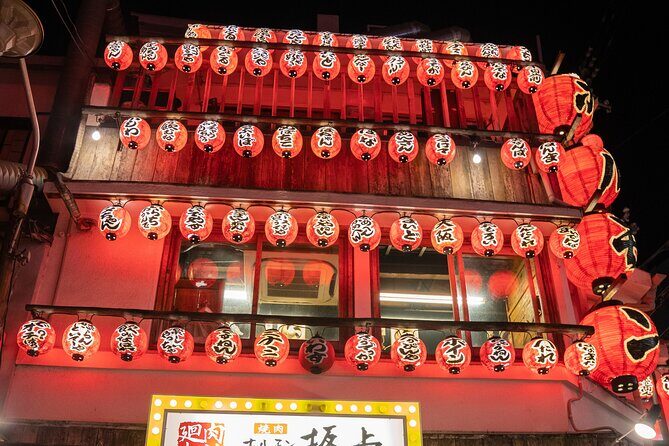
Osaka’s nightlife can feel like a bright, noisy puzzle on your first night. This crawl helps you solve it fast. You meet at the Dotonbori Humanity Song Monument (Chuo Ward), where the guide sets context for what you’re seeing instead of just pointing at neon. The walking portion matters here: you’re not only eating, you’re learning how Dotonbori’s famous stretch connects to nearby local drinking areas.
The tour is about 3 hours with a local guide and a small maximum group size of 15 travelers. That size is a sweet spot. It’s big enough to keep the energy up, but small enough that the guide can actually guide instead of managing a crowd.
You’ll use a mobile ticket, which is handy for people who don’t want to worry about printed paper while they’re out drinking and snacking.
You can also read our reviews of more drinking tours in Osaka
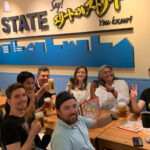
Start at Dotonbori: learn the Glico sign story first
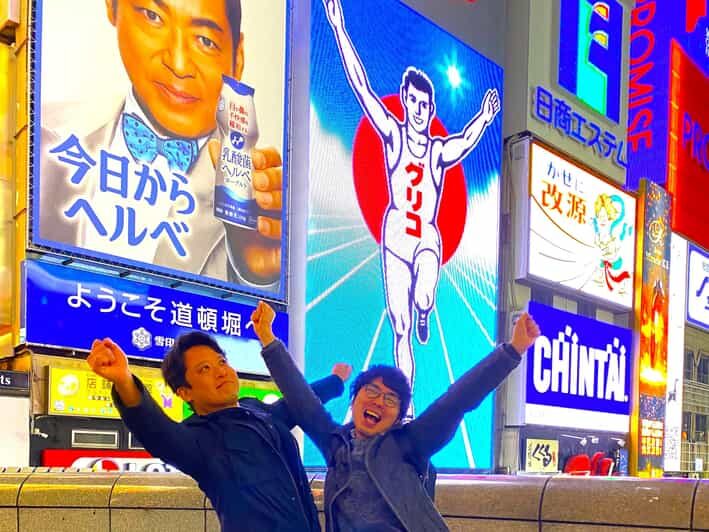
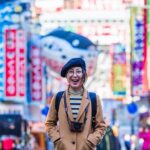
The crawl kicks off right where many people come for photos, but the guide gives you the “why” before you wander. You’ll see the Glico sign and learn the history behind it, which changes the experience. After a quick lesson, the sign feels less like a tourist object and more like a piece of Osaka’s visual identity.
This is also a good mental warm-up. If you’re feeling jet lagged or just overwhelmed, starting with something recognizable gives you bearings quickly. You’ll know what to look for while you move.
Practical note: bring your best walking shoes. This is a nightlife area, and you’ll be on your feet.
Hozenji Temple in Dotonbori: a calm break inside the noise
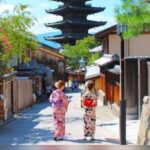
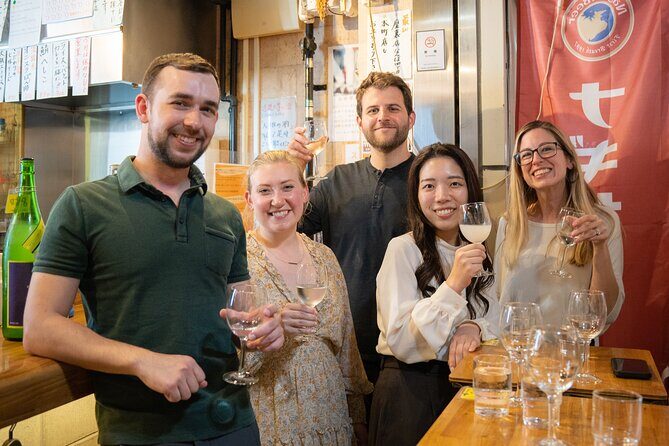
Next comes Hozenji Temple, one of the most interesting contrasts you’ll find in the Dotonbori area. The guide explains temple tips in Japan and why people visit this temple. That matters, because it keeps you from treating a place of worship like just another backdrop.
You’ll notice a different vibe here. Reviews and the tour description both point out that Hozenji Temple gives a feel that’s a bit similar to Kyoto—quieter, more reflective—right beside the loud streets of Dotonbori. That contrast is one of the best reasons to do this crawl with a guide instead of trying to DIY it after dinner.
If you’ve been to temple sites elsewhere in Japan, you’ll pick up useful reminders about etiquette and the typical reasons people come: not just for sightseeing, but for the experience of being in a sacred space.
Ura Namba izakaya stop: yakitori, karaage, and sake talk
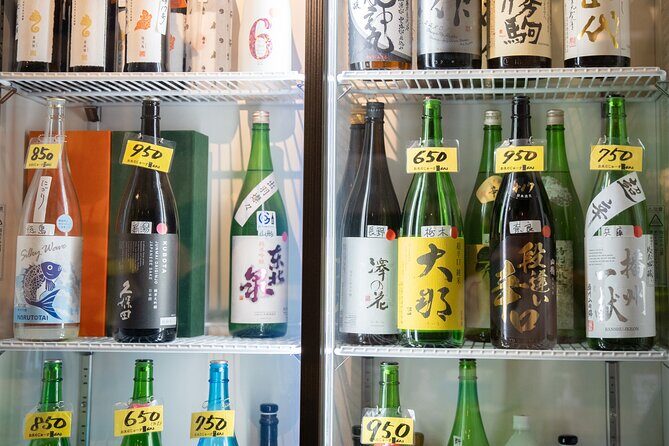
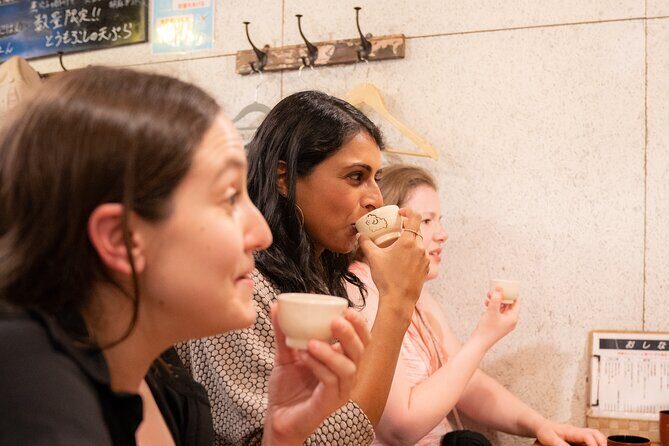
The first eating-and-drinking stop is in Namba at a local izakaya area called Ura Namba. The tour aims for a more local atmosphere than the main tourist streets. This is where the walking pays off, because you’re moving from the famous visuals into the types of places locals actually choose.
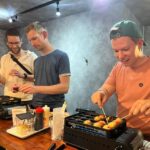
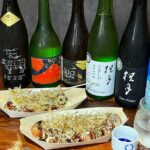
Here’s what you can expect to eat based on the tour info: yakitori and karaage. You’ll also get sake in the mix. The guide’s job is to help you order without guessing, and that includes explaining traditional food pairings with drinks.
This is a key value point. In Osaka, drinks aren’t just something you add to the meal. The city treats drinking as part of the eating ritual. When someone explains which foods typically go with which drinks, you stop ordering randomly and start ordering with purpose.
Timing is fairly relaxed for this stage: you’ll spend about 40 minutes at this stop, with admission free.
Alcohol note for your planning: alcoholic beverages aren’t included in the tour price, so you’ll be deciding what to drink while you’re there. The guide can help, but the cost still depends on you.
Namba izakaya stop two: gyoza, sashimi, and time to settle in
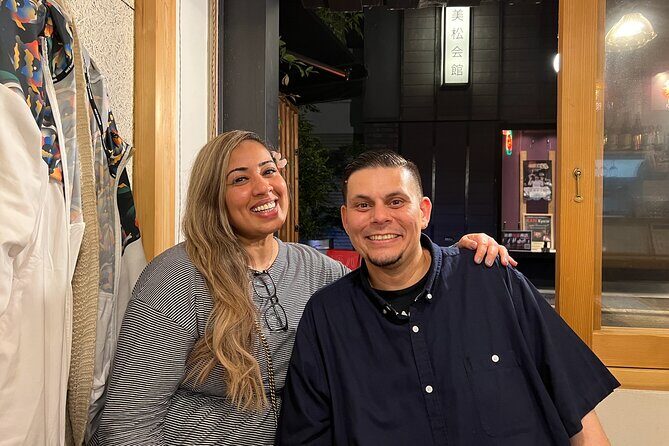
The next izakaya stop is also in Namba, in another local-feeling area with many Japanese visitors. The tour description highlights that you can feel the atmosphere here too, which is what you want if your goal is to see Osaka’s nightlife through local routines.
Food focus at this second stop includes gyoza and sashimi, and of course drinks are part of the hangout. You’ll get about 1 hour 20 minutes here, which is generous. That extra time means you’re not being rushed through a meal course. You get time to chat, ask questions, and actually taste what’s on offer.
If you’ve never done an izakaya crawl before, this stop helps you understand the rhythm. Izakaya meals are not like a formal sit-down dinner. They’re built for sharing, repeating, adjusting your orders, and staying for a while. With guided pacing, you can try more foods than you would alone without feeling like you’re sprinting.
Admission is again free at this stage, and the guide’s pairing tips can help you decide what to order next, especially when you’re unsure what goes with what.


Food-and-drink pairing tips: the real reason it feels local
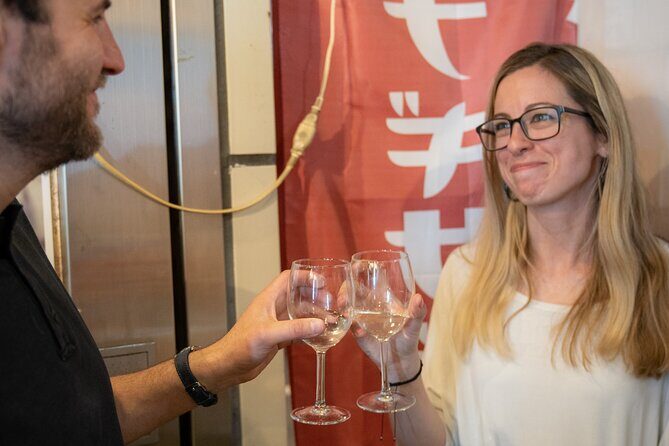
A big selling point here is the cultural learning wrapped around the food and drinks. You’re not just “going to bars.” The tour explains which foods traditionally pair with which drinks as you bar hop. That’s practical knowledge you can use long after the tour ends.
Once you learn the logic behind pairing, you can make better decisions in other izakaya backstreets later. Even if you don’t remember every pairing rule, you start thinking like the locals: lighter bites with certain drinks, fried or savory items with other choices, and so on.
The guide quality also shows up in the feedback. Multiple guides get praised for strong English and for being friendly and fun. Names that come up across high-rated experiences include Yui, Hitomi, Kosuke, Lala, Naoko, Yuta, and Soma, among others. That variety matters: even though the route follows a structure, a good guide changes how comfortably you interact with people and menus.
Price and what value really means for this crawl
The tour price shown is $26.53 per person, and the tour includes 3 hours with a local guide plus free admission fees. Alcoholic beverages and dinner are not included.
So here’s the honest value math: you’re paying for guidance, access to specific local spots, and guided eating moments. You’re not buying unlimited drinks in the ticket price. If you order lightly, your total might feel very reasonable. If you order a lot of alcohol, your spending will rise fast.
A few reviews raise a concern about how certain drink prices felt at later stops. That doesn’t mean the whole tour is overpriced, but it does mean you should keep your brain on while ordering. Check what a drink costs before you assume it’s included or “basically free.” In nightlife districts, price differences between places can be big.
If you want good value, I’d treat this tour like a guided sampler. Aim to taste a few items, learn the pairing logic, and then decide what kind of night you want after the crawl finishes.
How to get the most out of your 3 hours
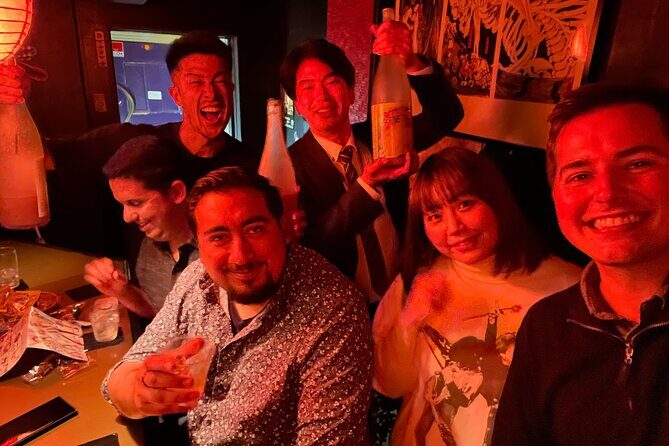
If you want this to feel like a win, come prepared for a walking-and-snacking evening.
- Come hungry. The tour is built around trying multiple foods across the izakaya stops.
- Plan for drink decisions. Since alcoholic beverages aren’t included, decide your budget before you sit down.
- Ask at the table. The guide can help you choose without panicking through a menu.
- Wear comfortable shoes. Dotonbori and Namba are active areas, and your schedule includes sight walking plus two meal stops.
Also, consider your travel style. If you love meeting locals, small groups help a lot. If you hate social settings, you might still enjoy it for the temple + food structure, but the vibe will likely be interactive.
Best for first-timers and anyone who wants a local night plan
This crawl makes the most sense if:
- It’s your first night in Osaka and you want a guided way to understand the area.
- You’d rather follow a route than chase good izakaya on your own.
- You enjoy food and want cultural context beyond just eating.
- You like social travel, since the tour is small and guides often encourage conversation.
It’s also a solid pick if you’re someone who wants a mix: famous neon area (Glico sign) plus a calmer temple pause (Hozenji) plus actual eating time (two izakaya stops).
For people who mostly drink soda or non-alcoholic drinks: the tour still works as a guided food experience, but you should recognize that the alcohol portion of the experience is optional and not bundled into the ticket.
Should you book the Osaka Dotombori and Uranamba bar crawl?
I’d book it if you want an efficient first-night plan that combines Osaka nightlife culture with real food moments and a guide who can explain what you’re looking at. The high rating (4.9) and strong recommendation rate (97%) are a good sign, and the recurring praise for guides like Yui and Hitomi suggests you’re likely to get a smooth, friendly experience.
I would not book it if you want a guaranteed “all drinks included” party ticket, because alcohol isn’t included, and drink pricing can vary by stop. If you do book, handle ordering like a smart traveler: check menu prices, order a few items you want, and save your big spending for a place you’re confident about.
If you’re after local route knowledge and izakaya sampling without the stress, this is a good bet for a three-hour night out.
FAQ
FAQ
How long is the Osaka local bar crawl?
It lasts about 3 hours.
Where is the meeting point?
You meet at Dotonbori Humanity Song Monument, 1 Chome-10 Dotonbori, Chuo Ward, Osaka 542-0071, Japan.
Where does the tour end?
The activity ends back at the meeting point.
What stops are included besides the izakaya?
You’ll start at the Dotonbori area to learn about the Glico sign, and you’ll also visit Hozenji Temple in Dotonbori.
How many izakaya stops do you visit?
You visit two local izakaya stops: one in the Ura Namba area and one in the Namba area.
What food can I expect to try?
You can expect foods such as yakitori, karaage, gyoza, and sashimi, plus other options during the izakaya stops.
Are alcoholic beverages included in the price?
No. Alcoholic beverages are not included.
Is dinner included?
No. Dinner is not included.
Is the group limited in size?
Yes. The maximum group size is 15 travelers.
Is it a mobile ticket?
Yes. You’ll receive a mobile ticket.
Can I cancel for a full refund?
You can cancel up to 24 hours in advance for a full refund. If you cancel less than 24 hours before the start time, the amount paid is not refunded.
Are service animals allowed?
Yes, service animals are allowed.