REVIEW · OSAKA
Let’s Dance Bon Odori Japanese folk Dance near Tsutenkaku
Book on Viator →Operated by Ebisu-za · Bookable on Viator
Bon Odori is one of the easiest ways to feel Osaka. You’ll learn Japanese folk dance steps from a professional instructor at Ebisu-za, then move to a samba-like rhythm with live music and time to dance freely. It’s a small-group activity with a built-in drink, timed so you can fit it into a sightseeing day.
I love that the class is beginner-friendly without feeling like it’s watered down. You start with clear demonstrations and simple basics, and the second half lets you loosen up and have fun with few rules. I also like the location logic: you’re in the Tsutenkaku/Ebisuhigashi area, with convenient food nearby if you want a quick snack before or after.
One thing to consider: even though the steps are designed to be easy, this is still a dance class. If you have knee or mobility issues, plan to take it slow and pick comfortable motion while you learn.
In This Review
- Key highlights you’ll care about
- Bon Odori near Tsutenkaku: a fun culture moment, not a performance you just watch
- Tsutenkaku stop and Isshinji Temple: sightseeing with momentum
- The Ebisu-za studio: why the instruction feels doable fast
- Live shamisen and taiko: the rhythm you can feel in your body
- The included drink and the second-half free-dance vibe
- Price, timing, and what you should plan around
- Who should book this Bon Odori lesson in Osaka
- Should you book Let’s Dance Bon Odori near Tsutenkaku?
- FAQ
- Where is the meeting point for the Bon Odori class?
- How long is the activity?
- How much does it cost?
- What drinks are available during the class?
- Are there different session times?
- How many people are in the group?
- Do I receive a mobile ticket?
- Is it near public transportation?
- Is the class suitable for people who have never danced Bon Odori before?
- What is the cancellation policy?
Key highlights you’ll care about
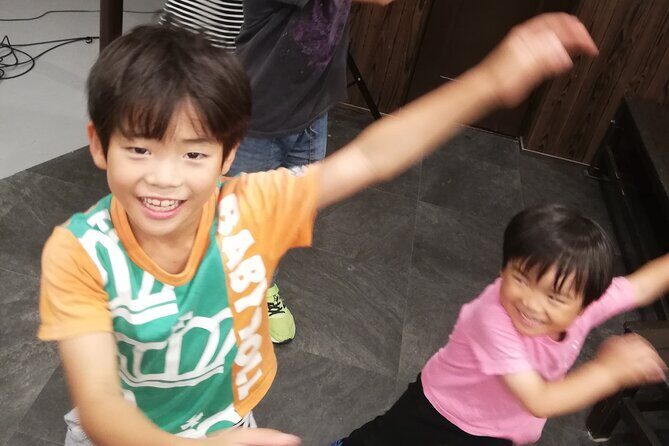
- Small group (max 15): more attention and easier pacing for first-timers
- Live shamisen and taiko vibes: the music is part of the lesson, not just background
- Two practice phases: basics first, then a looser second half with fewer rules
- Drink included: coffee, tea, water, or a canned alcoholic beverage
- Central Osaka meeting area: close to Tsutenkaku and surrounded by casual food options
Bon Odori near Tsutenkaku: a fun culture moment, not a performance you just watch
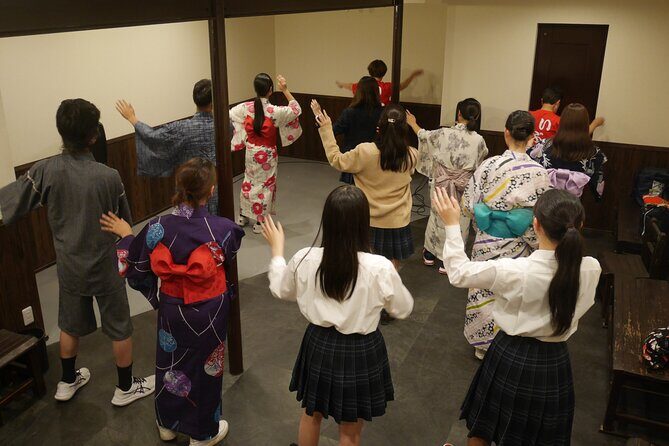
Osaka can feel like a lot when you’re juggling trains, lines, and language. This experience gives you something hands-on. You’re not just looking at Japanese summer-festival culture from the outside. You’re learning the rhythm, joining a circle, and doing the steps yourself.
Bon Odori is traditionally associated with festival season, but the class idea is refreshingly practical: it’s a way to learn the dance year-round. The music has that bright, playful cadence you might associate with samba-like rhythms, so it doesn’t feel stiff or intimidating even if you’ve never danced in Japan before.
The class format also keeps expectations realistic. You’ll start with instruction and demonstration, then build confidence. By the second half, the goal shifts from perfect technique to feeling good and moving with everyone.
You can also read our reviews of more tours and experiences in Osaka.


Tsutenkaku stop and Isshinji Temple: sightseeing with momentum
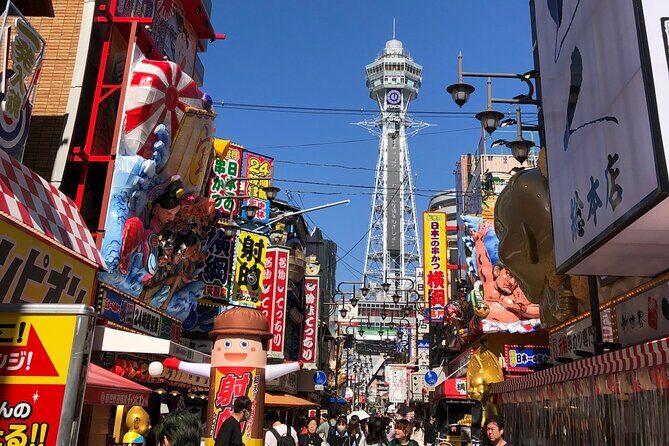
Your time is structured, and that helps. Instead of spending the whole day in one place, you get stops that keep the experience varied. During the activity, you’ll visit Tsutenkaku and also make a stop at Isshinji Temple.
Why this matters: Bon Odori hits harder when you’re in the right neighborhood first. Tsutenkaku is one of Osaka’s familiar sightseeing anchors, and being in that area sets the mood. You get a sense of where people actually hang out and wander before the class begins.
The Isshinji Temple stop adds contrast. You’re not only in entertainment-mode; you also get a chance to see a different side of Osaka before you switch into music and movement. If you like experiences that feel like a mini-itinerary you can’t easily DIY without planning, this timing is useful.
A small caution: the itinerary is built around short stops, so don’t expect a long temple visit where you fully explore details at leisure. Think of it as a “see it, note it, then move on” pacing that keeps the dance portion feeling like the main event.
The Ebisu-za studio: why the instruction feels doable fast
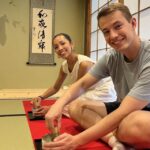
The dance happens at Ebisu-za, a centrally located dance studio in Osaka. The vibe here is practical. You’re learning a folk dance, not doing choreography for a stage show.
Expect a teaching flow that makes sense for beginners:
- The instructor demonstrates the Bon Odori moves first.
- Then you practice the basic steps together.
- In the second half, you get more freedom to dance and have fun.
The key point is how “few rules” it feels. That matters because folk dances can sometimes look complex from the outside. In practice, Bon Odori tends to be approachable. You’re guided into the rhythm and pattern, and once you have that, you can stop thinking too hard and start enjoying yourself.
One detail that stands out in the feedback: the instructors are described as clear and kind, and people mention getting helpful directions so you can find the right place without stress. That’s a real value add in Osaka, where even well-marked areas can be slightly confusing if you arrive at the wrong entrance or street.
Also, you can count on the class being built for real humans. The steps are taught in a way that people new to Bon Odori can follow. If you’re traveling with friends, this is one of those activities that turns awkward photos into laughing memories.
Live shamisen and taiko: the rhythm you can feel in your body
A big reason this class is memorable is the music. You dance to percussion and traditional sounds: taiko drums and shamisen show up as part of the experience, not just as a soundtrack.
The rhythm is described as samba-like, which is a great translation for visitors. It means you can latch onto the beat without needing to understand Japanese notation or festival history. You simply follow the cues and let your body do the work.
And it’s not purely performance either. People say they were able to touch the percussion instruments during the class. That turns the experience from “watch me learn” into “you’re part of the setup.” Even if you don’t play anything, the chance to handle instruments makes the whole lesson more tactile.
If you’re the type who likes learning through sensory input (sound, rhythm, movement), you’ll probably get a lot out of this. Live musicians make the class feel alive, and it keeps your attention from drifting the way it sometimes does in passively guided tours.
The included drink and the second-half free-dance vibe

One of the smartest parts of the experience design is the included drink. You can choose coffee, tea, water, or a canned alcoholic beverage. That’s a simple comfort, especially if you’ve been walking around all morning.
The drink choice also supports the social side. Bon Odori is often done in circles, and dancing with others works best when everyone feels relaxed. The class structure helps here: once the basics are in your body, the second half becomes more about enjoying the moment than counting steps.
It’s worth saying clearly: you’re still dancing. But the “free” portion is how first-timers stop overthinking. The dance is playful, and that’s where most people really start smiling.
If you don’t drink alcohol, you’re not stuck. Choosing coffee or tea still fits the rhythm of the lesson. And if you do choose a canned alcoholic beverage, it’s just part of the atmosphere, not a requirement to have fun.



Price, timing, and what you should plan around
At $19.60 per person for about 1 hour 30 minutes, this is priced like a focused activity, not a long tour. The value comes from three things working together:
- instruction from a professional instructor,
- live shamisen and taiko energy,
- and a drink included with your class.
You’re also not burning time searching for the right cultural moment yourself. The studio is centrally located, and there are lots of casual food options around the area. After the class, it’s easy to keep the day going with Osaka staples like takoyaki, okonomiyaki, and kushikatsu.
Timing is another practical win. You can pick an early-afternoon or evening session. That’s useful if you want to:
- start your day with sightseeing, then cool down with movement later, or
- burn off energy before dinner and avoid being too full while you travel.
Group size is capped at 15 travelers, which matters more than it sounds. With smaller groups, instructors can keep momentum and correct confusion quickly. For beginners, that prevents the common problem where you fall behind and feel self-conscious.
If you’re planning your schedule, treat this as a compact anchor event. Arrive ready to learn. Wear comfortable shoes and keep your expectations simple: you’re there to get the rhythm and have fun, not to master a dance you’ll perform at home.
Who should book this Bon Odori lesson in Osaka
This experience is a great match if you want something cultural but not complicated.
It works especially well for:
- First-timers who want an easy entry into Japanese folk dance
- People who like learning through music, movement, and live instruments
- Travelers who want a social activity that isn’t centered on drinking at a bar
- Anyone staying near Tsutenkaku and wanting a nearby activity that feels local
It’s also a good pick if you prefer experiences that don’t require perfect Japanese or long explanations. The class is built on demonstration and shared movement, so you can participate without needing special skills.
If your biggest goal is quiet sightseeing or museum-style history, this might feel more like a fun workshop than a deep dive. But if your goal is “I want to do something in Osaka, not just look at it,” this fits nicely.
Should you book Let’s Dance Bon Odori near Tsutenkaku?
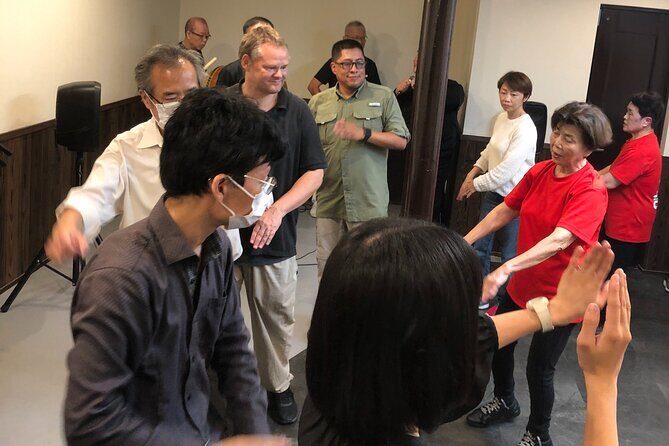
Yes, if you want a hands-on Osaka culture moment with beginner-friendly instruction, live shamisen and taiko energy, and a drink included. For $19.60 and about 90 minutes, it’s one of those experiences that gives you a story you’ll actually remember.
Book it if you’re around the Tsutenkaku area anyway and want to turn nearby landmarks into a full evening or afternoon plan. The small group size and approachable steps make it a low-risk, high-fun choice.
Skip it only if you need a very quiet, sit-down cultural experience or you can’t handle light dancing at all. Otherwise, this is a straightforward way to join in with Japanese festival-style movement even outside peak summer season.
FAQ
Where is the meeting point for the Bon Odori class?
The experience meets at 1-chōme-3-13 Ebisuhigashi, Naniwa Ward, Osaka, 556-0002, Japan.
How long is the activity?
It runs for about 1 hour 30 minutes.
How much does it cost?
The price is $19.60 per person.
What drinks are available during the class?
You can choose coffee, tea, water, or a canned alcoholic beverage.
Are there different session times?
Yes. You can choose from early afternoon or evening sessions.
How many people are in the group?
The class has a maximum of 15 travelers.
Do I receive a mobile ticket?
Yes, the experience uses a mobile ticket.
Is it near public transportation?
Yes, it is near public transportation.
Is the class suitable for people who have never danced Bon Odori before?
Most travelers can participate.
What is the cancellation policy?
Free cancellation is available up to 24 hours before the experience starts for a full refund.