REVIEW · OSAKA PREFECTURE
Sakai – Knife Factory and Craft Walking Tour
Book on Viator →Operated by Japan Tour Adventure · Bookable on Viator
Knives, mochi, and real craft skills. This short Sakai walk gives you hands-on sharpening plus private access to a working factory with over 100 years of knife-making tradition.
I like the mix of practical and cultural. You start with a 400-year origin story and taste traditional Japanese cinnamon mochi, then you get a knife sharpening lesson tied to what you see in the shop.
One thing to consider: the knife history may be framed in a style that feels more Western than you expect, and a small part of the experience depends on your guide’s comfort with the subject.
In This Review
- Key moments that make this tour worth it
- Entering Sakai’s knife world from a 9:00 start
- Where the tour starts: the mochi stop sets the tone
- A real knife factory visit in Sakai’s working industrial heart
- The special blacksmith schedule to watch for
- How the sharpening lesson helps you think like a knife maker
- The Sakai Crafts Museum stop: more than a quick break
- If the museum closes on the 3rd Tuesday
- Guides, language, and what you’ll want from the conversation
- The custom knife option: buying with clarity, not pressure
- Price and value: why $66.05 can be a good deal in Osaka
- Who should book this Sakai knife factory walk
- Should you book this tour?
- FAQ
- Where does the tour start?
- What time does the tour start, and how long is it?
- How much does it cost?
- Is a mobile ticket used?
- What food is included?
- Do you visit a real knife factory?
- Is there a knife sharpening lesson?
- Can I order a customizable knife?
- Is a French-speaking guide guaranteed?
- What happens if the museum closes on the 3rd Tuesday?
Key moments that make this tour worth it
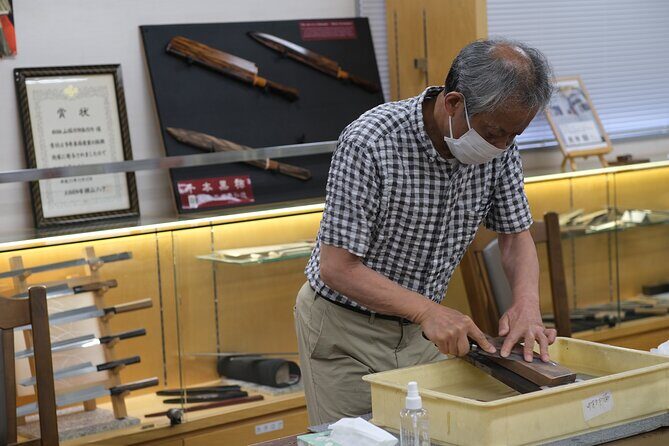
- A real working knife factory visit where you can watch blades get turned into proper handmade cooking knives
- Sharpening station access plus an actual technique practice, not just watching from the sidelines
- Cinnamon mochi included after a 400-year backstory at 八百源来弘堂本店
- Sakai crafts context at the Sakai Traditional Crafts Museum and Knife Shop, including local industry ties
- The custom-order option to buy a knife you can see being made in front of you
- Small group size (max 10), which usually means more Q&A time
Entering Sakai’s knife world from a 9:00 start
This is a morning tour that runs about 3 to 4 hours, starting at 9:00am. You meet at 3-chōme-22 Ebisujimachō, Sakai Ward, Sakai, Osaka 590-0985, Japan, and the route is designed around places that are near public transportation.
What I like about this timing is that it keeps you out of long mid-day queues and still gives you time to eat or continue exploring Sakai afterward. It also uses a mobile ticket, so you are not hunting for paper confirmations.
You should also know it has a maximum of 10 travelers, which tends to make small questions feel easy to ask and hard to ignore. And there’s a 2-guest minimum rule, meaning a solo booking may be canceled if that minimum is not met.
You can also read our reviews of more walking tours in Osaka Prefecture

Where the tour starts: the mochi stop sets the tone
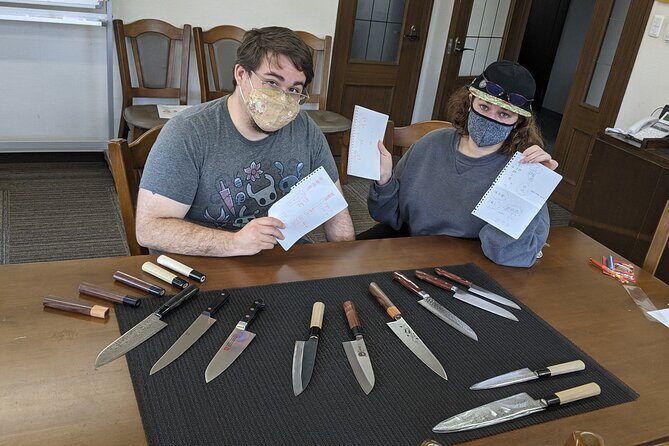
You begin at 八百源来弘堂本店, where you hear the origin story of traditional Japanese cinnamon mochi that traces back about 400 years. The admission here is free, and you get a mochi to taste as part of the tour vibe: sweet, local, and very Sakai.
This stop lasts about 15 minutes, which is perfect. It gives you a quick cultural win before you step into something technical and blade-focused.
Two practical notes:
- If you like the mochi, you can buy more on site.
- If you’re the kind of person who hates forced food stops, this one is short and tied to a story, not just a snack grab.
A real knife factory visit in Sakai’s working industrial heart
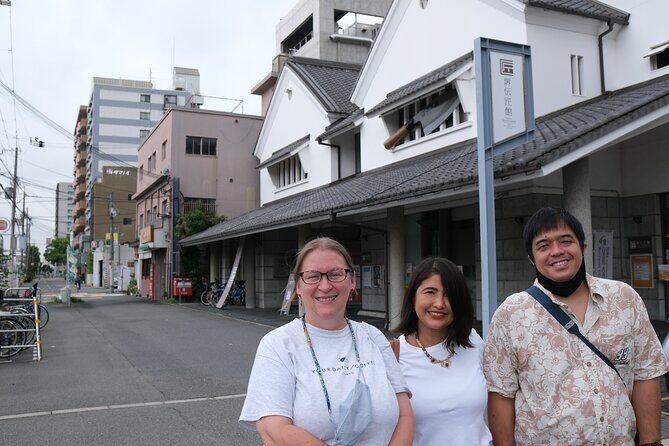
The main draw is the knife factory experience at 1-chōme-2-21 Shukuyachōnishi. The pitch is simple, and that’s why it works: you get entry into a working knife facility with over 100 years of history, where raw blades arrive directly from the blacksmith.
You don’t just look at finished knives. You also visit the sharpening station and the main office, then you watch the transformation process: blades are turned into proper handmade cooking knives. That is the difference between seeing knives and understanding what makes them better.
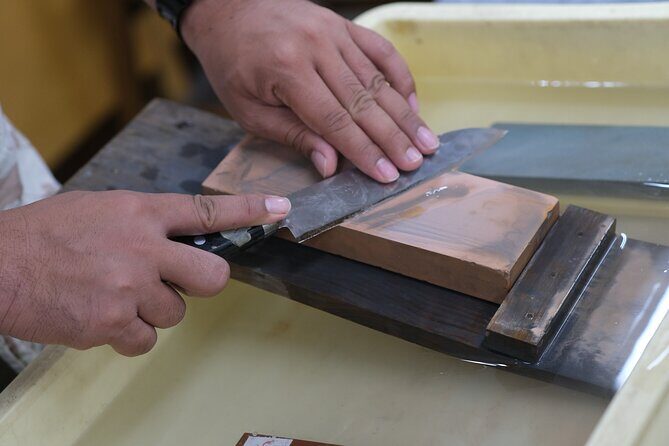
Then comes the part that matters if you actually cook. You get the chance to learn and practice traditional sharpening techniques with a professional. I’m a fan of tours that turn observation into a skill you can repeat at home, and this is built for that.
The special blacksmith schedule to watch for
From 2026 March 6th to April 6th, there’s a schedule change: during that period, the tour dates are for the blacksmith only, and it applies on Tuesdays, Wednesdays, and Thursdays. If you’re traveling during that window, check the day you’re booking so you know what role the blacksmith visit will play.
How the sharpening lesson helps you think like a knife maker
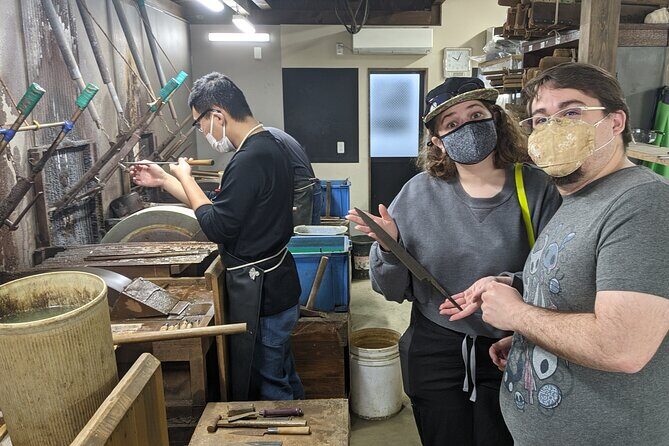
A sharpening lesson is only valuable if it changes how you view your own knives. Here, the goal is tied to what you saw in the sharpening station and the process of turning raw blades into finished tools.
You’ll practice traditional techniques with a professional, which usually means you get to see the logic behind angles, touch, and consistency—things that are hard to learn from YouTube alone. Even if you don’t leave with a full sharpening setup, you should leave with a clearer sense of what “sharp” really means on a steel edge.
This is also where a guide can make or break the experience. If your guide can explain how the lesson connects to Sakai’s craft traditions, the time feels worth it. If they stumble, the session can feel more like a demonstration. That’s the one variability you should keep in mind.





The Sakai Crafts Museum stop: more than a quick break
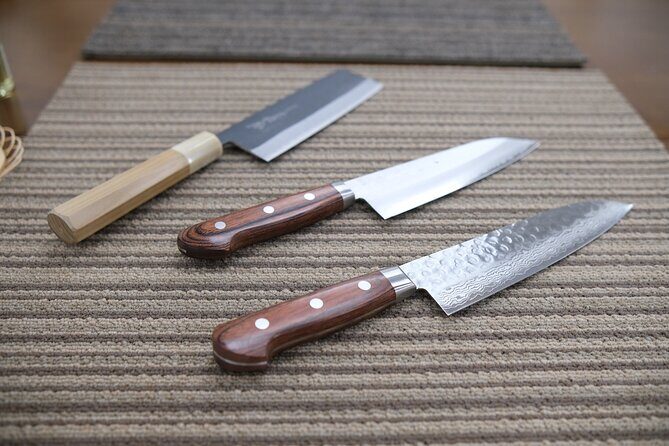
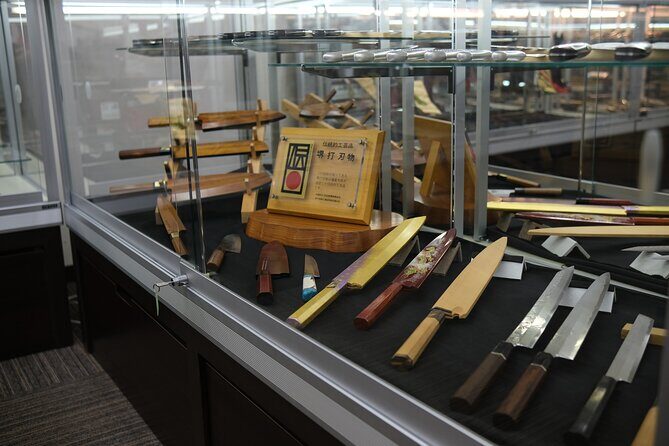
After the factory, you visit the Sakai Traditional Crafts Museum and Knife Shop. This part is shorter, around 30 minutes, and it adds context to what you saw in the factory.
The museum is specifically set up to show what makes Sakai special: local handmade crafts, and even references to the city’s industries like bicycles—Shimano was first created in Sakai—plus other local products. You start to see knives as part of a wider local culture of making.
If the museum closes on the 3rd Tuesday
There is one timing quirk worth planning around. On the 3rd Tuesday of every month, the museum has an inventory and might close without notice that day. If that happens, your guide will take you directly to The Craftsman location instead.
So if you’re traveling on a 3rd Tuesday, don’t assume you’ll get the museum room exactly as scheduled. The tour is built to adapt, but your experience may shift slightly toward the maker side.
Guides, language, and what you’ll want from the conversation
Your tour includes a bilingual guide. The key detail: you cannot guarantee francophone guidance for a shared tour, based on availability. That matters if French is your main comfort language and you want deep explanation rather than just functional translation.
The reviews highlight different guide strengths. Scott shows up in feedback as a conversational, history-and-craft guide type. Jean-yves is mentioned as knowledgeable and kind. Rémi is also praised for making the knife-making process and Sakai background feel understandable.
So what should you do with that? If you care most about the factory and sharpening technique, focus on choosing the day and language setup you’ll be happiest with. If you’re really into knife mechanics and want tight technical talk, arrive with a few questions and be ready to ask them early.
The custom knife option: buying with clarity, not pressure
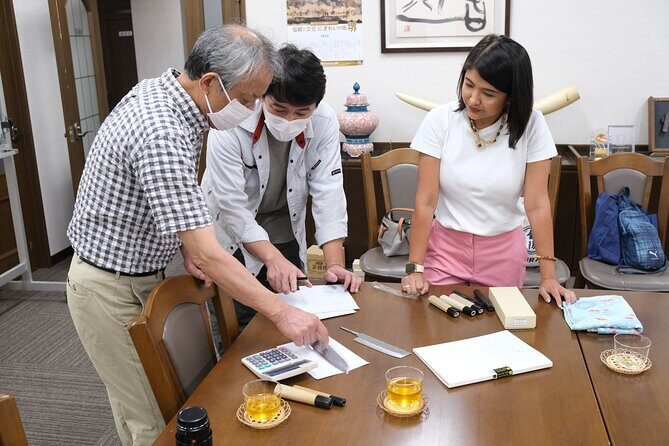
One of the biggest practical advantages is access to purchase knives directly through the craftsmen. The tour is designed so you can learn what you’re buying, not just browse.
You also have a chance to order your own customizable knife that you can watch being made in front of you. That’s a rare setup in tourist experiences: you get a closer look at the process and the craftsmanship, and that helps you evaluate quality with your own eyes.
From the tone of feedback, there tends to be no hard sell. People like that they can buy because they genuinely understand what they’re paying for—especially after seeing the precision and pride behind the work.
My advice: if you buy, think about what you’ll actually use. A high-quality knife is only a win if it becomes part of your real cooking routine.
Price and value: why $66.05 can be a good deal in Osaka
At $66.05 per person, this tour is not trying to be the cheapest thing in Osaka. It’s priced like an access-and-instruction experience, and for many people, that’s the right match.
Here’s what you get that supports the price:
- Factory visit with over a century of tradition built around the actual making process
- Visit to a sharpening station plus a knife sharpening lesson
- Snacks: one sweet per guest (mochi)
- All fees and taxes included
- Bilingual guide and a small group size (max 10)
- Mobile ticket convenience
You do not get extra meals or souvenirs included. But you do get a structured experience that saves you from hunting for the right workshop access and then paying separately for instruction. In that sense, it can feel like value, especially if you plan to buy a knife or at least want real sharpening practice.
Who should book this Sakai knife factory walk
Book it if you want:
- A short, focused Sakai experience that connects food, craft, and tools
- Access to a working knife factory and a real sharpening technique practice
- A chance to buy a knife with context, and possibly custom order one
You might skip it if:
- You are extremely sensitive to how history is explained, especially if you expect a more balanced presentation style
- You’re only interested in casual sightseeing and not in craft details
Also, if you travel with kids or older relatives, note only that the tour says most travelers can participate. Still, the core time is spent in workshops and shops, so comfortable walking and patience help.
Should you book this tour?
I think you should book if you’re the type of person who likes learning by watching skilled work up close—and then trying it yourself. The combination of cinnamon mochi, factory access, and the sharpening lesson makes it more useful than most craft tours.
If you are on the fence, check the day you’re traveling for the March 6–April 6 blacksmith-only schedule and keep an eye on the 3rd Tuesday museum closure possibility. And if French matters, remember francophone guidance is not guaranteed on shared tours.
FAQ
Where does the tour start?
The meeting point is 3-chōme-22 Ebisujimachō, Sakai Ward, Sakai, Osaka 590-0985, Japan.
What time does the tour start, and how long is it?
The start time is 9:00am, and the tour lasts about 3 to 4 hours.
How much does it cost?
The price is $66.05 per person.
Is a mobile ticket used?
Yes. The tour uses a mobile ticket.
What food is included?
You get snacks in the form of one sweet per guest, tied to the mochi stop.
Do you visit a real knife factory?
Yes. You get entry to a knife factory and visit the sharpening station during the experience.
Is there a knife sharpening lesson?
Yes. The tour includes a knife sharpening lesson.
Can I order a customizable knife?
Yes. The experience includes the chance to order a customizable knife that you can watch being made.
Is a French-speaking guide guaranteed?
The tour includes a bilingual guide, but francophone guidance cannot be guaranteed for a shared tour.
What happens if the museum closes on the 3rd Tuesday?
On the 3rd Tuesday, the museum might close without notice due to inventory. If that happens, your guide will take you directly to The Craftsman location.