REVIEW · OSAKA
Mt Koya Full Day Tour from Osaka with Licensed Guide and Vehicle
Book on Viator →Operated by Japan Guide Agency · Bookable on Viator
Fog can turn Koyasan surreal. This full-day Mt. Koya private car tour takes you out of busy Osaka to one of Japan’s most sacred, World Heritage–recognized religious hubs. You’ll ride with a licensed local English-speaking guide interpreter who connects what you see with what it means.
I especially love the balance here: you get major Koyasan sites plus context, so the trip feels like more than temple photos. I also like the flexibility—your guide customizes 3–4 stops from the Koyasan highlights, so your day doesn’t feel jammed.
One drawback to consider is cost: it’s $898.72 per group (up to 2), so it’s usually best if you’re traveling as a pair (or you strongly value a private driver/guide). Also, entrance fees for anything not on the included list and lunch are not included.
In This Review
- Key highlights worth your attention
- Mt. Koya: Why this day trip feels different from Osaka
- Private car pickup from Osaka: time saved, stress reduced
- How the 3–4 site plan fits into an 8-hour day
- Okunoin Cemetery and Kobo Daishi: the emotional center
- Kongobu-ji and the Shingon headquarters feeling
- Danjo Garan: the founding ground of Mt. Koya
- Reihokan Museum: religious treasures in a calmer setting
- Daishi Kyokai and Tokugawa’s Mausoleum: faith meets governance
- What’s included (and what you should plan for)
- Price and value: $898.72 per group can be a bargain or a stretch
- Who this Mt. Koya tour fits best
- Should you book it?
- FAQ
- How long is the Mt. Koya full day tour?
- Is pickup from Osaka included?
- Is this a private tour?
- How many people can be in a group?
- What sites can we visit?
- Are entrance fees included?
- Is lunch included?
- Can I bring a service animal?
- What about car seats and accessibility?
Key highlights worth your attention
- Licensed English-speaking guide interpreter who can explain Koyasan clearly, not just point at objects
- Private vehicle with pickup in Osaka, which saves you from transit headaches and transfers
- 3–4 sites customized from core Koyasan landmarks within an ~8-hour day
- Okunoin and Kobo Daishi focus gives you the emotional center of Mt. Koya
- Free admission at the listed stops means you can spend time, not money, on tickets
- Rain or fog can make it feel even more hauntingly sacred, based on real on-trip experience
Mt. Koya: Why this day trip feels different from Osaka
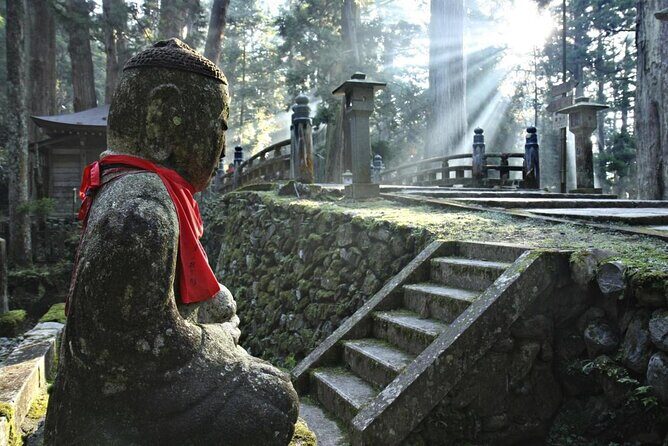
Mt. Koya is the kind of place where the atmosphere does half the explaining. Even in daylight, you’re stepping into Shingon Buddhism’s world—its rituals, symbols, and why people come here for reflection. From the moment you leave Osaka, you start trading street noise for quieter paths and temple grounds.
The tour’s big strength is that you’re not just sightseeing. You’re guided through the layers: founder traditions (Kobo Daishi/Kukai), key institutions, and why certain buildings and spaces matter. That matters because Koyasan can look complex at first glance—many halls, many names, and a lot of sacred meaning. A good guide helps you connect it into one story you can remember later.
And if the weather is gray—rain, drizzle, fog—Koyasan can feel even more mysterious. In one recent case, morning rain and thick fog made the site feel extra otherworldly, with a sense of sacred calm that stuck with the visitors long after they returned.
You can also read our reviews of more guided tours in Osaka

Private car pickup from Osaka: time saved, stress reduced
This is a full-day private tour with a vehicle, and that’s not a small detail. Mt. Koya sits in Wakayama Prefecture, so getting there with luggage-free ease makes your day smoother. Instead of managing buses or trains on a tight schedule, you get picked up in Osaka and taken directly to the mountain.
You’re also not stuck with a fixed group pace. The tour is private, meaning only your group participates. In practice, that gives you the freedom to slow down where it counts—like in the slower, more contemplative spaces—without feeling like you’re holding anyone else back.
The tour is also built around convenience: you get a mobile ticket, and confirmation is received at booking. If you’re the type who likes the day to feel controlled and calm, that private setup is a big win.
How the 3–4 site plan fits into an 8-hour day
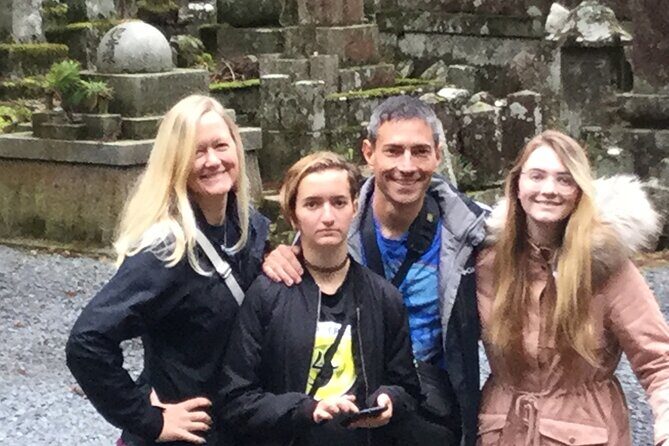
The schedule is designed for a “quality over quantity” approach. The tour lets your guide customize 3–4 stops from a curated list of core Koyasan sites. On paper, you see six options—your guide chooses the best mix for your interests and timing.
Why this matters: each Koyasan stop has its own pace. Okunoin alone takes time because it’s not just a doorway you pass through—it’s a moving experience along sacred grounds. Meanwhile, temples and museums need time too, especially if you’re listening and reading.
Based on the available stop durations, you’ll usually be balancing:
- a longer anchor visit (often Okunoin),
- one or two major temple/heritage stops,
- and then a museum/administrative site or mausoleum.
If you’re the kind of traveler who wants to understand what you’re seeing (not just click photos), that custom selection helps you avoid rushing.
Okunoin Cemetery and Kobo Daishi: the emotional center
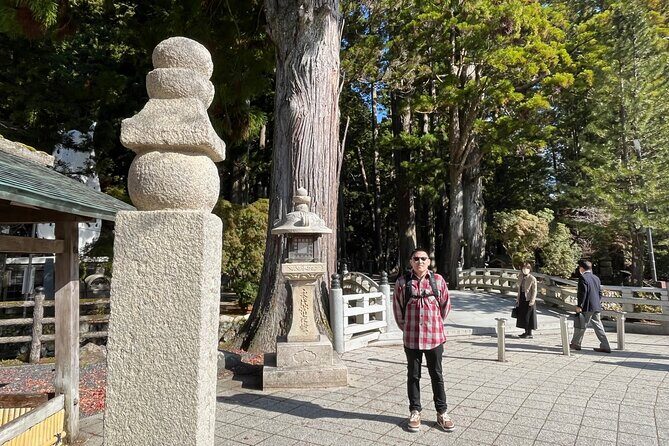
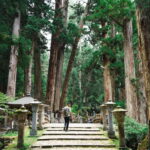
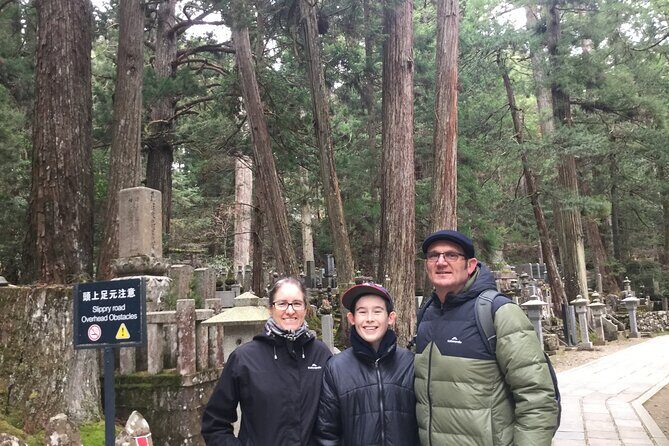
Okunoin is widely seen as the heart of Mt. Koya, and the tour treats it like that. This is where Kobo Daishi (Kukai), the founder of Shingon Buddhism, rests. The area is also lined with graves of prominent people, which gives it a powerful feeling of continuity—past and present meeting in one space.
Expect about 2 hours here. With that time, you can actually slow down. You’ll have enough room to walk and absorb without feeling like you’re speed-running a sacred site.
What I think makes Okunoin special on this kind of guided tour is the explanation you get. The point isn’t to memorize dates. It’s to understand why people treat this place differently, and how the founder’s presence anchors the entire mountain’s spiritual identity.
Also, if you get fog or light rain, it can make the experience more intense. Thick mist can soften edges and make the atmosphere feel more ceremonial, not touristy. You’re still outdoors, so dress for weather, but in gray conditions the mood can turn from beautiful to deeply strange in a good way.
Tip: wear comfortable shoes with traction. Okunoin is a walking experience, and your feet will thank you.
Kongobu-ji and the Shingon headquarters feeling
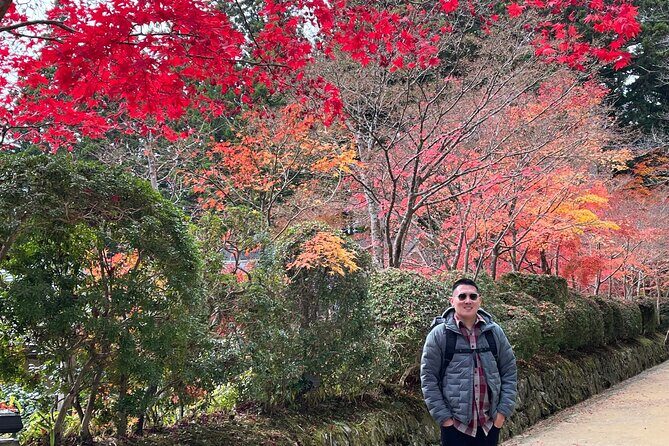
Kongobu-ji Temple is the main headquarters for the Shingon Sect, tied to a tradition that includes thousands of temples across Japan and millions of followers worldwide. On the tour, it’s allotted 1 hour 30 minutes, which is a realistic amount of time to see key interiors and hear what they represent.
What you’re likely to notice here is how institutional this spiritual world can be. This isn’t only quiet prayer spaces; it’s a living religious center with objects and art meant to carry meaning across generations.
The tour also sets you up to see specific features that can otherwise be overlooked, like religious artifacts and fusuma sliding door paintings. These are the kinds of details you might not connect to the bigger story unless someone helps you. A guide’s job here is to connect art and ritual so your visit clicks.
If you like architecture and indoor details, Kongobu-ji is one of the best places for your attention to focus.
Possible drawback: if you’re hoping for lots of time for personal wandering, remember that temple headquarters can be more structured. The visit is still worth it, but your pace will be guided.
You can also read our reviews of more tours and experiences in Osaka

Danjo Garan: the founding ground of Mt. Koya
Next up is Koyasan Danjo Garan, one of the two most sacred sites on Mt. Koya. This is tied to the founding story—Mt. Koya was established there in the 9th century. Kobo Daishi held a dedication ceremony and then dedicated his life to building the spiritual foundation.
You’ll get about 1 hour 30 minutes for this stop. That’s enough time to understand the significance without feeling trapped in a checklist.
What makes Danjo Garan compelling is that it’s about origins. Many sacred places are important because of what came later. Here, the focus is on the starting point—where belief took physical shape. When your guide connects the founding ritual to what’s still standing, the visit feels more coherent.
And because the tour is customizable, Danjo Garan can work well as either a main anchor stop (if you want “core sacred ground”) or as a supporting stop if you’re more into museum/art details.
Reihokan Museum: religious treasures in a calmer setting

After temples and grounds, the Koyasan Reihokan Museum gives you a different rhythm. The museum exists to preserve religious and cultural treasures of Koyasan. The entrance hall is styled after Byodoin Temple in Uji, which adds an extra layer of cultural cross-connection within Japanese Buddhist architecture.
You’ll have about 1 hour here. That’s a good chunk of time for exhibitions without turning it into a fatigue marathon.
Museums can be hit-or-miss if you don’t know what you’re looking at. The value of a guided day is that you can walk through displays with a framework—what matters, what it’s used for, and why certain objects are preserved rather than casually displayed.
If you’re traveling with someone who wants variety—outdoors walking plus indoor context—Reihokan is a perfect middle stop.
Daishi Kyokai and Tokugawa’s Mausoleum: faith meets governance
Koyasan Daishi Kyokai is described as the administrative center of Shingon Buddhism and responsible for spreading Kobo Daishi’s teachings. The complex includes two buildings, and you’ll have about 1 hour to cover it.
This stop can surprise people who assume Koyasan is only about monks and ceremonies. In reality, religious institutions need structure to keep teachings alive and organized. Understanding that makes the whole mountain feel more like a functioning spiritual system, not only an historical site.
Then there’s Tokugawa’s Mausoleum, a very different power story. It was built in 1643 by the third Tokugawa shogun, Iemitsu, to place his family mausoleum close to Kobo Daishi’s mausoleum. On the tour, you’ll spend about 1 hour here.
That juxtaposition is the point. You see how political authority and religious reverence intersected. It’s a reminder that sacred places often sit at crossroads—spiritual, cultural, and historical.
What’s included (and what you should plan for)
This private day trip includes:
- A licensed local English-speaking guide interpreter
- A private vehicle
- A customizable tour of 3–4 sites from the Koyasan highlight list
Many listed stops include free admission tickets on the schedule: Okunoin, Kongobu-ji, Danjo Garan, Reihokan Museum, Daishi Kyokai, and Tokugawa’s Mausoleum are listed with free admission for this tour’s timing.
Not included:
- Entrance fees not tied to the included sights
- Lunch
- Other personal expenses
So, your planning job is mainly about meals and comfort. For lunch, you’ll want to bring a plan—either eat on-site when available or pick a simple option before you head back down. The tour duration is ~8 hours, so don’t rely on a long sit-down meal unless your guide’s timing supports it.
Practical tip: pack a small layer. Even if Osaka is warm, mountain weather can feel different.
Price and value: $898.72 per group can be a bargain or a stretch
At $898.72 per group (up to 2), this is not a cheap day trip. But it can be good value if you’re the type of traveler who benefits from a private guide and doesn’t want to fight transport.
Here’s the math in traveler terms:
- You’re paying for private transportation and a licensed English guide interpreter for a full day.
- The stop list includes major sites tied to Kobo Daishi and Shingon Buddhism.
- Admission for the listed stops is shown as free for the tour’s included visits, which helps your budgeting.
If you were to travel on public transport and then hire a guide for only part of the day, your total time and pacing might get messy. This tour’s value is that it packages the “get there + explain it + manage timing” parts in one private day.
If you’re traveling solo, the cost can feel steep. If you’re two people, it becomes much more reasonable because the vehicle and guide time are split.
Who this Mt. Koya tour fits best
I’d point you toward this tour if:
- you want Shingon Buddhism context, not just sightseeing,
- you like a private pace and pickup from Osaka,
- you’d rather spend money on a guide than time figuring out transfers,
- you want a one-day introduction to core Koyasan sites.
It’s also a good match if your group cares about translation help. In one on-trip example, the guide worked to translate explanations for a second language partner, showing how adaptable the day can feel when communication matters.
Should you book it?
Yes, book it if you’re aiming for a guided, structured day at Mt. Koya with a licensed English-speaking interpreter and private transport from Osaka. This tour shines when you want meaning—why places matter, not only what they look like.
Skip or reconsider if budget is tight, or if you’d rather DIY without paying for private scheduling. Also think about weather: you’ll be walking and outdoors at sacred sites, so bring comfortable shoes and rain-ready layers.
If you want a smooth, explanation-rich day outside Osaka, this private Mt. Koya experience is a strong choice.
FAQ
How long is the Mt. Koya full day tour?
The tour runs about 8 hours.
Is pickup from Osaka included?
Yes, pickup is offered.
Is this a private tour?
Yes. It’s private, so only your group participates.
How many people can be in a group?
The price is per group up to 2.
What sites can we visit?
Your guide customizes 3–4 stops from the Koyasan highlight list, including Okunoin, Kongobu-ji Temple, Koyasan Danjo Garan, Koyasan Reihokan Museum, Daishi Kyokai, and Tokugawa’s Mausoleum.
Are entrance fees included?
Admission tickets are listed as free for the stops on the included highlights. Entrance fees are not included for anything outside the tour’s included sights.
Is lunch included?
No. Lunch is not included.
Can I bring a service animal?
Yes, service animals are allowed.
What about car seats and accessibility?
Car seats and booster seats are limited. Rear-facing car seats are not available, and you need to contact the provider directly if you need them.