REVIEW · OSAKA
Osaka: Private Japanese Calligraphy Experience
Book on GetYourGuide →Operated by Japanese Culture Experience WA NO MA · Bookable on GetYourGuide
Turning a name into calligraphy is weirdly calming. This private Japanese calligraphy experience in Namba turns a simple lesson into a personalized, slow-paced session guided by an instructor in a cozy studio. You’ll choose a theme, learn basic stroke control, then finish with your own artwork you can take home.
What I like most is the private group feel, which makes it easy to pause, ask questions, and move at your pace. I also love that you leave with photos plus a one-of-a-kind piece featuring your name written in Japanese characters, often with a personality angle behind the kanji choice.
One thing to consider: calligraphy is harder than it looks, especially if your hand shakes a bit. Also, you need to come in socks, and the workshop isn’t set up for wheelchair users.
In This Review
- Key points before you go
- Japanese calligraphy in Namba: why this feels like slow travel
- Your 90 minutes: what happens from theme to finished paper
- How the lesson turns your name into kanji (and your personality)
- The art of not panicking: stroke control, patience, and the hand-shake reality
- Colored paper choices and the take-home souvenir effect
- Photos, timing, and the calm private atmosphere
- Meeting point near Shinsaibashi: getting there without stress
- What’s included, what’s not, and what it costs in real terms
- Who should book this Japanese calligraphy class
- When it makes sense to choose this over other Osaka activities
- Should you book the Osaka private calligraphy experience?
- FAQ
- How long is the Osaka private calligraphy experience?
- Is this a private experience or a group class?
- Where do we meet for the calligraphy lesson?
- What should I bring?
- Is tea ceremony included in this calligraphy experience?
- What languages does the instructor speak?
- Is the workshop suitable for wheelchair users?
- Is there a cancellation option and can I pay later?
Key points before you go
- A truly private lesson in Namba, with time set aside just for your group
- Theme-first calligraphy, so your final piece feels personal (not generic)
- Your name in kanji, guided with suggestions based on self-expression
- Instructor support that goes beyond showing strokes, including guidance if you struggle
- Photo-friendly timing, with chances to take pictures during the session
- Kid options, including water calligraphy to keep hands and clothes clean
Japanese calligraphy in Namba: why this feels like slow travel
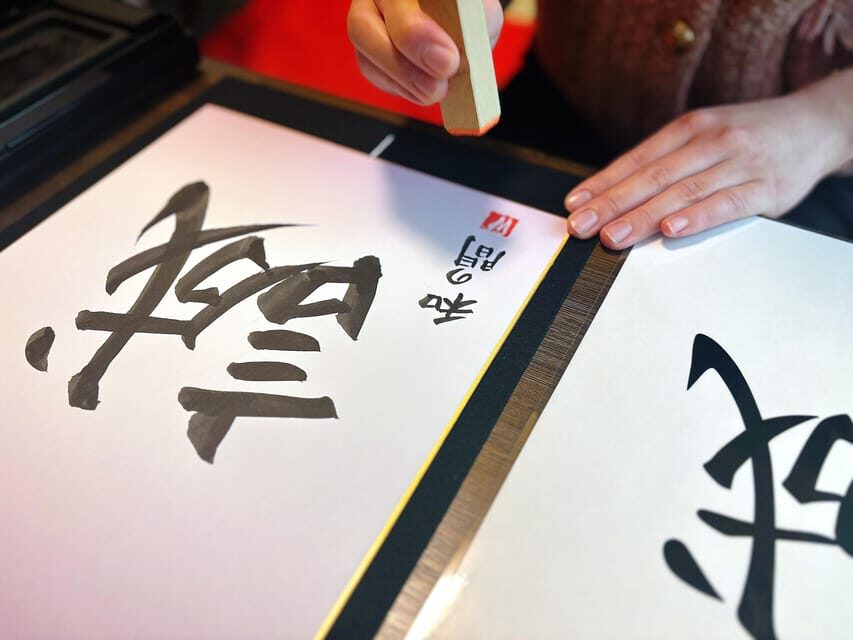
Osaka can be fast. This workshop is the opposite. You trade the street pace of Shinsaibashi for brushwork time, breathing time, and the kind of focused attention that makes a 90-minute class feel longer in the best way.
I like how the experience is structured yet still flexible. Even in a short session, you can ask for small adjustments, like taking lots of photos or going more slowly if you’re with a child.
You can also read our reviews of more private tours in Osaka


Your 90 minutes: what happens from theme to finished paper
The lesson follows a clear flow, and that matters when you’re new to Japanese calligraphy. It starts with you picking what you want to write, then moves into basics, and finally turns everything into a finished artwork.
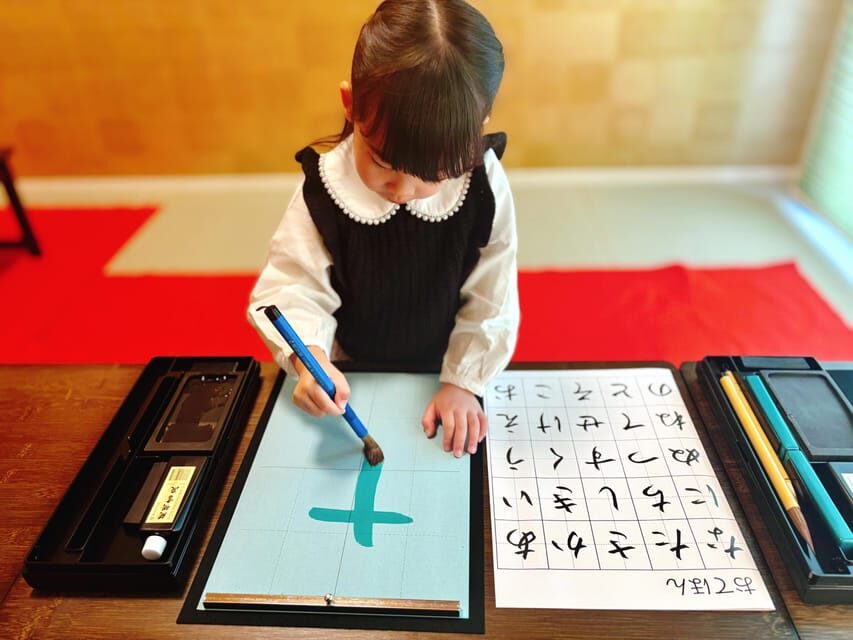
First, you select a theme for the calligraphy session. You can share your favorite letters and words, and the instructor can suggest kanji that match what you want to express. This is one of the easiest ways to make a beginner activity feel meaningful.
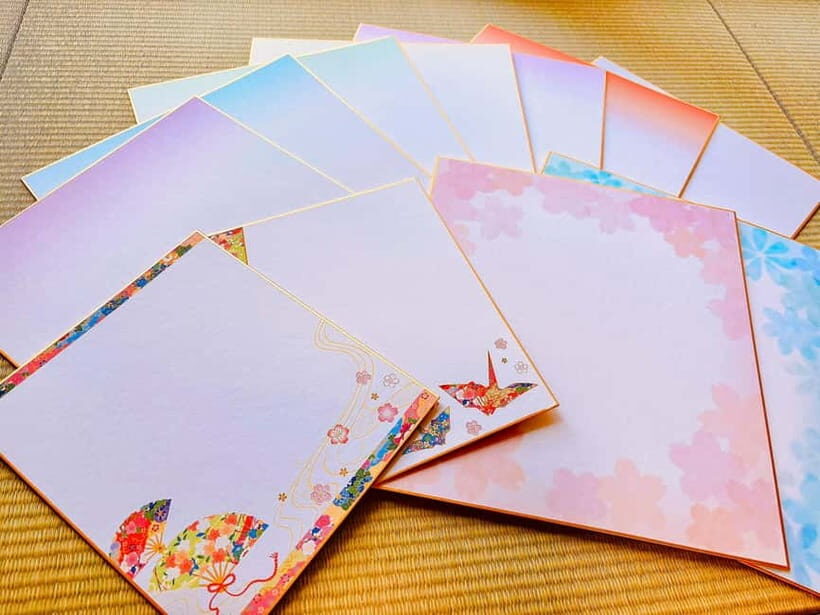
Next comes instruction on basic practices and stroke technique. You’ll learn how strokes are formed and how to control movement with the brush. Then you pick your colored paper from the different options available, so the final piece looks like art rather than a practice sheet.
Last, you put it together. You write your name in Japanese characters, add an initial stamp, and you’re done with a souvenir that looks finished, not rushed.
How the lesson turns your name into kanji (and your personality)
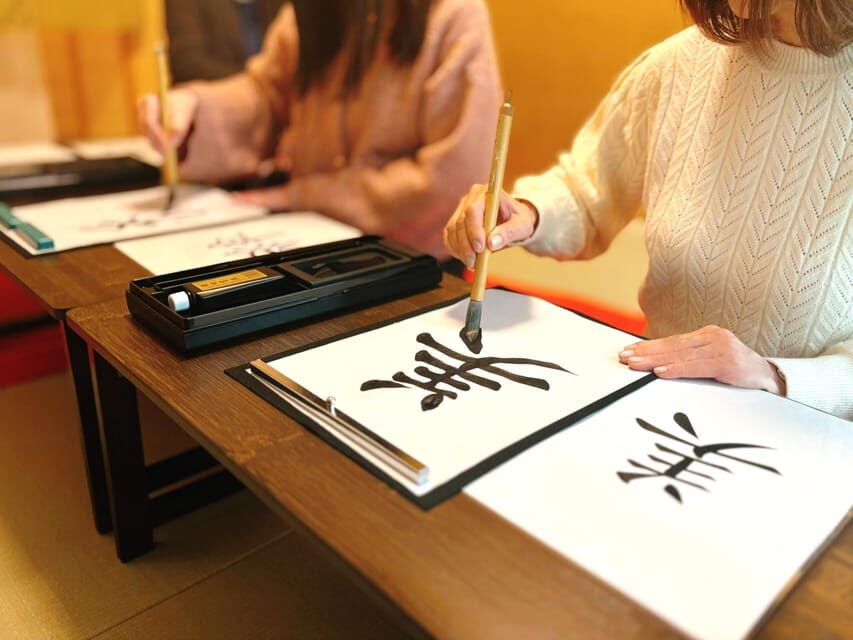
The headline here is personal: the calligraphy can translate your name into kanji based on your personality. That doesn’t mean you’ll invent a secret code. It means you’ll work with kanji choices tied to meaning and self-expression, with guidance from the instructor.
In practice, this makes the lesson feel more like creative writing than copying symbols. You’re not only learning how to write. You’re also learning why strokes matter and how kanji can carry a vibe.
You’ll also get help deciding what to write beyond just your name. The theme selection can be something you’re into that day, or a word that represents how you want your trip to feel. If you want your final paper to look like you, this process does the job.
The art of not panicking: stroke control, patience, and the hand-shake reality
Calligraphy isn’t automatic. Even when the instructor is guiding step by step, you’ll quickly notice that the brush moves differently than a pen.
That’s where the private format shines. A good instructor doesn’t just show you once and hope you copy it. They keep watching your strokes, adjust your movement, and guide you when you’re struggling. Several people highlight how supportive the teaching feels, including hands-on feedback when needed.
If your hand shakes, plan for a slow start. The goal is steady strokes, not speed. Take your time. The calmer you are, the easier it gets, and you’ll likely feel yourself improve during the session.
Colored paper choices and the take-home souvenir effect
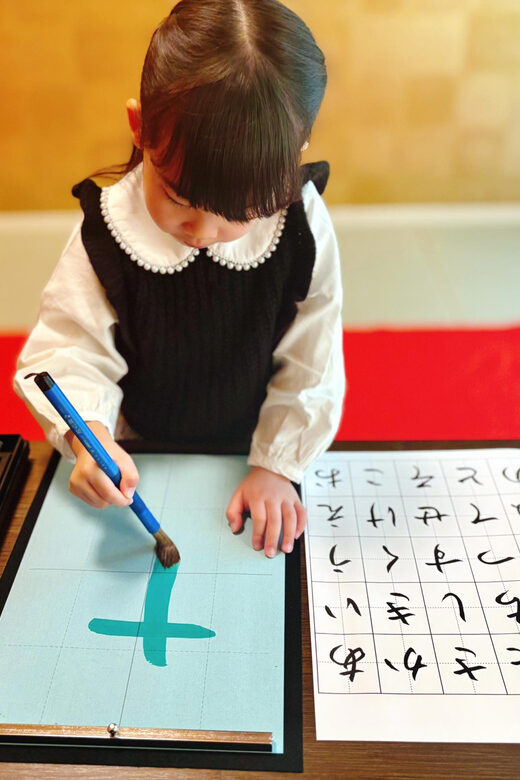
The colored paper selection is a small detail that makes a big difference. When you choose the paper yourself, your final artwork looks more intentional, like a piece you ordered from an artist, not a class worksheet.
Then comes the finishing touches. You write your name in Japanese characters, stamp your initials, and that signature-like step makes the artwork feel complete. You end up with an original, one-of-a-kind item you can display at home.
You’ll also have something else to take home besides the paper: a clearer sense of how Japanese calligraphy works as a skill and as an art form. People often mention the session feels relaxing, almost like quiet focus, because you’re learning breathing and controlled movement along with the strokes.



Photos, timing, and the calm private atmosphere
This is set up as a private experience, and it shows. You’ll have a dedicated time slot, and the instructor pays close attention to everyone in your group.
You can request photo time, and you can take pictures during the session. That’s a big deal for calligraphy, because the work happens in stages. If you want to capture your theme choice, your practice stroke progress, and the final name writing, the timing supports it.
The session also works well if you’re traveling with kids. One review notes water calligraphy is available for younger children to prevent hands and clothes getting dirty. That’s the kind of practical decision that keeps families comfortable.
Meeting point near Shinsaibashi: getting there without stress
The meeting point is easy once you know what to look for. Come to the entrance of New Osaka Hotel Shinsaibashi, then walk west for about 30 seconds. There’s a blue vending machine near the entrance.
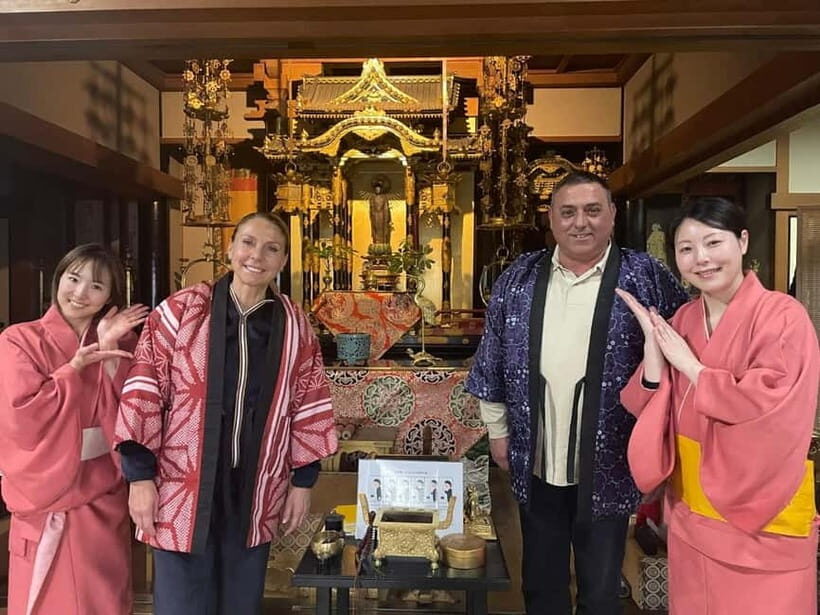
Arrive about 5 minutes early. The staff waits outside the building in front of the main entrance, and you’ll notice them because they wear kimonos.
This location in Namba is convenient if you’re already in the Shinsaibashi area. You can pair the workshop with shopping and dinner nearby without needing a complicated transport plan.
What’s included, what’s not, and what it costs in real terms
You pay $51 per person for a 90-minute private calligraphy experience. What you get is instructor time, colored paper for your calligraphy work, and all fees and taxes.
What’s not included is a tea ceremony. If you want tea as well, you’d need to reserve a separate plan specifically for tea and calligraphy together.
Is $51 good value? For Osaka, it’s hard to beat when you consider the structure. A private lesson means you’re not sharing attention with multiple language learners. Plus, you take home a finished artwork with your name and initials, not just a one-page worksheet.
And because it’s only 90 minutes, it fits into a day without stealing a whole afternoon. That matters when you’re trying to balance culture time with food time and sightseeing time.
Who should book this Japanese calligraphy class
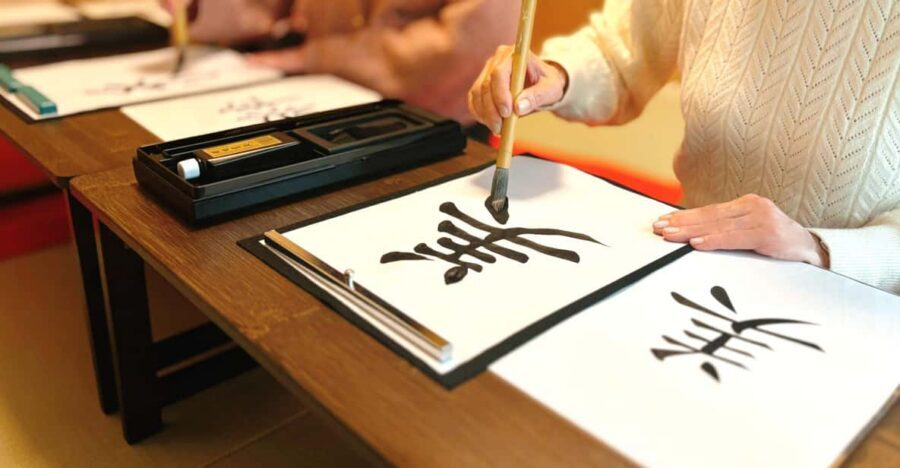
Book this if you want something authentic but not exhausting. You get a genuine cultural craft, guided by a friendly instructor who speaks English and Japanese, and you leave with an object you made yourself.
It’s also a smart choice for couples and families who want a shared activity. People mention doing the class as a family group and enjoying both learning and the quiet vibe.
If you hate sitting still, this might feel too slow. The class is about controlled movement and focus. But if you can handle 90 minutes of calm instruction, you’ll likely enjoy it.
When it makes sense to choose this over other Osaka activities
Calligraphy is one of those experiences that gives you a story that lasts. A photo is nice, but a paper artwork with your name in Japanese characters is the kind of souvenir you’ll remember when you see it months later.
It also works well as a cultural contrast. If your day is mostly food stalls, shopping streets, and bright signage, calligraphy gives you a calmer rhythm. You still get Osaka energy, just at a softer volume.
Should you book the Osaka private calligraphy experience?
If you want a meaningful, hands-on cultural activity with a real take-home result, I’d say yes. The biggest reasons are the private instruction and the fact that your final piece is personalized, not generic.
The only real downside is practical: calligraphy takes patience, and you’ll need to show up in socks. Also, wheelchair users aren’t accommodated based on the provided information.
If that’s not a problem for you, this is one of the better short cultural stops in Namba. You’ll walk out with a finished artwork, photos to remember how you made it, and a calmer feeling than you started with.
FAQ
How long is the Osaka private calligraphy experience?
It lasts 90 minutes.
Is this a private experience or a group class?
It is a completely private group experience.
Where do we meet for the calligraphy lesson?
Meet at the entrance of New Osaka Hotel Shinsaibashi. Walk west about 30 seconds to find the blue vending machine, then wait outside in front of the main entrance.
What should I bring?
Wear socks.
Is tea ceremony included in this calligraphy experience?
No. Tea ceremony is not included. A separate tea-and-calligraphy plan is available if you want both.
What languages does the instructor speak?
The instructor can teach in English and Japanese.
Is the workshop suitable for wheelchair users?
No, it is not suitable for wheelchair users.
Is there a cancellation option and can I pay later?
Free cancellation is available up to 24 hours in advance for a full refund, and you can reserve now and pay later.