REVIEW · OSAKA
1.5〜2 Hours Traditional Kintsugi Work Shop in Namba Osaka
Book on Viator →Operated by Zenkei 金継ぎ体験 · Bookable on Viator
Gold seams on a broken dish sounds wild. In Namba, Osaka, this 1–1.5 hour kintsugi workshop teaches you to repair with lacquer and 23K gold in a small group of up to five.
I like the personal instruction you get from your guide, often listed as Jo / Josuke / Jo-San, and I like the way the session mixes hands-on craft with a look at Japanese art and antiques in the studio area.
One thing to factor in: you don’t walk out with the final cured piece the same day. Your plate is finished off-site and sent to you later, and international shipping costs extra.
In This Review
- Kintsugi workshop quick hits (Namba, Osaka)
- Kintsugi in Namba: small-class craft time that feels like a side door into Osaka
- What you make: a kintsugi plate with real 23K gold powder
- Inside the kura studio: wood architecture, art pieces, and a quiet rhythm
- The lesson flow: history first, then lacquer and gold, then your turn
- Drying and the 5–7 day wait: why you don’t take home a finished piece immediately
- Price and value: what $125.53 really covers (and what it doesn’t)
- Morning or afternoon class options and how the meeting point affects your day
- Who should book this kintsugi workshop (and who should skip lacquer)
- Practical tips so your plate experience goes smoothly
- FAQ
- FAQ
- How long is the kintsugi introduction workshop in Namba?
- What do I create during the class?
- When do I receive my finished kintsugi plate?
- Is shipping included?
- Is the class suitable if I have a lacquer allergy?
- Where does the workshop start, and is public transport nearby?
- Should you book Zenkei 金継ぎ体験 in Namba?
Kintsugi workshop quick hits (Namba, Osaka)
- Max 5 people means more time for questions and corrections
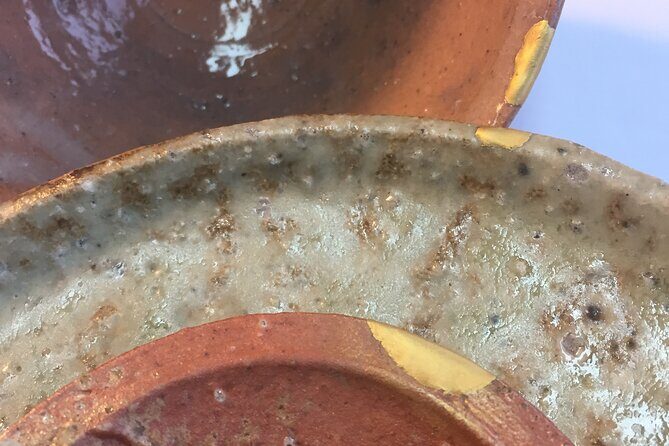
- 23K gold powder goes onto lacquer so you can see the “gold seam” effect up close
- Traditional kura studio with wood architecture plus an art-and-antiques gallery to browse after
- You decorate a plate and learn the craft behind lacquer repair, not just the final step
- Curing then shipping (5 to 7 days) so you get a properly set finish
- Matcha and mochi at the end is commonly mentioned as part of the experience
Kintsugi in Namba: small-class craft time that feels like a side door into Osaka
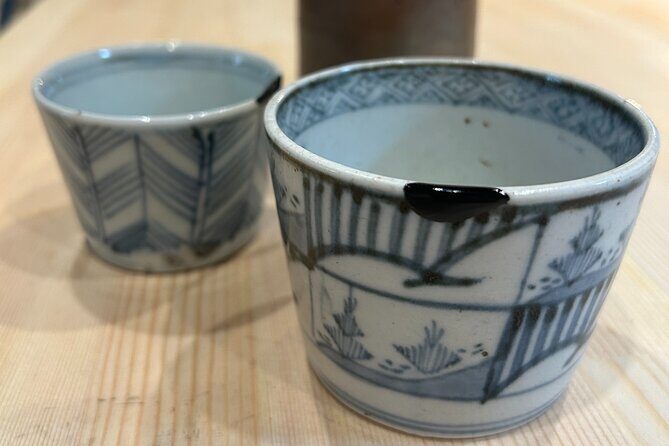
Osaka is loud in the best way, but this class is a calmer pocket of the city. You’re learning kintsugi—the Japanese craft of mending shattered pottery with lacquer, often accented with gold—inside a traditional wooden setting.
The big practical win is the size. With a maximum of five people, you’re not stuck watching from the back of the room, and your instructor can slow down when something feels tricky.
You can also read our reviews of more tours and experiences in Osaka


What you make: a kintsugi plate with real 23K gold powder
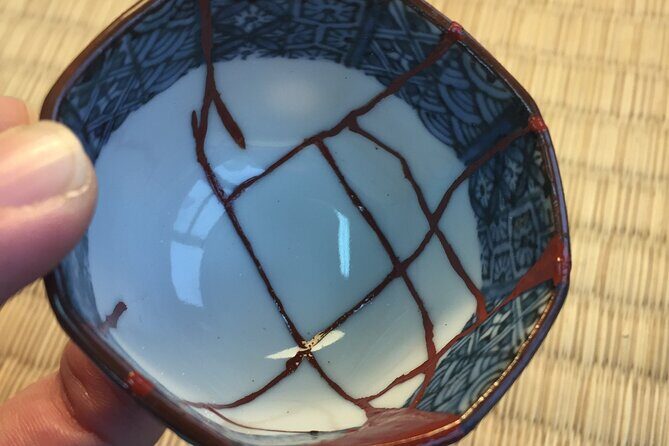
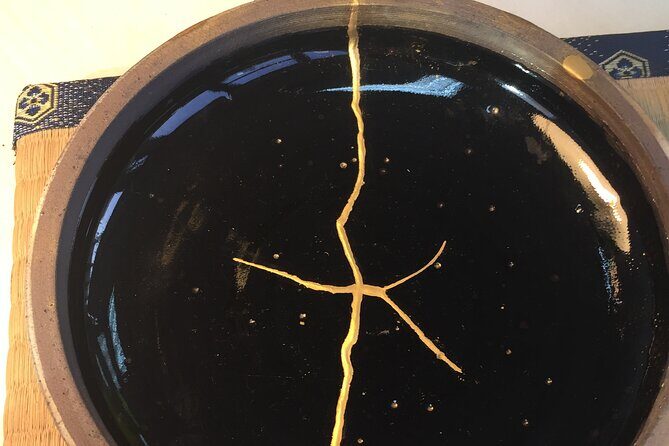
This is not a souvenir workshop where you slap on glitter and call it done. The core goal is clear: you’ll create your own kintsugi plate using 23K gold powder on lacquer as part of the process.
You’ll also learn the history and the reasoning behind the technique. Kintsugi is often described as accepting repair and valuing the object’s story, and the class format is set up to connect the meaning to the steps you’re doing.
Expect to leave understanding both the “how” and the “why,” not just receiving instructions for one decoration pass.
Inside the kura studio: wood architecture, art pieces, and a quiet rhythm
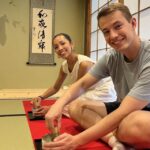
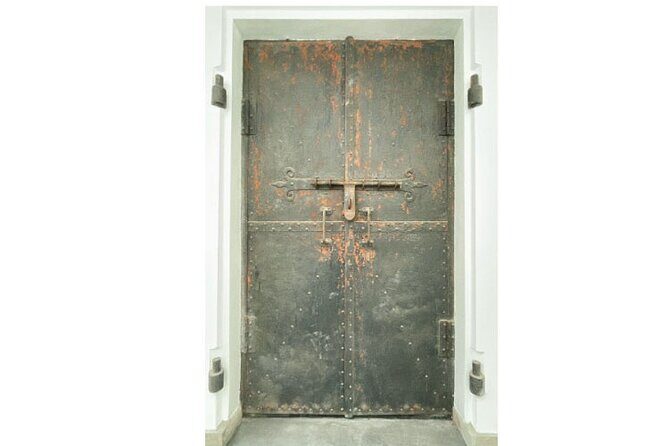
The workshop takes place in a traditional Japanese building called a kura. That matters more than it sounds. Wood architecture and a workshop layout change the mood—you tend to slow down and focus on what your hands are doing.
There’s also a gallery area where you can see Japanese art and antiques. After your session, you can linger and explore the wooden structure, which is a nice option if you’re getting tired of walking and want something atmospheric that doesn’t require a reservation for every stop.
If you’re the type who likes to watch how artisans set up tools and reference examples, you’ll probably enjoy this part.
The lesson flow: history first, then lacquer and gold, then your turn
Your workshop is an introduction format (about 1 to 1.5 hours, roughly), and it follows a simple rhythm.
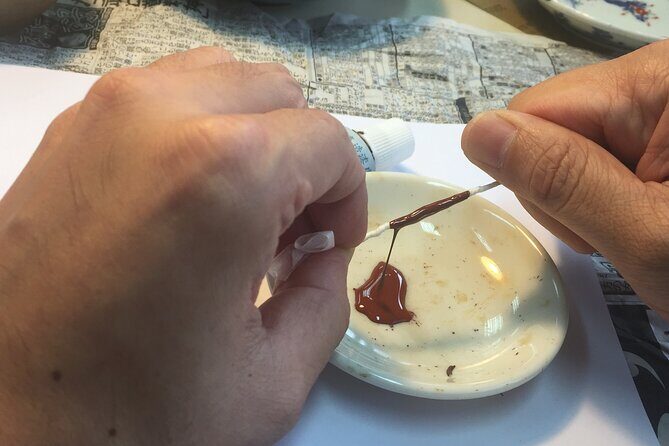
First, you learn about traditional kintsugi and lacquer history. The instruction includes an overview of the process so you know what each stage is meant to do—especially important before you start working with lacquer and gold powder.
Then comes the hands-on portion:
- you decorate a kintsugi plate with gold powder
- you make your own plate using the class method, with 23K gold as the accent
Some people also mention an additional tea moment afterward, and that can help turn the class into a full “slow afternoon” rather than a quick craft stop.
Drying and the 5–7 day wait: why you don’t take home a finished piece immediately
Here’s the timing reality. After the workshop, your plate needs time to cure properly. You’ll receive it in 5 to 7 days, and that waiting period is part of why the result tends to look clean and intentional.
If you’re planning this as a gift, I’d treat it like a mail-order item you personalize. Plan ahead so the cured plate arrives when you actually need it.
Shipping is available:
- Domestic shipping within Japan is free
- International shipping costs 5,000 yen
So, if you’re crossing borders with the finished plate, build that cost into your total. If you’re staying in Japan and can receive it there, the value improves.


Price and value: what $125.53 really covers (and what it doesn’t)
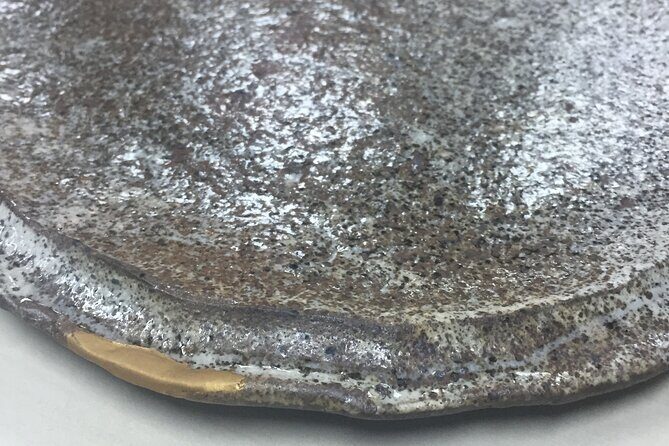
At $125.53 per person, this lands in the “craft experience” range, but it’s not just paying for sitting at a table.
You’re getting:
- a small-group format (max five)
- instruction about the tradition and meaning
- the provided materials for kintsugi
- the gold-accent process using 23K gold powder
- your finished plate sent to you after curing (with domestic shipping free)
What’s not included (if you’re outside Japan) is the international shipping fee of 5,000 yen. The base price is still fair once you remember you’re not buying a basic entry kit and going home with an unfinished craft project.
If you want the “real method” experience—rather than a craft class that leaves you uncertain—this is a strong use of budget.
Morning or afternoon class options and how the meeting point affects your day
Classes run in both morning and afternoon, which makes it easier to fit into an Osaka itinerary. If you like making space for one calm, focused activity, this is ideal.
The meeting point is in Namba area at:
Japan, 556-0016 Osaka, Naniwa Ward, Motomachi, 2-chōme 6-30 (マンション ニューナンバ)
Because it’s a studio-style location, give yourself a little time to find the entrance. One helpful approach: arrive early, take a quick walk around the block, and don’t treat it like a “show up at the minute” appointment.
The activity ends back at the meeting point, so you can pivot to dinner or a nearby shrine without a long transfer plan.
Who should book this kintsugi workshop (and who should skip lacquer)
This is a great fit if you want a hands-on cultural experience in Osaka that’s not about big sightseeing lines. You’ll get focused guidance, a real craft outcome, and the satisfaction of something you can display later.
It’s also a good choice if you’re curious about Japanese aesthetics. Kintsugi isn’t just decoration. You learn how lacquer and gold are used to repair, and that changes how you look at “broken” things afterward.
Who should be cautious:
- If you have a lacquer allergy, this is not recommended
- If you prefer ultra-fast experiences where you leave with everything finished immediately, you’ll need patience for the 5–7 day cured delivery
Practical tips so your plate experience goes smoothly
A few practical notes can make this smoother:
- Bring your questions. Small group size means you can get real answers, not vague generalities.
- If you’re sensitive to materials, double-check that lacquer is part of your concerns before booking.
- Save time to locate the studio entrance. It’s not a giant landmark, so a calm arrival helps.
- Expect a process, not a shortcut. Several people end up thinking they can try it later at home—because the class is built to teach the method, not just the result.
One extra note: some people report the design style can look different from the classic “cracked pottery” look you see in photos. You might find your plate seam pattern is shaped for the class method, and that’s still part of the learning.
FAQ
FAQ
How long is the kintsugi introduction workshop in Namba?
The workshop is about 1 hour 30 minutes (approximately). It’s described as an introduction session lasting around 1 to 1.5 hours.
What do I create during the class?
You’ll decorate and make your own kintsugi plate using lacquer and 23K gold powder.
When do I receive my finished kintsugi plate?
After the course, you receive your decorated plate in 5 to 7 days.
Is shipping included?
Domestic shipping within Japan is free. International shipping is available but has an added charge of 5,000 yen.
Is the class suitable if I have a lacquer allergy?
It is not recommended for people with a lacquer allergy.
Where does the workshop start, and is public transport nearby?
The meeting point is in Naniwa Ward, Motomachi (Manション ニューナンバ). It’s near public transportation, and the tour ends back at the meeting point.
Should you book Zenkei 金継ぎ体験 in Namba?
If you want a small-group, hands-on kintsugi class where you make something with 23K gold and learn the craft behind it, this is an easy yes. The traditional kura setting and the studio gallery add real atmosphere without turning the day into a frantic schedule.
Only book if you’re comfortable with the tradeoff: you’ll wait for curing and get your plate 5 to 7 days later (and international shipping costs extra). If that timing works for you, you’ll leave with a meaningful object and a calmer memory of Osaka than another list of photo spots.