REVIEW · OSAKA
Osaka Private Custom Tour with Local Guide
Book on GetYourGuide →Operated by Travel Japan Together · Bookable on GetYourGuide
Osaka feels like it runs on stories and street food, and this private tour is a fast way in. I like the mix of big-name sights with quieter stops, so you get both the postcard Osaka and the local rhythm. I also love the English-speaking local guides, since they answer real questions, not just recite facts.
The route hits Osaka Castle and Dotonbori with smart pacing, and the guide adjusts for how you walk. One possible drawback: food and entrance fees aren’t included, so you’ll want a separate budget for tickets and snacks.
In This Review
- Key highlights at a glance
- Why this private Osaka route works when you have limited time
- Pickup in Osaka and why pacing matters more than you think
- Osaka Castle: viewpoints, context, and time to actually enjoy it
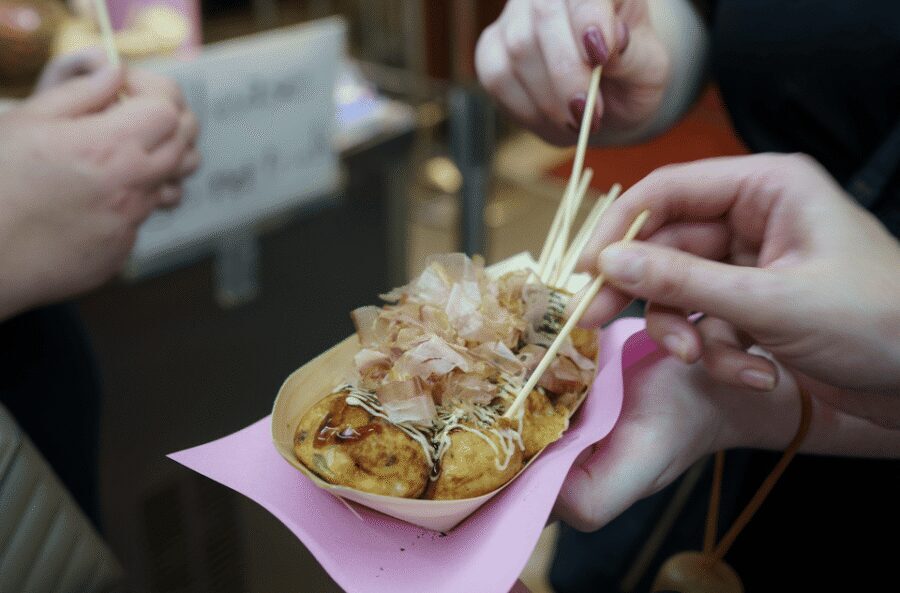
- Kuromon Ichiba Market: where to graze with less guesswork
- Dotonbori: neon Osaka with a guide’s stories to go with it
- Hozenji Temple: the calm pocket you’ll thank yourself for
- Shinsekai: a different side of Osaka, one focused hour
- Guide quality: Kosuke, Soma, Andy, and what you’ll notice
- Price and value: $24 per person, and what to budget beyond that
- What the tour includes, and how to get the most out of it
- Practical tips before you go
- Should you book this Osaka Private Custom Tour?
- FAQ
- How long is the Osaka private custom tour?
- Is this tour private?
- What language is the live guide?
- Where does pickup happen?
- Which main stops are included?
- Is Hozenji Temple included?
- Are food and drinks included in the price?
- Are entrance fees included?
- Do I pay for transportation during the tour?
- What are the cancellation terms?
- Can I reserve now and pay later?
Key highlights at a glance
- Private guide + pickup in Osaka so you’re not figuring transit out on day one
- Osaka Castle with time to see the viewpoints and hear the story
- Kuromon Ichiba Market for an easy, low-stress start to Osaka food culture
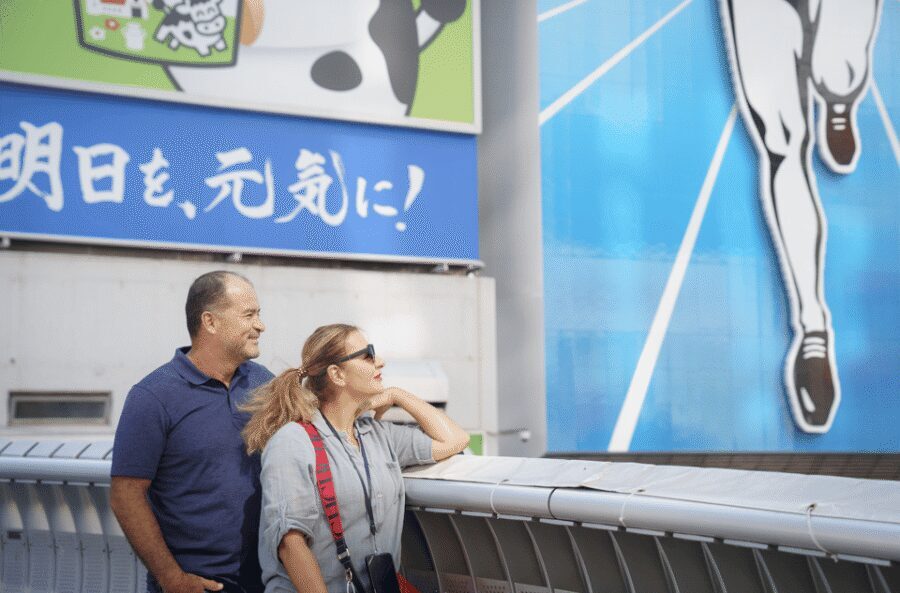
- Dotonbori for canal-side energy and the neon Osaka you came for
- Shinsekai for a different, more old-school Osaka mood
- Hozenji Temple as a calmer break from the main streets
Why this private Osaka route works when you have limited time
Osaka can feel like a choose-your-own-adventure city: temples one minute, neon the next, and markets that pull you off course. This tour makes it simple. You follow a plan that links the city’s main neighborhoods into a walkable arc, with a local guide to interpret what you’re seeing.
I also like how the experience is flexible. The duration ranges from 1 to 7 hours depending on the slot you book, so you’re not stuck with a one-size-fits-all day. And because it’s private, you can set the tone—slow walk, lots of photo stops, or more time in one area.
The tour is designed around the question you probably have on arrival: what should I do in Osaka besides eat? The guide turns landmarks into context, and context helps you enjoy the food even more.
You can also read our reviews of more guided tours in Osaka

Pickup in Osaka and why pacing matters more than you think
You start with pickup from your accommodation in Osaka city (if your hotel is within the city area). That small detail matters. It cuts down the usual first-day friction: meeting points, train navigation, and that moment when you’re already tired but still have to figure out where to go next.
Pacing is a consistent theme in the guide feedback. Guides like Kosuke have been praised for taking their time when guests don’t walk fast, and for keeping the group comfortable rather than rushing. That’s a big deal at Osaka Castle and around Dotonbori, where crowds can make you feel behind even when you’re not.
This is also where the private format pays off. If you want to ask transport questions (subways came up in a couple of mentions), you can. If you want extra bathroom breaks or a pause for shade, you can. It’s your walk.
Osaka Castle: viewpoints, context, and time to actually enjoy it
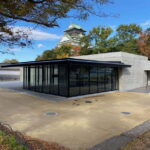
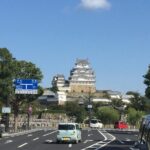
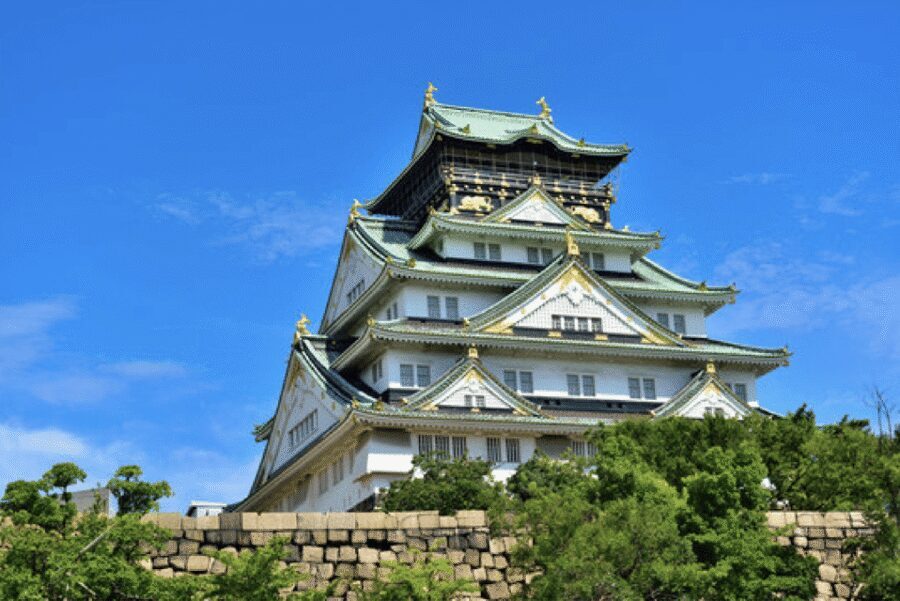
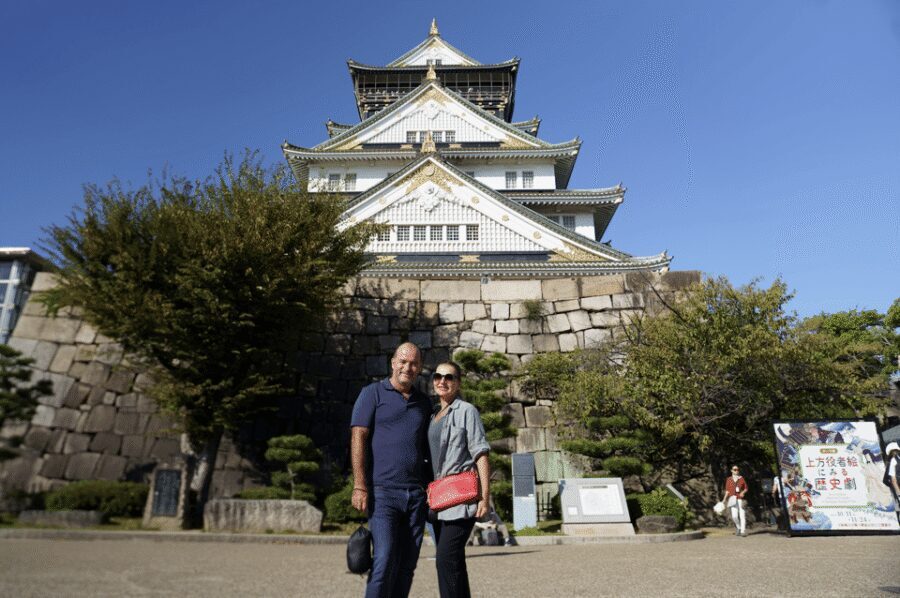
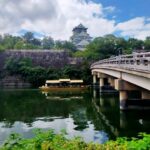
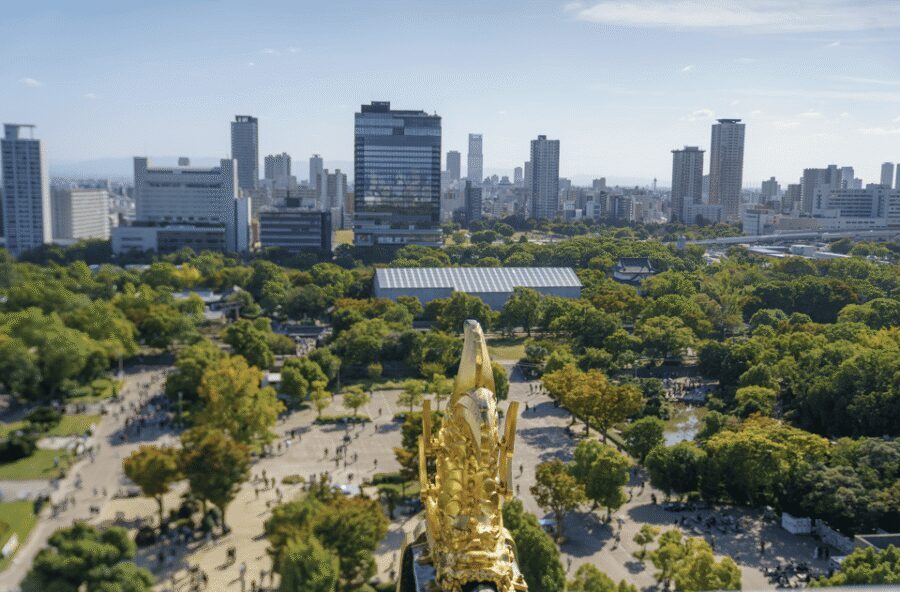
Osaka Castle is the tour anchor, with about 1.5 hours planned there. Even if you’ve seen castles in other cities, Osaka Castle tends to land differently because of how the guide connects the site to the city around it.
Kosuke, one of the guides who’s been highlighted, is described as especially strong on history at the castle. The key for you isn’t memorizing dates. It’s understanding why certain parts of the castle matter, what the site represents, and how Osaka’s story connects to today’s neighborhoods.
If you want the practical angle: you’ll have time to orient yourself on-site and take in the views, not just pass through. And if the timing is hot, having a guide who can manage ticket steps (more on that below) helps you waste less time waiting.
Kuromon Ichiba Market: where to graze with less guesswork
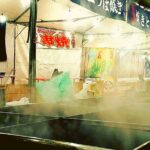
After the castle, the tour moves to Kuromon Ichiba Market for about 1 hour. This is where you can try Osaka’s food culture without turning your day into a food scavenger hunt.
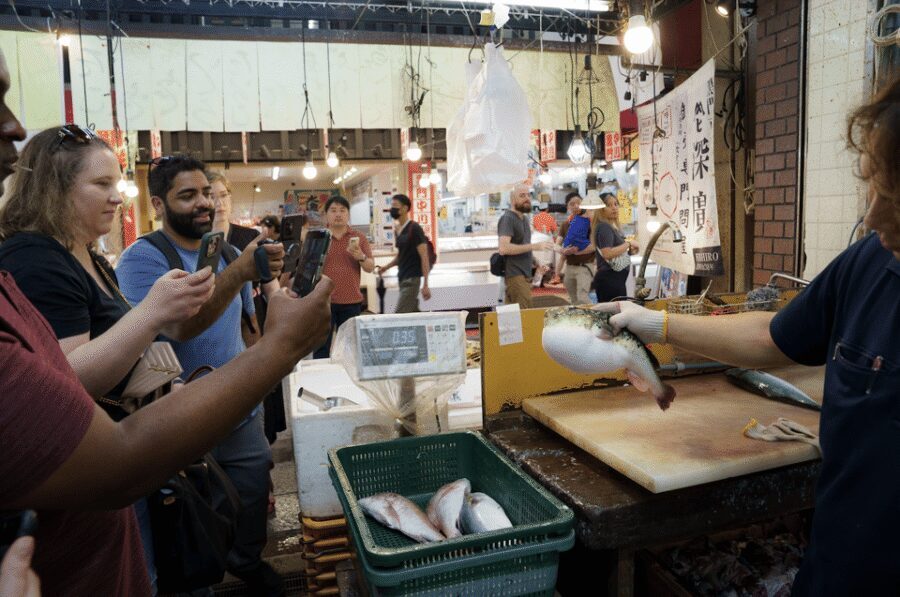
A local guide makes a difference at Kuromon because the market is busy and options can multiply fast. You’ll likely get suggestions for what to look for and what to try first, based on how adventurous you feel. That matters if you’re traveling with picky eaters, teens, or people with dietary concerns.
One important detail from a guide-focused mention: a guide was careful with a guest’s allergies. So if you have allergy needs, tell the guide up front. This tour isn’t marketed as an allergy-only service, but that example shows real care can happen when you communicate early.
Food and drinks are not included, so think of Kuromon as a guided shopping-and-tasting hour. Go in hungry, but keep a little cash aside for snacks, drinks, and anything you just can’t resist.
Dotonbori: neon Osaka with a guide’s stories to go with it
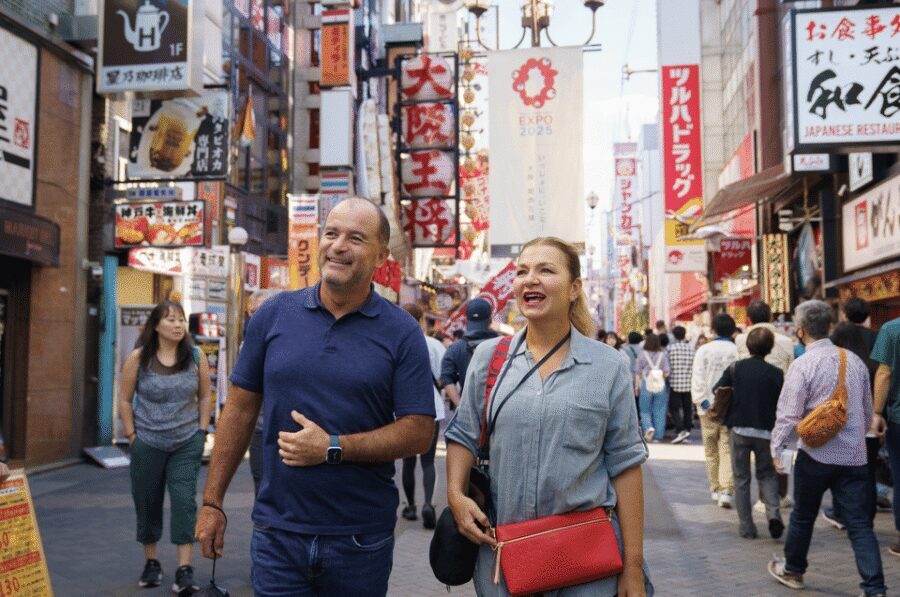
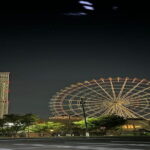
Next is Dotonbori for about 1 hour. This is the canal-side, neon-sign Osaka that you’ve probably seen on photos. The guide’s value here is interpretation: what you’re looking at, how Dotonbori fits into the city’s modern identity, and why the streets feel the way they do.
Dotonbori is also a practical photography zone. If you’re trying to time shots around crowds, you’ll appreciate having someone who knows how to walk the flow. Plus, the guide can point out good angles and where to pause so you don’t end up crossing the street ten times for the same photo.
In at least one guide mention, Kosuke shared stories at Dotonbori and used local knowledge to make the experience feel more like walking with a friend than touring. You still get the icons, but you also get the why behind them.
You can also read our reviews of more private tours in Osaka
Hozenji Temple: the calm pocket you’ll thank yourself for

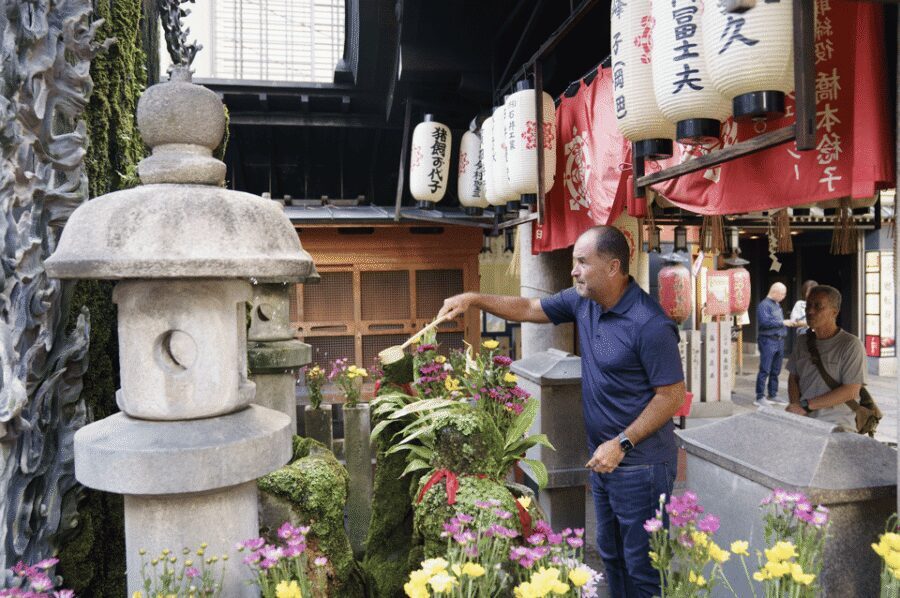
The tour description includes a quieter stop at Hozenji Temple. This is the kind of moment that makes your Osaka day feel complete, because it gives your brain a reset between the big energy stops.
You’re not going from one crowd to another crowd without breathing room. Instead, you get a calmer setting where you can slow down, look up, and appreciate the contrast between everyday temple space and the entertainment streets nearby.
I like that this kind of stop prevents your tour from feeling like a checklist. When you take a short pause in a temple setting, the rest of the day’s visuals land better. Everything from signs to street scenes starts to feel intentional.
Shinsekai: a different side of Osaka, one focused hour
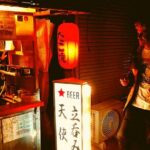
Shinsekai is included for about 1 hour. This is a mood shift from Dotonbori. You trade neon along the canal for a more old-school, neighborhood feel where the area’s identity shows up in the details.
A good guide helps you notice things you might otherwise skip—what the neighborhood is known for, where to look for the most recognizable views, and how to keep your walking route sensible. That matters because Shinsekai can be easy to photograph, but it’s also easy to waste time circling without a plan.
This stop is great if you want Osaka that feels less like a theme park. It’s a chance to see how the city’s entertainment culture has older roots and why locals still treat these streets as part of daily life.
Guide quality: Kosuke, Soma, Andy, and what you’ll notice
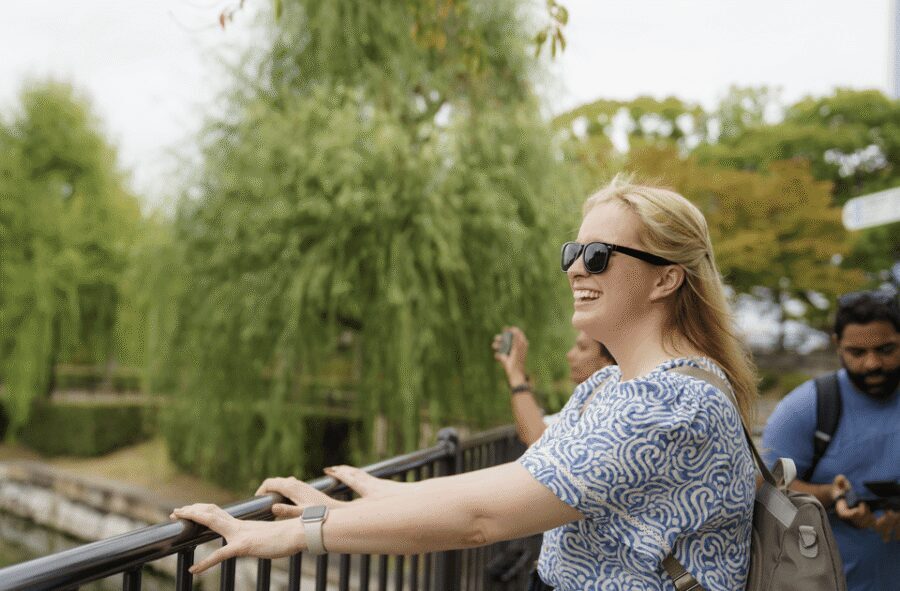
The strongest recurring theme is guide personality plus real city fluency. Kosuke is repeatedly described as excellent on history and careful pacing, even for guests who don’t walk fast. Larry’s experience also highlighted help with subway know-how, which is practical if you’re planning the rest of your trip after the tour.
Soma is described as friendly and engaging, with strong storytelling at Osaka Castle and Dotonbori, and impressive local food knowledge at Kuromon Ichiba Market. Andy is described as fun and insightful, with a mention that food was delicious and that the guide was careful with allergies.
One practical service detail worth your attention: a guide reportedly used an app to purchase entry tickets so the group could skip lines. That’s exactly the kind of advantage that saves vacation time, especially when it’s hot.
Also pay attention to communication. One experience mentioned fast message replies via WhatsApp and accommodating last-minute changes. Even if your plan is simple, it’s reassuring to know the support is responsive.
Price and value: $24 per person, and what to budget beyond that
At $24 per person, this is priced as a budget-friendly way to get a private English guide, pickup, and a structured walking plan. For Osaka, that’s strong value compared to the cost of doing everything “on your own plus a guide for only one stop.”
But here’s what you need to budget for. Food and drinks aren’t included. Entrance fees aren’t included. Transportation fees aren’t included either, and the description also notes host lunch and entrance tickets are not part of your cost.
That means your best strategy is simple: set aside money for snacks at Kuromon and any paid entry points the guide suggests. If you’re planning to shop for street treats, build in a little extra. If you want museums or paid views, plan ahead on ticket costs.
If your goal is to get your bearings quickly and learn what to do next, the value is clear. You’re paying for time saved, for local context, and for not having to translate signs and subway logic on day one.
What the tour includes, and how to get the most out of it
The included parts are straightforward: a local tour guide, pickup from your accommodation within Osaka city, and itinerary planning support. The guide is English-speaking and operates as a private group.
To get the most out of the “custom” part, bring a few preferences. If you’re more interested in temple atmosphere than street food, say it. If you want more photo breaks, say it. If your family has accessibility concerns, mention how fast you walk so the guide can pace correctly.
Also, ask questions that unlock better wandering. Examples that have real payoff:
- Where should I try first at Kuromon if I only have one hour?
- What’s the easiest subway pattern for the next day?
- Where should we pause in Dotonbori for the best photos with the least crowding?
When your guide knows what you care about, the whole walk feels more personal.
Practical tips before you go
Wear shoes you don’t mind getting a little street-dusty. This is a walking tour with market streets and temple areas, and even with a good pace, Osaka sidewalks and crosswalks add up.
Bring water and plan to buy snacks as you go, since food and drinks aren’t included. If you have allergies, tell the guide clearly so suggestions and ordering stay safe. One guide experience showed allergy care, and that’s the kind of responsiveness you want.
And plan for weather. Even though the tour is private, you’ll still be outdoors during major stops like Dotonbori and the walk to Shinsekai. If it’s hot, ask your guide about shade breaks and slower pacing.
Finally, arrive ready to look up and ask why. With the right guide, Osaka’s signs and scenes make more sense than you expect.
Should you book this Osaka Private Custom Tour?
Book it if you want a fast, well-paced orientation to Osaka with an English local guide. It’s especially worth it when you’re mixing first-timer landmarks like Osaka Castle and Dotonbori with neighborhood energy at Shinsekai and a calmer contrast at Hozenji Temple.
Skip or rethink it if you want a tour that already includes food, ticket costs, and transit. Since those aren’t included, you’ll need to budget and manage your own spending on top of the tour price.
If you value guidance, flexibility, and a guide who can explain what you’re seeing (and adjust to how your group walks), this one is a strong choice for a 1–7 hour Osaka introduction.
FAQ
How long is the Osaka private custom tour?
The duration can be 1 to 7 hours, depending on the starting time slot available.
Is this tour private?
Yes. It’s a private group tour.
What language is the live guide?
The live tour guide speaks English.
Where does pickup happen?
Pickup is included if you are staying at a hotel within Osaka city, and the guide will pick you up from your accommodation.
Which main stops are included?
The tour includes Osaka Castle, Kuromon Ichiba Market, Dotonbori, and Shinsekai.
Is Hozenji Temple included?
The tour description includes Hozenji Temple as one of the lesser-known spots you may visit.
Are food and drinks included in the price?
No. Food and drinks are not included.
Are entrance fees included?
No. Entrance fees are not included.
Do I pay for transportation during the tour?
Transportation fees are not included.
What are the cancellation terms?
Free cancellation is available up to 24 hours in advance for a full refund.
Can I reserve now and pay later?
Yes. You can reserve now & pay later.