REVIEW · OSAKA
Exclusive Luxury Day Tours Serene Nara
Book on Viator →Operated by Sakura Concierge · Bookable on Viator
Deer, temples, and a calm ride. This private Nara day—run by Sakura Concierge with hotel pickup from Osaka or Kyoto—solves the hardest part of sightseeing: getting there smoothly. I love the air-conditioned private vehicle and the fact that you can tailor the day around 3 or 4 sites instead of getting dragged through everything. The one drawback is that several of the star attractions require separate entrance fees, so your yen budget can climb fast.
What really makes this feel high-value is the human touch. In past bookings, guides like Kumiko and Hiromi planned the route around what families wanted to see and answered questions about history, language, and culture. Just keep in mind the day is only 8–9 hours, so you’ll want to choose your “musts” carefully and let the driver set the pace.
In This Review
- Key highlights that matter before you go
- Luxury, But With a Real Plan: Private Nara From Osaka or Kyoto
- Choosing Your 3–4 Stops: How to Build the Right Day
- Nara Park and Todai-ji: The Classic Start That Saves Energy
- Kasuga Taisha and the Shrine Walk Through Red Torii
- Museums, Gardens, and Machiya Streets: Slower Sights That Add Variety
- Nara National Museum
- Isuien Garden
- Naramachi: Machiya townhouses and Harushika medicinal sake
- Nara Municipal Konoike Stadium: modern design with art and gardens
- Beyond the Big Temples: Kofuku-ji and Shinyakushiji
- Kofukuji Temple
- Shinyakushiji Temple
- Gojō Tenshingū, Tamaki Shrine, and Asuka-dera Ruins for a Different Side of Nara
- Gojō Tenshingū Shrine (Tenshi no Miya)
- Tamaki Shrine
- Yoshinogari Historical Park
- Asuka-dera Temple ruins
- Price and Value: What You Pay, What You Need to Budget in Yen
- Who This Tour Fits Best
- Should You Book This Tour or Not?
- FAQ
- How long is the Nara day tour?
- Where do you get picked up, and is pickup included?
- Is this a private tour or shared group?
- How many sites can I choose during the day?
- Are entrance fees included for the main temples and museums?
- What entrance fees should I budget for?
- Can I cancel and get a full refund?
Key highlights that matter before you go
- Private, not shared: It’s just your group, so you can move at a comfortable tempo and ask questions.
- Pickup and drop-off comfort: Hotel pickup (and drop-off to a preferred location) means fewer transit headaches.
- Pick 3–4 sites: The format prevents the usual temple-overload, and it helps you match the day to your interests.
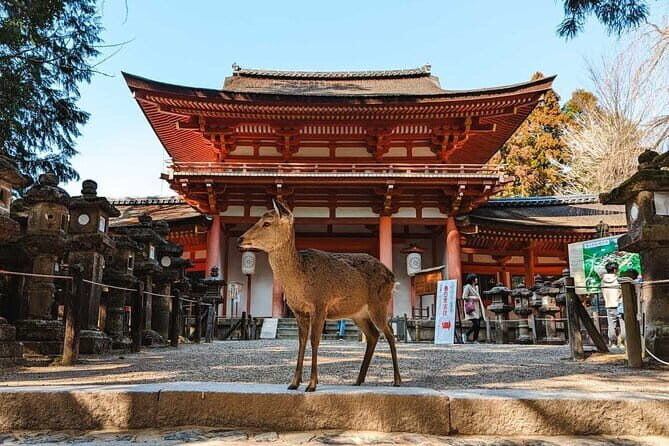
- Top Nara icons are included by choice: deer in Nara Park, the Great Buddha at Todai-ji, and the torii forest at Kasuga Taisha.
- Nice balance of old + modern: You can blend temples with a museum, a garden, a machiya-town stroll, and even modern architecture at Konoike Stadium.
Luxury, But With a Real Plan: Private Nara From Osaka or Kyoto
Nara is the kind of place where you can easily waste time. Stations, local buses, and the walk between “just one more stop” can add up quickly. This tour makes the day easier by handling the driving and parking, with private transportation and an air-conditioned vehicle.
You’re also not stuck with a fixed script. You’re choosing a custom tour of 3 or 4 sites, so the experience doesn’t turn into a sprint through famous buildings. That matters because Nara works best when you can slow down for the details—wood carvings, shrine paths, and the feeling of being in an older Japan.
From the reviews, the guiding style has a consistent theme: the team communicates, then builds a route that fits your group. One family with three kids got a plan that helped them avoid dead time, and the guide kept it comfortable and productive.
You can also read our reviews of more tours and experiences in Osaka


Choosing Your 3–4 Stops: How to Build the Right Day
Your biggest decision is selection. With only 3–4 confirmed stops in a typical day, you’ll get the best results by mixing categories: one “big ticket temple,” one shrine or cultural experience, and one slower stop (museum or garden). If you stack four temples in a row, you’ll feel it in your feet.
A practical way to choose:
- Pick one anchor: Todai-ji is the heavy hitter, or Kasuga Taisha if you want the shrine forest experience.
- Pick one calm intermission: Isuien Garden is great for resetting your pace, and the museum option is useful if your group likes context.
- Pick one local flavor: Naramachi gives you machiya townhouses and a brewery stop, which breaks the monotony of “another hall, another pagoda.”
In past conversations, guides asked what you were interested in and matched the itinerary to that. That’s useful if you’re traveling with kids, if your group wants more explanations, or if you’d rather spend time outside than in ticket lines.
Nara Park and Todai-ji: The Classic Start That Saves Energy

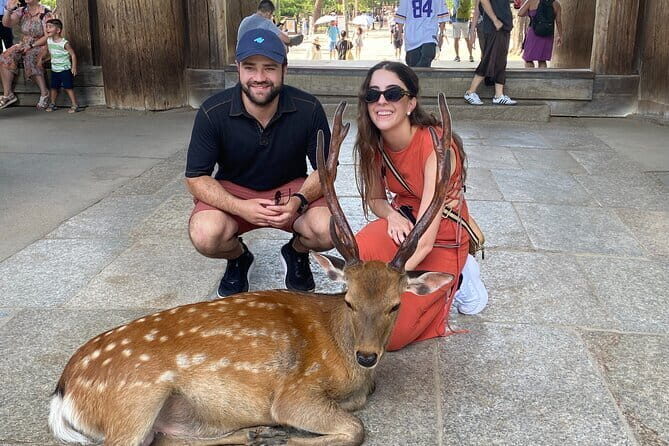
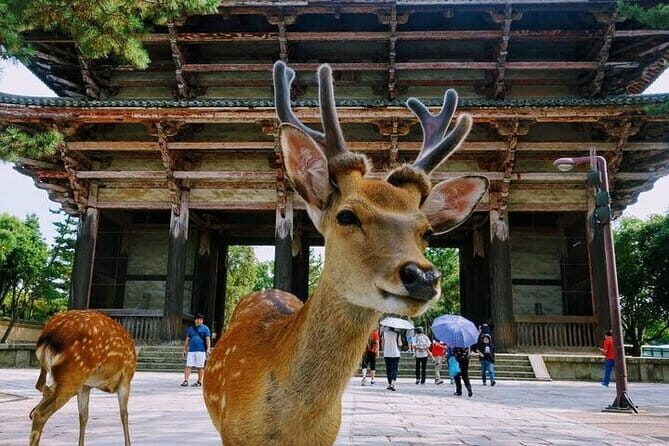
Start with Nara Park if you can. It’s short on paper and big in mood: deer roam freely around ancient temples and historic landmarks, and the “wow” factor hits early. The tour notes a free admission ticket for this stop, so it’s a smart way to begin without adding entry fees.
Then consider pairing Nara Park with Todai-ji Temple. This is one of those places where scale changes how you experience it. Todai-ji houses the Great Buddha inside what the tour describes as the world’s largest wooden building. Even if you don’t consider yourself a “temple person,” this is the kind of sight that grabs you.
The main practical catch is cost and time. Todai-ji is not included and is listed at about ¥600. Also, the itinerary schedule suggests a short visit window—so you’ll want to arrive ready to look up, look around, and move with intention rather than trying to do everything at once.
Kasuga Taisha and the Shrine Walk Through Red Torii
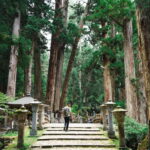
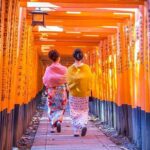
For a more peaceful feel, Kasuga Grand Shrine is your likely best match. The tour’s description highlights the journey through a forest path lined with vermilion torii gates, with quiet reverence along the way. This is a stop where the “walk” is part of the experience, not just the destination.
Again, entrance is not included (the tour doesn’t provide a yen estimate for this particular shrine stop), so budget for additional tickets depending on what you choose. But the value here is less about ticket cost and more about atmosphere. If your group wants a break from the busier temple crowds, this shrine forest vibe tends to feel grounding.
Museums, Gardens, and Machiya Streets: Slower Sights That Add Variety
Not every great Nara moment is a huge hall. In fact, a good day often needs a breather, and this tour gives you several options.




Nara National Museum
If your group wants context, Nara National Museum is a strong choice. The tour frames it as a place where treasures from Nara’s past come to life. The entry fee is not included, listed at about ¥520. Think of this as your “why it matters” stop—especially helpful if you want your temple visits to make more sense.
Isuien Garden
If you want nature plus design, choose Isuien Garden. The tour description calls it meticulously manicured with traditional Japanese design. The entrance isn’t included, and the listed cost is about ¥900—so this one is a bigger ticket in yen terms.
But paying extra for a garden stop can be smart. It gives you shade, open space, and a different kind of beauty after temple buildings. One review also mentioned the timing of lotus flowers being perfect, which suggests seasonal scenery can be part of the payoff when the guide plans well.
Naramachi: Machiya townhouses and Harushika medicinal sake
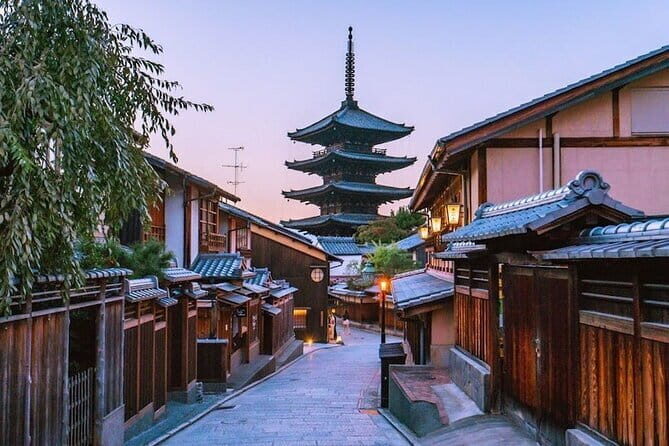
For a break from big sites, Naramachi is a great pick. You’ll take a leisurely stroll through traditional machiya townhouses and then visit Harushika Sake Brewery, with an option to try medicinal sake. This stop adds personality to the day and gives you something cultural that isn’t all about architecture.
Because this is included as a stop time on the itinerary (but not listed with an admission price), it’s also a good way to spend time without constantly doing ticket math.
Nara Municipal Konoike Stadium: modern design with art and gardens
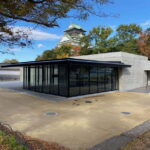
This tour has one delightful surprise: Nara Municipal Konoike Stadium. The description focuses on modern Japanese art, sophisticated architecture, and gardens. It’s not the typical Nara sequence, which is exactly why it’s useful.
If you’re worried your group will only care about temples and deer, this stop helps. It gives you something different without demanding a whole extra day.
Beyond the Big Temples: Kofuku-ji and Shinyakushiji
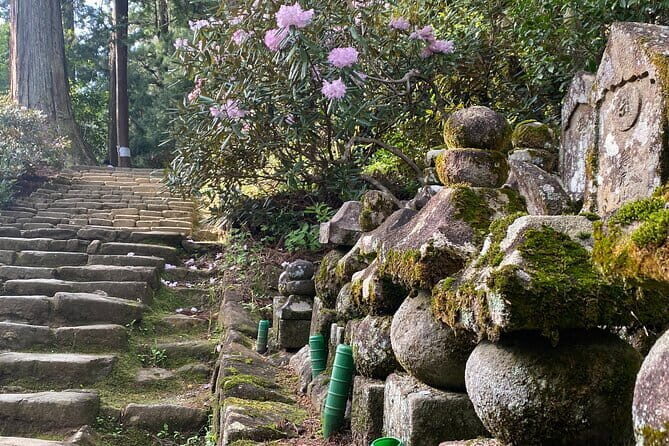
If you want more Buddhist architecture beyond the Great Buddha, you’ll likely enjoy Kofukuji Temple and Shinyakushiji Temple. These are both listed as temple stops with short guide-led windows, which fits perfectly with the 3–4 site structure.
Kofukuji Temple
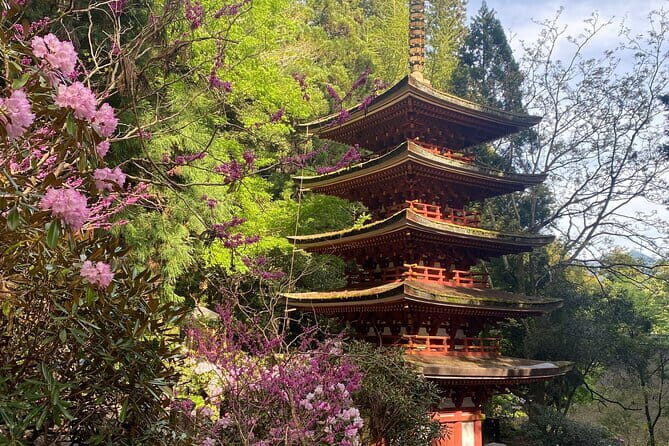
Kofukuji is described as a historic Buddhist temple with impressive pagodas—a five-story and a three-story. The entry fee isn’t included and is listed at about ¥600.
What I like about adding Kofukuji (when you can) is variety. After Todai-ji, you still get the Buddhist vibe, but the shapes and visual emphasis shift toward pagodas and layered rooflines.
Shinyakushiji Temple
Shinyakushiji Temple is framed as a masterpiece of Buddhist architecture, with an emphasis on wandering tranquil grounds. It’s not included, and the listed fee is about ¥600.
This is a good choice if your group likes quiet places where you can slow down and notice design details. It also helps you avoid repeating the same “big hall” feeling too many times.
Gojō Tenshingū, Tamaki Shrine, and Asuka-dera Ruins for a Different Side of Nara
If you’re picking from the later itinerary options, think of them as “mood switches.” These stops can turn a standard temple day into a more varied route.
Gojō Tenshingū Shrine (Tenshi no Miya)
This shrine is described as particularly beautiful during the autumn foliage season. Entrance isn’t included, and the itinerary gives a short prayer-time window. If you’re traveling in fall, this is the kind of detail that can make the day feel extra special.
Tamaki Shrine
Tamaki Shrine is framed as having a mystical atmosphere, with a sacred place surrounded by nature. This is another option where the setting matters as much as the structure.
Yoshinogari Historical Park
For the history-minded, Yoshinogari Historical Park offers archaeological sites and insight into ancient Japan. Entrance isn’t included, and the tour lists it at about ¥420. This is a useful counterweight if your day is mostly religious architecture.
Asuka-dera Temple ruins
Finally, Asuka-dera Temple is listed as exploring ruins of ancient temples. This is the “less finished, more imagination” stop. Ruins can be surprisingly meaningful if you like thinking about how places looked before time and weather did their work.
Price and Value: What You Pay, What You Need to Budget in Yen
At $425 per person, this isn’t a budget day. But it is priced like a true private experience: hotel pickup, private transportation, parking fees, and an air-conditioned vehicle are included, along with fuel surcharge and the guide service under Sakura Concierge.
The value question really comes down to how many entry fees you stack. Several headline sites are not included. The tour lists these approximate costs:
- Todai-ji Temple: about ¥600
- Nara National Museum: about ¥520
- Isuien Garden: about ¥900
- Kofukuji Temple: about ¥600
- Shin-Yakushiji Temple: about ¥600
- Yoshinogari Historical Park: about ¥420
There’s also a listed cost for Nara Prefectural Museum of Art (about ¥500), even though it’s not shown in the core stop list you’d typically choose from. If your custom plan includes it, that’s the kind of yen add-on to expect.
My rule for deciding: if you’re planning to visit 3–4 paid attractions anyway, the private comfort starts to make sense fast. If you want only the free deer-and-park experience, you may be better off building your own cheaper day.
Who This Tour Fits Best
This tour makes the most sense for:
- Families who want less stress and smoother logistics. One booking specifically included three kids and was planned to keep the day efficient.
- People who hate rushing. The 3–4 stop structure helps you avoid the usual “see everything, remember nothing” problem.
- First-timers to Nara who want the big icons (deer, Todai-ji, Kasuga) plus a couple of curveballs (museum, garden, machiya streets, modern architecture).
It’s less ideal if you want a self-guided, ultra-flexible day where you can spontaneously wander without a set window. This tour is structured—and that structure is part of the value.
Should You Book This Tour or Not?
If you want a Nara day that feels controlled and calm, I’d book it. The combination of private pickup, a real guide, and the ability to select 3–4 sites is exactly what helps you see Nara without turning it into a transit puzzle.
I’d think twice only if:
- You’re extremely price-sensitive, or
- You want to minimize entrance fees and are happy with a basic Nara Park + one temple loop, or
- You’re chasing a “see every temple” checklist. With a limited number of sites, you’ll have to choose what matters most.
FAQ
How long is the Nara day tour?
It runs about 8 to 9 hours.
Where do you get picked up, and is pickup included?
Pickup is offered, and the tour includes hotel pickup with drop-off to your preferred location.
Is this a private tour or shared group?
It’s private. Only your group participates.
How many sites can I choose during the day?
You can customize the day by choosing 3 or 4 sites from the available options.
Are entrance fees included for the main temples and museums?
No. Some major stops have separate admissions, including Todai-ji Temple, Nara National Museum, and Kofukuji Temple, among others.
What entrance fees should I budget for?
The tour lists approximate costs like ¥600 for Todai-ji, ¥520 for Nara National Museum, ¥900 for Isuien Garden, ¥600 for Kofukuji, and ¥600 for Shin-Yakushiji Temple, plus ¥420 for Yoshinogari Historical Park.
Can I cancel and get a full refund?
Yes. You can cancel for a full refund if you cancel at least 24 hours before the experience’s start time.