REVIEW · OSAKA
Osaka: Matcha Making Experience with Japanese Sweets
Book on GetYourGuide →Operated by Sushi Making Japan | Cooking Class in Japan · Bookable on GetYourGuide
Matcha lessons in Osaka beat the tourist shuffle. This small-group, English-led experience near Shinsaibashi mixes a playful matcha history quiz with real-world whisking practice, so it feels both fun and useful.
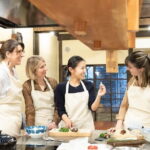
I especially like how you don’t just watch. You’ll actually make matcha with traditional tools, then drink it and eat Japanese sweets with the instructor and local staff, with English support from people like Serin, Reika, Fujiko, Takara, and Shota. Tasting with sweets turns what could be a dry lesson into something you remember.
The only real drawback is time: at just 1 hour, the pace is friendly but brisk, so you won’t get a long, slow tea-ceremony-style sitting.
In This Review
- Key things that make this matcha class work in Osaka
- Finding the 3rd-Floor Meeting Point in Shinsaibashi
- What Happens During This 1-Hour Matcha Session
- The Matcha History Quiz: Learn Without Feeling Like You’re Studying
- Whisking Your Own Matcha Like a Tea Master (Without Overthinking It)
- Sipping with Japanese Sweets: The Pairing That Makes It Click
- English Support That Actually Helps You Participate
- Practical Value: Is $22 for a 1-Hour Class Worth It?
- Logistics That Matter Once You’re Trying to Fit It Into Your Osaka Day
- Who This Matcha-Making Experience Suits Best
- Should You Book Matcha Making Osaka?
- FAQ
- How long is the matcha making experience?
- How much does it cost?
- Do I need prior experience to join?
- Is the class taught in English?
- How big is the group?
- What’s included in the price?
- Is hotel pickup and drop-off included?
- Where do I meet the group?
- What are the cancellation terms?
Key things that make this matcha class work in Osaka
- Interactive matcha history quiz that stays light and easy to follow in English
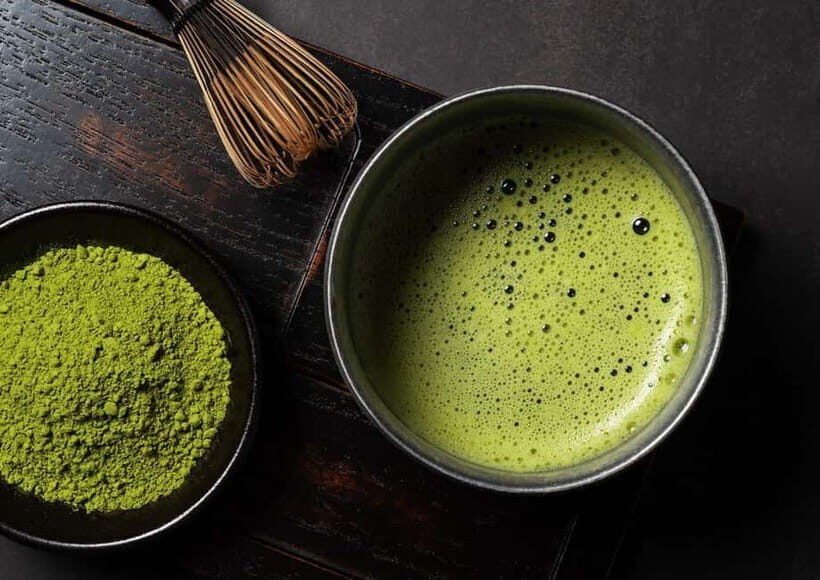
- Hands-on whisking with traditional tools, not just a demo
- Matcha plus Japanese sweets served with the tea, so you get the full flavor picture
- Small group (up to 6), which keeps questions from getting lost
- English-speaking staff who also share helpful Osaka tips
Finding the 3rd-Floor Meeting Point in Shinsaibashi
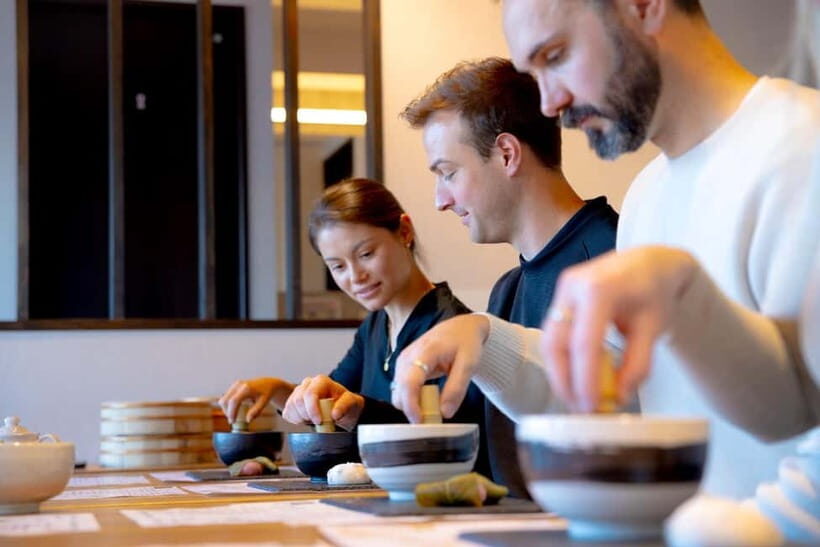
This class is set up for convenience in central Osaka, close to the action around Dotonbori and Shinsaibashi. The meeting spot is on the 3rd floor, Galleria Acca Building, about a 5-minute walk from Shinsaibashi Station. If you’re the type who hates hunting for places with confusing signs, plan a moment to confirm the right entrance before you’re in a hurry.
The good news: once you’re there, you’re in a calm, focused space built for the class. Multiple people mention the setting feels tidy and welcoming, and the setup is arranged so you don’t have to kneel on the floor the way some traditional spaces require. That matters if you’re visiting with kids, or if your knees are not in “cultural experience” mode.
You can also read our reviews of more tours and experiences in Osaka
What Happens During This 1-Hour Matcha Session
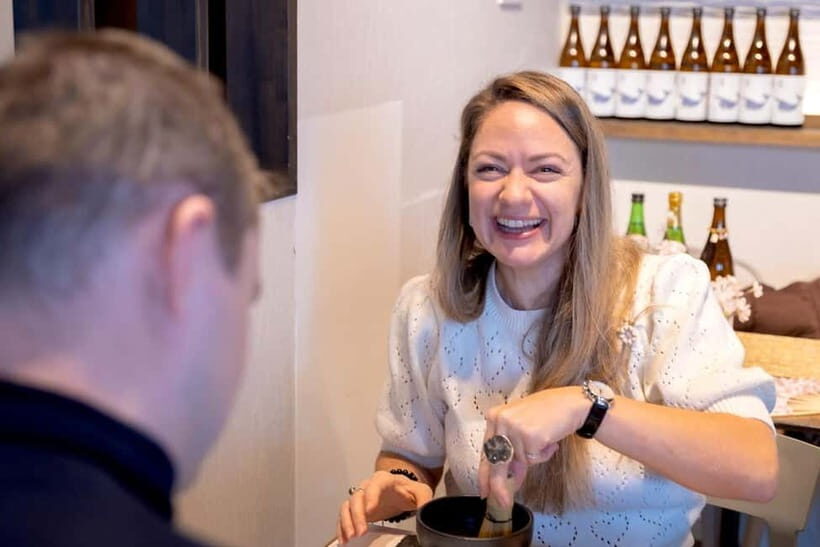
You should expect a tidy flow: explanation, quick culture context, hands-on practice, then tasting. The session is designed to fit into 1 hour, which is a smart length for a busy Osaka day. It’s long enough to learn the basics and taste your own tea, but short enough that it won’t hijack your afternoon plans.
The rhythm usually goes like this: you start with an easy, interactive introduction that covers matcha history and tea culture. Then you move to the practical part, where you whisk your own matcha using the tools your instructor shows you. Finally, you sit down to drink the matcha and pair it with Japanese sweets served alongside the tea.
Small group size (limited to 6 participants) helps a lot here. It means your instructor can check how you’re whisking and answer questions without rushing you.
The Matcha History Quiz: Learn Without Feeling Like You’re Studying
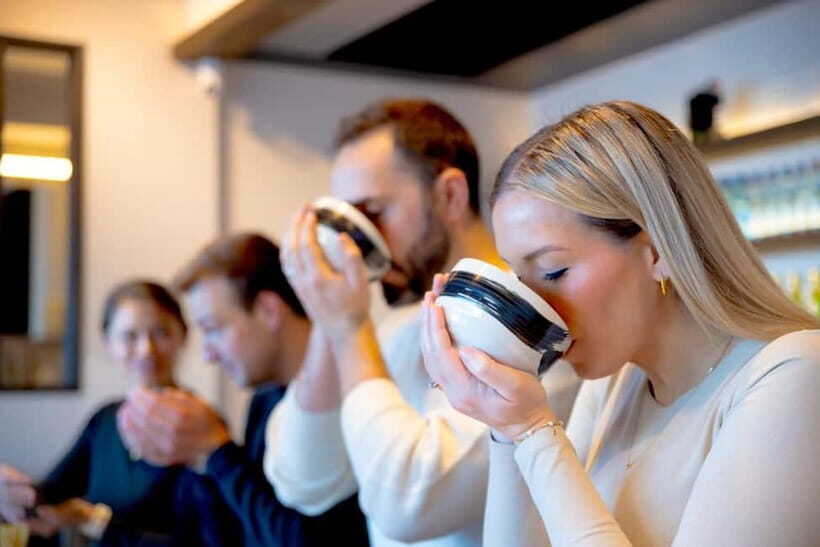
One of the most praised parts of the class is the matcha history quiz approach. Instead of a lecture, it turns learning into something you can follow even if you’re new to Japanese tea. It’s “lighthearted” in tone, but the content still lands—origin stories, why matcha matters in Japanese culture, and what makes good matcha preparation different from casual green tea.
This matters because matcha is easy to misunderstand. People often think it’s just powdered tea you mix into hot water. The class reframes it as something with a process, a tradition, and a purpose—so when you taste your whisked cup later, it makes more sense.
If you’ve been to Osaka before and you’re already doing the food-and-shopping circuit, this is a nice break. You get a seat, a moment to slow down, and a topic that doesn’t rely on reading menus.
Whisking Your Own Matcha Like a Tea Master (Without Overthinking It)
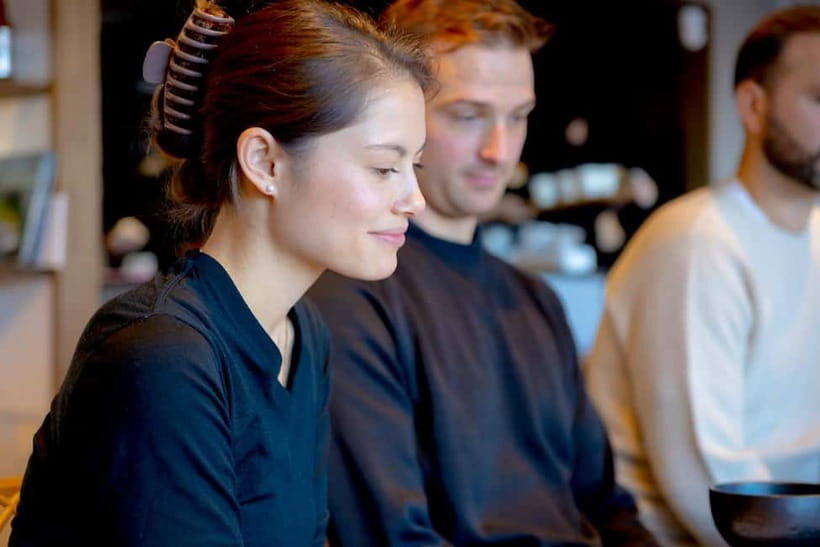
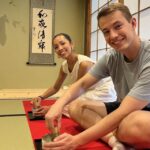
Now for the main event: the hands-on whisking. You’ll make your matcha using traditional tools, guided step-by-step in English. This is the part that many people remember most because it’s active. You’re not just observing the instructor; you’re doing the motions.
Whisking is where “attention to small things” becomes real. Matcha’s surface, texture, and overall taste can change depending on how it’s prepared and whisked. Your instructor helps you get from clumsy attempt to smooth, well-mixed tea—so you can actually taste the difference your technique makes.
Several people also mention how friendly and patient the hosts are. Names that come up again and again include Takara, Serin, Fujiko, Reika, Shota, Matty, and Harita, depending on the session. Even if the faces change, the teaching style seems consistent: clear English, supportive coaching, and a vibe that doesn’t make you feel silly for being new.
Sipping with Japanese Sweets: The Pairing That Makes It Click
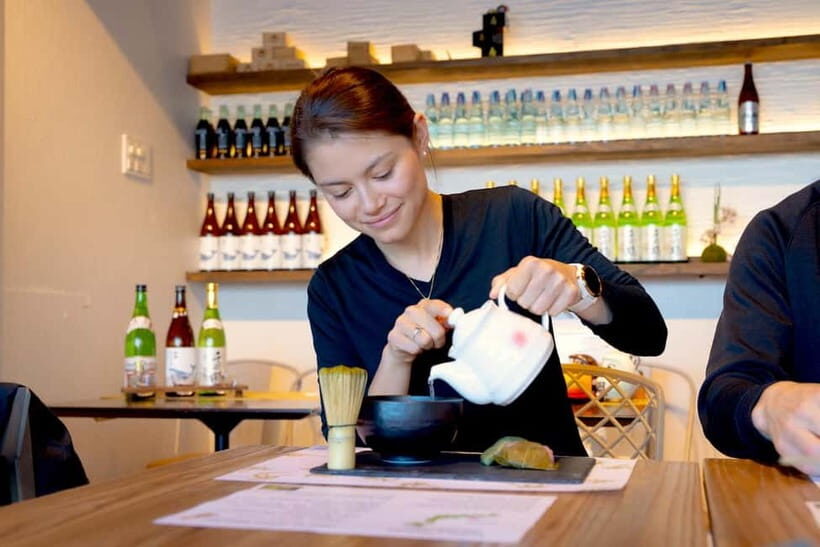
After you whisk, you sit down to drink your matcha and eat Japanese sweets. This is important for two reasons.
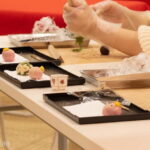
First, matcha often tastes more complex than people expect. It can feel grassy, smooth, and slightly bitter, with a depth you don’t get from flat, sugary drinks. The sweets provide context, balancing the flavors so you can learn what to notice.
Second, the pairing makes the session feel complete. A class that only teaches the technique can feel unfinished. Here, you get the payoff: you taste what you made, and you taste it alongside something local and snack-worthy.
People consistently point to the sweets as delicious and well matched to the tea. That sounds like a small detail, but in practice it changes how long the experience sticks with you.



English Support That Actually Helps You Participate
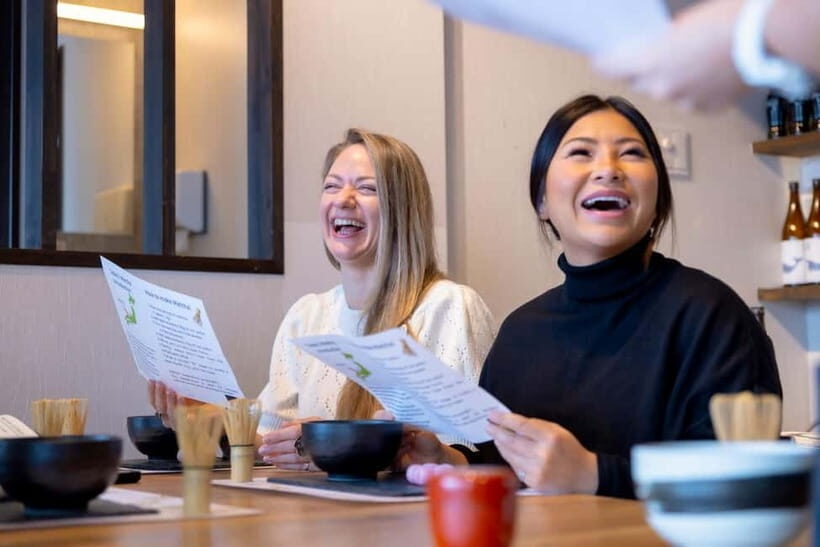
Not all English-language experiences are built the same. Here, the staff are described as genuinely helpful and interactive, not just translating words. The class format encourages questions, and the instructors answer them in a way that keeps you engaged.
A few examples from the style of teaching: hosts like Fujiko and Takara are mentioned as friendly and patient, while others (like Shota and Yui in different sessions) are praised for clarity and engagement. One person even mentioned that the host shared helpful tips for the rest of the Osaka trip—so you may leave with more than matcha knowledge.
If you’re worried about language barriers, this is one of the better ways to spend time in Osaka. You’re not stuck decoding menus or trying to guess what you’re eating. You’re doing something structured, in English, with a real conversation.
Practical Value: Is $22 for a 1-Hour Class Worth It?
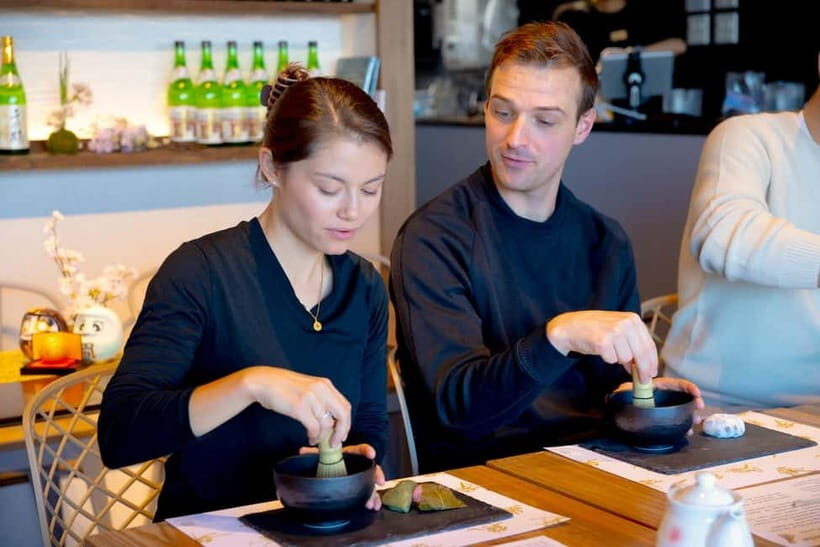
Let’s talk value without pretending the answer is universal. $22 per person for a 1-hour small-group class includes the cooking instruction, ingredients, and the instructor. That’s a fair structure because you’re paying for a guided experience plus the materials you use.
Could you make matcha at home for less? Yes, but the cost is usually in the learning. Getting the technique right takes practice, and practice gets easier when you’re taught clearly in person. Also, Osaka is expensive for “time plus access.” This class gives you a controlled, comfortable setup in central areas like Shinsaibashi.
One more value point: the session is limited to 6 participants. That small size helps you get actual guidance instead of watching from the sidelines. For many people, that’s what turns a “pay and try” activity into something that feels worth repeating.
The one caveat is the time limit. Because it’s only an hour, you should treat it as a great introduction and basic skill builder—not a deep, multi-course tea workshop.
Logistics That Matter Once You’re Trying to Fit It Into Your Osaka Day
This experience is easy to plan around because it runs for 1 hour and you don’t need to arrange hotel pickup. The downside is also implied: you’re responsible for getting yourself to the meeting point.
The meeting location is central and walkable from Shinsaibashi Station, which is what you want for short activities. If you’re already in the Dotonbori/Shinsaibashi area, this slots in nicely as a break from walking, shopping, and restaurant-hopping.
Also, there’s no need for prior experience. The class is set up so beginners can follow along. That’s a huge plus if matcha is new to you, or if you’re taking friends or family who don’t usually do cooking classes.
Who This Matcha-Making Experience Suits Best
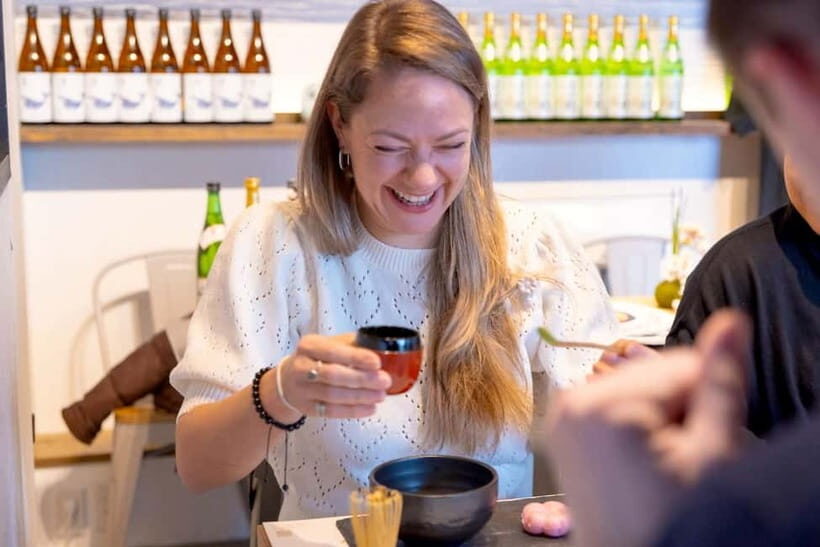
This is the kind of activity that fits a lot of trip styles.
- Solo travelers: You get a small group experience with English support, which is a comfortable way to meet people without being forced into awkward social games.
- Couples: It’s calm enough to feel intimate, but interactive enough that you both stay involved.
- Families: People have brought kids, including younger children, and the atmosphere seems accommodating.
- Tea newcomers: If you’ve never whisked matcha before, this class gives you the core steps and the chance to taste your work.
- Food-focused travelers: Osaka is about flavors, and tasting matcha with Japanese sweets makes this feel like part of the local food story, not a generic souvenir activity.
If you’re the type who likes learning through hands-on doing, this works well. If you’re looking for a long, formal tea ceremony, you might find the pace more casual. It’s structured and respectful, but it’s still designed to be friendly and approachable.
Should You Book Matcha Making Osaka?
Book it if you want a short, high-reward activity in central Osaka that teaches you something real. The combination of a fun matcha history quiz, hands-on whisking, and matcha with Japanese sweets is what makes this class land.
Skip it if your priority is a long, slow, formal tea ritual. At 1 hour, you’re getting the essentials and a satisfying taste—not a full ceremony experience.
If you’re visiting around Shinsaibashi or Dotonbori and you’d rather spend an hour learning and sipping than standing in lines, this is a smart choice.
FAQ
How long is the matcha making experience?
The class lasts 1 hour.
How much does it cost?
It’s priced at $22 per person.
Do I need prior experience to join?
No prior experience is needed. English-speaking staff guide you through the class.
Is the class taught in English?
Yes, the instructor and support are in English.
How big is the group?
It’s a small group, limited to 6 participants.
What’s included in the price?
The cooking class, ingredients, and the instructor are included.
Is hotel pickup and drop-off included?
No. Hotel pickup and drop-off are not included.
Where do I meet the group?
Meet at 3rd floor, Galleria Acca Building, about a 5-minute walk from Shinsaibashi Station (34.6723159, 135.5024459).
What are the cancellation terms?
You can cancel up to 24 hours in advance for a full refund.