REVIEW · OSAKA
Osaka: Japanese Traditional Sweets Making and Tea Ceremony
Book on GetYourGuide →Operated by B.B.Advisors Inc. AN OSAKA · Bookable on GetYourGuide
Matcha tastes different when you make it. This hands-on Osaka class blends traditional Nerikiri wagashi shaping with a real Uji Matcha tea ceremony experience. You leave with two season-themed sweets and the taste of matcha you ground yourself, not just something poured from a carton.
I especially love the ingredient quality: the white/red bean paste comes from Kyoto’s long-established shops, so your sweets actually taste like the real thing. I also like that you make two Japanese sweets matched to the season, so it doesn’t feel like a one-off craft project.
One consideration: the experience is Japanese-first, and while English translation is provided as much as possible, the instructions may still rely heavily on Japanese. If you need more English support, it’s worth reaching out ahead of time.
In This Review
- Key things to know before you go
- Why Osaka’s Nerikiri + Tea Combo Works
- What You’ll Make: Two Seasonal Nerikiri Sweets
- Step-by-step: coloring, shaping, and finishing
- Uji Matcha 101: Grinding, Whisking, and Tea Ceremony Etiquette
- The grinding demonstration you shouldn’t skip
- Taste the balance you just learned
- The 95-Minute Flow: From Sweets to Sipping Without Rush
- Quality Ingredients: Why Kyoto Bean Paste Matters Here
- Price and Value: What $18 Buys You in Real Terms
- Who This Workshop Fits Best (and Who Might Want Something Else)
- Location and Arrival: Near Higobashi, Watanabebashi, and Yodoyabashi
- Tips to Get More Out of Your Class
- Should You Book This Osaka Wagashi and Tea Class?
- FAQ
- How long is the Osaka Japanese Traditional Sweets Making and Tea Ceremony experience?
- What does the $18 price include?
- What sweets will I make during the class?
- What matcha does this experience use?
- Do we grind the matcha?
- Where is the meeting point?
- Are instructions available in English?
- Is the building accessible for people who need an elevator?
- What is not included in the price?
- What are the operating hours?
Key things to know before you go
- You’ll craft two season-matched wagashi (including a flower-fruit style Nerikiri), not just observe.
- Kyoto-made white/red bean paste is used for your sweets, so flavor isn’t an afterthought.
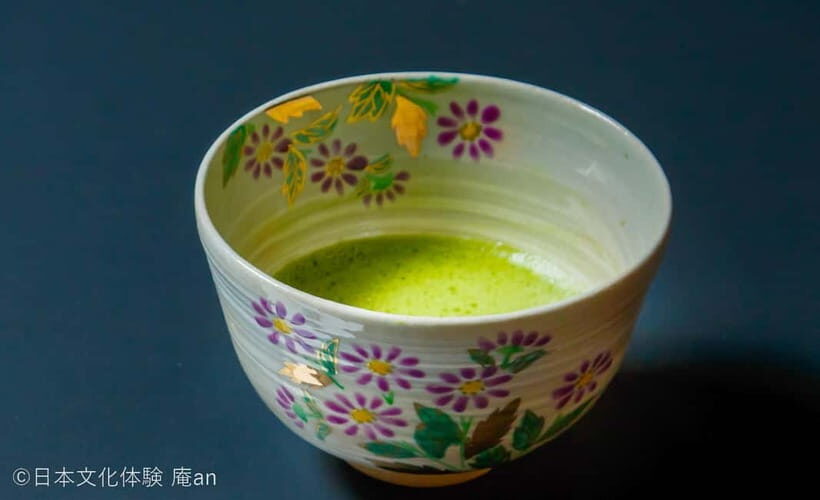
- Single-origin special Matcha from Uji is the tea focus, with a grinding demonstration.
- You’ll learn tea ceremony steps, then enjoy what you made with your own matcha.
- It runs 95 minutes, with a short break and a clear flow from sweets to tea.
- Bilingual support depends on the instructor, and Japanese is the main language.
Why Osaka’s Nerikiri + Tea Combo Works
In Osaka, it’s easy to eat your way through Japanese culture. This class goes one step further. You don’t just try wagashi and matcha—you make both, in the same sitting, and you get the “why” behind the rituals.
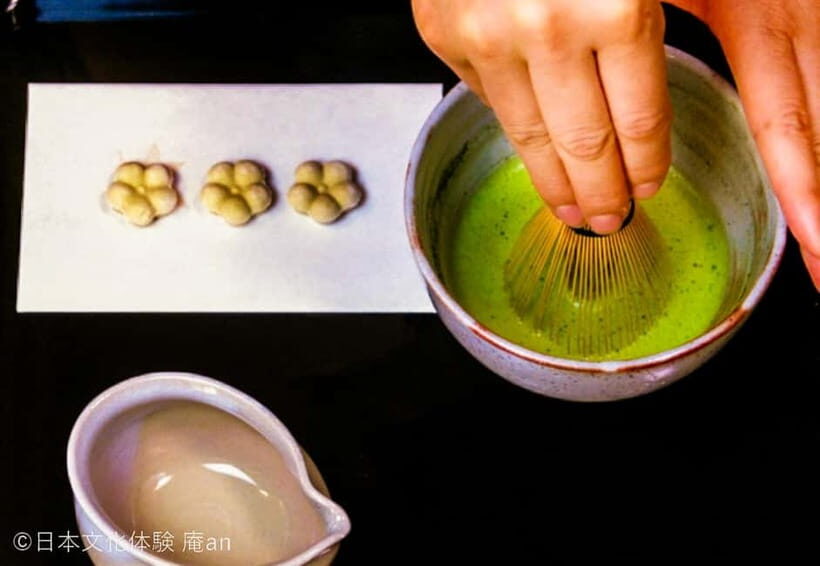
The value is in the pairing. Nerikiri is a craft built on careful color and shape using bean paste, while tea ceremony is about attention—texture, temperature, and a calm rhythm. When you do them back-to-back, the flavors make sense together. The sweetness of high-quality bean paste balances the bitterness and vegetal notes of matcha, and you can actually taste that relationship.
Also, the time box helps. Ninety-five minutes sounds short, but the schedule moves in a way that keeps you from getting bored or rushed. There’s an intentional break, then you shift gears to tea.
You can also read our reviews of more tours and experiences in Osaka

What You’ll Make: Two Seasonal Nerikiri Sweets
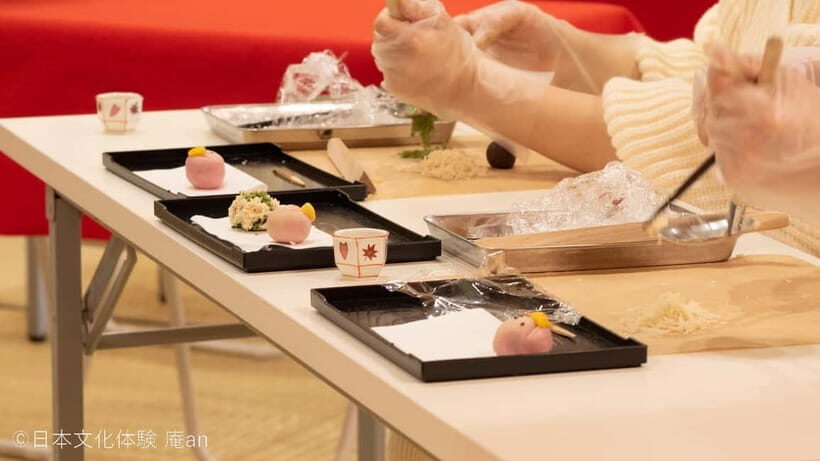
The class starts with Nerikiri, a higher-grade Japanese sweet known for its molded, artistic shapes. You’ll work with colored white bean paste—think flower and fruit forms designed around the seasons.
You’re not making just one item. You’ll make two Japanese sweets, and they’re chosen to match the time of year. That matters because Nerikiri isn’t random decoration. It’s part of how Japanese culture signals seasonality—spring blossoms, summer fruit, and so on—using form and color.
Step-by-step: coloring, shaping, and finishing
First you begin by coloring the bean paste. That part is practical and surprisingly satisfying. You’re learning how the base paste becomes bright, expressive tones instead of staying plain beige.
Then you move into shaping. The class includes a flower-shaped Nerikiri making portion, followed by Kinton Nerikiri making. Kinton-style Nerikiri is all about getting the paste to hold its shape cleanly, while still feeling soft and workable in your hands.
You’ll also get to take time to look closely at what you’ve made—part craft practice, part appreciation moment. When the sweets are done, you’ll be ready for the tea portion.
Uji Matcha 101: Grinding, Whisking, and Tea Ceremony Etiquette
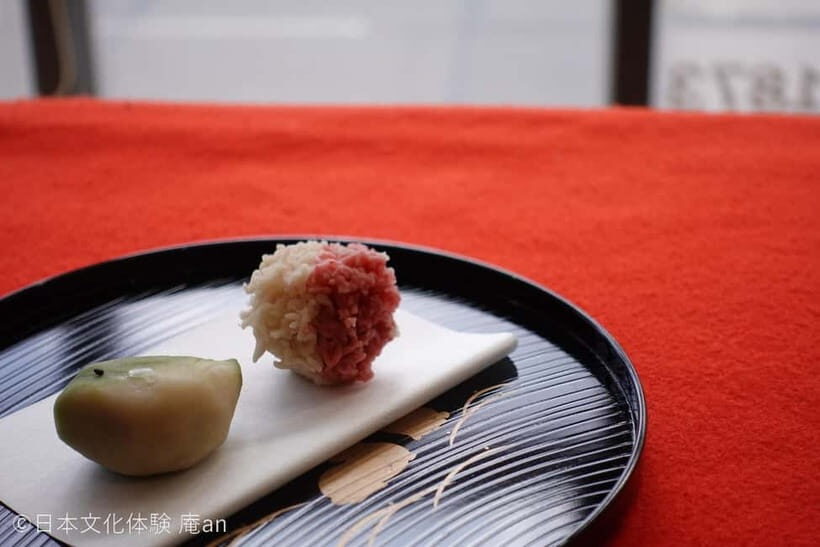
If wagashi is the art side, matcha is the discipline side.
This experience uses single-origin special Matcha from Uji. Uji is famous for matcha, and in this class the key detail is that you don’t just drink it—you see it made at the start.
The grinding demonstration you shouldn’t skip
A big highlight is the matcha grinding demonstration. You’ll watch how matcha becomes powder, and that sets expectations for the taste. Freshly prepared matcha has a different mouthfeel and aroma than pre-made instant drinks.
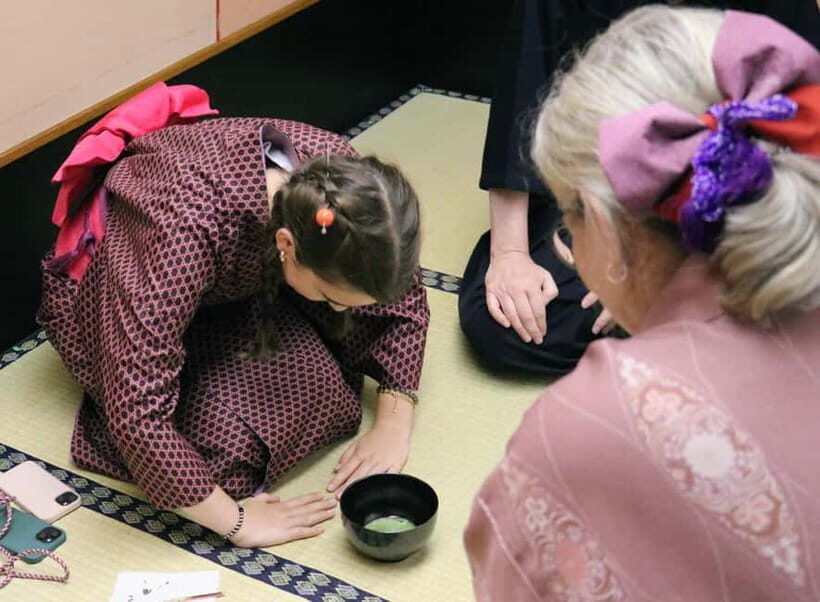
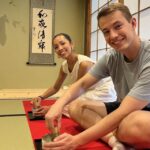
Then the tea ceremony part follows. You’ll do a tea-ceremony experience rather than only being told about it. You learn the proper way to prepare and drink, plus the small etiquette cues that people associate with the ceremony—how you pause, how you handle the cup, and how you show appreciation in the moment.



Taste the balance you just learned
After you prepare your matcha, you’ll enjoy it alongside the sweets you made. The class specifically points out that the sweetness of the high-quality bean paste balances the matcha. That’s not just marketing language—it’s exactly what you’ll notice when you compare bites of Nerikiri with sips of tea.
The 95-Minute Flow: From Sweets to Sipping Without Rush
The schedule is structured, but it doesn’t feel like a factory line. Here’s how the timing typically breaks down, in the order you’ll experience it:
- Start (around 00 minutes): You begin with an explanation of Japanese traditional sweets and what you’ll make.
- Hands-on sweets: You move into flower-shaped Nerikiri making, then continue with Kinton Nerikiri making.
- Break (around 55 minutes): A pause so you can reset before tea.
- Tea section (around 65 minutes): Explanation about matcha and tea ceremony.
- Matcha grinding demonstration: You see the powder-making step.
- Tea-ceremony experience: You practice the tea flow and learn the steps.
- Picture time (around 85 minutes): Time to capture your sweets and the moment.
- Eat and drink (around 85–95 minutes): You enjoy your creations and your matcha, then head out.
That built-in break is a real plus. It helps if you’re traveling and your brain is already running on train times, food stops, and walking pace.
Quality Ingredients: Why Kyoto Bean Paste Matters Here
This class quietly does something important for taste: it uses bean paste produced by Kyoto’s long-established shops.
A lot of wagashi workshops use ingredients that are okay for learning. Here, the focus is on quality from the start, because Nerikiri depends on the base paste. The coloring and shaping skills matter, but the flavor still comes down to what’s in the paste.
You can think of it like cooking. Technique matters, but if the main ingredient is weak, you can’t fix it with enthusiasm. With Kyoto white/red bean paste, you get a sweetness that actually pairs well with Uji matcha—the exact balance the class emphasizes.
Price and Value: What $18 Buys You in Real Terms
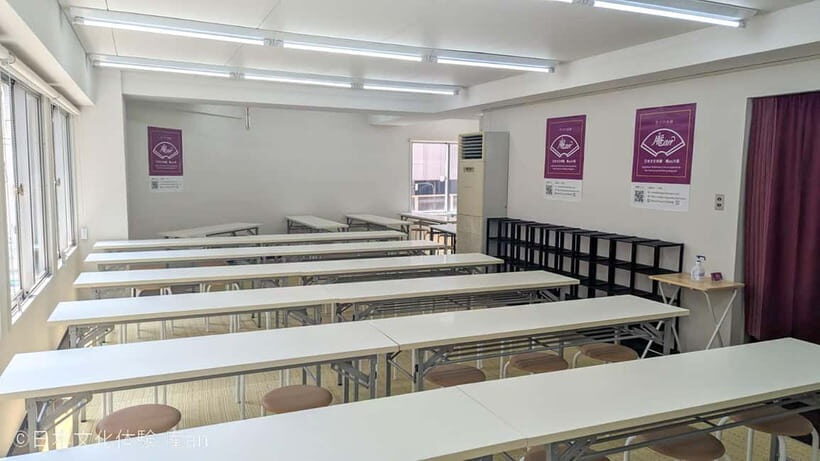
At about $18 per person for 95 minutes, this sits in the “worth it” category for two reasons.
First, you get tangible outputs. You’ll make two sweets and you’ll drink matcha that you prepare as part of the ceremony. Even if you were just buying wagashi, you’d be paying for ingredients and packaging. Here, you’re paying for the experience and the skill transfer.
Second, the class includes the tools you need. That matters because workshops often charge extra for materials. You’re told that the required tools are included, and you’re given a guided workflow for both sweet-making and tea.
A couple of items are optional add-ons:
- If you want a sweets take-out box, it’s 100 JPY.
- If you want an experience completion certificate, it’s 300 JPY.
If you like learning-by-doing—and you want something more meaningful than a quick tasting—this price generally makes sense.
Who This Workshop Fits Best (and Who Might Want Something Else)
This is a great fit if you:
- like craft activities where you can see progress as you go
- want a calmer activity day in the middle of Osaka sightseeing
- care about tea culture beyond just ordering matcha drinks
- are happy to follow instructions in Japanese with English support as needed
It’s also friendly for families who want a structured activity. There have been examples of people attending with kids and still managing fine, partly because the instructor explains steps clearly.
Where it may not be ideal:
- If you need fully English instruction, plan ahead. English translation is provided as much as possible, and if you want extra support, you’ll need to request it in advance.
- If stairs are a problem for you, note that there’s no elevator in the building.
Location and Arrival: Near Higobashi, Watanabebashi, and Yodoyabashi
Getting there is usually straightforward once you know the area.
The meeting point is:
- about 1 minute walk from Exit 10 of Osaka Metro Yotsubashi Line Higobashi Station
- about 5 minutes walk from Exit 7 of Keihan Nakanoshima Line Watanabebashi Station
- about 7 minutes walk from Exit 10 of Osaka Metro/Keihan Line Yodoyabashi Station
- about 10 minutes walk from Exit 11-5 of JR Tozai Line Kitashinchi Station
- about 15 minutes walk from Osaka Station’s South Central Gate
There’s also parking nearby if you’re driving (coin parking).
Two practical tips:
- Since the building has no elevator, plan for stairs.
- The location can be easy to miss if you rely only on a generic route—arrive a few minutes early so you can confirm the entrance calmly.
If you like precision, use the provided Google map link or the coordinates: 34.6911523, 135.4958628.
Tips to Get More Out of Your Class
A small shift in expectations will make this experience better.
- Ask about English support early if you need it. English translation is provided as much as possible, but the experience is in Japanese, and adding translation support can help you follow along smoothly.
- Wear comfortable clothes. You’ll be working with paste and staying seated for a while; mobility matters more than fashion.
- Come on time. The event won’t be held to accommodate delays, so build in extra buffer time after your train ride.
- Plan to enjoy, not just perfect. The goal is craft and tea culture, not competing for the most symmetrical Nerikiri.
One more thing: the instructor approach often includes clear, patient guidance. In past sessions, names like Maiko, Mihiko, and Jun have shown up as instructors known for being friendly and for switching between Japanese and English. Regardless of who teaches, expect a hands-on explanation and time to ask questions.
Should You Book This Osaka Wagashi and Tea Class?
I’d book it if you want a real cultural activity with food you helped create. The combination of two seasonal Nerikiri sweets, Kyoto bean paste, and single-origin Uji Matcha is a strong package for the price. The 95-minute structure—with a break and a clear sweets-then-tea rhythm—makes it easy to fit into an Osaka day.
I would hesitate only if you:
- need fully English instruction with no Japanese at all, or
- have difficulty with stairs due to the building setup.
If neither of those is a problem, this is the kind of class that leaves you with both a memory and something delicious you made—plus the satisfaction of understanding why the flavors work together.
FAQ
How long is the Osaka Japanese Traditional Sweets Making and Tea Ceremony experience?
The experience lasts 95 minutes.
What does the $18 price include?
The experience includes the workshop itself and the use of required tools.
What sweets will I make during the class?
You’ll make two Japanese sweets matched to the season, starting with Nerikiri. The class also includes making Kinton Nerikiri.
What matcha does this experience use?
It uses single-origin special Matcha, specifically Uji Matcha.
Do we grind the matcha?
Yes. There is a matcha grinding demonstration, and you’ll also prepare and enjoy matcha as part of the tea ceremony experience.
Where is the meeting point?
It’s near multiple stations:
- Higobashi Station (1 minute walk, Exit 10)
- Watanabebashi Station (5 minutes walk, Exit 7)
- Yodoyabashi Station (7 minutes walk, Exit 10)
- Kitashinchi Station (10 minutes walk, Exit 11-5)
- Osaka Station South Central Gate (15 minutes walk)
Are instructions available in English?
English translation is provided as much as possible. If you want to add English translation support, you need to contact in advance.
Is the building accessible for people who need an elevator?
No. There is no elevator, and you’ll need to take stairs.
What is not included in the price?
A sweets take-out box costs 100 JPY, and an experience completion certificate costs 300 JPY.
What are the operating hours?
Operation hours are 10:00 to 17:00.