REVIEW · OSAKA
Kuromon Market Tour: All inclusive 6~8 Dishes & 3~4 samplings
Book on Viator →Operated by Osaka Food Tours · Bookable on Viator
This market tour hits every sense at once. I like the vendor connections that turn a loud market into something you can actually navigate, and I like the variety that leaves you full without feeling like you ate the same thing twice. It is the kind of food walk that helps you understand Osaka, not just collect bites.
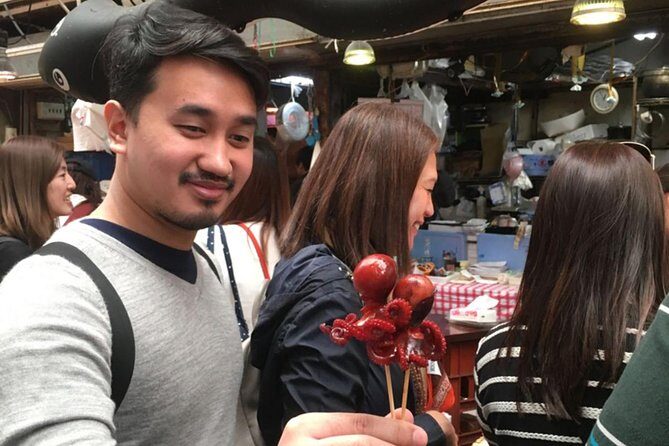
You’ll spend about 2 hours moving through Kuromon Ichiba, with stops built around seafood, hot griddle items, sweets, and Japanese tea. It’s small (up to 9 people) so you get questions answered while you’re standing right in front of the stall.
One drawback to consider: this tour is not suitable for vegetarians or vegans, since the menu centers on meat, seafood, and broths. If your dietary needs are strict, you’ll want to skip this one or choose a different tour style.
In This Review
- Key things I’d underline before you book
- Why Kuromon Market is the perfect setup for a tasting tour
- The 2:00 pm start at Nippombashi: easy timing for a half-day plan
- How 2 hours turns into 10+ different food moments
- What you’ll likely taste: seafood, Osaka classics, sweets, and tea
- Your guide isn’t just talking. They’re getting you into the food rhythm
- Family and group feel: small-group pacing without the stress
- What to do (and not do) right before the tour
- Price and value: about $63 for a guided, multi-stop meal
- Practical notes on choosing what kind of tourist you are
- Should you book this Kuromon Market Tour?
- FAQ
- How long is the Kuromon Market food tour?
- What time does the tour start?
- Where is the meeting point?
- What’s included in the all-inclusive food experience?
- Is the tour suitable for vegetarians or vegans?
- How many people are in the group?
- Do I get a mobile ticket?
- What does the tour focus on?
- How much does the tour cost?
- What is the cancellation policy?
Key things I’d underline before you book
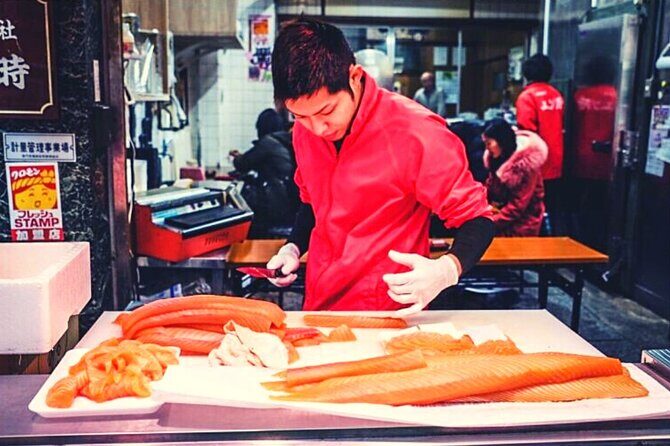
- 6–8 dishes plus 3–4 samplings: you don’t just taste, you actually eat.
- Up to 9 people: the guide can keep the pace friendly and answer questions.
- Fresh seafood and classic Osaka foods: expect items like seafood samplings and okonomiyaki-style tastes.
- Guide-led ordering and quality tips: you learn what makes food worth your money.
- Japanese tea and dessert stops: the sweet and calming parts are built in, not random.
Why Kuromon Market is the perfect setup for a tasting tour
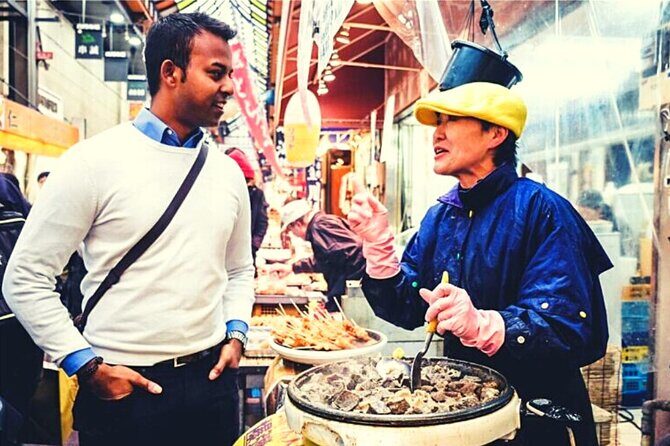
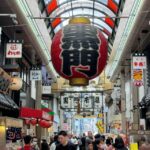
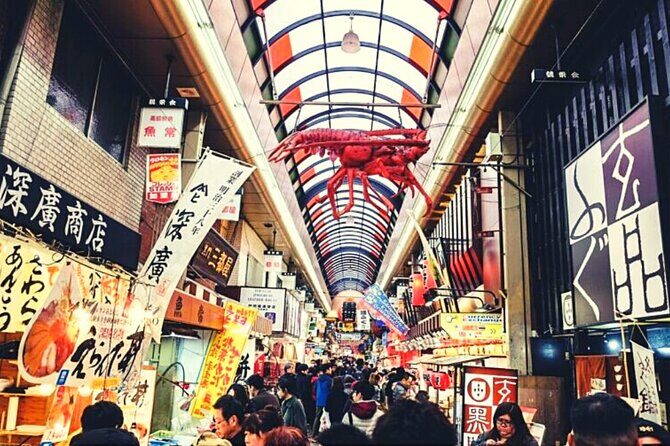
Kuromon Market is one of those places where you can wander for an hour and still feel like you’re watching from the outside. The stalls are close, the choices are loud, and menus are not always clear to read. A guided tasting fixes that fast by giving you a route and a reason to stop at each place.
I also like that this kind of tour doesn’t treat the market like a museum. You eat what Osaka actually buys for everyday cravings: seafood, street-food style favorites, and the small sweet resets that keep your energy up. On this tour, you’re not guessing what’s good or what’s safe to order. You’re walking with someone who’s already figured out which counters make things the right way.
You can also read our reviews of more shopping tours in Osaka


The 2:00 pm start at Nippombashi: easy timing for a half-day plan
The tour starts at 2:00 pm near Nippombashi Station. That’s a practical time slot if you’re already sightseeing in Osaka earlier in the day (or if you’ve got morning energy you want to spend somewhere else). Since it runs about 2 hours, it fits cleanly between lunch and evening plans.
The meeting spot is listed at Nippombashi Station, 1 Chome-5 Nipponbashi, Chuo Ward. The big advantage is that you’re not relying on a complicated “find us inside this alley” situation. You’ll also end back at the meeting area, so you don’t need to scramble to get back through the market after you’re full.
One small practical tip: if you’re coming in right after a heavy meal, you might still be able to enjoy the food, but you’ll feel the portion weight more than you need to. Many people recommend arriving hungry enough to enjoy everything without forcing it.
How 2 hours turns into 10+ different food moments

The tour is built around 6–8 selected dishes plus 3–4 samplings. The wording matters because it signals that you’re not doing tiny “one bite then rush” tasting. You’ll get a real rotation of items, including seafood-focused bites, cooked street foods, and sweet breaks, plus Japanese tea.
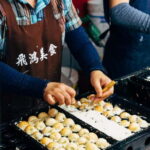
Even if the exact items shift based on what’s available that day, the structure stays similar: you move from stall to stall, stop long enough to eat, and keep walking so the market stays the star. Many guides also adjust on the fly. People have mentioned guides adding a couple of extra samples when someone shows a strong interest, so you can end up trying a bit more than the baseline list.
Because the group is limited (maximum 9 travelers), the guide can manage the flow without herding people like luggage. That matters in a market environment where lines form quickly and counters want to keep serving efficiently.
What you’ll likely taste: seafood, Osaka classics, sweets, and tea
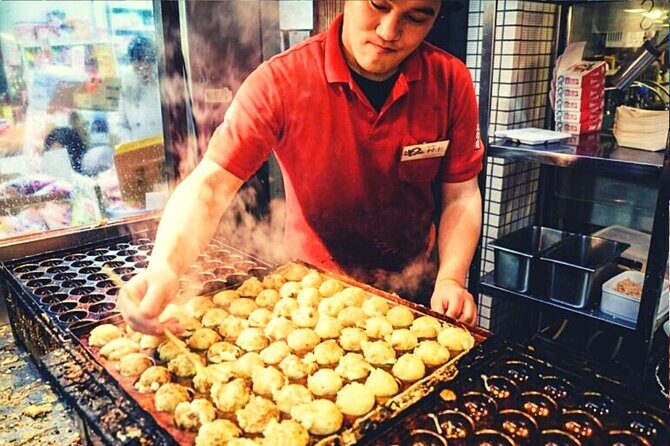
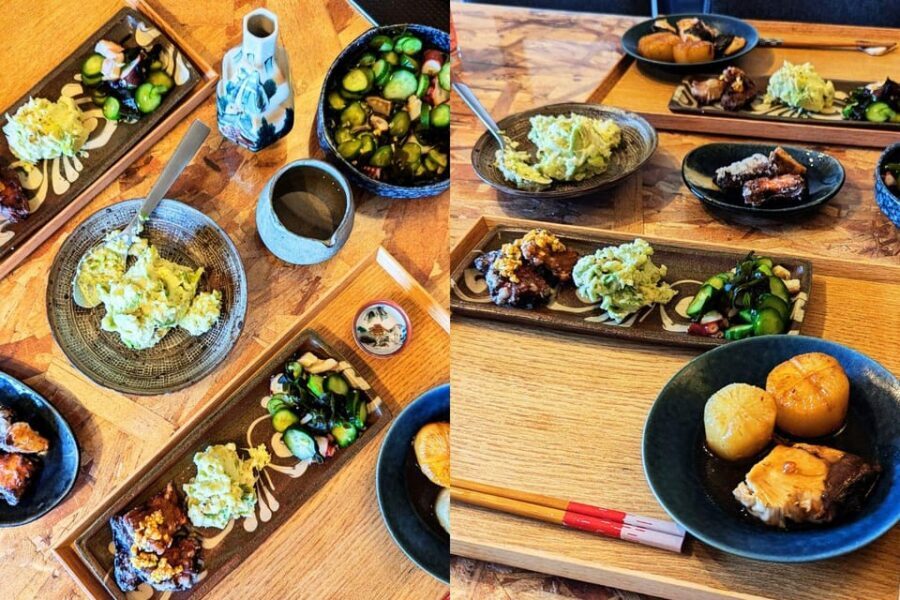
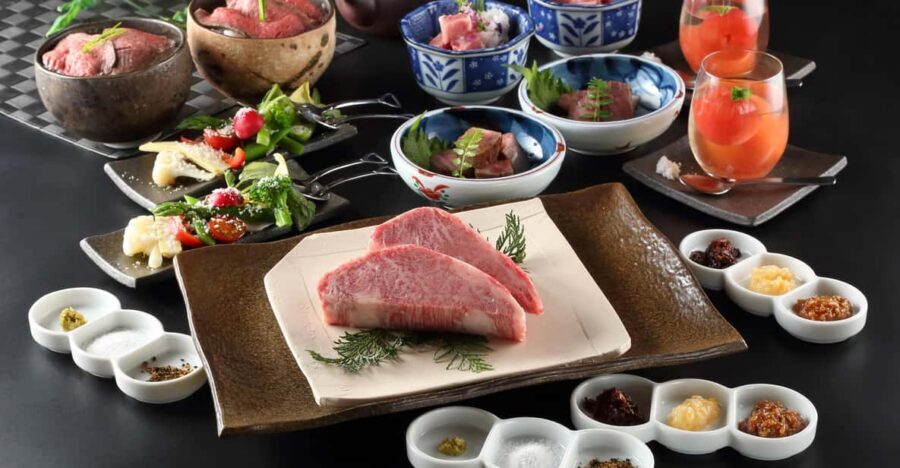
This is a food-focused tour, so expect your plate to skew toward seafood and savory dishes, plus the classic Osaka “street-food-meets-dessert” rhythm. The tour description highlights fresh seafood, okonomiyaki, dessert, Japanese tea, and more.
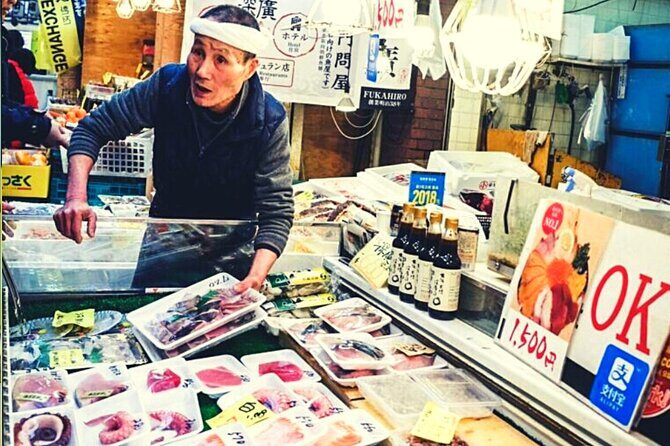
From what I see in the types of dishes people talk about with this tour, it is not afraid to offer bolder seafood choices when it makes sense. Some guides have led tastings including items like sea urchin, pufferfish (fugu), and oysters. Otoro tuna has shown up as a standout for at least some groups, described as buttery-smooth. You might also encounter fish cakes and other market-friendly seafood prep that’s meant for eating in hand or with small plates.
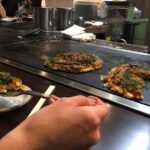
On the Osaka side, okonomiyaki is specifically mentioned. That’s helpful because it anchors the tour in a dish people associate with the city, not just “random seafood samples.” And then there are sweet and calming moments: dessert plus Japanese tea as a palate reset. If you’ve ever chased savory food with sweet or tea back home, you already get why that works.
One consideration: the tour is explicitly not suitable for vegetarians or vegans. If you avoid seafood, you’ll still be in the wrong category because seafood is part of the core plan here.
Your guide isn’t just talking. They’re getting you into the food rhythm
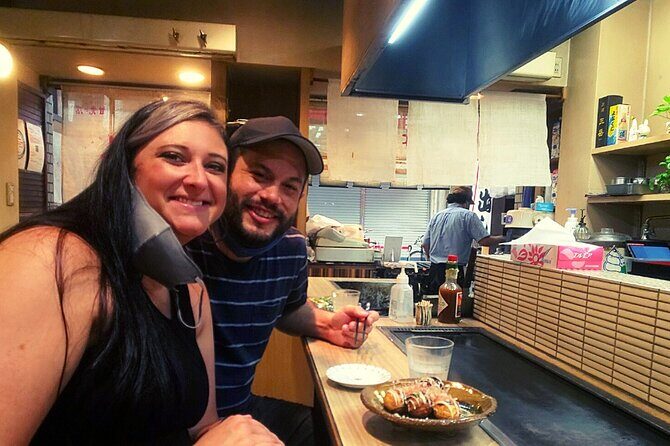
The best part of this tour is the human factor: the guide knows how to translate the market chaos into a sequence you can handle. People frequently mention guides by name, and the pattern is consistent. Guides such as Hikaru (who’s described as having a chef background), Anna (full of energy and humor), and Michael (friendly, personable, and good at steering the group) show up as the difference between sampling and actually learning.
Why does that matter for you? Because markets aren’t only about taste. They’re also about knowing what’s fresh, what’s prepared safely, and what to ask for so you get the quality you pay for. With vendor relationships, a guide can often help you pick items you’d miss on your own, including stalls that are more “local habit” than “tourist photo spot.”
Another reason guides matter: they can explain the meaning behind what you’re eating. Instead of treating each bite like a mystery flavor, you get context. That’s when you start noticing quality cues in the real world: how a fish is cut, how a dish is assembled, and how a vendor answers questions.
People also note that guides are patient with kids and with groups that include teens. One group highlighted how Hikaru handled a 2-year-old comfortably, and another credited Andy with being considerate with picky eaters and offering alternatives so nobody missed the point of the tour.
You can also read our reviews of more tours and experiences in Osaka
Family and group feel: small-group pacing without the stress
This is a walking tasting tour with small group size (up to 9), which changes the whole vibe. In a bigger tour you might spend more time waiting than eating. Here, the schedule is tight enough to be fun, but loose enough that you can ask questions and keep up.
If you’re traveling with family, this matters a lot. The reviews you shared highlight guides who adapted to kids, including very young children and older kids who still want to try unusual foods. Guides also seem comfortable doing quick course corrections when someone hesitates.
Still, it’s worth being honest with yourself: this is an eating tour. Even if portions are manageable, you’ll likely leave feeling comfortably full. If you know you get overwhelmed in busy places, consider this as a “guided stress reducer.” The guide helps you pick what to eat and where to stand, so you’re not stuck interpreting everything in real time.
What to do (and not do) right before the tour
Arrive with two goals: curiosity and room in your stomach.
I recommend you do light snacking beforehand, not a full meal. A lot of people end the tour full enough that they don’t feel like hunting dinner immediately. If you go in starving, that’s fine too, but the best experience is usually that steady middle. You want to taste, not fight your own hunger.
Also, don’t treat the listed dishes like a rigid contract. One helpful piece of advice from people who did the tour is that the possible food list can be outdated, so you should communicate your interests with your guide. If there’s something you want to try and your guide thinks it’s available and appropriate, they may be able to offer it or swap something else in.
Finally, bring a good attitude about seafood. This is not a “choose from a menu” situation. It’s a guided tasting of what the market offers, and seafood flavors show up repeatedly.
Price and value: about $63 for a guided, multi-stop meal

At $63.43 per person, this tour sits in the “you’re paying for guidance and access” category. You’re not just paying for food. You’re paying for someone to:
- map a route through Kuromon Market,
- choose the right stalls and items,
- keep the group moving, and
- translate what you’re eating into something you understand.
Because the tour includes 6–8 dishes plus 3–4 samplings, you’re getting multiple tastings instead of a couple of bites. If you were to try similar foods on your own, you’d spend time figuring out where to go and what to order, and you might still miss the best stalls without a local guide.
Also, the small group size tends to support better pacing. In a market, time is part of the cost. A well-run guide reduces the time you’d otherwise spend deciding, waiting, or accidentally choosing a less interesting option.
In short: if you like markets, like food, and want the learning curve handled for you, the price can make sense quickly. If you’re the type who prefers to wander freely and pick only a few items, you may prefer DIY. But for most first-timers, this tour is the faster route to a satisfying Kuromon experience.
Practical notes on choosing what kind of tourist you are
This tour is a great match if you:
- want a concentrated Osaka food education in a short window,
- like seafood and Japanese street food,
- enjoy learning what you’re eating, not just eating it.
It may be a poor match if you:
- are vegetarian or vegan (this one is not suitable),
- dislike walking or standing for a two-hour window,
- refuse most seafood choices.
And if you’re food-adventurous but worried about ordering, that’s actually where the guide shines. Several groups mention that the guide helped them find places they would not have found and learn how to tell the difference between more authentic choices and more tourist-focused ones.
Should you book this Kuromon Market Tour?
I’d book it if you want your first Kuromon visit to feel guided, not confusing. The biggest reasons are the small-group format and the fact that you’re eating a structured mix of Osaka favorites plus seafood, with a guide who can explain what you’re tasting and how to spot quality.
I’d skip it if you need a vegetarian or vegan route, or if you hate the idea of finishing full. This is built as an eating-and-walking tour, so it isn’t designed to be light.
If you do book, come prepared to communicate. Tell your guide what you’re excited about and what you’re not interested in. Based on the way guides adjust when people ask, you’ll likely get a tour that fits your preferences rather than a rigid checklist.
FAQ
How long is the Kuromon Market food tour?
It lasts about 2 hours.
What time does the tour start?
The start time is 2:00 pm.
Where is the meeting point?
It starts near Nippombashi Station at 1 Chome-5 Nipponbashi, Chuo Ward, Osaka 542-0073, Japan.
What’s included in the all-inclusive food experience?
It includes 6–8 selected dishes and 3–4 food samplings.
Is the tour suitable for vegetarians or vegans?
No, this tour is not suitable for vegetarians or vegans.
How many people are in the group?
The group maximum is 9 travelers.
Do I get a mobile ticket?
Yes, the tour uses a mobile ticket.
What does the tour focus on?
It focuses on Osaka cuisine in Kuromon Ichiba, including items like fresh seafood, okonomiyaki-style foods, dessert, Japanese tea, and other specialties.
How much does the tour cost?
The price is $63.43 per person.
What is the cancellation policy?
You can cancel up to 24 hours in advance for a full refund. Changes made less than 24 hours before the experience start time are not accepted, and cancellations within 24 hours are not refunded.