REVIEW · OSAKA
Osaka: Traditional Tea Ceremony Experience
Book on GetYourGuide →Operated by B.B.Advisors Inc. AN OSAKA · Bookable on GetYourGuide
Matcha, but make it hands-on. This Osaka tea ceremony is interesting because you can grind and prepare single-origin matcha yourself and then slow down with Japanese sweets called Ohigashi. The one thing to plan around: there’s no elevator, so you’ll use stairs to reach the venue.
I like that the whole experience is short and focused: a brief tea talk, a matcha grinding moment, then the actual tea ceremony practice, finishing with time to drink and eat. It’s also taught by a Japanese instructor with English help as much as possible, which makes it feel welcoming even if your Japanese is still in progress.
For many sightseeing days, this is a very efficient pause. You can fit it between neighborhoods instead of turning your whole afternoon into one big commitment.
In This Review
- Key things that make this Osaka tea ceremony worth your time
- 30 minutes of OTE-MAE: a calm break that doesn’t eat your day
- Single-origin matcha and Ohigashi: what you actually get to enjoy
- Meeting point near Higobashi and Yodoyabashi: quick walk, easy to find
- Inside the session: from tea talk to your matcha cup
- Start with a tea explanation (then you’re doing, not waiting)
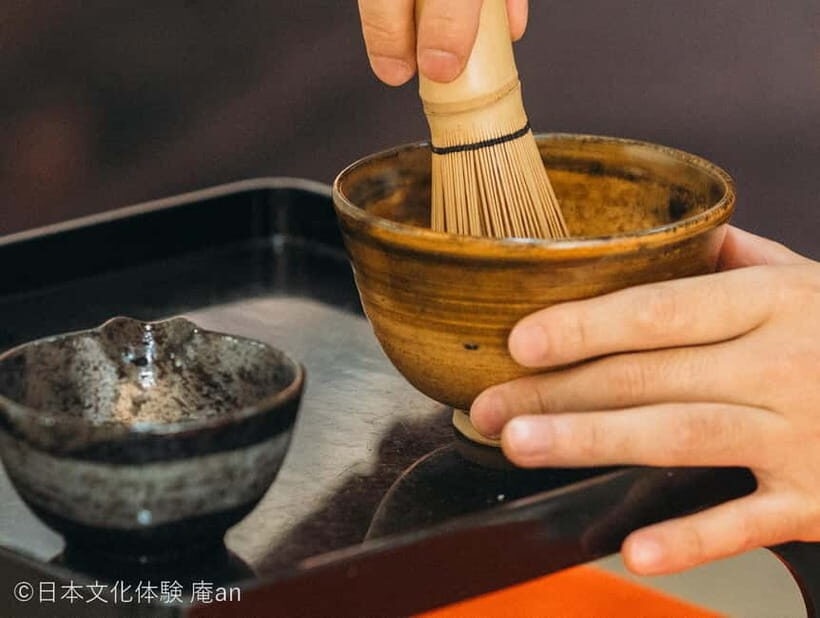
- Matcha grinding demonstration (the moment you’ll remember)
- Tea-ceremony experience (the structure of the ritual)
- Picture time, then eating/drinking
- Price and value: why $7 can be a smart use of a busy day
- Language, pace, and what to expect if your Japanese is limited
- Who should book this Osaka tea ceremony (and who might skip it)
- Should you book this Osaka tea ceremony?
- FAQ
- How long is the Osaka traditional tea ceremony experience?
- What does the price include?
- Is matcha included?
- Are the sweets included?
- Is there English support during the tea ceremony?
- When does the experience operate?
- Where is the meeting point?
- Is a completion certificate included?
- Is there a free cancellation option?
Key things that make this Osaka tea ceremony worth your time
- Single-origin matcha that you grind as part of the experience, not just watch from a distance
- Ohigashi sweets included, so the tasting includes more than matcha
- OTE-MAE format, with a set experience provided as part of the class
- About 30 minutes total, so it works well as a reset during sightseeing
- English translation support when possible, plus the teacher gives explanations during the session
30 minutes of OTE-MAE: a calm break that doesn’t eat your day
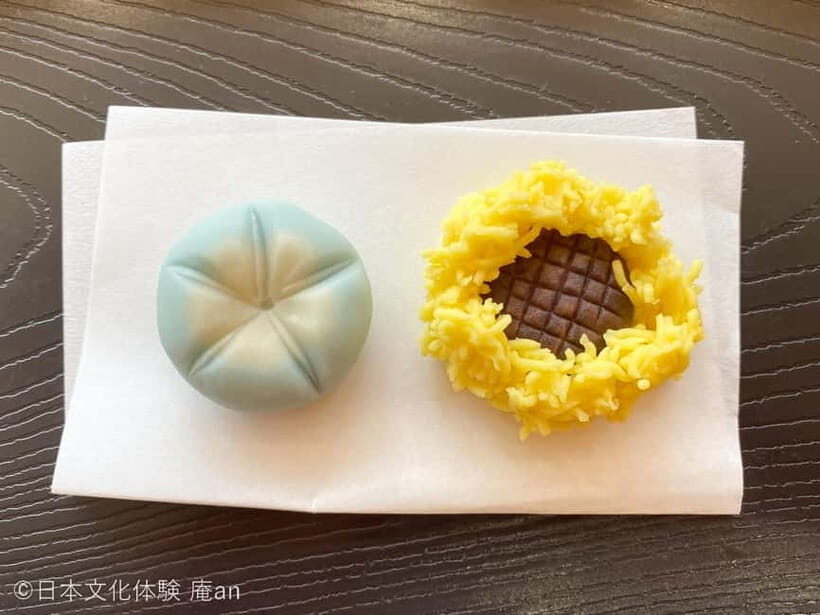
This experience is built for people who want the real vibe of tea culture without turning it into a half-day project. At 30 minutes, you get enough structure to feel like you joined something traditional, yet it still fits neatly into an Osaka itinerary.
The OTE-MAE style you do is practical. You’ll follow along with a short explanation, then you move into the parts that matter most: grinding matcha and participating in the ceremony steps. You’re not just tasting. You’re learning the rhythm of the process, then putting it into practice.
If you’re the kind of traveler who likes hands-on cultural moments, this hits the sweet spot. You leave with a cup you made, plus the added bonus of eating the included Japanese sweets.
One small caution: this is not framed as a casual “drop-in chat.” If you’re not participating, you won’t be allowed to enter. So show up ready to join in.
You can also read our reviews of more tours and experiences in Osaka.


Single-origin matcha and Ohigashi: what you actually get to enjoy
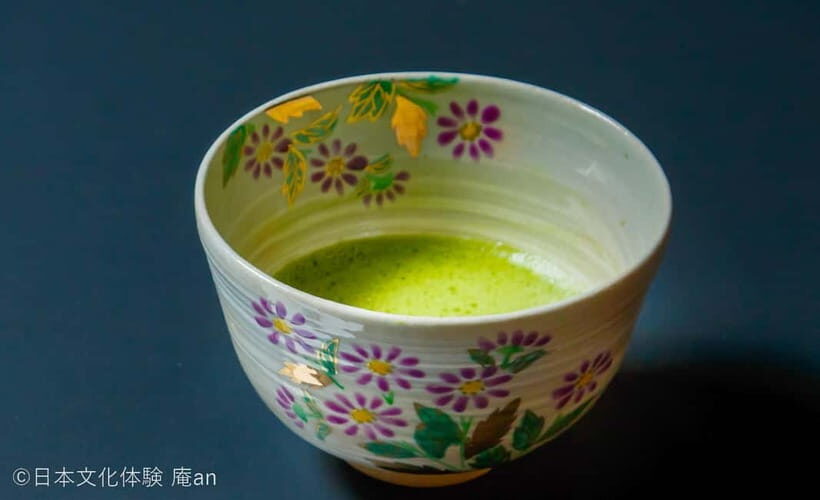
The standout flavor detail here is the matcha itself. You use a special single-origin matcha, not a generic green powder. That matters because matcha can taste very different depending on where it comes from. When a class specifies a better-quality matcha, you can actually taste the effort of the ritual.
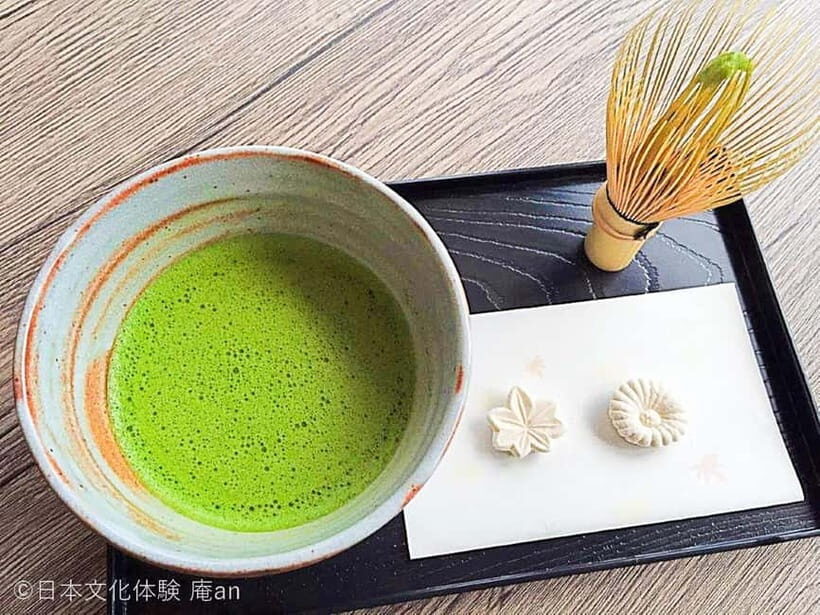
The experience also includes Japanese sweets called Ohigashi. This is important for two reasons. First, matcha isn’t only a drink; it’s often paired with sweets to balance bitterness and sweetness. Second, it gives you a fuller snapshot of how tea time works in everyday Japanese culture.
A typical flow is: you watch or learn the basics briefly, then you grind, then you take part in the tea ceremony, and finally you get time for the eating and drinking portion. That last part is where it clicks. You’re not rushing out right after the lesson.
Meeting point near Higobashi and Yodoyabashi: quick walk, easy to find
You’ll meet near major train lines in Osaka, which is a huge plus when you’re trying to stay on schedule. The location is listed at coordinates 34.6911523, 135.4958628, with multiple nearby station options.
Here are the walk times you can plan by:
- 1 minute walk from Exit 10 of Osaka Metro Yotsubashi Line Higobashi Station
- 5 minutes walk from Exit 7 of Keihan Nakanoshima Line Watanabebashi Station
- 7 minutes walk from Exit 10 of Osaka Metro/Keihan Line Yodoyabashi Station
- 10 minutes walk from Exit 11-5 of JR Tozai Line Kitashinchi Station
- About 15 minutes walk from South Central Gate of Osaka Station
My practical tip: pick the station that matches your route for the day, then navigate by exit numbers, not street names. Exit numbers are far more reliable when you’re moving quickly.
Also note one timing issue: the event won’t be held to accommodate delays. So arrive a bit early and don’t treat this like a flexible “when you feel like it” stop.
Inside the session: from tea talk to your matcha cup
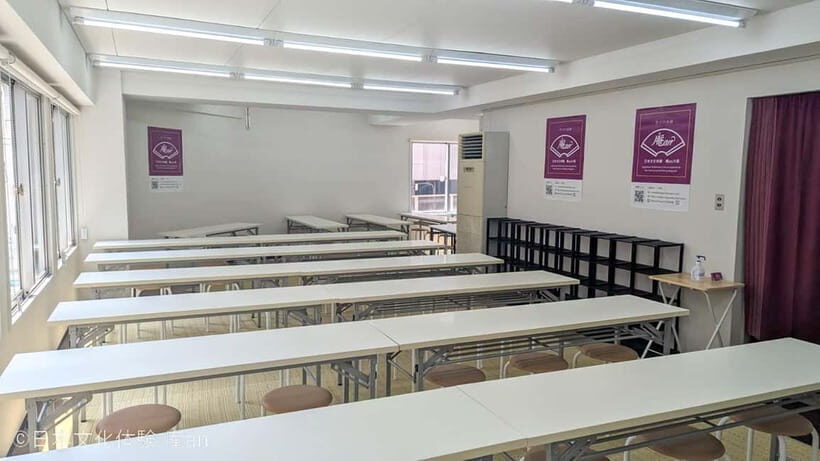
The experience runs for about 30 minutes, and it follows a clear sequence. The exact minute marks can feel a little condensed, but the order is straightforward.
Start with a tea explanation (then you’re doing, not waiting)
You begin with an explanation about tea. This is where you learn what you’re about to do and what the ceremony is trying to express. Even if you don’t understand every detail, you’ll usually catch the key ideas: how matcha is prepared and how the ceremony steps connect to respect, attention, and calm.




Matcha grinding demonstration (the moment you’ll remember)
Next comes the matcha grinding demonstration. This is one of the most “you are in Japan” parts of the activity. Grinding matcha is physical and sensory. You see how the texture changes and why fresh preparation matters.
Even better, you’re not only watching—you can make your own matcha. That turns the ritual from something distant into something you can actually describe later.
Tea-ceremony experience (the structure of the ritual)
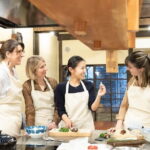
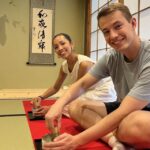
Then you move into the tea-ceremony experience itself. This is the part where you’ll practice the steps in the room with guidance. The instructor is Japanese, and English translation is provided as much as possible, with an option to request it if you want.
The vibe here is patient and beginner-friendly. In reviews, people specifically noted that the teacher explains how to prepare and drink matcha in English, and that the teaching style is careful and even a bit humorous. If you’re worried about language gaps, that reassurance matters.
Picture time, then eating/drinking
You also get picture time. It’s a small detail, but it’s the kind of “instant memory” feature that makes short experiences feel complete.
Finally, there’s eating and drinking time. This is when you slow down and actually enjoy what you made: your matcha and the included Ohigashi sweets.
Price and value: why $7 can be a smart use of a busy day
At about $7 per person for a 30-minute cultural activity, you’re paying for three main things:
1) instruction (a Japanese instructor guiding the steps)
2) the materials and tea setup included in the OTE-MAE set experience
3) the consumables: single-origin matcha plus Ohigashi sweets
The certificate is not included, and if you want that completion certificate it costs 300 JPY. That’s optional. In other words, the core value is the experience itself, not a paper souvenir.
From a traveler’s point of view, this price point works because it’s low-risk. If you’re curious about tea culture but don’t want to commit to a longer workshop, this gives you enough depth to feel real while staying budget-friendly.
Also, the short time matters. You’re paying for a focused session, not time wasted searching for parking, wandering between buildings, or waiting for a long start window.
Language, pace, and what to expect if your Japanese is limited
The class language is Japanese, but English translation is provided as much as possible. If you want extra English support, you can contact them in advance.
That combination is practical. Tea ceremony isn’t only vocabulary; it’s movement, timing, and atmosphere. Even without full translation, the instructor’s guidance and demonstrations make it manageable. Reviews also describe the instructor as patient and humorous, which helps when you’re learning something precise.
Pace is another strength. It’s short—about 30 minutes—so the session doesn’t drag. It’s also not designed as a long Q&A. You’ll learn, do, taste, and go. That can be perfect if you want cultural authenticity without turning your day into a classroom.
One more note for expectations: because there’s no elevator, plan around stairs. If you need step-free access, you should decide whether that makes the experience comfortable for you.
Who should book this Osaka tea ceremony (and who might skip it)
This is a great fit for you if:
- you want a quick, authentic cultural stop during sightseeing
- you like hands-on activities (grinding matcha is a highlight)
- you want matcha plus sweets, not just a lecture
- you prefer a short class that finishes with tasting and photos
You might consider skipping or choosing something else if:
- you want a long, deep lesson that takes hours
- you’re sensitive to stairs (no elevator is available)
- you need lots of flexibility for late arrivals, because the event won’t be held for delays
- you don’t plan to participate, since non-participants can’t enter
Should you book this Osaka tea ceremony?
If you’re in Osaka and you want something calm, traditional, and genuinely hands-on, this is an easy yes. The combination of single-origin matcha, included Ohigashi, and a structured OTE-MAE session makes it feel more substantial than many short “experience” add-ons.
Book it especially if you’re balancing a busy day and you want a reset that doesn’t steal hours. Just arrive on time, be ready for stairs, and go with the mindset that you’re learning by doing.
If that sounds like your style, reserve a spot and plan it near your next neighborhood stop. This is the kind of experience that makes Osaka feel a little more personal.
FAQ
How long is the Osaka traditional tea ceremony experience?
It lasts about 30 minutes.
What does the price include?
You get the OTE-MAE set experience, including the tea ceremony activities, plus the matcha experience and the Japanese sweets called Ohigashi.
Is matcha included?
Yes. You can enjoy matcha casually, and you’ll participate in making it as part of the experience.
Are the sweets included?
Yes. The included Japanese sweets are called Ohigashi.
Is there English support during the tea ceremony?
English translation is provided as much as possible. If you want to add English support, you can contact them.
When does the experience operate?
Operation hours are from 10:00 to 17:00. Reservations received after 17:00 are processed the next day.
Where is the meeting point?
You meet at a location near multiple stations, including about 1 minute from Higobashi Station (Exit 10), and about 15 minutes on foot from Osaka Station’s South Central Gate. The specific coordinates are 34.6911523, 135.4958628.
Is a completion certificate included?
No. The completion certificate costs 300 JPY and is not included in the base experience.
Is there a free cancellation option?
Yes. You can cancel up to 24 hours in advance for a full refund.