Four hours sounds short, but Osaka moves fast in a good way. You start at Namba Yasaka Shrine, where a giant lion-head structure dominates the scene, then end in the electric lights of Dōtonbori with classic photo stops and lantern-lit old-town vibes at Hōzenji Temple.
I especially like two things: the mix of myth-and-practice at the shrine/temple stops, and the pop-culture play of Den-Den Town, including a real-life gachapon moment. It’s not a museum crawl. It’s the city, stitched together into a walk you can actually repeat later.
One consideration: with only about 4 hours, crowd timing matters. On busy dates (like New Year season), the shrine can have a long line, and you’ll feel the squeeze.
In This Review
- Key Highlights You’ll Notice Fast
- Price and Group Size: What This Walk Really Costs
- Getting Oriented at 2:00 pm: Where You Start and What Happens Next
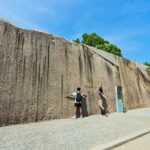
- Namba Yasaka Shrine: The 12-Meter Lion Head Photo Stop
- Den-Den Town (Nipponbashi): Anime Streets and the Gachapon Twist
- Kuromon Market: Osaka’s Kitchen Working Food Culture
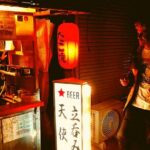
- Dōtonbori and the Glico Sign: Neon, Canal Photos, and Instant Energy
- Hōzenji Temple: Moss-Covered Statue and Lantern-Lit Alleys
- How Ai Makes the Walking Tour Work (Not Just the Stops)
- Who Should Book This Osaka 4-Hour Walk
- Should You Book This Osaka 4-Hour Walking Tour?
- FAQ
- How much does the Osaka 4-Hour Walking Tour cost?
- How long is the tour?
- What time does the tour start?
- Where does the tour start and where does it end?
- How big is the group?
- What ticket format do I need?
- Is the meeting area easy to reach by public transport?
- Can I cancel for a full refund?
- Is the tour suitable for most people?
Key Highlights You’ll Notice Fast
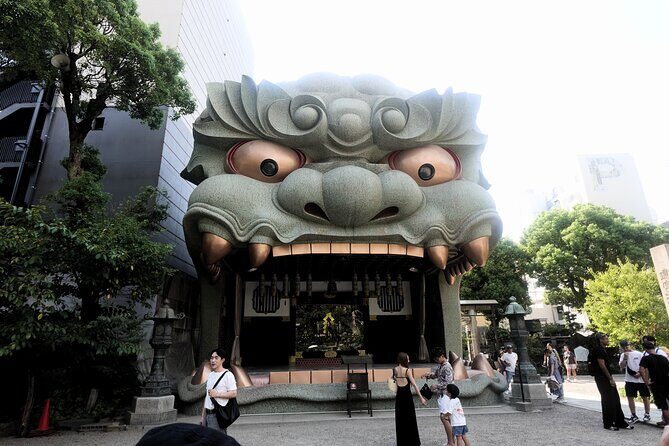
- Namba Yasaka Shrine’s 12-meter lion head: a standout photo moment tied to local beliefs about warding off bad luck.
- Den-Den Town pop-culture lanes: anime, manga, retro games, and quirky collectibles on foot.
- Gachapon snack-size fun: coin-in, twist, surprise toy energy that works even if you are not a collector.
- Kuromon Market street-level Osaka: vendors, everyday shopping, and the feel of the city’s food routine.
- Dōtonbori neon + Glico sign: iconic canal views with lively atmosphere around you.
Price and Group Size: What This Walk Really Costs
This tour is $40 per person for about 4 hours. For Osaka, that’s solid value because you’re covering multiple neighborhoods that are not too far apart, and the pace is guided rather than just wandering randomly.
The group is kept small, with a maximum of 10 travelers. That matters more than people think. In a crowd-heavy area like Dōtonbori, a smaller group makes it easier to hear explanations and still move at a comfortable walking speed.
Also, several key stops list free admission (at least for the shrine and Den-Den Town, and Dōtonbori). You still pay for anything you choose to eat or buy, but the core sightseeing is not nickel-and-dimed.
You can also read our reviews of more walking tours in Osaka
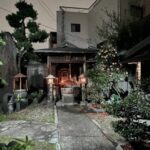

Getting Oriented at 2:00 pm: Where You Start and What Happens Next

The tour starts at 2:00 pm in Naniwa Ward, near the South Hills Namba 三番館 area (Shikitsunishi). It ends in Dōtonbori near Ebisubashi, so you can keep exploring right after without needing extra transport.
Because it’s near public transportation and uses a mobile ticket, you can travel light. Still, do yourself a favor and arrive a bit early at the meeting spot. With a fixed start time, being 10 minutes late can put you behind the entire rhythm of the walk.
And yes, you’ll walk. This is a city-stroll format, not a sit-down tour. If you hate steps or long stretches without breaks, you’ll want to plan breaks into your own day.
Namba Yasaka Shrine: The 12-Meter Lion Head Photo Stop
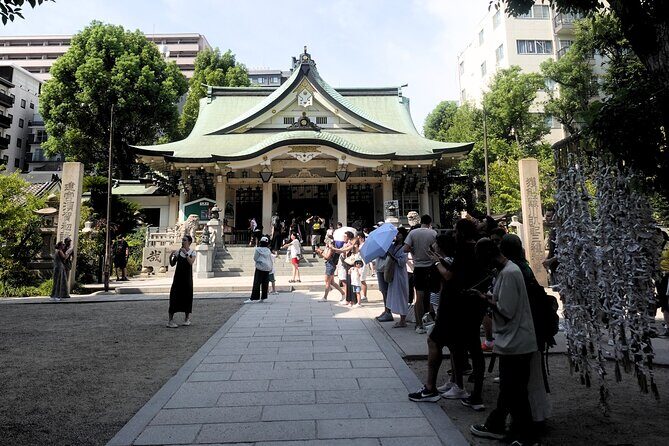
Namba Yasaka Shrine is tucked into backstreets in Namba, which is exactly why it works as a first real stop. The highlight is the 12-meter lion head stage, famous for the belief that it swallows evil spirits and brings good fortune.
What I like about this kind of start is that it sets a theme for the entire walk: Osaka is playful, but it’s also rooted in older spiritual ideas. Your guide explains the story and the meaning, so you are not just taking a picture—you’re understanding what locals are doing and why the lion is such a big deal here.
You get about 40 minutes at this stop, and the admission is listed as free. That gives you enough time to take photos, watch people approach the shrine, and still keep the rest of the tour moving.
Crowd note: on peak dates, you may hit a queue. If you’re traveling around New Year season or other busy holidays, build in patience. A long line at this first stop can shift the energy of the rest of the walk, since everything else happens in sequence.
Den-Den Town (Nipponbashi): Anime Streets and the Gachapon Twist
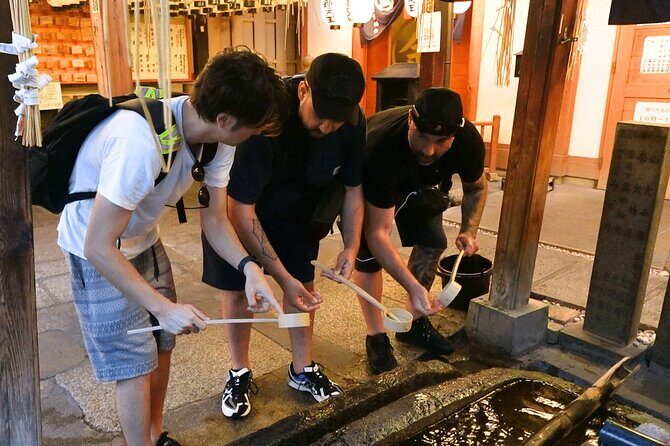
Next you head into Nipponbashi / Den-Den Town, Osaka’s pop-culture zone. Think anime goods, manga, retro games, and collectible odds and ends—more “walk and browse” than “look but don’t touch.”
This is where the tour turns more playful. A classic moment here is the gachapon capsule machine ritual: you drop in a coin, twist the knob, and get a surprise toy inside. It’s simple, but it’s also a great shortcut into local street culture. Kids love it. Adults love it too—especially once you realize it’s about the thrill of the unknown.
You’ll get around 30 minutes at Den-Den Town, and admission is listed as free. That time is best for quick browsing and one or two fun buys, not for deep shopping marathons. If you’re hunting a specific item, you’ll probably want extra time on your own after the tour ends.
One more thing: a good guide can prevent Den-Den Town from feeling like random clutter. The better part here is hearing context while you walk—so the streets feel like a map, not just a blur of signage.
Kuromon Market: Osaka’s Kitchen Working Food Culture
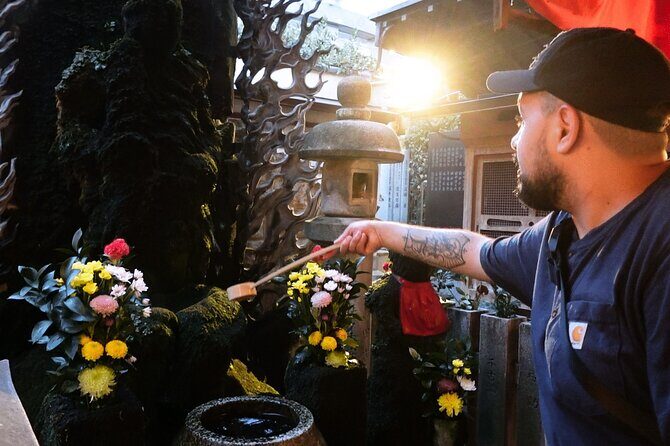
From Den-Den Town, you roll into Kuromon Market, often called Osaka’s Kitchen. This is where Osaka feels normal. You get covered arcades, tight lanes, and stalls lined with ingredients—seafood, produce, and all the everyday stuff that makes people’s meals.
What makes this stop valuable is the texture. Vendors call out, people shop, and you see what a busy food marketplace looks like in real life—not as a staged attraction. Even if you don’t buy much, the atmosphere is the point.
Plan to spend time here wandering at your own rhythm. Your guide helps keep things moving and makes it easier to pick what looks good. One helpful detail from past groups: Ai has guided people toward their first taste of something like takoyaki, so if you feel slightly unsure about what to order, you’ll have support.
One practical note: Kuromon is where your wallet can disappear fast if you snack nonstop. I like setting a small goal—one savory item plus a drink—then saving the rest for later exploration.




Dōtonbori and the Glico Sign: Neon, Canal Photos, and Instant Energy
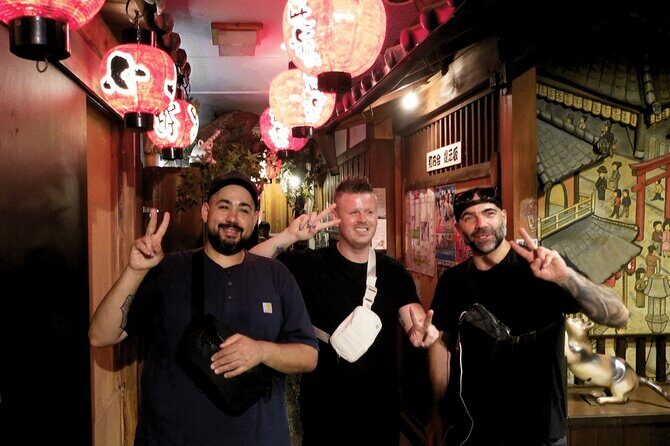
Then the tour hits Dōtonbori, Osaka’s entertainment district. This is the part most people picture before they arrive: neon lights, loud street energy, and the famous Glico running man sign near the canal.
You get about 50 minutes here. That’s enough time for photos without feeling like you’re stuck in one spot forever. Your guide also points out what to look for in the area so you’re not just photographing neon—you’re getting the story of why this place became a symbol of Osaka’s attitude.
This stop is also where you can choose your own pace. If you want quick photos and moving-on, you can do that. If you want to linger near the canal for night views and street scenes, you can plan to use your own time well after the tour too.
Food is everywhere around you here. The key is not letting it take over your entire tour schedule. You’ve got one more cultural stop afterward.
Hōzenji Temple: Moss-Covered Statue and Lantern-Lit Alleys
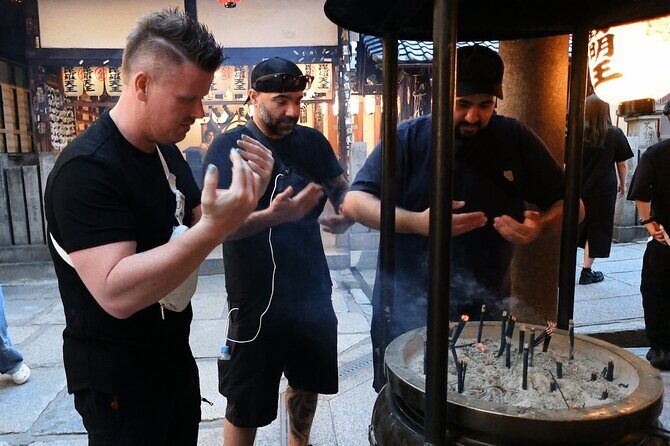
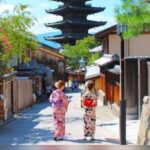
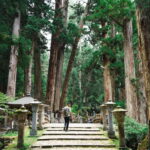
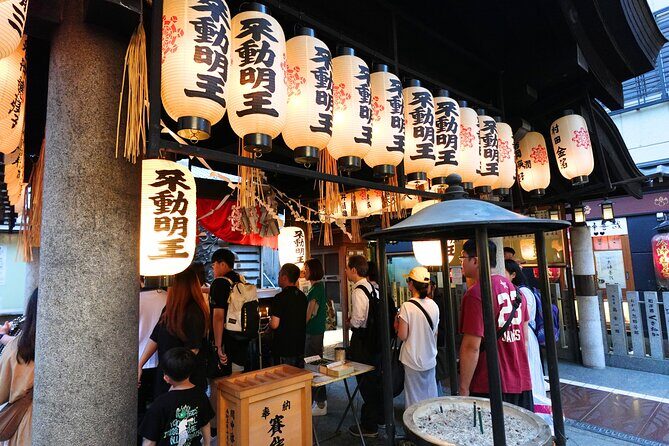
After the neon, you shift to a calmer, older Osaka feeling at Hōzenji Temple. The standout detail is a moss-covered statue, plus lantern-lit lanes that make the area feel like a postcard from another time.
This contrast is smart. It gives you a breather after Dōtonbori’s chaos. It also helps the tour land a message: Osaka doesn’t only do modern fun. It keeps older spiritual spaces alive right in the middle of everyday city life.
If you’re someone who likes your photos to include more than signage and crowds, this is the moment. The lantern-lit alleys are much more atmospheric than the big main streets, and your guide’s explanations help you notice what locals notice.
How Ai Makes the Walking Tour Work (Not Just the Stops)
A big reason this tour clicks is the way the guide connects each place. Ai has a style that mixes clear explanations with humor, so it doesn’t feel like you’re being read a script for four hours.
From what people have shared, Ai often includes practical guidance—like how to pray at a shrine—and adds small cultural details, including a few Osaka dialect words. That might sound tiny, but it changes how you experience the city. Suddenly you’re hearing local rhythms instead of just seeing locations.
Ai also keeps the “quiet moments vs. street energy” balance. You get serious myth-and-meaning parts at the shrine and temple, then you get playful pop-culture stops with gachapon and the everyday food rhythm of Kuromon. That blend is why the walk doesn’t feel like one long theme park line.
Who Should Book This Osaka 4-Hour Walk
This tour is a strong fit if you want:
- A first-time Osaka overview that still feels specific and not generic
- A balance of tradition and modern street life
- Fun photo stops plus street-level food-market energy
- A small group format where you can hear stories without shouting across the group
It might be less ideal if:
- You expect long stays at fewer sites. One concern that can come up with any short walk is that you can feel “moved along” if you want slow, deep browsing.
- You travel during peak crowd dates and hate queues. The shrine stop can become line-heavy when the city is busy.
Should You Book This Osaka 4-Hour Walking Tour?
I’d book it if you want a compact, guided sampler that covers the main Osaka flavors: shrine lore, Den-Den Town pop culture, Kuromon Market food culture, and Dōtonbori neon. The small group size and the guide’s story style make the route easier to follow and more meaningful than just walking those neighborhoods alone.
Skip it or plan carefully if your schedule is tight enough that a holiday queue would derail your day, or if you need lots of free time to shop without anyone nudging the pace.
If you do book, go in with a simple mindset: you’re here to see how Osaka blends belief, comedy, and everyday life—one neighborhood at a time.
FAQ
How much does the Osaka 4-Hour Walking Tour cost?
It costs $40.00 per person.
How long is the tour?
The tour lasts about 4 hours.
What time does the tour start?
The start time is 2:00 pm.
Where does the tour start and where does it end?
It starts at Shikitsunishi, 2-chōme 1 サウスヒルズ難波三番館 (Naniwa Ward) and ends near Ebisubashi in Dōtonbori.
How big is the group?
The tour has a maximum group size of 10 travelers.
What ticket format do I need?
You use a mobile ticket.
Is the meeting area easy to reach by public transport?
Yes, it is listed as near public transportation.
Can I cancel for a full refund?
Yes, there is free cancellation. You can cancel up to 24 hours in advance for a full refund; canceling less than 24 hours before the start time is not refunded.
Is the tour suitable for most people?
It is listed as most travelers can participate.