REVIEW · OSAKA
Osaka Market Tour & Cooking Class with Local Expert Masato/Shohei
Book on Viator →Operated by Traveling Spoon · Bookable on Viator
Food lessons in Osaka start at the market. This Osaka cooking class pairs a local host like Masato/Shohei with hands-on instruction, plus an ingredient walk at Karahori Shotengai (if you choose the market option) before you cook. I like the way the market time turns grocery shopping into real food education, so you understand what you’re buying and why it matters.
You also get a clear, practical cooking outcome: three dishes from scratch plus tea, and the default menu is sushi-making (with no raw fish). I love the specific sushi ingredients listed for this class, including tamagoyaki and even Wagyu beef, because that’s the stuff you can’t always recreate at home. The main thing to consider is logistics: there’s no hotel pickup, so you’ll need to get yourself to Matsuyamachi Station to start.
In This Review
- Key highlights worth planning for
- Why the meeting point (Matsuyamachi) is a smart start
- Karahori Shotengai: a 30-minute market tour that actually teaches
- The kitchen plan: how the hands-on cooking class flows
- What you’ll cook (and how menus affect your day)
- Sushi-making details you’ll actually use later
- Why this sushi option is good value
- Tea and dinner: eating the meal you made
- Price and value: what $120 buys you in Osaka
- Diets and allergies: when a cooking class becomes truly useful
- How to get the most out of your class (quick, practical tips)
- Who this Osaka cooking class is best for
- Should you book this Osaka market tour and cooking class?
- FAQ
- How long is the Osaka Market Tour & Cooking Class?
- Where do I meet for the tour?
- What dishes will I cook?
- Is raw fish included in the sushi class?
- Does the class include a market visit?
- Can the cooking class accommodate dietary restrictions?
- What is the group size?
Key highlights worth planning for
- Market-first ingredient education: Optional 30-minute walk through Karahori Shotengai to see condiments, vegetables, and staples up close.
- Hands-on, not just watching: You cook multiple Japanese dishes with your guide/chef and ask questions as you go.
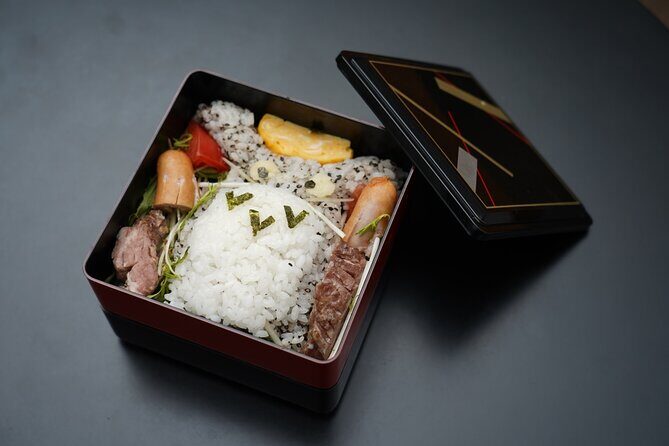
- Sushi option is specific (and no raw fish): Includes tamagoyaki, Wagyu beef, and seasonal veg like lotus root and shiitake.
- Small group size: Maximum of 13 travelers keeps the class more interactive.
- Allergy and dietary accommodations on request: Lactose free, gluten free, vegetarian, and vegan can be accommodated.
Why the meeting point (Matsuyamachi) is a smart start
This experience is built around a simple idea: start where locals start—on their way to buy ingredients—then move into a real kitchen and cook your meal. You meet at Matsuyamachi Station (2 Chome-6 Andojimachi, Chuo Ward), and the tour ends back at the same meeting point. That setup is practical because you don’t have to coordinate hotel pickup windows or guess where you’ll land at the end.
Also, Matsuyamachi puts you in the right kind of Osaka rhythm. It’s close to public transportation, and that matters for a short tour (about 2 hours 30 minutes). You can line this up on a day when you’ve already planned to be in the Osaka city core—then you spend the evening with full bellies instead of trying to find a cooking-themed restaurant afterward.
One more detail I appreciate: it’s a shared class. That usually means you get a bit less floor space than a private lesson, but it also tends to make the group feel like a mini food workshop rather than a performance.
You can also read our reviews of more shopping tours in Osaka
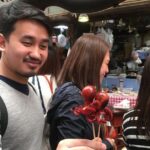
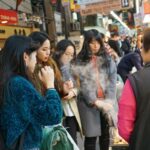

Karahori Shotengai: a 30-minute market tour that actually teaches
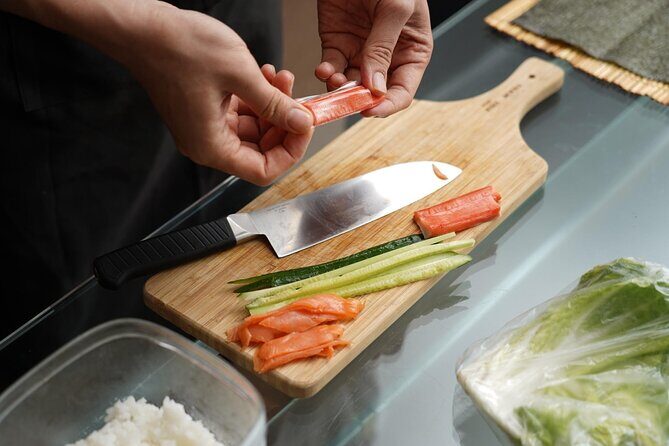
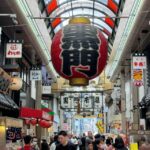
If you pick the market tour option, your host takes you to Karahori Shotengai, a covered shopping street with small stalls. The market segment is about 30 minutes, which might sound short, but for this format it’s the right length: you get the overview plus a few targeted lessons, not a slow wander that eats your cooking time.
Here’s what you should pay attention to during the market walk:
- Condiments and prepared staples. You’ll likely see the flavors that make Japanese cooking taste like itself—seasonings and sauces that show up again and again in home-style meals.
- Seasonal vegetables. Even in a quick visit, you’ll get a feel for what’s available and what’s in season in Osaka right now.
- Practical ingredient swaps. A good host can explain what ingredients do in the dish, so you can replace items later when you cook at home.
The market is also where your guide can set expectations for the cooking phase. If you’ve ever tried to follow a recipe after a vacation and thought, I can’t find that exact ingredient, this is where you reduce the risk. You see the real versions, learn their role, and can judge what’s closest back home.
A small consideration: if you choose the market option, your total time stays the same, so you’re trading a bit of cooking or sit-down time for a quick ingredient walk. For most people, the swap is worth it.
The kitchen plan: how the hands-on cooking class flows
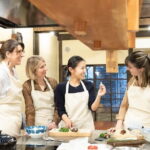
The core of this experience is the cooking class itself. You’re guided by your host and a chef setup designed for a shared, hands-on lesson. The tour is structured so you’re not just observing. You’ll be working through three Japanese dishes from scratch, then you’ll eat what you made, finishing with tea.
This is the part I think you should care about most: the class is built to teach technique, not just memorizing steps. You can expect guidance on Japanese cooking methods and how ingredients behave—things like texture, cutting styles, and how seasoning changes during cooking.
Also, the class is designed for questions. That sounds obvious, but many cooking tours discourage back-and-forth because they’re trying to keep a tight schedule. Here, the approach is more like a practical workshop: ask, adjust, keep going at your pace.
What you’ll cook (and how menus affect your day)
When you book, you’re asked to indicate your menu preference. If you don’t specify, the default class is sushi-making. That’s good to know because your day can change a lot depending on what you choose—especially if you’re excited about a certain style of Japanese home cooking.
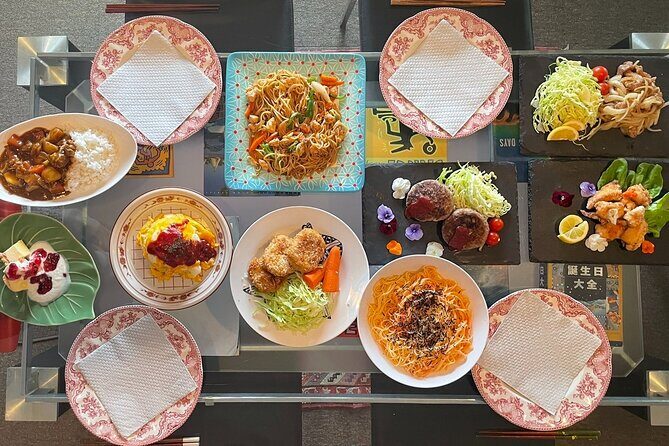
The class menu is described as covering dishes such as:
- sushi
- character bento styles (listed as an option)
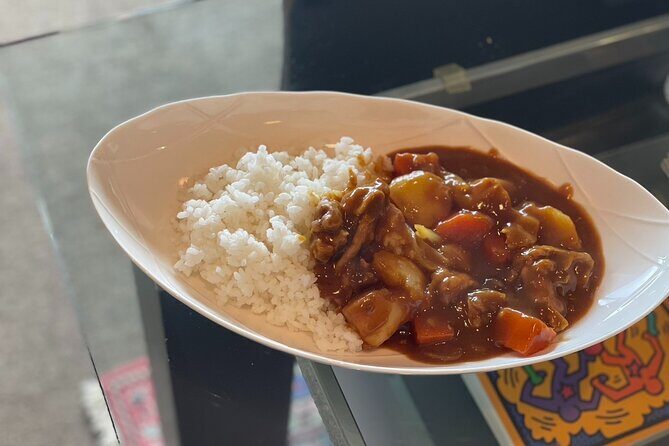
- Japanese curry rice
If sushi is the default, don’t worry—you’re not stuck with one flavor path. Japanese meals often feel connected even when they’re different dishes, and the way you learn seasoning and preparation carries over.
Sushi-making details you’ll actually use later
If you choose the default sushi class, the ingredient list is specific, and that’s a big plus. This class includes ingredients such as:
- tamagoyaki (rolled Japanese omelet)
- Wagyu beef
- seasonal vegetables like lotus root, bamboo shoots, and shiitake mushrooms
One critical clarification: raw fish is NOT included. So if you’re cautious about raw seafood, or you simply want a sushi experience that feels more beginner-friendly, this is a strong fit.
You can also read our reviews of more tours and experiences in Osaka

Why this sushi option is good value
Sushi classes can go two ways. Either you get a vague overview, or you get a “real deal” ingredient-and-technique lesson you can recreate. This one lists enough concrete details that it feels more like the second option.
The best part is what you learn from tamagoyaki and cooked fillings. Tamagoyaki teaches you texture and folding control. Lotus root and shiitake introduce the flavor depth that comes from simmering and umami-building—skills you can translate to other Japanese dishes later.
And Wagyu beef gives you a richer understanding of how Japanese cooking handles softness and seasoning balance. Even if you don’t cook with Wagyu every day, you’ll learn what you’re trying to get: tenderness, flavor layering, and a non-greasy finish.
Tea and dinner: eating the meal you made
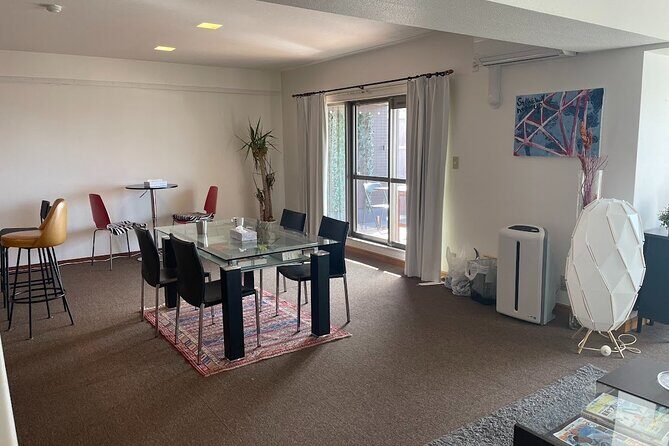
After you finish cooking, you sit down to enjoy your homecooked meal, followed by tea. This is more than a nice perk. Eating right after you cook is where the lessons “stick.”
When you taste the final dish moments after learning technique, you can connect cause and effect. If you slightly under-seasoned something, you feel it instantly. If a vegetable dish turned out sweeter than expected, you can connect it back to simmer time or ingredient choice.
This pacing also helps you enjoy the experience without rushing. You work, you eat, you relax. For a food-focused tour, that balance matters.
Price and value: what $120 buys you in Osaka
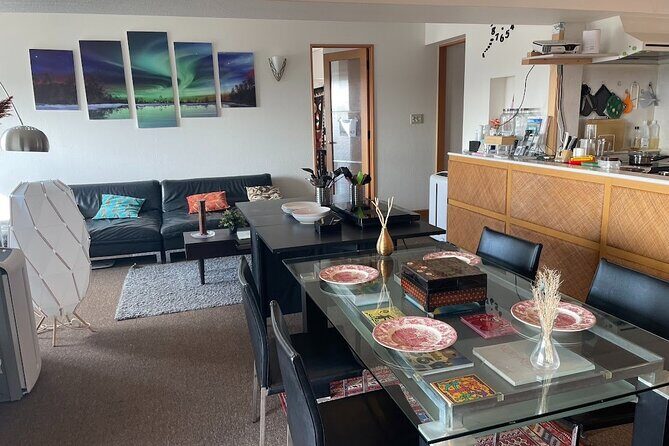
At $120 per person for roughly 2.5 hours, this isn’t a budget activity. But it’s also not overpriced for what you get—especially in a city where food tours can range wildly depending on whether you’re paying for guidance, cooking time, or simply a tasting.
Here’s what you’re paying for in practical terms:
- a hands-on class with a professional chef component
- three dishes from scratch (not a quick demo)
- a homecooked meal plus tea
- optional guided shopping at Karahori Shotengai
- allergy and diet handling on request
- a small group cap of 13 travelers
That last point matters more than people think. In a group of 30, you spend half your time waiting. In a group capped at 13, you’re more likely to get personal corrections, and that’s the difference between leaving with a couple photos and leaving with real kitchen skills.
Also, the tour includes a mobile ticket, which is a small operational comfort. It reduces the chance you’ll lose something or fumble paper tickets while you’re already hungry.
Diets and allergies: when a cooking class becomes truly useful
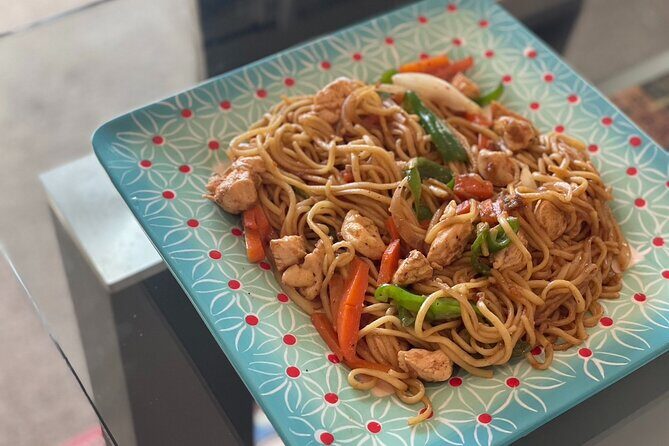
If you’ve ever traveled and worried about allergens, you know it can turn food excitement into stress. This class is set up to reduce that stress. It states that you can advise dietary restrictions, allergies, and cooking preferences at booking.
It also mentions that the tour can accommodate:
- lactose free
- gluten free
- vegetarian
- vegan
All on request.
That’s exactly what you want from a cooking class. You’re not just “allowed” to eat something. You should also be able to participate in the steps that match your needs, so the learning still works.
One more reassuring detail: if Masato isn’t available, an equally wonderful chef colleague hosts you. That helps you avoid the anxiety that a guide change might ruin the class. For you, it means the experience stays consistent even when schedules shift.
How to get the most out of your class (quick, practical tips)
To make this tour feel worth your money, I’d show up with the right expectations:
- Go with at least one thing you want to learn. Sushi technique, curry seasoning, or bento design—pick a goal.
- Ask about ingredient roles. You’ll get more useful info than just a recipe you can’t source.
- If you have dietary needs, mention them early. The class says to advise restrictions and allergies at booking, and that’s when planning matters most.
- Bring your curiosity, not just your appetite. This is a skills-first experience.
Also, remember there’s no hotel pickup. Plan your start point so you arrive on time without sprinting through the station corridors. That keeps the class experience relaxed instead of stressful.
Who this Osaka cooking class is best for
This is a great fit if you:
- love Japanese food and want to understand the “why,” not just the “what”
- want a focused class in a city known for eating well
- prefer practical skills you can reuse at home
- appreciate small-group instruction
It’s also a good match for people who want sushi but prefer no raw fish. If you’re traveling with teens or friends who like learning by doing, the structured meal outcome helps keep everyone engaged.
If you’re the type who likes long food walks and slow wandering, the 30-minute market component may feel short. But for most people, the tradeoff is the point: you get market context and still have serious cooking time.
Should you book this Osaka market tour and cooking class?
Book it if you want a cooking-focused experience with real structure: market ingredients (optional), three dishes from scratch, and a meal you helped create. The small group size and the allergy/diet support are the big decision-makers for me. They make this feel less like a paid meal and more like a skill-building class.
Skip it only if you don’t like shared group settings or you want something more flexible and open-ended. This tour is designed around a clear menu flow and a fixed time window, so it’s best when you’re okay with following the plan and learning through instruction.
If you’re already planning an Osaka food day, this is a smart anchor. You’ll leave with techniques you can use, ingredients you learned to recognize, and a sushi or curry memory that’s tied to hands-on effort instead of just a restaurant stop.
FAQ
How long is the Osaka Market Tour & Cooking Class?
It runs for about 2 hours 30 minutes.
Where do I meet for the tour?
Meet at Matsuyamachi Station, 2 Chome-6 Andojimachi, Chuo Ward, Osaka 542-0061, Japan.
What dishes will I cook?
You’ll cook three authentic Japanese dishes from scratch, and the default menu is sushi-making if no preference is selected. The class may include options like sushi, character bento style, or Japanese curry rice.
Is raw fish included in the sushi class?
No. Raw fish is NOT included in this class.
Does the class include a market visit?
You can choose the market tour option. If selected, your host takes you to Karahori Shotengai for a guided tour of about 30 minutes.
Can the cooking class accommodate dietary restrictions?
Yes. It can accommodate lactose free, gluten free, vegetarian, and vegan diets on request. You should advise allergies, dietary restrictions, and cooking preferences at booking.
What is the group size?
The maximum group size is 13 travelers.