REVIEW · OSAKA
Osaka Food Walking Tour with Market Visit
Book on Viator →Operated by ALL STAR OSAKA WALK · Bookable on Viator
Your chopsticks start at a wholesale market. This half-day Osaka food walking tour sends you to Osaka-Kizu Wholesale Market in the city, then guides you on to Shinsekai for lunch and food culture you can’t really recreate on your own without getting lost.
I especially like the guided sashimi and seafood tastings at the market, plus the seasonal fruit samples that make the visit feel local, not touristy. I also like the Shinsekai plan: you get a traditional meal with Osaka comfort food such as okonomiyaki cabbage pancakes, and the route includes a tea shop and even a kitchen knife stop.
One consideration: you’ll be on foot and you’ll use transit, and the public transport cost (¥410 per person) isn’t included.
In This Review
- Key things to know before you go
- Why Kizu Wholesale Market Makes This Tour Worth Your Morning
- From Sashimi Samples to Seasonal Fruit: What You Actually Taste
- Quick practical advice for tastings
- Shinsekai Lunch and the Okonomiyaki Cabbage Pancake Moment
- Tea and a knife shop on the way
- Tea and Knife Stops That Teach You How to Shop Like a Local
- The tea shop comparison
- The kitchen knife shop
- Walking Pace, Subway Time, and the Real Cost of Transit
- What to wear
- Price and Value: Is $130.64 a Good Deal
- Why the small-group limit matters
- Popular timing
- Who This Tour Suits Best (and Who Should Skip It)
- The Guide Factor: What Makes the Experience Feel Personal
- Should You Book the Osaka Food Walking Tour with Market Visit?
- FAQ
- FAQ
- What time does the tour start?
- How long is the Osaka Food Walking Tour?
- Where does the tour meet and where does it end?
- Is lunch included?
- What do you do at Osaka-Kizu Wholesale Market?
- What food from Osaka do you try in Shinsekai?
- Is public transportation included in the price?
- Is this tour private?
- Can children join?
Key things to know before you go
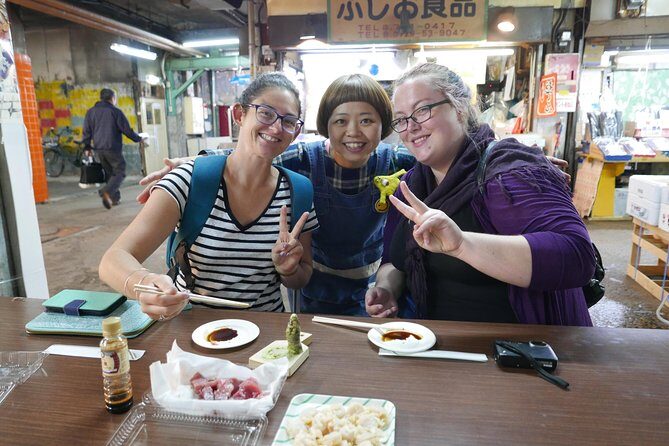
- Small-group format (max six) keeps the tastings and questions manageable.
- Osaka-Kizu Wholesale Market tastings focus on sashimi, seafood, and fruit.
- Shinsekai lunch with comfort food includes okonomiyaki cabbage pancakes.
- Tea shop comparison helps you understand what you’re ordering later.
- Kitchen knife shop stop adds a practical, gift-worthy side trip.
- End near Ebisu Bridge and Dotonbori puts you in prime walking-and-snacking territory after the tour.
Why Kizu Wholesale Market Makes This Tour Worth Your Morning
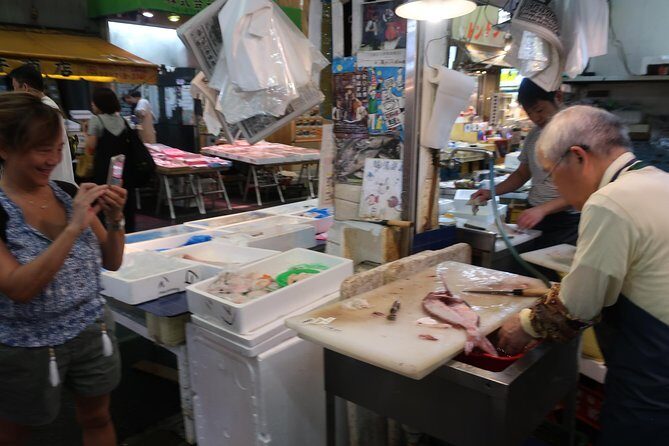
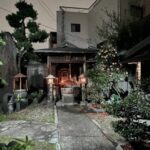
If you want to understand Osaka food, start with where the ingredients move first. This tour begins at Daikokucho Station at 9:00am and heads to Osaka-Kizu Wholesale Market, the kind of place that exists for professionals: buyers, sellers, and anyone who needs top-quality seafood fast.
The big win here is that you’re not just looking. You’re tasting with a local guide who introduces the market like a living system, not a museum. The market stop runs about one hour, and admission is free—so your money goes toward the guided experience and food sampling instead of paying entry fees.
Another reason this works well for most visitors: the guide helps you get your bearings in a busy food environment. Wholesale markets can feel chaotic when you’re standing alone, especially if you’re trying to decide what’s worth eating. On this tour, you’re pointed toward items that match the season and the market’s specialty, including fresh sashimi and seafood.
You can also read our reviews of more walking tours in Osaka

From Sashimi Samples to Seasonal Fruit: What You Actually Taste
This isn’t a sightseeing-only food tour. It’s built around eating in a structured way, which matters because food in Osaka is everywhere—and that can overwhelm you if you’re hungry and unsure what to pick.
At Osaka-Kizu Wholesale Market, the tastings are the centerpiece: you’ll sample fresh sashimi, plus other seafood items and seasonal Japanese fruit. That fruit detail is more useful than it sounds. In Japan, fruit isn’t just dessert—it often shows up as a seasonal highlight during meals and market shopping, and it’s a quick way to notice what’s changing over the weeks (instead of eating the same “travel standard” every day).
The tour also gives you time where locals love to eat and where you can try street food. That’s a real advantage when you’re short on time. You get a planned food education, then you also get a small window to choose a couple extra bites that fit what you’re craving that day.
Quick practical advice for tastings
- Pace yourself. Market seafood is great, but you’ll still have a lunch later.
- If you have strong food dislikes (for example, you don’t eat raw fish), tell the guide early. You’ll want to confirm what’s easiest to handle within the tastings.
- Keep a little cash or card handy in case you want extra snacks beyond what’s included.
Shinsekai Lunch and the Okonomiyaki Cabbage Pancake Moment
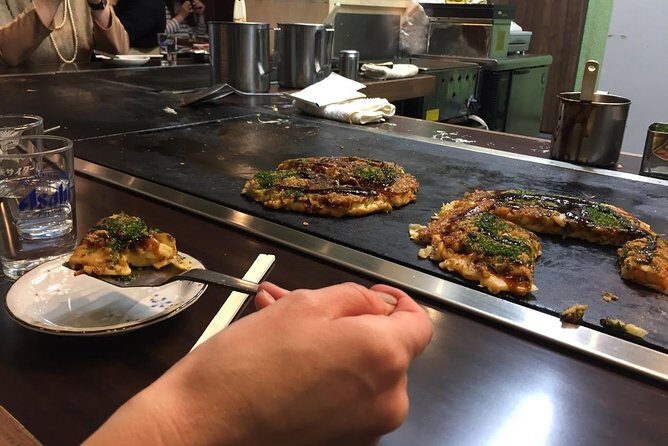
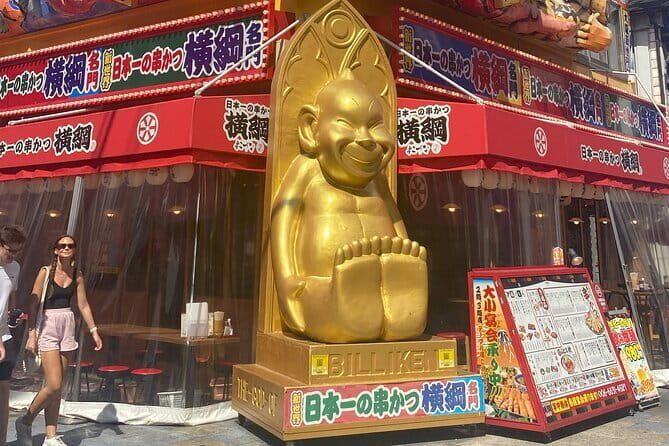
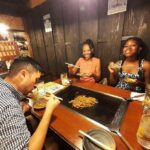
After the market, the tour heads to Shinsekai, one of Osaka’s most recognizable neighborhoods for casual, comforting food. This is where the city feels like it’s feeding people on purpose—warm, filling dishes meant to make you happy.
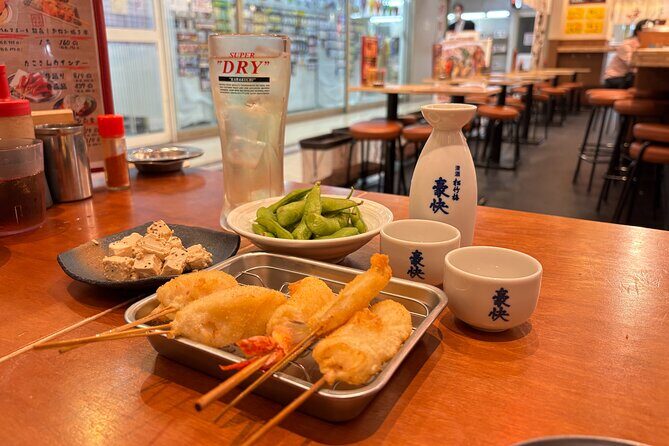
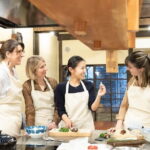
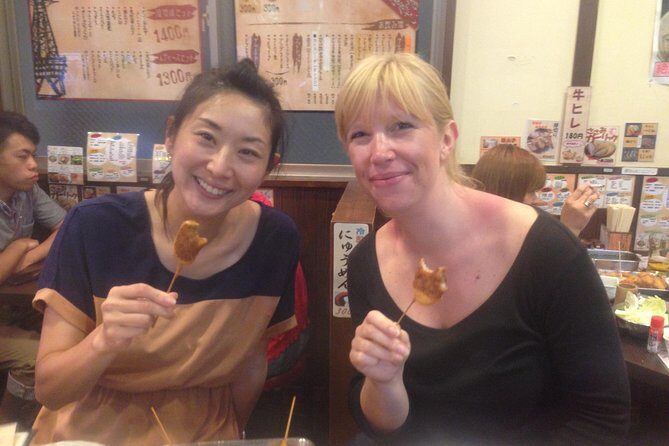
Lunch is included, with food samples and snacks set up for the group. The tour highlights Osaka comfort food, especially okonomiyaki cabbage pancakes. If you’ve never had okonomiyaki, this is a good entry point because it’s one of those dishes that’s both simple to understand and fun to watch: a savory pancake style meal built around cabbage, plus toppings and sauces that reflect local tastes.
Shinsekai is also a smart choice for a guided lunch stop. It’s lively and easy to keep wandering afterward, but it’s not as “walk in and order blindly” as some areas. The guide helps you land at a place that works for groups, and you’re not spending half your lunch figuring out ordering.
Tea and a knife shop on the way
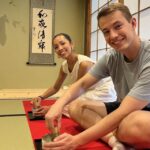
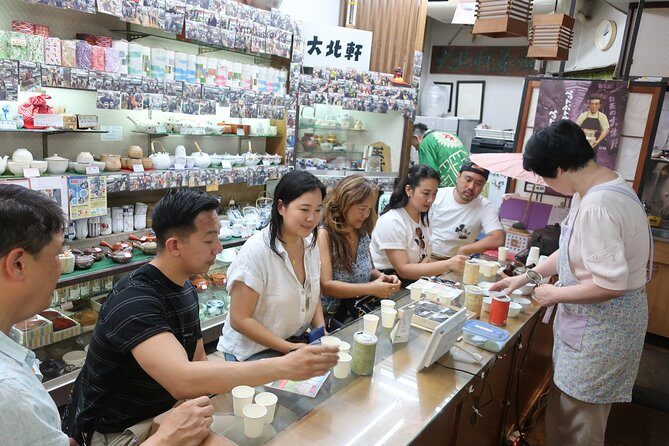
Lunch in Shinsekai isn’t the only cultural beat. The guide takes you to a tea shop where you can compare different types of Japanese tea. Even if you don’t become a tea expert, you’ll leave with a clearer sense of what people actually mean when they talk about Japanese tea—so your next drink order makes more sense.
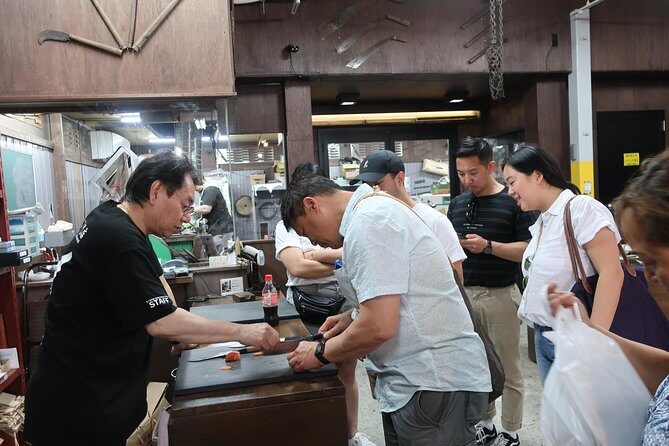
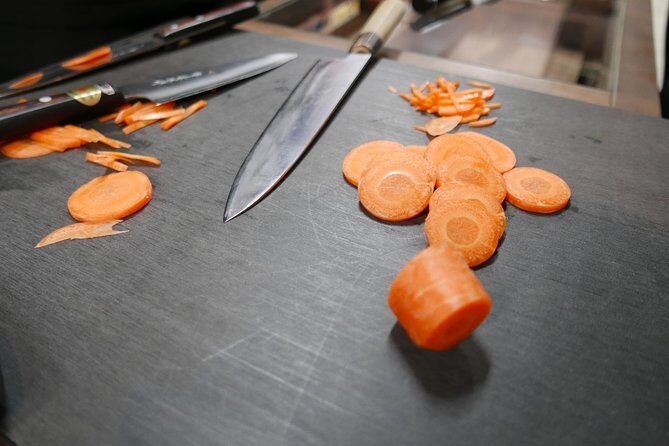
There’s also a stop at a kitchen knife shop. This is a practical add-on for food lovers and shoppers. If you’re the type who likes bringing home tools (not just snacks), you’ll appreciate seeing the craftsmanship around knives without it turning into a hard sell.
You can also read our reviews of more food & drink experiences in Osaka


Tea and Knife Stops That Teach You How to Shop Like a Local
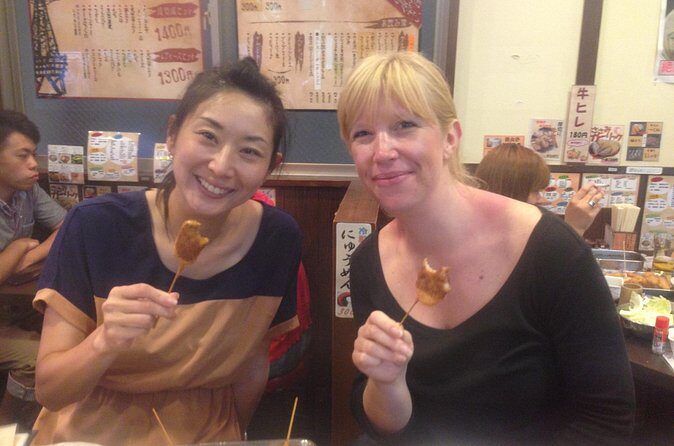
This tour works because it mixes eating with a couple of “supporting characters” that explain the food world around you.
The tea shop comparison
A tea stop might sound small compared to sashimi, but it’s a smart way to make the experience stick. Japanese tea is a huge part of everyday food culture, and tasting different types in a real shop gives you a reference point. Instead of guessing later, you’ll have a personal memory to connect with what you ordered.
The kitchen knife shop
Knives are one of those Osaka/Keihanshin themes that show up around food. Even if you don’t buy one, the stop gives you context: people treat kitchen tools seriously, and that mindset shows up in how they cook.
If you do want to buy something, plan to handle it like a traveler: protect it in your luggage, check whether it fits your airline rules, and don’t assume the shop will gift wrap for travel. The tour itself doesn’t promise purchase support—it simply includes the visit—so treat it as a cultural stop you can enjoy either way.
Walking Pace, Subway Time, and the Real Cost of Transit
The tour is about four hours total. That’s long enough to cover meaningful food stops, short enough to keep your day flexible afterward.
You start at Daikokucho Station and end near Ebisu Bridge in the Dotonbori / Namba area. That final location is useful because it means you can extend your eating day right after the tour with less transit hassle.
One note on money: public transportation is listed as ¥410 per person and is not included. The tour does use the subway between areas, so build that into your Osaka budget. Also, if you’re planning to visit other neighborhoods later the same day, remember you’ll already be spending a chunk of time walking and moving between stops.
What to wear
This is a walking tour with market time. Wear comfortable shoes you trust. Think light layers too: markets and crowded streets can feel warm, but subway rides and indoor stops can swing cooler.
Price and Value: Is $130.64 a Good Deal
At $130.64 per person, this isn’t a bargain-basement food crawl. It’s priced like a guided, structured experience with real food included—and the price makes more sense when you break down what you’re getting.
You’re paying for:
- Market tastings (sashimi, seafood, seasonal fruit)
- Lunch plus snacks
- A small group format (maximum six)
- A guide who handles pacing and food selection in places that can be confusing alone
- Additional food-culture stops like tea and a kitchen knife shop
You’re not paying entry fees for the market stop (admission is free), which helps keep the cost focused on the guided experience and meals.
Why the small-group limit matters
A cap of six per group changes the feel of a food tour. You can ask questions, you can hear the guide’s explanations, and you’re not stuck waiting while a larger group splits attention across multiple tastings. That’s a big part of why the overall rating is so strong, including a consistent mention of guides being patient and clear.
If you’re the type who hates standing around with nothing to do, this group size usually feels right.
Popular timing
It’s commonly booked about 38 days in advance, which signals demand. If your trip dates are set, I’d book earlier rather than hoping for luck later.
Who This Tour Suits Best (and Who Should Skip It)
This tour fits best if you want Osaka food with structure. You’re not just eating randomly; you’re learning what to look for and what to order next.
You’ll likely enjoy it if you:
- Are a first-time Osaka visitor who wants an efficient food plan
- Love seafood and want fresh sashimi as part of the experience
- Want comfort food too, not only fancy bites (okonomiyaki cabbage pancakes are a nice mix)
- Like small groups and guided explanations instead of full-on DIY chaos
You might want to skip or think twice if:
- You hate early starts. It begins at 9:00am
- You don’t eat seafood or raw fish. The tour centers sashimi and seafood tastings, so you’d need to confirm alternatives early.
- You dislike walking and subway hops. It’s not a sit-down-only plan.
Also, if you’re traveling with kids: children must be accompanied by an adult, and the minimum age is 1 year old. That can work well if your child handles crowds and food smells, but it’s still a market-style environment.
The Guide Factor: What Makes the Experience Feel Personal
A tour like this lives or dies by the guide. Here, the standout theme is clear communication and patience. One guide, Ichiro, gets special praise for explaining areas with history and useful facts, and for taking time to move carefully with the group.
That matters because market food can be sensory overload: sights, sounds, smells, and fast decisions. A good guide slows you down at the right moments, tells you what to notice, and keeps the experience from feeling like a checklist.
You’re also more likely to enjoy the tastings when someone translates the why behind what you’re eating. It changes your relationship to the food, not just the food on your plate.
Should You Book the Osaka Food Walking Tour with Market Visit?
I’d book this if you want a guided, food-first Osaka day that includes both seafood market culture and a satisfying neighborhood lunch. The Osaka-Kizu Wholesale Market start is the kind of choice that instantly upgrades your understanding of local eating, and the Shinsekai finish gives you comfort food and a lively area to continue on your own.
Be realistic about your preferences. If seafood and food tastings are your thing, this is a strong fit. If you’re picky about raw fish or you want a slower, more relaxed pace with fewer stops, look for a different kind of food tour.
If you do book, show up ready to walk, and come hungry but not reckless. You’ll be sampling at the market, then eating lunch soon after.
FAQ
FAQ
What time does the tour start?
The tour starts at 9:00 am.
How long is the Osaka Food Walking Tour?
It lasts about 4 hours.
Where does the tour meet and where does it end?
It starts near Daikokucho Station (3-chōme-11-10 Shikitsuhigashi, Naniwa Ward) and ends near Ebisu Bridge in the Dotonbori area (Namba).
Is lunch included?
Yes. Lunch is included, along with food samples for lunch and snacks.
What do you do at Osaka-Kizu Wholesale Market?
You explore the wholesale market with a local guide and taste things like fresh sashimi, seafood, and seasonal Japanese fruit. You may also have a chance to try street food and eat where locals love.
What food from Osaka do you try in Shinsekai?
The tour includes Osaka comfort food such as okonomiyaki cabbage pancakes, plus a traditional lunch.
Is public transportation included in the price?
Public transportation is not included. The cost is listed as ¥410 per person.
Is this tour private?
Yes. It’s listed as a private tour/activity, and only your group participates.
Can children join?
Children must be accompanied by an adult, and the minimum age is 1 year old.