REVIEW · OSAKA
Japanese home cooking class in Osaka Umeda
Book on Viator →Operated by 日本文化体験 桜ん坊 · Bookable on Viator
Cooking in a real Osaka home feels personal. This Japanese home cooking class near Umeda puts you in a real kitchen and dining room with Osaka mother hosts, and it’s private, so you set the pace with clear help from Hisako and Naoko. I like that you also get practical shopping tips for Japanese supermarkets, not just cooking steps, so you can actually repeat the food later.
My main caution: transport is on you. Private transportation isn’t included, so you’ll want to plan your own way to the meeting point at 1-chōme-4-1 Tamagawa, Fukushima Ward.
In This Review
- Key things to know before you go
- Osaka Umeda Home Cooking Class: Why This Feels Different
- Meeting Hisako and Naoko in a Real Osaka Home
- Choosing Your Dish: Bento, Takoyaki, Udon, and More
- How Japanese Supermarkets Show Up in Your Meal Plan
- Cooking Time: A Step-by-Step Osaka Lunch
- Tea, Lunch, and the Home vs Restaurant Lesson
- What You Take Home: Printed Recipes and Real Confidence
- Price and Value: Is $59.12 Worth It?
- Who This Osaka Home Cooking Class Suits Best
- Things to Consider Before You Book
- Should You Book This Japanese Home Cooking Class in Osaka?
- FAQ
- How long is the Japanese home cooking class near Umeda?
- What’s included in the price?
- Is this a private experience?
- Where is the meeting point?
- Do I need private transportation?
- What dishes can I choose from?
- Do I get anything to take home?
- Can I cancel and get a full refund?
Key things to know before you go
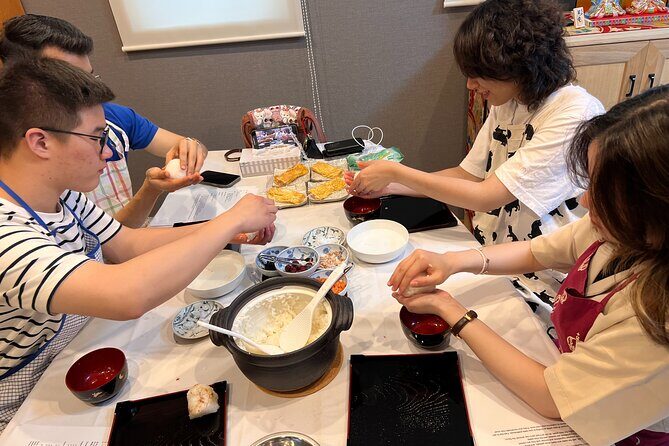
- Private, small-group feel with pace control and personalized attention
- A real home kitchen with a host-led cooking flow, not a studio demo
- Menu choice from Osaka-style favorites like bento and takoyaki (and you may see options like udon, onigiri, tempura)
- Tea and water with your meal, plus a chance to learn how Japanese dining rhythms work
- Supermarket shopping advice on ingredients and what to look for
- Recipe printouts so you can recreate what you made at home
Osaka Umeda Home Cooking Class: Why This Feels Different
If you’ve ever taken a cooking class where everything happens under bright lights and timed like a show, this one goes the other direction. You’re cooking and eating inside a real Osaka home, which changes the vibe fast. The food feels less like a one-time performance and more like something you could do again with the same ingredients and steps.
I also like that it’s not just “make a dish.” You learn the why behind Japanese home cooking: how meals are planned, how ingredients are chosen, and how home-style versions differ from what you typically see at restaurants. That matters, because if you only copy the finished dish, you miss how the flavor and texture are built.
The class lasts about 2 hours and includes lunch, with water and Japanese tea served with the meal. For the price (about $59.12), the value really comes from the private attention and the recipe take-home, not from hours in a kitchen.
You can also read our reviews of more cooking classes in Osaka

Meeting Hisako and Naoko in a Real Osaka Home
The experience is run by 日本文化体験 桜ん坊, and you meet at 1-chōme-4-1 Tamagawa in Fukushima Ward. The location is described as near public transportation, which is a good sign if you don’t want to wrestle with taxis, but you still need to make it there under your own plan since transportation isn’t included.
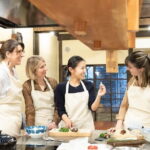
Once you arrive, the first “wow” is how normal it feels. This isn’t a staged cultural center kitchen. It’s a family space where cooking and eating live side-by-side. That’s why the coaching lands well: you’re not just learning techniques, you’re learning how home cooks actually work while serving a meal.
From what you can infer from how the hosts teach, the standout is the way Hisako and Naoko break things down into simple steps. Several participants highlight that they’re patient and friendly, and that they also give you guidance beyond the recipe—like how to shop for the right ingredients, and how to avoid common mistakes when you try the dish later.
Choosing Your Dish: Bento, Takoyaki, Udon, and More
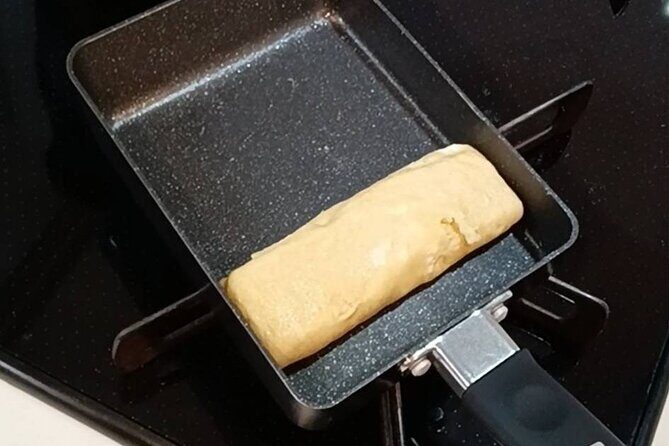
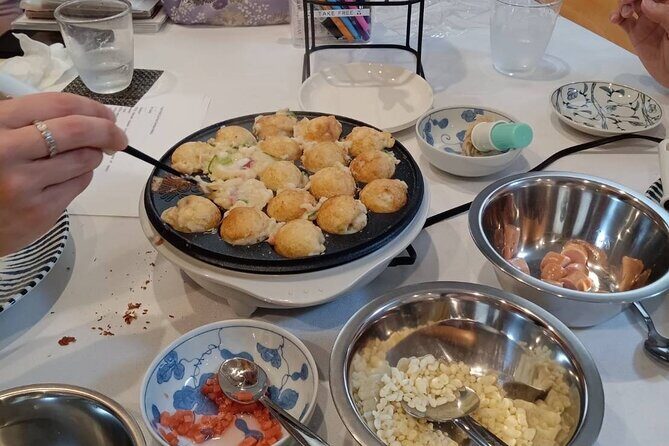
One of the smartest parts of this class is that you get to choose your dish from a menu of local specialties. The listing calls out examples like bento and takoyaki, which is great if you want Osaka flavor with a fun, approachable format.
In real sessions, you may also find options such as udon, onigiri, and tempura, since those have come up in past experiences. The exact selection can vary, so don’t count on a single menu item—count on the hosts helping you pick something that matches your comfort level and the time you have.
Here’s the practical takeaway: the dishes tend to be “home-friendly” rather than restaurant-only. Home versions usually mean more accessible seasoning and clearer steps, so you’re not chasing hard-to-find techniques. If you’re new to Japanese cooking, that’s a big advantage.
And since it’s private, you can ask questions while you cook instead of waiting your turn while a group moves ahead.
How Japanese Supermarkets Show Up in Your Meal Plan
A good cooking class teaches one dish. A great one helps you keep the skill alive at home. This one does that through shopping tips for Japanese supermarkets—what to buy, how to identify key ingredients, and how to think about what makes a dish taste right.
I love this part because it turns “I learned to cook” into “I can shop and cook again.” Japanese supermarkets can be a little intimidating at first: labels, package sizes, and ingredient names don’t always match what you expect. When your host tells you what to look for (and what alternatives still work), you save time and reduce waste.
You’ll also hear how ingredient choices change the finished result. For example, in many Japanese home meals, subtle differences in sauce, broth, or frying technique can shift the whole flavor. With supermarket guidance in your back pocket, you’re less likely to end up with a decent dish that tastes off.
Cooking Time: A Step-by-Step Osaka Lunch
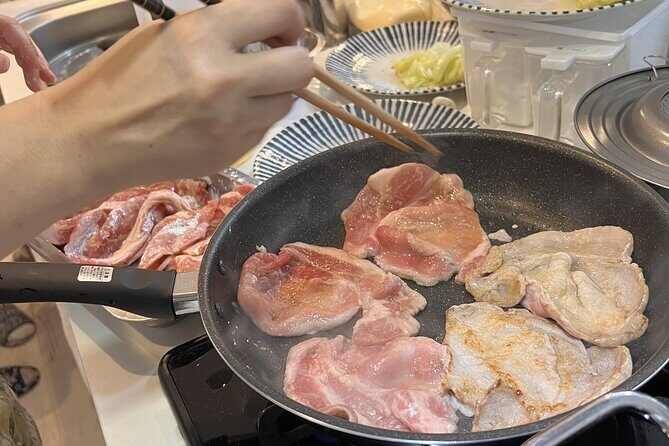
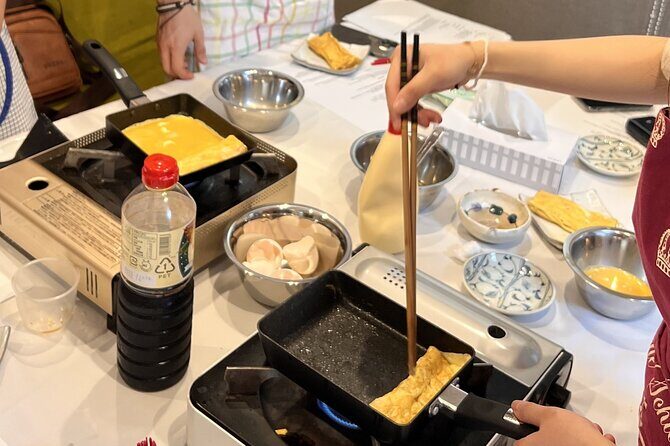
The flow in a home kitchen tends to be more relaxed than a demo, and that’s one reason this experience works. You cook in the kitchen and then eat in the dining space as the meal comes together. Expect a hands-on session where the hosts show you what to do, then you do it yourself with ongoing feedback.
Because you can move at your preferred pace, the class feels more like guided practice than a rushed workshop. That matters if you’re slower, if you’re traveling as a couple and want time for conversation, or if you simply want to understand each step instead of copying motions.
Dishes you might make include things that translate well to home cooking—like bento-style meal building or takoyaki-style cooking, plus options like tempura, udon, and onigiri that many people find rewarding to make from scratch. One participant shared that they made tempura and udon and that the hosts helped them through frying even as a beginner. That’s the kind of confidence this class is designed to build.
Also, the hosts provide recipes and instructions to take home. That’s huge. If you’ve ever tried to recreate a travel meal from memory, you know how quickly details disappear. With printed instructions, you can actually cook again instead of just remembering that it was good.
You can also read our reviews of more tours and experiences in Osaka


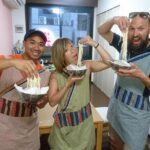
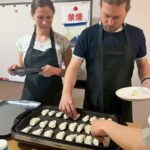
Tea, Lunch, and the Home vs Restaurant Lesson
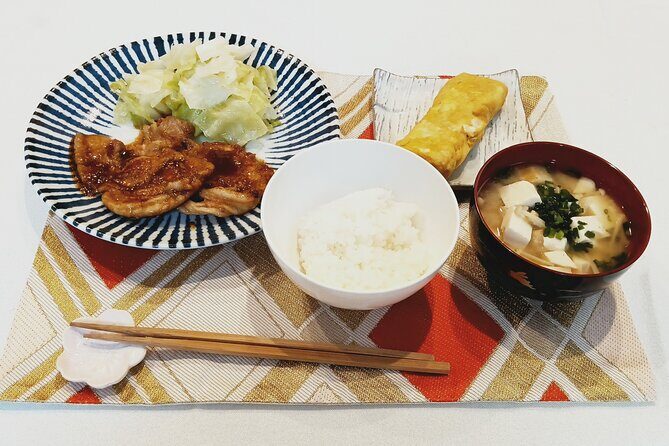
This class isn’t only about the kitchen. You’ll also sit down for lunch with water and Japanese tea served with the meal. The tea part isn’t treated as an afterthought; it’s part of the rhythm of eating and learning Japanese hospitality.
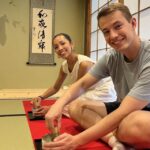
In some sessions, participants have even mentioned a more formal tea moment, so you might see tea treated as a small cultural ritual. Even if it’s not a full ceremony, you’ll still learn how hosts connect tea to the meal experience—simple, calm, and practical.
Now, the deeper learning: Japanese home cooking vs. Japanese restaurant food. The hosts specifically frame the difference. Restaurant versions often target consistency, speed, and showmanship. Home cooking often aims for comfort, seasonality, and using what’s on hand (while still respecting flavor balance). You’ll likely hear guidance on why certain dishes taste different depending on whether they’re made for a home table or a service line.
That makes the class valuable even if you only plan to cook one dish later. You’ll start spotting the difference in the foods you order in Osaka—why some bites feel more mellow, how sauces and seasonings behave, and why textures might feel different.
What You Take Home: Printed Recipes and Real Confidence
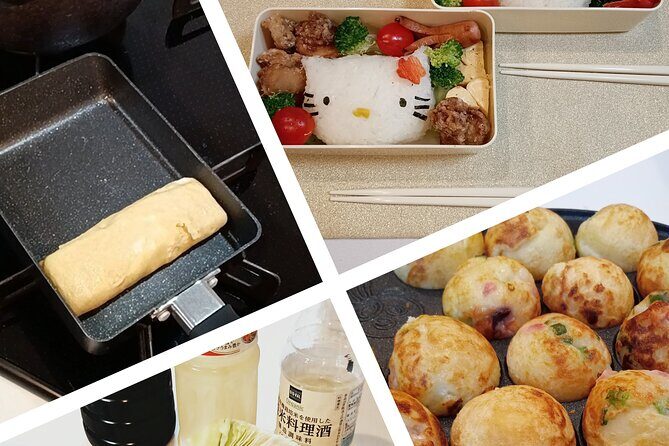
I’m a big fan of classes that give you a plan for home cooking, not just a memory. This one does that with printed recipes and instructions. Several participants specifically called out how helpful this was, especially because the steps are broken into something you can follow again later.
Also, the recipes are described as more accessible than the versions you might find in restaurants. That’s key. A lot of Japanese recipes online look doable, but the real difference is whether you can execute them without a dozen specialty tools or vague techniques. Here, you get guidance that helps you recreate what you made during the class.
If you’re cooking for a partner or friends later, this is the kind of experience that gives you a reliable “menu” for your next dinner. And if you’re traveling with kids, you should know that at least one group had their daughters try on traditional kimonos during the experience. That’s not guaranteed from the core description, but it’s a signal that the hosts may bring thoughtful touches when appropriate.
Price and Value: Is $59.12 Worth It?
At about $59.12 per person for roughly 2 hours with lunch included, the cost can look modest—or steep—depending on what you compare it to.
Here’s the value math that makes sense:
- Private instruction: You’re not competing for attention.
- Hands-on cooking: You’re doing the work, not just watching.
- Lunch and drinks: You’re getting a meal, not snacks.
- Take-home recipes: This turns the class into a skill you can practice again.
- Cultural Q&A: Because it’s private, you can ask all the practical Japan questions you want while you cook.
If your goal is to learn one or two Osaka dishes the way locals make them, and then actually repeat them at home, this is one of the better ways to spend an afternoon in Osaka. If you’re just chasing food photos and don’t care about technique, you might prefer a simpler food tour. But if you want cooking confidence, the price feels fair.
Who This Osaka Home Cooking Class Suits Best
This experience fits best when you like hands-on learning and you value practical skills over vague cultural talk. If you enjoy cooking already, you’ll appreciate the structure and the host feedback. If you’re a beginner, you’ll likely appreciate the way Hisako and Naoko teach step-by-step and keep you moving at your pace.
It’s also ideal for:
- Couples who want a shared activity that feels personal
- Small groups who want to cook and eat together
- Anyone who wants to ask direct questions about Japan while doing something practical
The class is also designed as a private activity for only your group, so it doesn’t feel like you’re squeezed into a larger crowd.
Things to Consider Before You Book
A few practical notes to keep your expectations aligned:
- Get yourself to the meeting point using your own plan. Private transportation isn’t included.
- You’ll be in a home environment, so bring an open mind about the flow of a normal house kitchen.
- The exact dishes you cook may vary based on the menu and what’s available, even though options like bento and takoyaki are specifically mentioned.
- The session is about 2 hours, so it’s enough to learn and make something you can replicate, but not enough to become a kitchen expert.
Should You Book This Japanese Home Cooking Class in Osaka?
Yes, if you want a real Osaka home meal plus cooking skills you can repeat. I think it’s a strong pick for people who like learning by doing—and for anyone who wants more than just eating a dish. The combination of private pacing, friendly instruction from Hisako and Naoko, supermarket shopping tips, and printed recipes makes this more useful than a typical food stop.
Book it if you’re aiming for:
- a hands-on Osaka experience you can recreate later
- a calm, personal lesson instead of a fast group scramble
- practical Japan know-how, like what ingredients to buy and how to use them
Skip it only if you’re mainly after a large buffet of many foods with zero cooking and no interest in technique. If that sounds like you, choose an eating-focused tour. If not, this is one of the better ways to turn a travel memory into something you can cook at home.
FAQ
How long is the Japanese home cooking class near Umeda?
The experience is about 2 hours.
What’s included in the price?
Lunch is included, and you’ll also drink water and Japanese tea with your meal.
Is this a private experience?
Yes. It’s private, and only your group participates.
Where is the meeting point?
The class starts at 1-chōme-4-1 Tamagawa, Fukushima Ward, Osaka, 553-0004, Japan.
Do I need private transportation?
No. Private transportation is not included, so you’ll need to arrange your own way to the meeting point.
What dishes can I choose from?
You choose from a menu of local specialties. The description specifically mentions options like bento and takoyaki, and past sessions have included dishes such as udon, onigiri, and tempura.
Do I get anything to take home?
Yes. The hosts provide recipes and instructions you can take home.
Can I cancel and get a full refund?
Yes. You can cancel for a full refund up to 24 hours before the experience’s start time.