REVIEW · OSAKA
Katsu Curry OR Bento Making Cooking Class & Local Shop Tour
Book on GetYourGuide →Operated by Osaka Cooking Base · Bookable on GetYourGuide
One bite, then you get why this class works. You start at Osaka Tenmangu Shrine, shop for ingredients, then cook a real Japanese home meal with step-by-step guidance.
I especially like the mix of food and context: you learn what you’re buying and why it matters, not just how to follow a recipe. The second thing I love is the hands-on payoff, whether you choose Katsu Curry or a Bento box you assemble yourself.
The only real consideration is timing and choice: it’s a 150-minute session, so you’ll want to be ready to cook efficiently, and you’ll need to pick either the Katsu Curry or Bento option for that day.
In This Review
- Key highlights to know before you go
- Where the class starts: Osaka Tenmangu Shrine and the local shop walk
- Local shop stops: learning ingredients, not just grabbing snacks
- The kitchen session: Katsu Curry or Bento box, taught step by step
- If you choose Katsu Curry
- If you choose Bento
- What both options share
- Lunch you made yourself: eating, reflecting, and getting the taste right
- Optional drinks and the sake tasting add-on
- Group size and the teaching style: why small matters here
- Price and value: is $83 worth it?
- Who this Osaka cooking class is best for
- Practical tips so you enjoy every step
- Should you book it? My honest take
- FAQ
- FAQ
- How long is the cooking class?
- Where exactly do I meet the group?
- What dishes can I cook in the class?
- Is the tour part included, or is it only cooking?
- Is there an English-speaking instructor?
- How big is the group?
- Is food included in the price?
- Are drinks included?
- Can I cancel and get a full refund?
Key highlights to know before you go
- Osaka Tenmangu Shrine meet-up: you gather at the large main gate, then start the local walk from there.
- Local shops with translation support: you get help understanding what ingredients are and how they’re used.
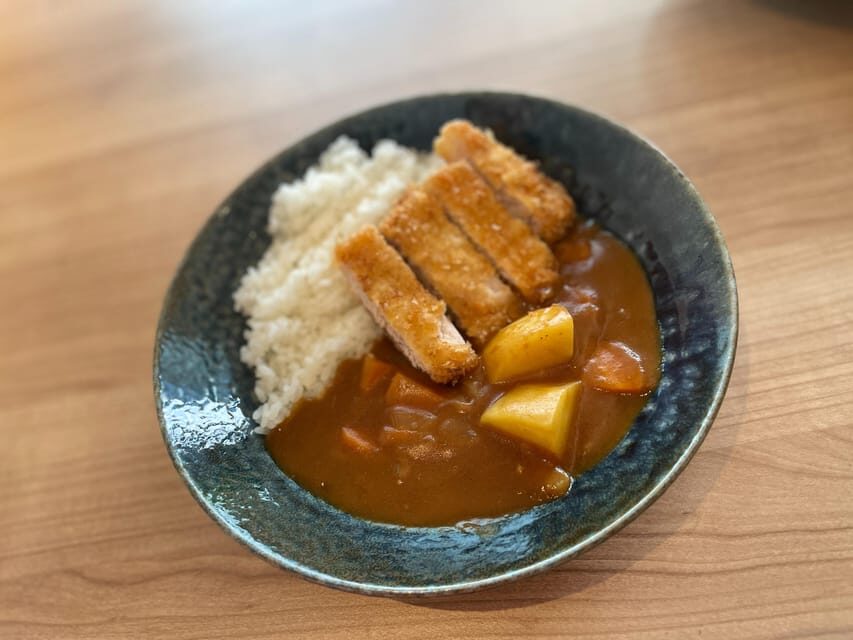
- Katsu Curry or Bento made from scratch: you get step-by-step cooking you can repeat later at home.
- Small group size: limited to 8 participants, which keeps questions from getting lost.
- Instructor-led Q&A: you can ask about Japan and everyday life while you cook.
- Optional drinks (including sake tasting): if you want, you can add an extra layer to the meal.
Where the class starts: Osaka Tenmangu Shrine and the local shop walk
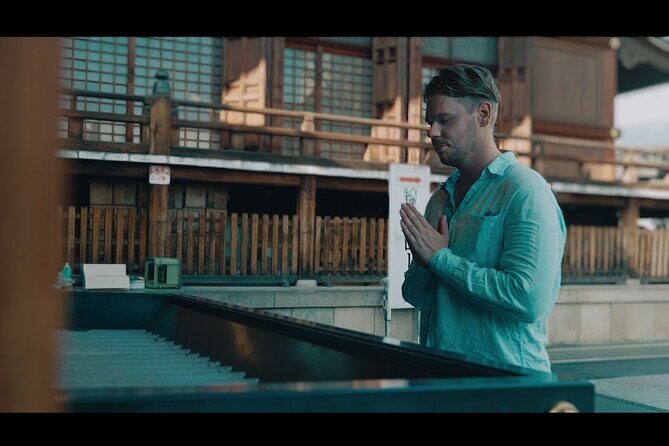
This experience begins right by the Osaka Tenmangu Shrine, at the large main gate. It’s an easy landmark to find, but do note the detail that people can mix up: you want the large main gate, not the small back gate.
From the shrine, the day turns into a neighborhood food walk. You’ll head to a few local shops, and the point isn’t to do a checklist of sights. It’s to understand the ingredients and everyday food culture that make Japanese meals taste like Japanese meals.
Translation assistance is part of the plan, which matters more than it sounds. When you can actually connect the name of an ingredient to how it’s used, you’ll leave with better habits for cooking back home. And based on guide names that have been praised in this program—Miyako, Yuka, and Tomoko—you’re likely to get patient explanations, not just a quick run-through.
You can also read our reviews of more cooking classes in Osaka
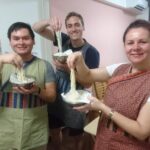
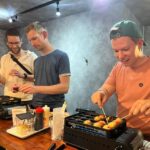
Local shop stops: learning ingredients, not just grabbing snacks
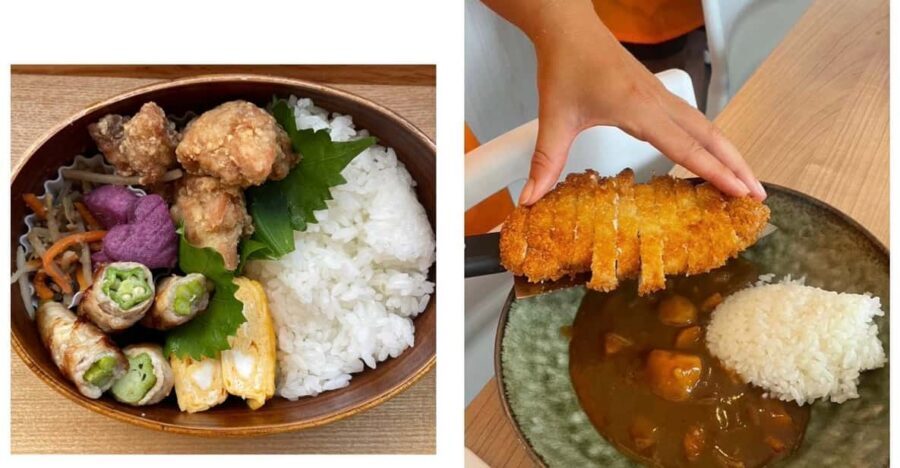
During the shop portion, you’ll explore a few stores connected to the local food supply chain. Some ingredients will be familiar, but the value here is seeing what’s stocked and how people choose it for home cooking.
What I like about this part is that it gives you context for your cooking later. A dish like Katsu Curry hinges on details—flavor balance, texture, and the way components come together. A Bento box hinges on structure and practicality: what goes where, and how you build a satisfying lunch that looks good and stays enjoyable.
You’ll also get a chance to ask questions as you go. That turns the walk into something more human than a passive tour. If you’ve ever wondered how Japanese households think about meals—portioning, convenience, or balancing tastes—this is where those answers can start.
The one practical thing to watch: you’ll need to pay attention and ask when something is unclear. There’s translation help, but you’ll still move through shops on a schedule, so bring curiosity and don’t wait until you’re in the kitchen to remember your questions.
The kitchen session: Katsu Curry or Bento box, taught step by step
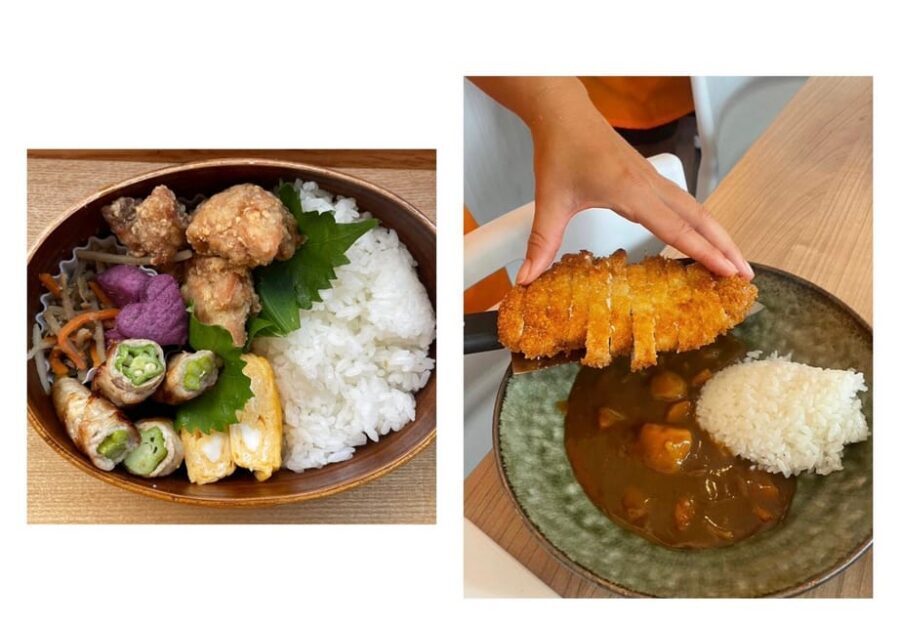
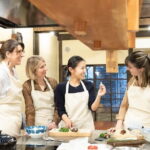
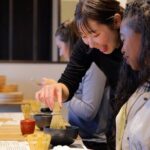
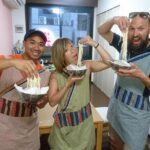
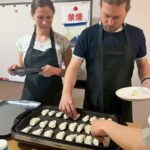
Then you head to the kitchen and the real work starts. This is a hands-on session where you cook either Katsu Curry or Bento boxes, with careful, stage-by-stage guidance.
If you choose Katsu Curry
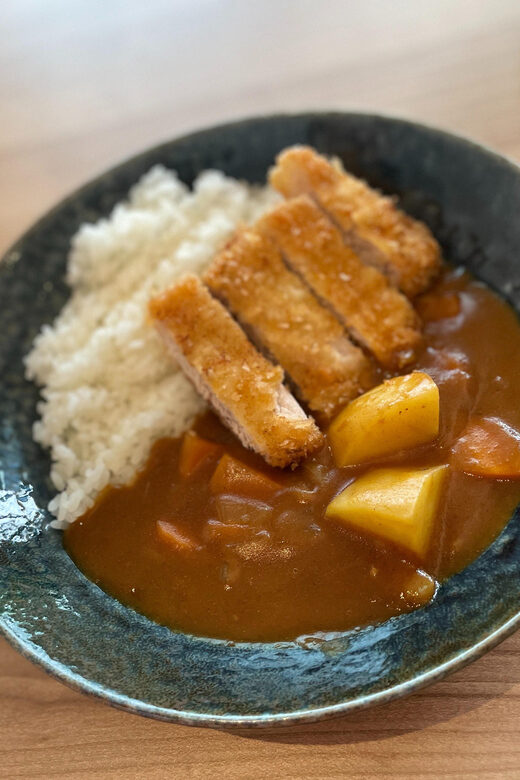
Katsu Curry is comfort food with a structured flavor idea: crispy cutlet, rich curry sauce, and a meal that feels complete even without lots of extras. In this class, you’re not just tasting the result—you’re learning the process so you understand how it comes together.
Because the instruction is step-by-step, you don’t need to arrive as a confident cook. The format is designed for all ages, from kids to seniors, which usually means the teaching style stays clear, paced, and practical.
If you choose Bento
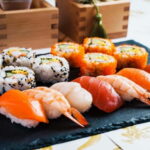
A Bento box is one of those Japanese food formats that looks simple until you try to build one. The class format helps you get over that hurdle by walking you through assembling the box. The big win: once you understand the build logic, you can repeat it for future lunches with whatever foods you like.
If you want a skill you can use immediately after the trip, Bento is a strong pick. You’ll go from zero to a finished lunchbox you made, which also makes the “I can do this at home” feeling very real.
You can also read our reviews of more tours and experiences in Osaka


What both options share
Regardless of Katsu Curry or Bento, you’ll get guidance on technique and tradition. The goal is repeatability—learn enough that when you’re home, you can recreate the dish with confidence rather than guessing.
And you’ll have conversation time while cooking. This is where the class often becomes memorable. You can ask about Japan, daily life, or anything that’s been on your mind while you’ve been traveling. That Q&A angle shows up again and again in the feedback for this experience.
Lunch you made yourself: eating, reflecting, and getting the taste right
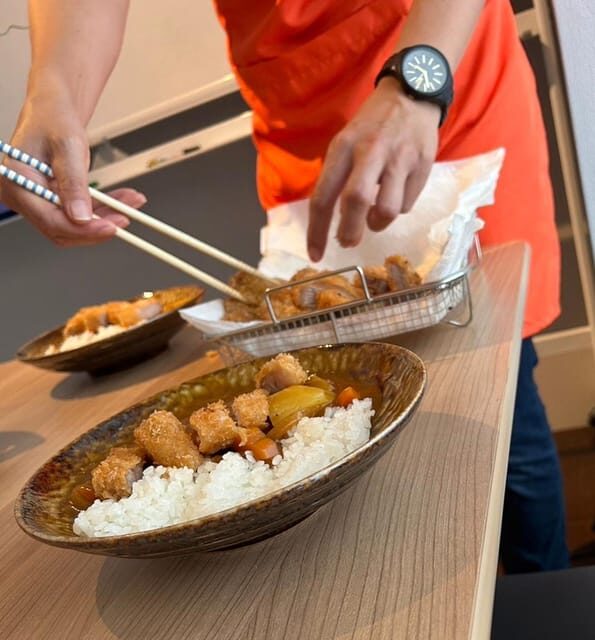
At the end, you eat what you cooked—either the Katsu Curry meal or the Bento box you assembled. The meal is included, and it’s not just a finale. It’s part of the learning cycle.
I like that you can taste your own work right away. If something tastes off, you remember where you might have adjusted too late. If something tastes spot on, you also remember what you did when you were paying attention.
If you’re a foodie, you might be tempted to treat the meal like a simple lunch. But the smarter move is to treat it like a reference point. Notice the texture, how the curry coats, how flavors land, and how the Bento components balance together. That’s what makes cooking back home easier later.
Optional drinks and the sake tasting add-on
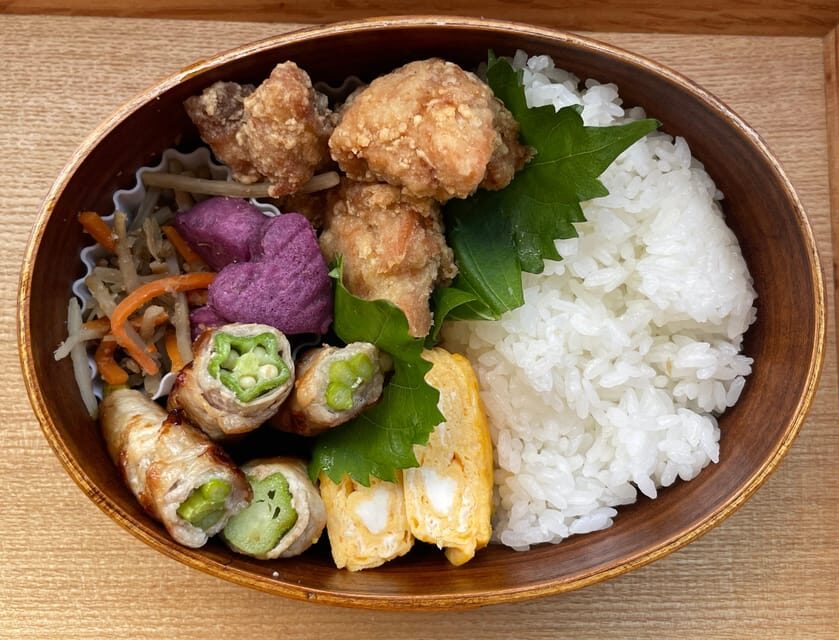
If you want to extend the experience, there’s an option for drinks other than water, including a sake tasting. This isn’t required for the core value of the class, but it can make the meal feel more special, especially if you like trying Japanese alcoholic flavors in a guided setting.
Keep it simple though. If you’re the type who prefers to stay fully focused on cooking, you can skip the drinks. If you want the food-and-drink pairing vibe, the optional add-on can be a fun extra.
Group size and the teaching style: why small matters here
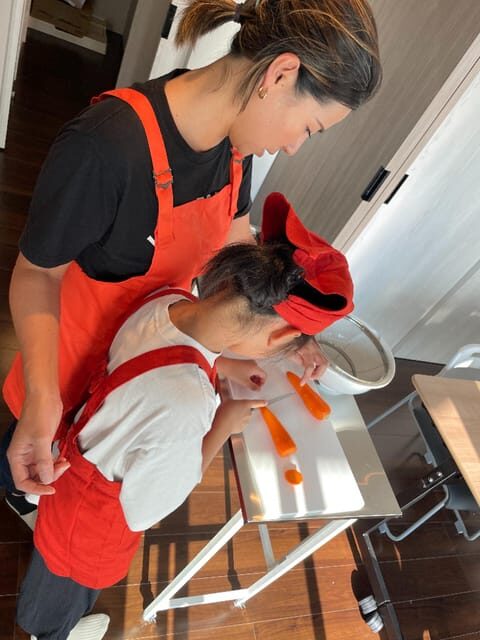
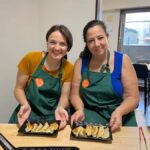
This is a small-group experience, limited to 8 participants. That number might not sound like much on paper, but in practice it changes the feel. You’re more likely to get direct help when you’re chopping, assembling, or trying to understand a step.
It also makes questions easier. The class includes lively conversations, and the format supports it. You’re not stuck watching someone else cook while the group moves on.
Based on repeated praise in the feedback for the English hosts—especially guides like Miyako, Yuka, and Tomoko—the teaching tone seems warm and responsive. That matters if you’re traveling with kids or if you just want a low-stress cooking class.
Price and value: is $83 worth it?
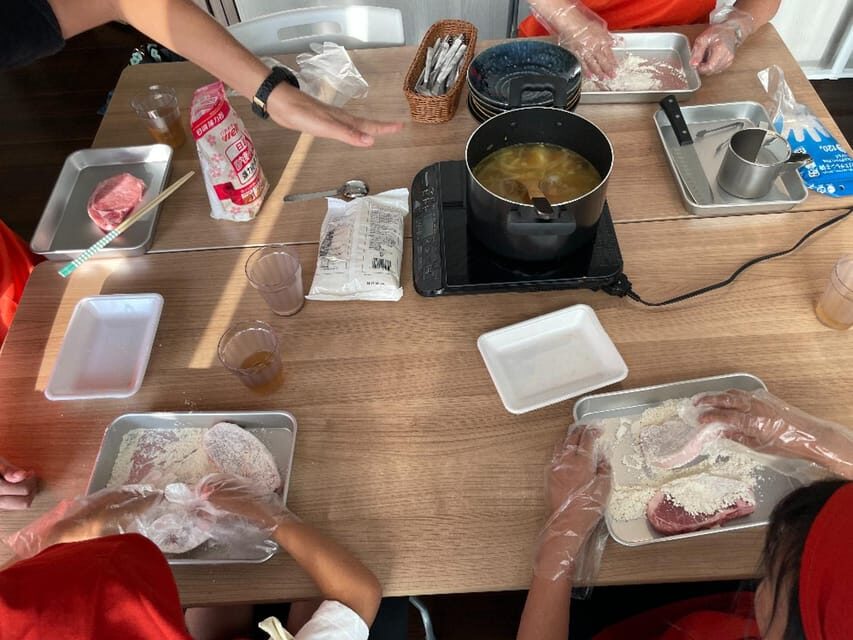
At $83 per person for about 150 minutes, the value comes from what’s bundled together.
You’re getting:
- a small local shop tour (a few stops)
- translation help so ingredients actually make sense
- a hands-on cooking class
- the food you cook (Katsu Curry or Bento)
- an optional drinks add-on (including sake tasting)
In other words, you’re not just paying for a recipe sheet. You’re paying for guided shopping and guided cooking, plus time with an instructor who can explain Japan through food. That combination is usually what makes cooking classes worth it.
Is it still a “class,” not a full-day experience? Yes. But that’s part of why it works. In Osaka, you can fit this into a morning or early afternoon and still have energy for the rest of the city.
If you’re a first-time visitor, it’s also a smart cultural detour. You get local ingredients, a shrine starting point, and a meal you can repeat—skills and memories that last longer than another photo stop.
Who this Osaka cooking class is best for
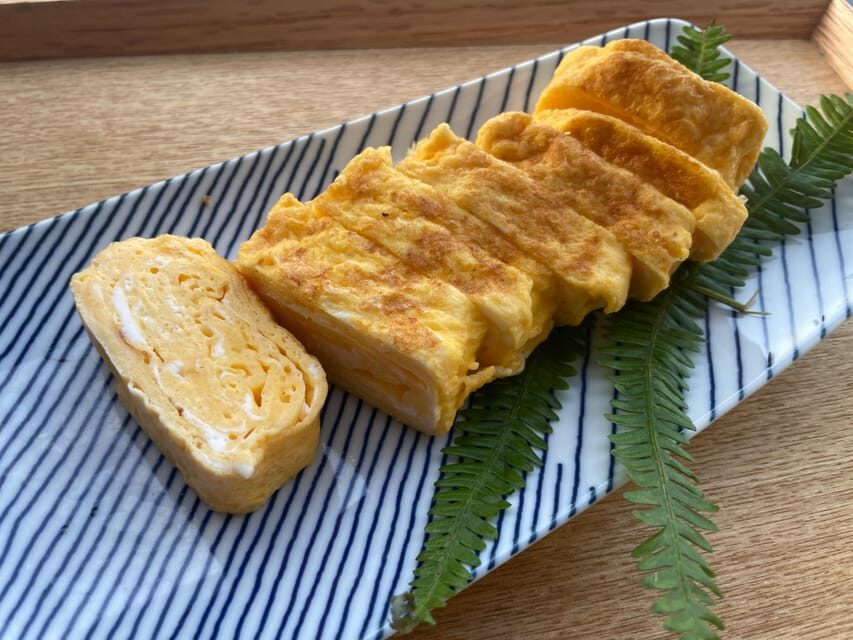
This is a great fit if you want:
- a hands-on meal skill, not just sightseeing
- recipes you can realistically cook at home
- an easy Osaka morning that connects culture and food
- a small group experience with room for questions
It also works well for families. The teaching style is designed for all ages, and the feedback includes families with kids who found the pace supportive.
If you’re an experienced cook who wants advanced technique or chef-level customization, you might find it more beginner-friendly than intense. But if your goal is confidence and repeatable Japanese home cooking, this is right in the sweet spot.
Practical tips so you enjoy every step
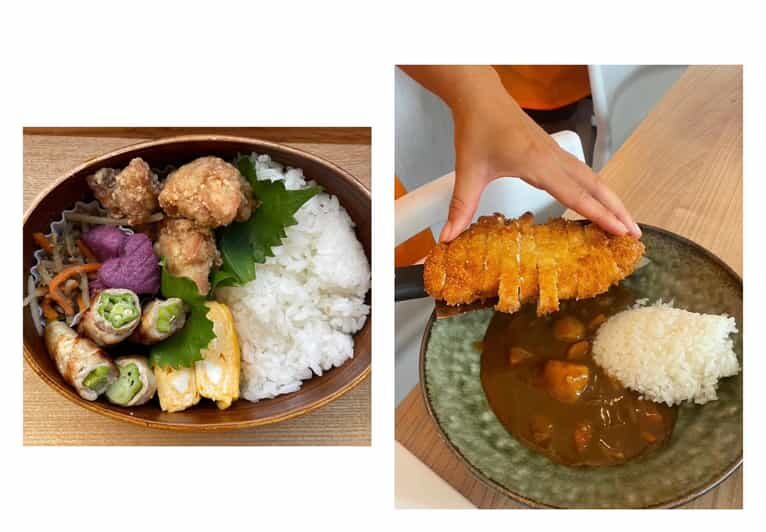
Before you go:
- Decide early whether you want Katsu Curry or Bento. Either is excellent, but your day flows better when you commit.
- Eat lightly beforehand if you’re worried about appetite—then you can enjoy the cooking and still have room for lunch.
During the class:
- Ask questions during the shop portion, not only after. Translation support is built into the walk.
- Pay attention to technique steps, especially if you want to recreate the dish later. The teaching is designed to be repeatable, but it’s only repeatable if you notice what matters.
At the start:
- Go to the large main gate of Osaka Tenmangu Shrine. It’s a small detail, but it saves stress.
Should you book it? My honest take
Yes, you should book this if you want a real Osaka food experience you can take home. The combination of a shrine start, local shop browsing with translation help, and then step-by-step cooking makes the value feel grounded and practical.
I’d skip it only if you want a more advanced cooking challenge or if 150 minutes feels too short for your style. Otherwise, this is the kind of activity that gives you a skill, a meal, and a better feel for daily Japanese food culture, all in one smooth morning.
FAQ
FAQ
How long is the cooking class?
It runs for about 150 minutes.
Where exactly do I meet the group?
Meet in front of the large main gate of Osaka Tenmangu Shrine. Be careful not to use the small back gate.
What dishes can I cook in the class?
You can cook either Katsu Curry or a Bento box, depending on your selected option.
Is the tour part included, or is it only cooking?
The experience includes a local shop tour (a few shops) before you cook.
Is there an English-speaking instructor?
Yes. The instructor is listed as English.
How big is the group?
It’s a small group limited to 8 participants.
Is food included in the price?
Yes. Food (your Katsu Curry or Bento) is included.
Are drinks included?
Drinks other than water are optional, and this can include a sake tasting.
Can I cancel and get a full refund?
Yes. You can cancel up to 24 hours in advance for a full refund.