REVIEW · OSAKA
Osaka: Sashiko Japanese Craftsmanship Workshop
Book on GetYourGuide →Operated by Junale · Bookable on GetYourGuide
Osaka is where you can slow down and stitch. This Sashiko Japanese craft workshop turns a centuries-old hand-sewing tradition into something you make yourself in just 2 hours. You’ll learn the basic techniques, then create a coaster-style piece with clean geometric patterns.
What I liked most was the hands-on pacing and the small group feel. You also get real cultural context as you stitch, including how patterns relate to meaning. One thing to think about is that you handle your own way to the venue, and the class size is capped at 8.
In This Review
- Sashiko in Osaka: What You Make and Why It Feels Worth It
- Sashiko 101: From Little Stabs to Everyday Craft
- Inside the Workshop with June: How the 2 Hours Flow
- Your Coasters and Pattern Meaning: What You Learn Beyond the Stitches
- The Studio Experience: Small Group, Old-House Charm, and a Calm Pace
- Shopping Corner Next to the Workshop: Threads, Kits, and JunAle Goods
- Price and Value: Is 67 USD for 2 Hours Fair?
- Getting There: Kyobashi Station and Realistic Planning
- Who This Workshop Suits Best (and Who Might Skip It)
- Should You Book This Sashiko Workshop in Osaka?
- FAQ
- How long is the Sashiko workshop in Osaka?
- What is included in the price?
- Do I need to be able to sew beforehand?
- What language is the instruction offered in?
- Is the workshop wheelchair accessible?
- How many people are in the group?
- Is transportation to the venue included?
- What happens if I book as a solo traveler and the minimum isn’t met?
Sashiko in Osaka: What You Make and Why It Feels Worth It
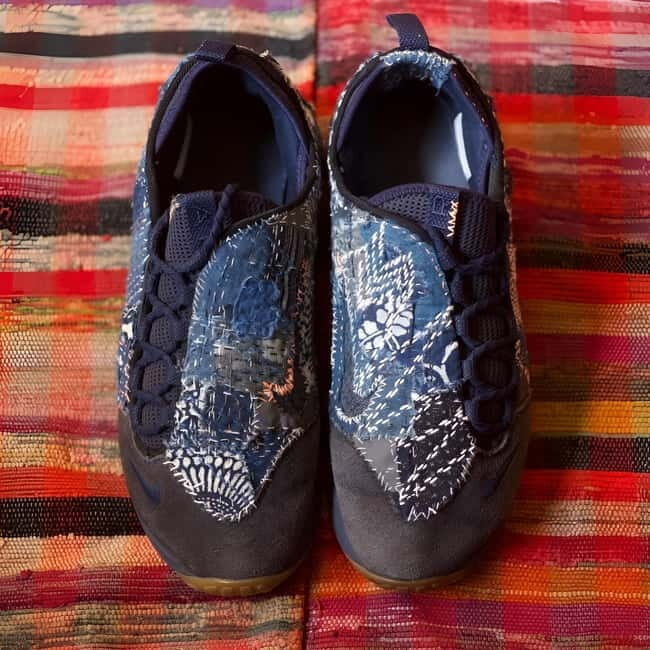
This workshop is built around one very doable goal: you leave with a handmade Sashiko item, often a coaster. That matters, because Sashiko can look complex from photos, but in a guided session you get to practice the key moves without getting buried in technique.
In my view, the best part is that the result is practical. Sashiko started as a way to reinforce and insulate clothing, and that same idea shows up today in how your stitches turn fabric into something useful and durable-looking. You’re not just doing a craft craft project for the shelf; you’re learning a method you can repeat later.
Sashiko 101: From Little Stabs to Everyday Craft

Sashiko translates to little stabs, and the name fits the motion. It’s a hand-stitching style where you lay down regular, visible stitches on fabric to create patterns that are both decorative and functional.
The roots go back to the Edo period (1603 to 1868). People in rural areas used it to reinforce and insulate garments, especially for colder seasons. Worn clothing got a new lease on life, and the stitched repairs helped keep things warm and strong.
Over time, the practical repair work evolved. Different regions developed their own patterns and motifs, with symbolism tied to local life and identity. In class, you’ll learn about the history and significance of patterns, so your finished coaster feels like more than a design. It’s part of a living craft tradition.
You can also read our reviews of more tours and experiences in Osaka

Inside the Workshop with June: How the 2 Hours Flow
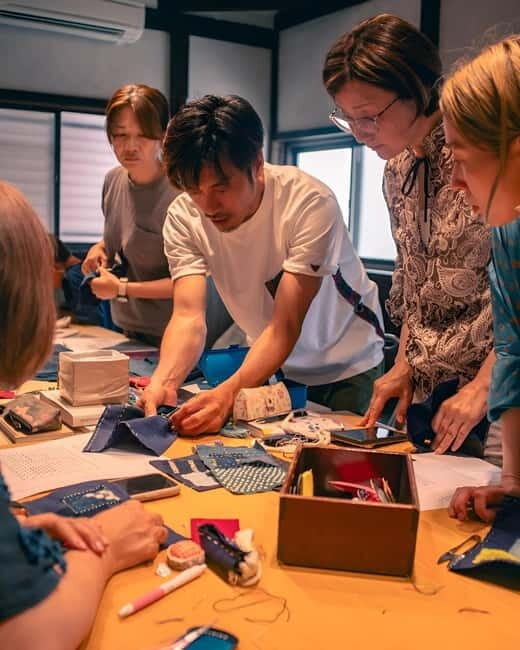
The class is designed for both first-timers and people who already sew. You’ll start with a short introduction, then move quickly into technique.
First comes an overview of what Sashiko is and how it evolved. After that, your instructor gives a demonstration of the basic stitches. The goal is simple: get your hands comfortable with the rhythm and spacing, so you’re not guessing once you start stitching.
Then you shift into making your own piece. In this workshop, that usually means practicing geometric stitch patterns and applying them to a small project like a coaster. The instructor stays with you as you work, so you can adjust while the fabric is still on your frame or in your hands.
One detail I appreciate: the pace is calm. Several past participants highlighted the meditative feel of steady handwork, and that tracks with the nature of Sashiko. When stitches are repetitive and measured, your brain can finally stop sprinting.
You’ll work with an instructor who teaches in English and Japanese. The workshop information lists June as the instructor, and some sessions are also led by instructors like Nene, so the style of teaching can vary a bit by date while the method stays consistent.
Your Coasters and Pattern Meaning: What You Learn Beyond the Stitches
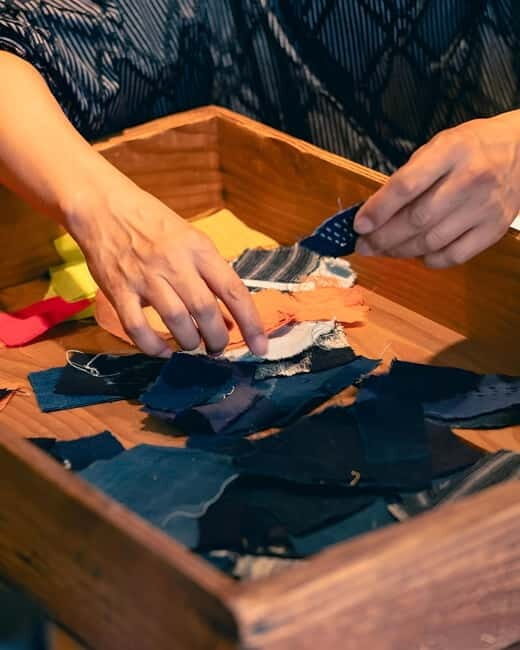
Sashiko is famous for its geometry. During the workshop, you create your own coasters using geometric patterns, which makes the learning curve feel manageable. Simple shapes repeat, so you can focus on consistent spacing and clean stitch lines instead of complicated freehand artistry.
As you stitch, you’re also learning the symbolism behind patterns. The workshop’s cultural insights connect the look of the stitch to Japanese heritage rather than treating patterns as random decoration. Even when you’re not going deep into cultural research, it changes how you pay attention: you’re making something with intent.
The tools and materials are provided. That includes the fabrics, needles, threads, and Sashiko-specific supplies, so you’re not showing up with the wrong thread or a needle that’s too thick. This is a big deal for value, because good craft materials can quietly double your cost if you have to buy everything first.
By the end, you take home your completed Sashiko project. Having the finished coaster in your bag gives the whole class a satisfying shape. You’re not leaving mid-process with something that needs hours of follow-up at home.
The Studio Experience: Small Group, Old-House Charm, and a Calm Pace
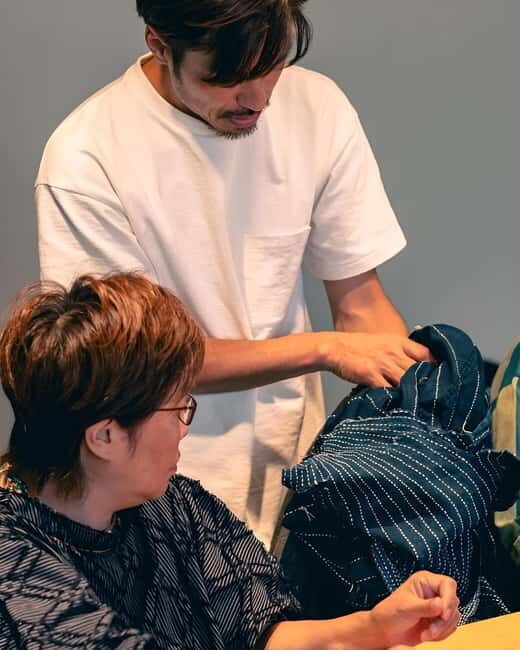
This is a small group workshop, limited to 8 participants. That size matters because you get guidance when you need it, and it keeps the room from turning into a loud factory. If you’ve ever tried a craft class where everyone waits for the instructor’s attention in turn, you’ll appreciate this setup.
The setting can be special too. Past participants described the workshop space as a historical home with wooden stairs and framework inside. That kind of setting doesn’t change the stitches, but it changes your mood. You’re more likely to slow down and focus when you’re surrounded by the feeling of craftsmanship.
People also described the atmosphere as friendly and supportive. If you’re coming with teens or sewing beginners, this kind of teaching environment is a good fit because it reduces the fear of making mistakes.
Shopping Corner Next to the Workshop: Threads, Kits, and JunAle Goods

Right by the workshop area, there’s a small shopping corner you can visit while you’re there. It sells JunAle original goods, sewing kits, hand-dyed threads, and even clothing.
Why this matters: if you fall in love with the look of your stitches, you’ll have a place to keep going immediately. Buying a small kit or hand-dyed threads on-site can help you continue at home without hunting down the exact materials later.
One practical note from the information provided: there are discounts available if you pay with cash. If you want to grab supplies, it can be worth having some cash on hand.



Price and Value: Is 67 USD for 2 Hours Fair?
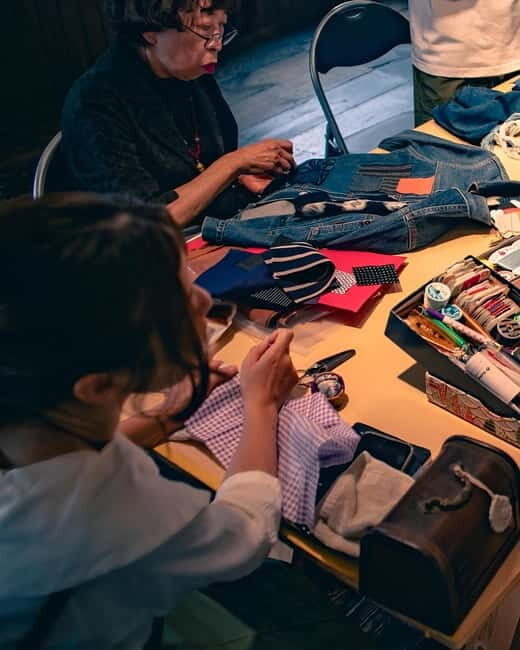
At $67 per person for 2 hours, this sits in a reasonable middle range for a guided craft workshop in Japan. Here’s how I’d judge value beyond the sticker price.
You’re paying for several things included in the class: tools and materials, instruction, and a take-home finished project. In many craft experiences, you either pay extra for materials or the final item is vague and small. Here, you leave with something you made, like a coaster, and you also take home the technique for repeating the process later.
The small group cap (8) also supports the price. If you’re in a larger class, instructors tend to shift into check-in mode. In a smaller group, you’re more likely to get nudges while your stitching is still in progress.
Also consider the time. Two hours is long enough to feel productive, but short enough that you’re not burning half a day if you’re doing Osaka sightseeing too. The workshop gives you a focused cultural experience without turning into a whole travel day.
If you’re traveling solo, there’s a specific pricing rule. The information says they aim not to charge more for solo travelers, but if the minimum of 2 guests isn’t met, they’ll offer one of these options: an alternate date, a 3000 yen solo supplement, or a full refund. That means your final cost can depend on whether the class fills.
Getting There: Kyobashi Station and Realistic Planning
Transportation to the venue is on you. The meeting point is tied to Kyobashi station, and with advanced notice you can be met at the station. That detail helps because Kyobashi is one of those places where it’s easy to lose time if you don’t know the last few minutes of the walk.
The good news is the workshop is wheelchair accessible. So if you’re mobility-limited, it’s at least designed with access in mind.
If you’re building this into your day, treat it like a short, contained activity: arrive a little early, settle in, and then let the class take over. Handcraft workshops run best when you’re not arriving rushed.
Who This Workshop Suits Best (and Who Might Skip It)
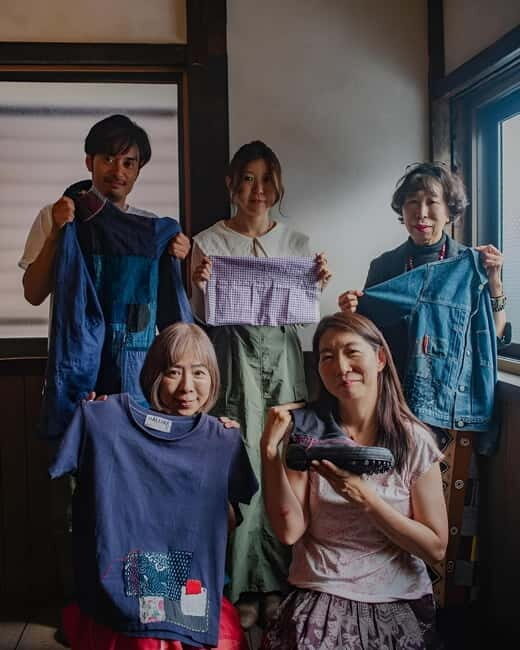
This is ideal if you want something more personal than a museum stop. You get a tactile output, a cultural story, and a technique that you can repeat.
It’s also a strong match if you like:
- Hand-sewing and embroidery
- Calm activities with measurable steps
- Learning craft history with practical meaning, not just facts
You might skip it if your goal is a high-energy, fast-paced Osaka highlight day. This isn’t about moving between multiple sites. It’s about staying in one place and building one skill slowly.
It’s also worth booking if you’re traveling with teens or friends who need a hands-on shared experience. Several participants described bringing teens and still having a great time, which suggests the instruction approach works across ages.
Should You Book This Sashiko Workshop in Osaka?
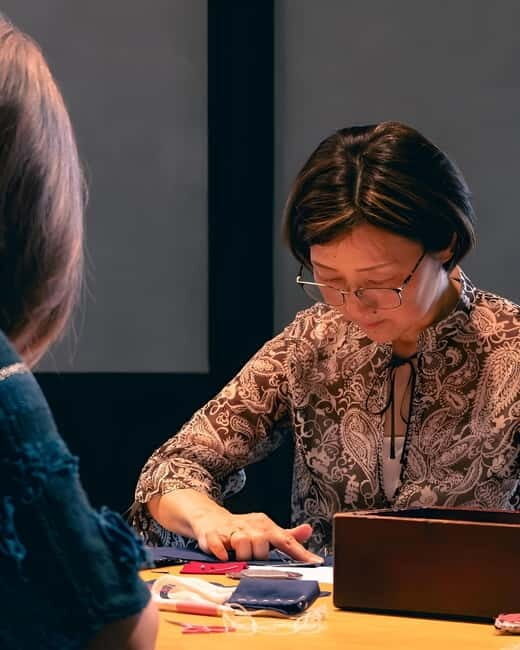
Book it if you want a genuine craft experience that you can take home, not just photograph. The combination of hands-on instruction, geometric coaster results, and the cultural meaning behind patterns makes it feel like more than a simple hobby lesson.
I’d especially recommend it if you’re the kind of traveler who likes small-group, guided activities. With a cap of 8 and instruction in English and Japanese, you’re set up to actually learn, not just watch.
One last check before you hit reserve: think about your transportation plan. Since getting to the venue isn’t included, having a simple route to Kyobashi station and knowing whether pickup is possible with advanced notice can save you stress.
FAQ
How long is the Sashiko workshop in Osaka?
The workshop lasts 2 hours.
What is included in the price?
You get all necessary tools and materials, instruction from the experienced instructor, and you take home your completed Sashiko project.
Do I need to be able to sew beforehand?
No. The workshop is designed for both beginners and people with sewing experience.
What language is the instruction offered in?
Instruction is available in English and Japanese.
Is the workshop wheelchair accessible?
Yes, it is wheelchair accessible.
How many people are in the group?
The group is small, limited to 8 participants.
Is transportation to the venue included?
No. You’re responsible for your own transportation to and from the workshop location.
What happens if I book as a solo traveler and the minimum isn’t met?
The information says they aim not to charge extra for solo travelers. If the minimum of 2 guests isn’t met, they will offer an alternate date, a 3000 yen solo supplement, or a full refund.