REVIEW · OSAKA
Osaka: Private Tea Ceremony and Calligraphy Experience
Book on GetYourGuide →Operated by Japanese Culture Experience WA NO MA · Bookable on GetYourGuide
If you want Japan at a calmer speed, start here. This private Osaka class pairs a traditional tea ceremony with hands-on calligraphy, so you learn by doing. You’ll write your own piece, drink the results, and leave with a souvenir that feels personal.
Two things I really like about it: you get one-on-one attention in a completely private group, and the instructor keeps things unrushed and adjustable to your pace. I also like that you’re not just watching rituals—you’re making matcha and practicing calligraphy strokes, then taking the paper art home.
One drawback to consider: it’s not set up for wheelchair users, and it does require a bit of seated, hands-on participation during both parts. Also, you’ll need socks instead of stepping in bare or with shoes.
In This Review
- Key Points That Make This Tea + Calligraphy Session Worth Your Time
- Osaka Namba Location: Easy to Find, Built for Relaxing
- A Private Class That Actually Lets You Go Slow
- Calligraphy Hour: Choose Your Theme, Pick Your Kanji, Write Your Name
- Kids Option: Water Calligraphy That Keeps Everything Clean
- Tea Ceremony Hour: Make Matcha and Choose a Bowl for How You Feel
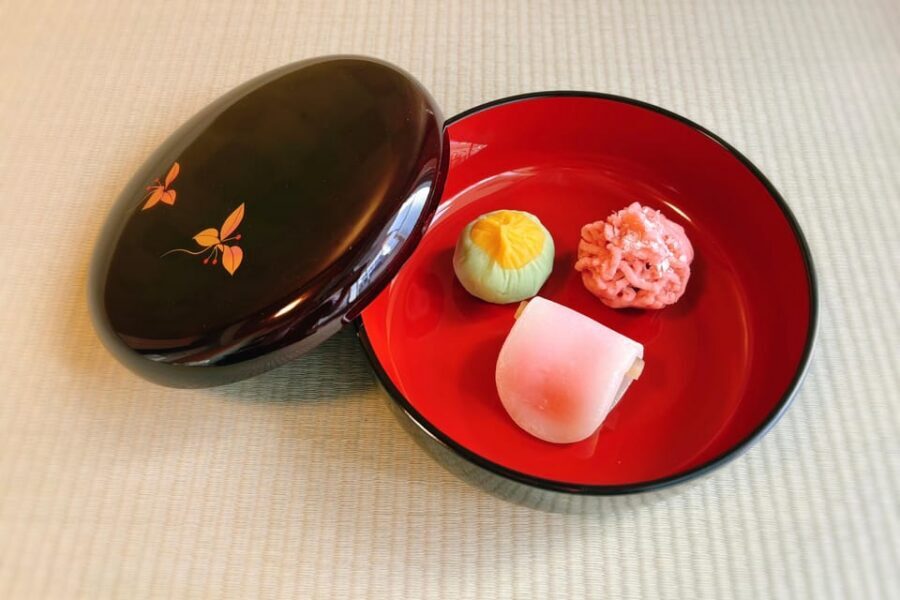
- Sweets Twice During Tea Time: Seasonal Meaning Without the Lecture Overload
- Dietary Notes
- What You Take Home: Your Kanji Art (Not Just a Photo)
- Price and Value: Why $64 Feels Fair for 135 Minutes
- Who This Is Best For (and Who Might Want Something Else)
- Tips for Your Best Tea and Calligraphy Session
- Should You Book This Osaka Tea and Calligraphy Session?
- FAQ
- What’s included in the Osaka private tea ceremony and calligraphy?
- How long is the experience?
- Where do we meet in Osaka?
- What languages will the instructor speak?
- Do I need any special items?
- Is this experience wheelchair accessible?
- Can I take photos during the experience?
- What are the options for kids during calligraphy?
- Is smoking allowed?
Key Points That Make This Tea + Calligraphy Session Worth Your Time
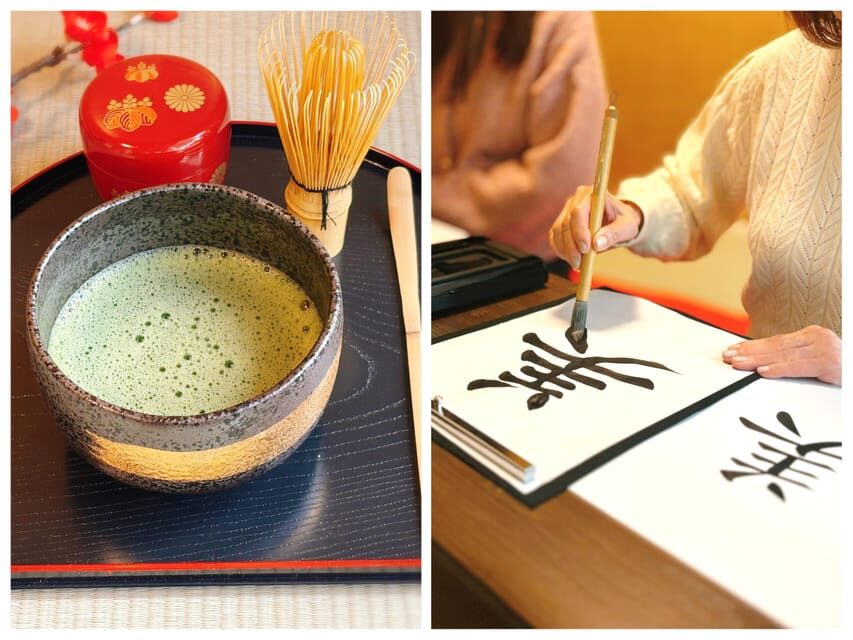
- Private, photo-friendly pacing: you can take pictures anytime and request your own speed during the 135 minutes.
- Kanji tied to you: you choose a theme, and the name/character work is designed to reflect your personality.
- Real matcha practice: you make matcha yourself and then taste it as part of the ceremony.
- Tea bowls with meaning: you select a bowl that matches how you feel in the moment.
- Two sweet moments during tea time: you get different Japanese sweets served twice during the ceremony.
- A keepsake you made: colored paper, your written kanji, and a finishing stamp on your own artwork.
Osaka Namba Location: Easy to Find, Built for Relaxing
You’ll meet near the center of action in Namba, at the entrance of New Osaka Hotel Shinsaibashi. Look for the blue vending machine nearby, and plan to arrive about 5 minutes early because your instructor waits just outside the main entrance. They wear kimonos, so you won’t have to play guessing games.
What I like about starting in a tourist-heavy area is that you don’t feel stuck committing an entire day to logistics. You can pair this with other Namba plans before or after, without it turning into a stressful travel puzzle.
And yes, this experience is designed for a calm pace. The whole format is private, and the instructor stays close to guide each step. That matters because tea and calligraphy both have small rules, and it’s much easier to get it right when someone is watching your hand.
You can also read our reviews of more private tours in Osaka

A Private Class That Actually Lets You Go Slow
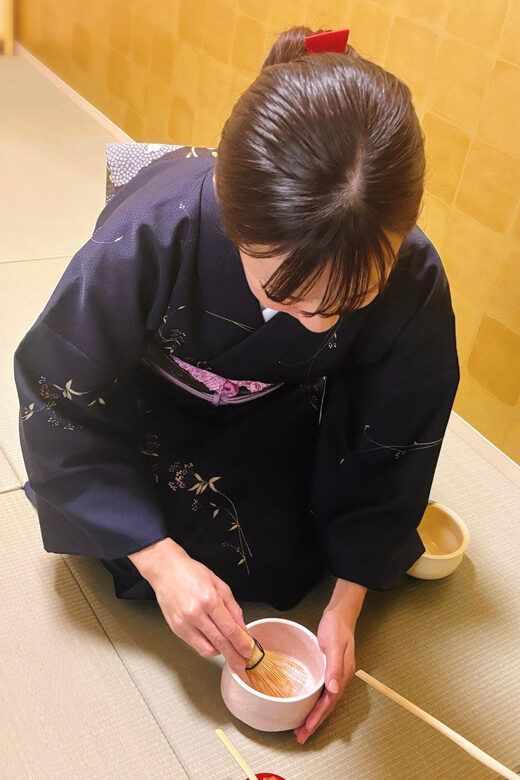
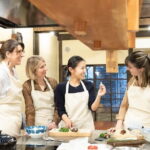
This isn’t a “sit and watch” situation. It’s a private group format, and the instructor adjusts the flow based on what you want—more photos, slower timing for a child, or just extra explanation when something feels confusing.
That might sound like a small point, but it changes the entire feel of the lesson. Tea is not a sprint. Calligraphy is also not a one-try-and-done activity. When you can take your time, you focus on the motions and the meaning instead of feeling rushed to perform.
You also get the benefit of close attention. People ask questions. You can ask too. The class is built around a friendly, guided rhythm, so you’re not left figuring things out alone at a table full of tools.
Calligraphy Hour: Choose Your Theme, Pick Your Kanji, Write Your Name
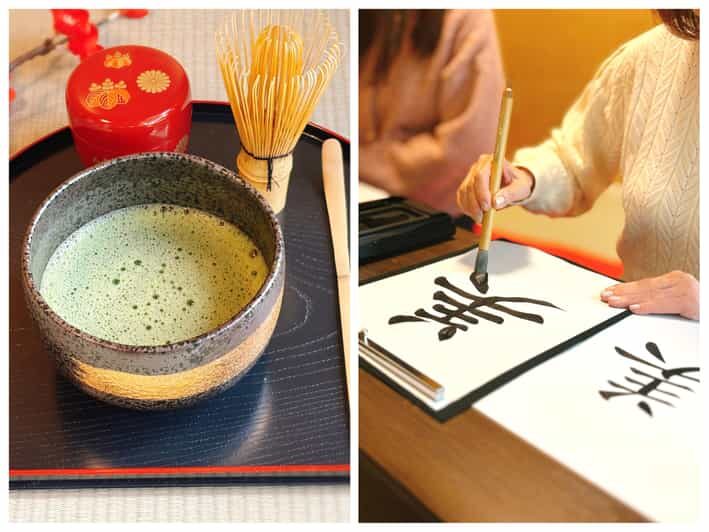
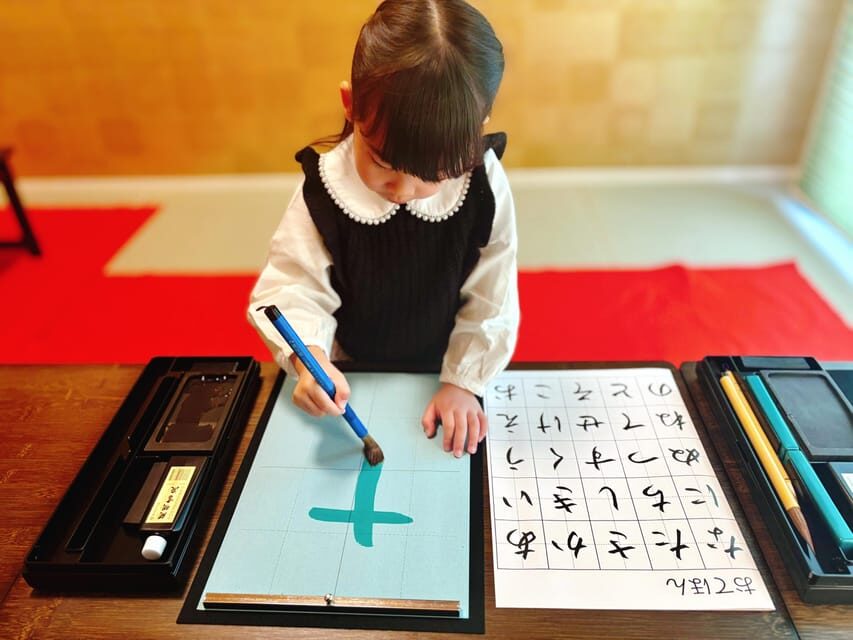
The calligraphy part starts by choosing what you want to write. You select a theme and share letters or words you like. If you’re unsure, the instructor suggests kanji that can express your ideas and personality, which is a big part of why this feels more meaningful than copying a random character.
Next comes basic technique. You get a lecture on the practices you’ll use, then you practice brush strokes before you write your final piece. This is the difference between feeling like you produced art and feeling like you made something you can be proud of. It’s also helpful for first-timers who don’t know how much calligraphy depends on pressure, direction, and rhythm.
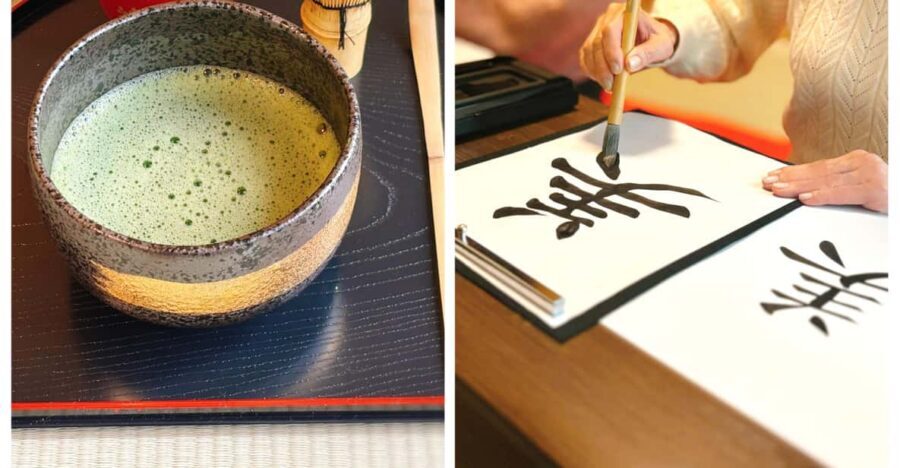
Then you choose your paper. You pick a colored paper from the available types, and the session uses that sheet as your base. After that, you write your name in Japanese characters, stamp your initials, and you’re done.
One detail I think is especially cool: the class includes a way to turn your identity into kanji based on your personality. It’s not just translation—it’s creative thinking. You end up with something that reads like a story about you, not just a souvenir prop.
Kids Option: Water Calligraphy That Keeps Everything Clean
If you’re bringing children, the class offers water calligraphy. It prevents hands and clothes from getting dirty, which saves you from the usual scramble of mess and cleanup. It’s a smart way to let kids participate without turning the lesson into a stain-management project.
Tea Ceremony Hour: Make Matcha and Choose a Bowl for How You Feel
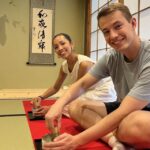
After calligraphy, you switch gears to the tea ceremony. You learn how to make the tea step by step, and then you try making your own matcha. This isn’t “here’s the concept.” It’s hands-on practice, with guidance as you go.
Then comes tasting, with attention to how the tea is enjoyed in the traditional way. If you’ve never done this before, don’t worry. The instructor’s job here is to make it relaxing and understandable, not to test you.
One of the most practical (and frankly fun) parts: you choose a tea bowl that expresses your feelings today. That sounds poetic, but it helps you pay attention. When you pick something based on mood, the ceremony stops being a checklist and becomes a small personal ritual.
You also get to taste matcha that you made yourself. That’s a rare combo in many cultural activities: you leave with both the learning and the edible proof. Matcha has a clear character, and being involved in the preparation makes it easier to notice taste details rather than just gulping to finish.



Sweets Twice During Tea Time: Seasonal Meaning Without the Lecture Overload
Japanese sweets are not random desserts here. They’re part of the tea experience, and the instructor connects them to the ceremony in a way that helps you understand why they’re served when they are.
During the tea ceremony, you enjoy different types of Japanese sweets twice. That gives you two bites to compare, so you’re not stuck with one flavor that you either love or don’t.
A standout point from the experience is that the instructor explains the significance of tea ceremony choices and how seasons can influence the sweets used throughout the year. You don’t need to be a tea expert to appreciate that. You just need the story tied to what you’re eating, and the lesson does that.
Dietary Notes
One guest noted that the sweets were lactosefree. The class clearly serves sweets as part of the ritual, so if you have dietary limits, it’s smart to mention them when you communicate your needs. With a private setup, it’s often easier to work out expectations than in a large group setting.
What You Take Home: Your Kanji Art (Not Just a Photo)
The calligraphy lesson ends with you producing your own piece of artwork. You start with colored paper, add your written name in Japanese characters, and finish by stamping your initials. You take that home as a real keepsake.
This matters more than it sounds. A photo is nice, but it fades fast. A paper piece sits on a wall or desk and reminds you of the day you made it—especially because the instructor ties in your theme and personality choices. It’s the kind of souvenir that tells a story when someone asks what it means.
And because the class is photo-friendly, you can also document the steps. Being able to take photos whenever you want helps you remember the process, not just the final result.
Price and Value: Why $64 Feels Fair for 135 Minutes
At $64 per person for about 135 minutes, the price lands in the “small spend, big memory” category. You’re paying for instruction, materials (including colored paper), and the food/drink components: matcha making and Japanese sweets.
What makes the value feel strong is the format. This is not a crowded room where you get 30 seconds of attention while others wait. It’s private, so your time with the instructor is time spent learning and making.
You also get two distinct skills in one block of time: you practice calligraphy and you make matcha. Most cultural activities give you one. Here, you leave with both a written souvenir and something you tasted during the ritual.
If you’re the type of traveler who gets bored with generic “do a craft, take a picture, move on” days, this tends to fit better. The calm atmosphere and the guided pacing make it feel like a meaningful pause in Osaka.
Who This Is Best For (and Who Might Want Something Else)
This experience is ideal if you:
- want a private, calming activity in a busy city
- enjoy hands-on culture rather than passive sightseeing
- like writing systems and want to see how kanji can reflect you
- want a meaningful souvenir that you actually created
- are traveling with a child and need a kid-friendly option (water calligraphy)
It might be less ideal if you:
- need wheelchair access (the experience is not suitable for wheelchair users)
- are expecting a quick drop-in workshop with zero instruction
- want a high-action activity with lots of movement and noise
The class is quiet by design. It rewards patience.
Tips for Your Best Tea and Calligraphy Session
A few small things will help you get more out of the time:
- Bring socks. They’re listed as what you should bring, and it’s one of those “do it once, stay comfortable” details.
- Ask for slower pacing if you need it. The structure is flexible, and the private format is made for adjustments.
- Go in open-minded about kanji. You don’t need to be good at writing. You need to be willing to practice strokes with guidance.
- Use the bowl choice as a trick to stay present. If you pick a bowl based on mood, you’ll naturally pay attention more during tasting.
- If you’re bringing kids, choose the water calligraphy option for less mess.
Should You Book This Osaka Tea and Calligraphy Session?
Yes, you should book if you want a calm, hands-on cultural experience with real instruction and a personal souvenir at the end. The best reason to choose it is the private attention plus the combination: matcha making and calligraphy in one 135-minute block.
If you’re in Namba and looking for something that feels distinctly Japanese without needing prior knowledge, this is a very solid choice. You get guided basics, time to take photos, and a keepsake you can put on display.
If you’re not comfortable with seated, hands-on activities, or you need wheelchair access, then you’ll want to look for a different kind of experience.
FAQ
What’s included in the Osaka private tea ceremony and calligraphy?
The experience includes fees and taxes, colored paper for calligraphy, matcha and various Japanese sweets, a matcha making experience, and an instructor.
How long is the experience?
The duration is 135 minutes.
Where do we meet in Osaka?
Meet at the entrance of New Osaka Hotel Shinsaibashi, then walk west about 30 seconds. There’s a blue vending machine near the entrance. The instructor waits outside the building in front of the main entrance about 5 minutes before your scheduled booking time.
What languages will the instructor speak?
The instructor speaks English and Japanese.
Do I need any special items?
Bring socks.
Is this experience wheelchair accessible?
No. It is not suitable for wheelchair users.
Can I take photos during the experience?
Yes. The experience is designed so you can take photos anytime.
What are the options for kids during calligraphy?
For young children, water calligraphy is available to help prevent hands and clothes from getting dirty.
Is smoking allowed?
No, smoking is not allowed.