Neon Osaka, from a rooftop bus. The Osaka Sky Vista Double-Decker Open-Top Bus Tour is a fast way to get panoramic orientation, with multilingual audio and big photo windows on a breezy ride. One thing to plan around: you can’t hop off most spots, so you’ll be relying on what you can see from the bus (with one optional exception near Abeno Harukas).
I like how straightforward it is for a short visit: you get a sweep of major areas and landmarks in roughly 45 minutes to 1 hour without having to shuffle between neighborhoods. The small comfort perks matter too, like WiFi on board, plus rain protection if the weather turns. And it runs with a maximum of 20 travelers, which keeps the vibe from feeling like a packed cattle car.
Because seats are automatically assigned, your exact view isn’t something you control ahead of time. Also, there’s no restroom on the bus, so you’ll want to time your trip accordingly. If you’re very picky about photo clarity through windows, be aware that window conditions can make a difference (you’ll see why this matters below).
In This Review
- Key things to know before you go
- From Osaka Station: where the ride starts and why it matters
- 45 minutes to 1 hour: what you actually get on the bus
- Osaka Castle, Umeda Sky Building, and the “first-look” skyline
- Namba and Dotonbori: seeing the neon without the stress
- A multilingual audio guide that actually helps
- Comfort on an open-top bus: rain gear, summer cooling, and seating limits
- Price and value: is $24.98 a smart use of your Osaka time?
- Who this tour fits best (and who should skip it)
- Should you book the Osaka Sky Vista Double-Decker bus tour?
- FAQ
- How much does the Osaka Sky Vista Double-Decker Open-Top Bus Tour cost?
- How long is the tour?
- Where is the meeting point?
- Can I get off the bus to visit the sights?
- What languages are available in the audio guide?
- Is WiFi included?
- Is there a restroom on the bus?
- What happens if it rains?
- How many travelers are on the tour?
Key things to know before you go
- Open-top views, but weather changes the comfort: If rain is forecast, you’ll get a raincoat, and the ride may feel less “open” if the roof is closed.
- You mostly stay on the bus: You can view sights from the windows, with one optional stop area near Abeno Harukas.
- No restroom on board: Plan for that before you meet at Osaka Station.
- Audio in four languages: English, Mandarin, Cantonese, and Korean audio guide plus helpful translation devices can be available.
- Included extras for real travel days: On-board WiFi, summer cooling gel sheets, and a raincoat when needed.
- Small group size: Maximum 20 travelers, which helps the whole experience feel calmer.
From Osaka Station: where the ride starts and why it matters
Your tour begins at Osaka Station JR Express Bus Terminal 3, Chome-1, Umeda (Kita Ward). For most first-time visitors, that’s a smart starting point because Umeda is a hub with lots of connections, and you won’t be hunting for a far-off street corner.
The tour ends back at the same meeting point, so it works well as a “connector” activity between neighborhoods. If you’re the type who likes to map out the city before committing to longer walks, starting from Osaka Station is a practical move.
You can also read our reviews of more tours and experiences in Osaka.


45 minutes to 1 hour: what you actually get on the bus
This is not a hop-on/hop-off sightseeing day. It’s a short circuit designed to show you Osaka’s highlights in one go, and that’s exactly why it can feel worth it.
In that roughly 45 to 60 minute window, you’ll be scanning major landmarks and districts while the bus is moving. Your best strategy is to treat it like a high-speed preview: look, take photos when you have clean angles, and note what you want to return to on foot later.
Because you can’t leave the bus for most sights, it’s less ideal if you came expecting museum-style time at each landmark. Still, for getting your bearings fast, it’s hard to beat a quick, guided sweep.
Osaka Castle, Umeda Sky Building, and the “first-look” skyline
Even though the tour is only one main ride, the sightseeing sequence covers big-name anchors of Osaka’s identity.
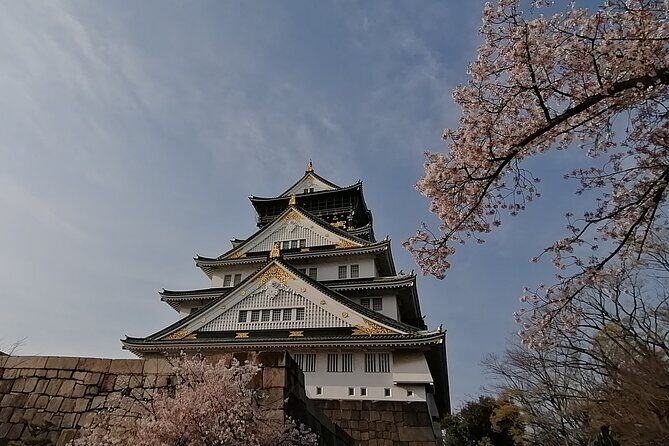
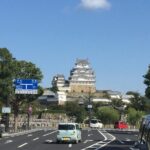
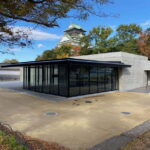
You’ll pass views connected to Osaka Castle, then you’ll swing toward the modern skyline with the Umeda Sky Building area. This mix is useful: the city doesn’t feel like just one theme. You get the historic image of Osaka alongside the sleek, business-forward look.
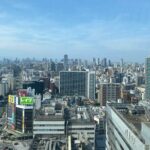
Why this matters for your planning: if you’re trying to decide where to spend more time later, this bus ride helps you separate “I’ve seen it” from “I want to study that more.” The open-top format also gives you more height than most street-level views, which helps you see how neighborhoods sit relative to each other.
Namba and Dotonbori: seeing the neon without the stress
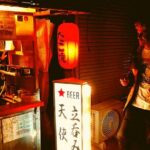
Next comes the Osaka most people picture: Namba and Dotonbori. This is where you’ll pick up the energy of the city—busy streets, intense signage, and that high-contrast neon look.
The value here is not just the sights; it’s the mental reset. If you’ve already been walking for hours, the ride gives you a breather while still letting you feel the city’s pace. From a bus, Dotonbori-style streets can be easier to absorb because you can keep your eyes up and take a wider view instead of weaving through crowds.
One careful note: if you care a lot about photo sharpness, pay attention once you board. A couple of experiences flagged that windows were dirty enough to affect visibility for photos. You can’t fix that on the spot, so I’d come with realistic expectations: expect views, not professional-grade window-free photography.
A multilingual audio guide that actually helps
The tour includes an audio guide in English, Mandarin, Cantonese, and Korean. That’s a big deal because it turns the ride from just sightseeing into a moving mini-lesson.
Instead of guessing what you’re looking at, you’ll get context as the bus passes key spots. And you won’t be stuck playing catch-up if the city is new to you.
One extra touch mentioned in feedback: some people noted having mini audio translators for those not fluent in Japanese. Even if you’ve traveled before, that kind of support can reduce the frustration of being surrounded by signage you can’t read.





Comfort on an open-top bus: rain gear, summer cooling, and seating limits
This is where expectations matter most with open-top tours.
Included with the tour:
- Rain coat if rain is forecast
- Cooling gel sheets in summer
- No umbrellas (and parasols are also prohibited for safety)
Those details may sound small, but they affect your comfort quickly. If rain shows up, you’ll be ready without having to stop your day to buy anything. And if the roof is closed due to rain, the ride can feel less breezy, so the cooling gel in summer and the raincoat when wet help smooth out the discomfort.
About seating: seats are assigned automatically by the system, so you can’t choose a perfect spot ahead of time. If you end up needing a better line of sight for windows, be ready to adjust once you’re on board (for example, by choosing where to angle yourself for fewer glare problems).
Also, remember: there are no restrooms on the bus. Even if the ride seems short, that’s the kind of missing detail that can make a difference if you’re squeezing it into a tight day.
Price and value: is $24.98 a smart use of your Osaka time?
At $24.98 per person, this bus tour sits in the “reasonable convenience” category. The big reason it can be good value is that it bundles several practical travel needs into one ticket: the ride, audio in multiple languages, WiFi on board, and round-trip transfers to and from the meeting area.
You’re also paying for time. In 45 to 60 minutes, you can cover several high-demand districts that usually take effort to connect by foot or by multiple transit transfers. That can be especially helpful if you’re doing Osaka as a short stop or if you’re traveling with family and want to keep logistics low.
That said, it’s not magic. If you’ve already spent a few days in Osaka, or if you’re hoping for lots of deep stops, the experience can feel a bit too light. Feedback pointed out that much of the ride can feel like office and shopping areas passing by, and if you’re only looking for the most photogenic moments, you might want to plan a second visit to the places that truly grab you.
My way to decide: treat the bus as an orientation tool. If that role fits your day, the price makes sense.
Who this tour fits best (and who should skip it)
This tour is a strong match for:
- First-time visitors who want an overview without planning a route
- Families and people who prefer less walking
- Travelers who want a guided sweep to decide where to go next
- Anyone who appreciates multilingual audio and doesn’t want to decode everything on their own
It’s less ideal if:
- You want to get off repeatedly and spend time at each attraction
- You’re very strict about photo clarity through windows
- You already know Osaka well and are looking for something more than a quick city skim
Should you book the Osaka Sky Vista Double-Decker bus tour?
I’d book it if you want a low-effort way to connect Osaka’s “big name” sights and neighborhoods in under an hour. The combination of open-top panoramas, included multilingual audio, and practical add-ons like WiFi and rain gear makes it a smart time-saver.
I’d skip or at least downgrade expectations if you’re hoping for lots of off-bus time at landmarks, or if photo quality through windows is your top priority. And because your seats are assigned automatically, go in knowing your view will depend on where you land.
If you’re using Osaka as a first-timer or you’re short on time, this is one of the easiest ways to start your city day with clear bearings.
FAQ
How much does the Osaka Sky Vista Double-Decker Open-Top Bus Tour cost?
It costs $24.98 per person.
How long is the tour?
The ride lasts about 45 minutes to 1 hour.
Where is the meeting point?
You meet at Osaka Station JR Express Bus Terminal 3, Chome-1, Umeda, Kita Ward, Osaka 530-0001, Japan.
Can I get off the bus to visit the sights?
No. You view landmarks from the bus windows only, except you can leave the tour if you wish at the parking area of Abeno Harukas.
What languages are available in the audio guide?
The audio guide is available in English, Mandarin, Cantonese, and Korean.
Is WiFi included?
Yes, WiFi is included on board.
Is there a restroom on the bus?
No, there are no restrooms on the bus.
What happens if it rains?
If rain is forecast, the tour provides a free raincoat. Umbrellas are not allowed for safety reasons.
How many travelers are on the tour?
The tour has a maximum of 20 travelers.