REVIEW · OSAKA
Osaka Morning Tour: Shitennoji Temple, Shinsekai &Doutonbori
Book on GetYourGuide →Operated by Goen Japan · Bookable on GetYourGuide
Osaka mornings have a secret rhythm. This private walk threads Tennoji Park, Shitennoji Temple, and retro street food into a smooth, no-hassle route toward Shinsekai and Dotonbori.
I love how the day feeds you early, with a box of takoyaki included, plus a croquette and one drink so you’re not constantly hunting for something to eat. I also like the way Osaka classics show up in real-life spots, from okonomiyaki to kushikatsu, with the guide steering you to counters that feel local, not copied for tourists.
One consideration: because it’s a one group only tour, you’ll want to arrive right on time at Tenno-ji Station North Exit so the schedule doesn’t get squeezed and your food stops stay on track.
In This Review
- Key things that make this tour worth your morning
- Osaka Morning Tour: why this route clicks
- Tennoji Park: the calm warm-up before the crowds
- Shitennoji Temple and its 1,400-year pull
- Shinsekai: retro streets where Osaka shows off
- Dotonbori after dark energy, without the chaos headache
- What’s actually included: takoyaki, croquette, and drinks
- Private, one-group-only feel with guides who steer the day
- Price and value: is $74 a smart move?
- Who should book this tour (and who should skip it)
- Quick booking tips you’ll thank yourself for
- Should you book the Osaka Morning Tour?
- FAQ
- Where does the Osaka Morning Tour start?
- Where does the tour end?
- Is this tour only for one group?
- What’s included in the price?
- Does the tour include okonomiyaki and kushikatsu?
- What language is the tour offered in?
- Can I pay later?
- What is the cancellation window?
Key things that make this tour worth your morning
- Tennoji Park first: a calm green start before temple and street-life heat ramps up
- Shitennoji Temple with context: the 1,400-year story is part of how you look at the place
- Shinsekai retro streets: neon alleys, quirky shops, and time for that “Osaka, not Kyoto” feeling
- Included takoyaki box: you get the octopus treat covered early, not as an afterthought
- Food guidance at local spots: okonomiyaki and kushikatsu tend to happen where locals actually line up
Osaka Morning Tour: why this route clicks
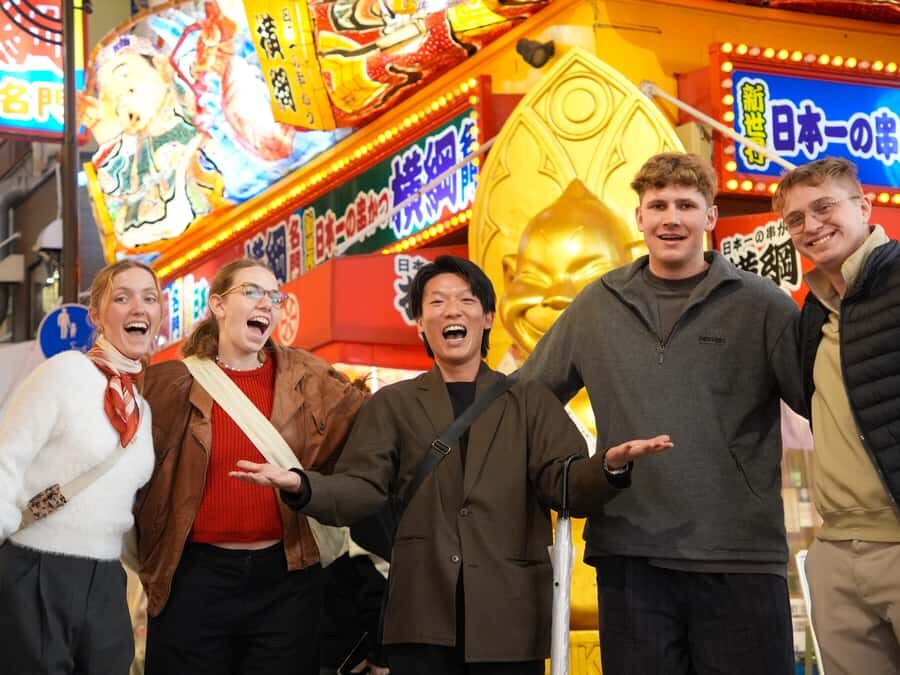
If you’re doing Osaka for the first time, it’s easy to see the famous stuff and still miss how the city feels on an everyday morning. This tour works because it starts with places that change your pace. You’re not bouncing between big sights all day. Instead, you begin in a calmer pocket, move into a temple with serious age, and then shift into street food and neon distractions.
I like the balance: history and quiet time up front, then retro streets and snacks later. You’ll also get the advantage of local guidance that’s less about lecturing and more about pointing out what to notice—like why a temple layout feels the way it does, or how Shinsekai’s vibe hits differently when you’re walking it with context instead of just filming it.
At $74 per person, the value depends on how you travel. If you hate guessing where to eat, pay for a guide and save time. If you’re the type who loves researching on your own, this can feel pricey—but the included food items and the off-main-street stops make it harder to call it just a “walk with someone.”
You can also read our reviews of more tours and experiences in Osaka
Tennoji Park: the calm warm-up before the crowds
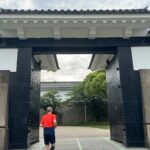
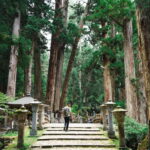
Most Osaka itineraries jump straight into the chaos. This one starts you at Tenno-ji Station and leads you into Tennoji Park first. That order matters. The park gives you a breather and helps you reset your senses before you get swept up in temple crowds and street energy later.
Here’s what the morning start tends to do for you: it makes the next stops land harder. When you later step into Shitennoji Temple, it won’t feel like one more stop on a checklist. It’ll feel like you shifted modes—quiet walk, then deeper cultural time.
Your guide also shares “small stories” as you stroll. That’s the kind of detail that doesn’t add minutes, but changes your attention. You start noticing the way Osaka combines tradition and daily life—how people can be on a green path one minute and back in city routines the next.
Shitennoji Temple and its 1,400-year pull
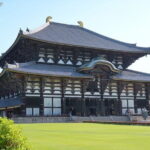
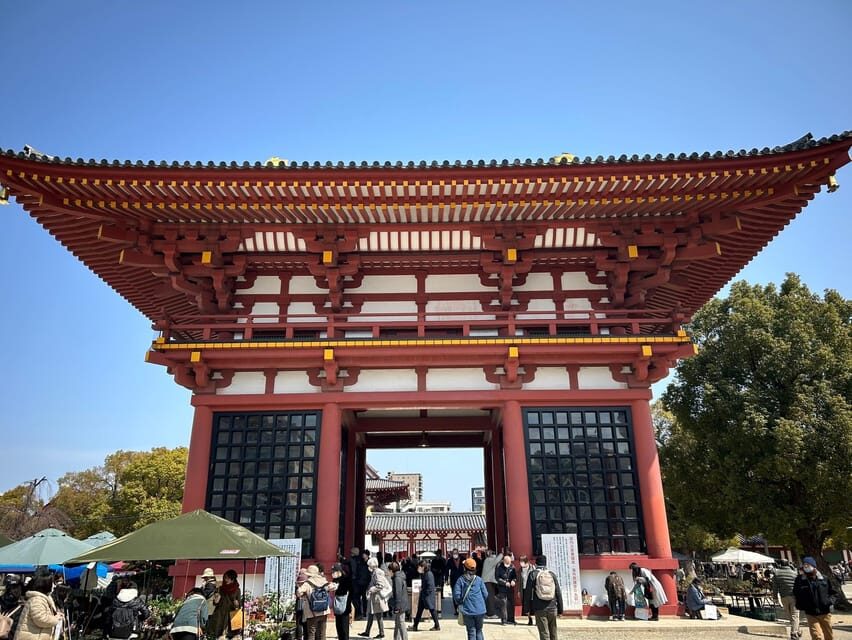
Shitennoji Temple is the anchor of the day for history lovers. You’ll be walking through a site with a 1,400-year legacy, and the guide helps you understand what you’re seeing beyond the usual highlights.
What you’ll feel here is not just the age of the place, but the rhythm of the grounds. Temples like this reward slow looking: entrances, courtyards, worship spaces, and the way visitors move. With guidance, you’re less likely to skim past the parts that make the temple special.
The tour also typically pairs temple time with photo-friendly awareness. People mention getting some of their best pictures on this day, and it makes sense: a good guide doesn’t just say where to stand. They help you time your photos and angle them so you don’t end up with a random background that ruins the shot.
A small drawback to consider: if you’re the kind of traveler who only wants “quick looks,” temple time might feel like more sitting and less sprinting. But if you enjoy history that has weight, this stop is the reason many people book.
Shinsekai: retro streets where Osaka shows off
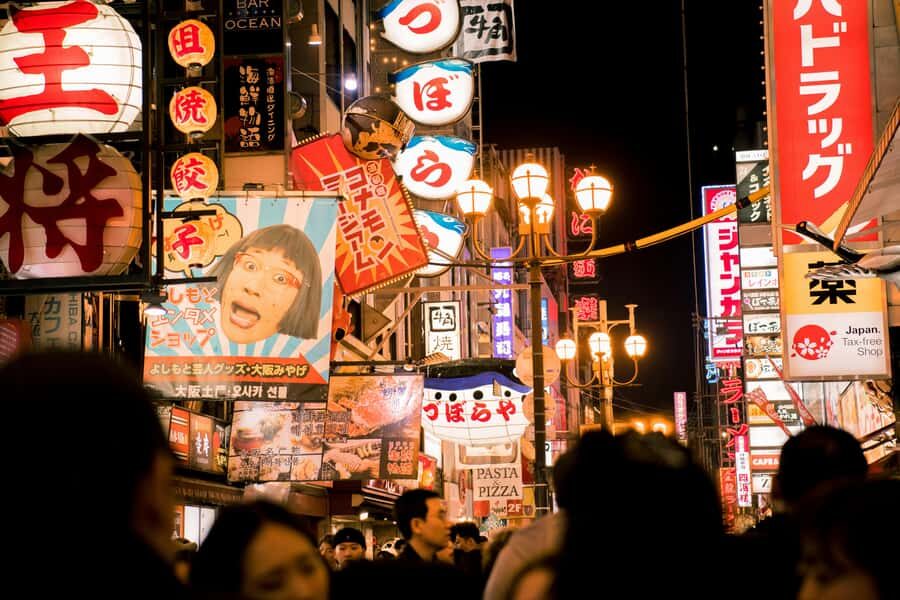
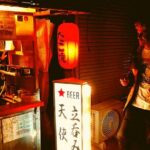
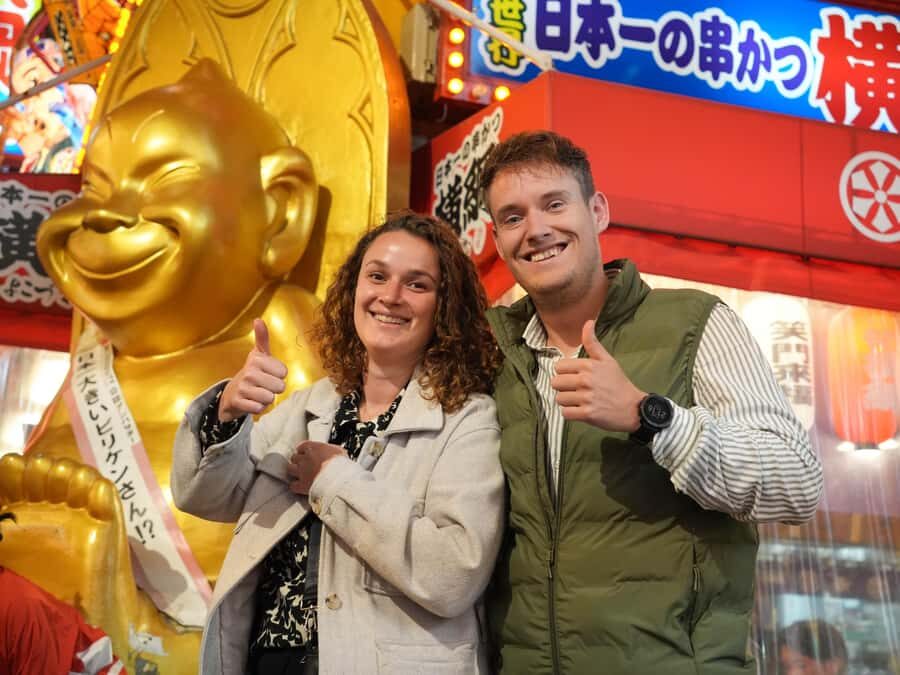
After the temple and park, the tour pivots into Shinsekai, one of Osaka’s most recognizable neighborhoods for retro energy. Think neon alleys, quirky shops, and that arcade-and-snack feeling that makes Shinsekai feel like its own little time capsule.
This is where the tour’s “local story” style starts paying off. The guide’s job isn’t just to point at sights. It’s to explain the neighborhood’s character—why the street vibe feels the way it does and what you should pay attention to as you walk.
You’ll also have the chance to shop and snack with less pressure. Instead of you wandering and trying to decode menus with limited Japanese, the guide keeps you moving through streets where food is the point and the atmosphere stays fun.
One practical note: Shinsekai is the kind of area where the options multiply fast. That’s exactly why the tour route helps. When you’re hungry, you don’t want a maze. You want a plan, and you want it to end with food you actually want.
Dotonbori after dark energy, without the chaos headache
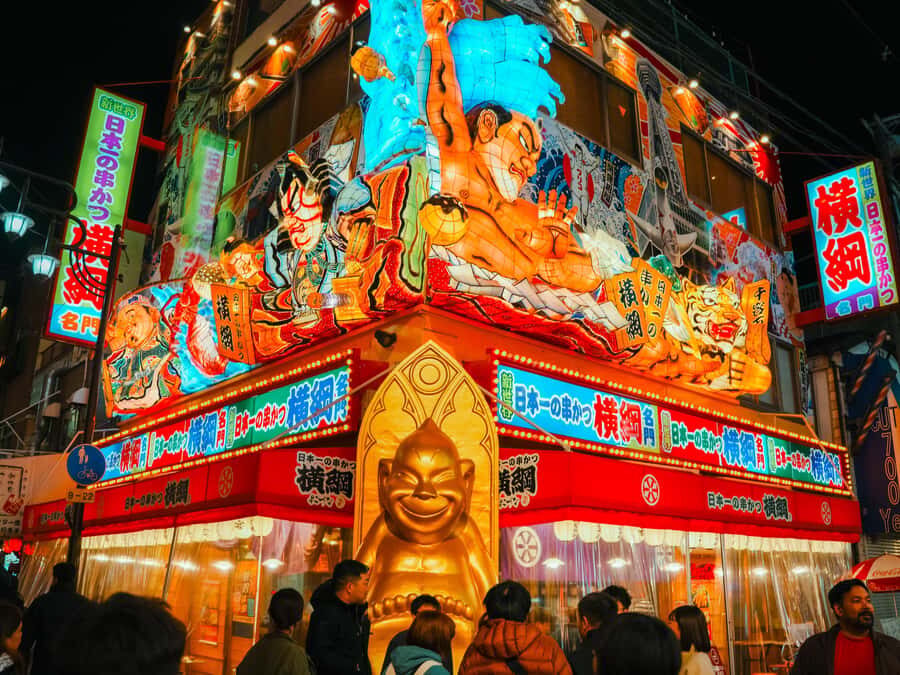
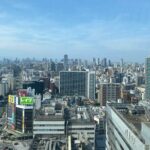
The tour includes Dotonbori as part of the Osaka street-life finale (even if the day starts earlier and calmer). Dotonbori is famous for a reason: signs, crowds, lights, and the feeling that the city is always selling you something—usually food.
What you’ll get from this tour is less “stand and stare,” more “walk with purpose.” The guide keeps you moving through the best street moments, and you’re likely to pick up a few insider pointers on what to eat, where to pause, and when to step out of the densest crowd pockets.
If you’re the kind of person who wants Dotonbori photos, you’ll still get your share. The difference is you won’t feel like you’re just surviving the traffic of tourists to get them.
A consideration: if you dislike crowds in general, Dotonbori can feel intense. A morning-to-late-morning schedule can help, but the neighborhood is still a magnet. The guide’s pacing helps most people stay comfortable.


What’s actually included: takoyaki, croquette, and drinks
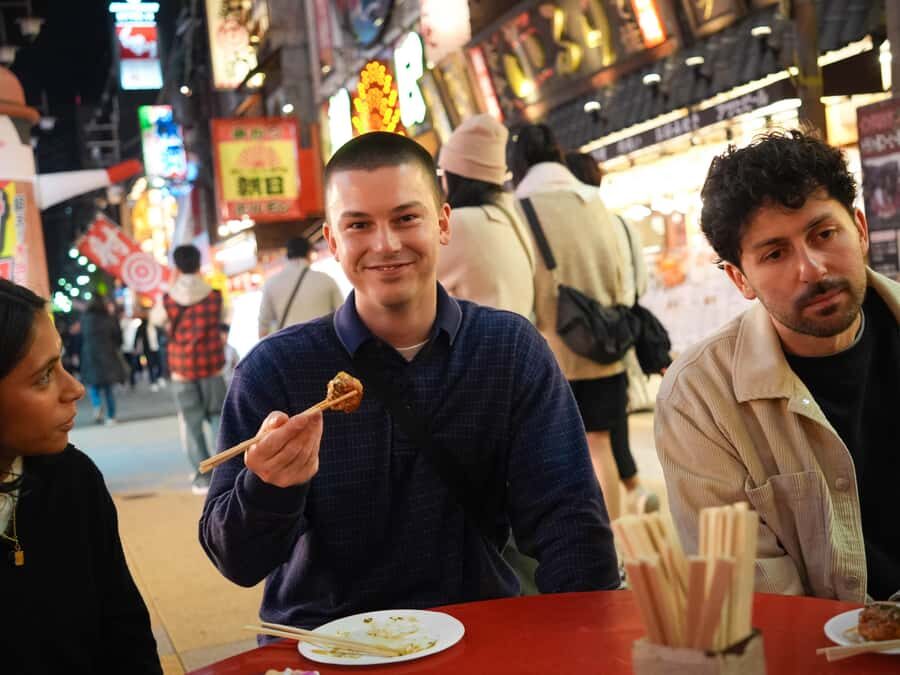
This is where the tour becomes more than a sightseeing walk. The included food items are clear:
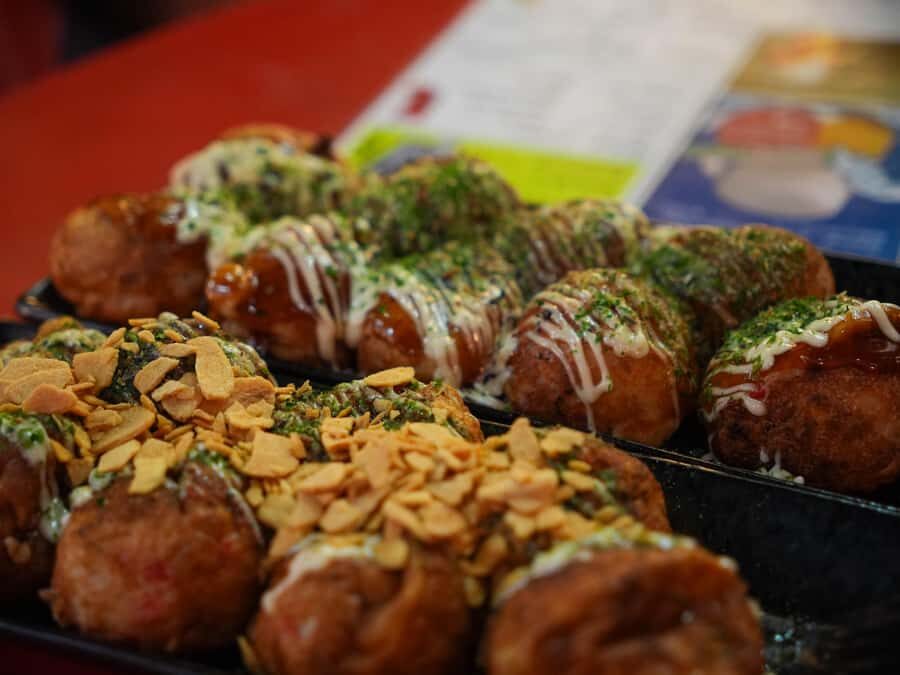
- A box of takoyaki (round fried batter with tender octopus)
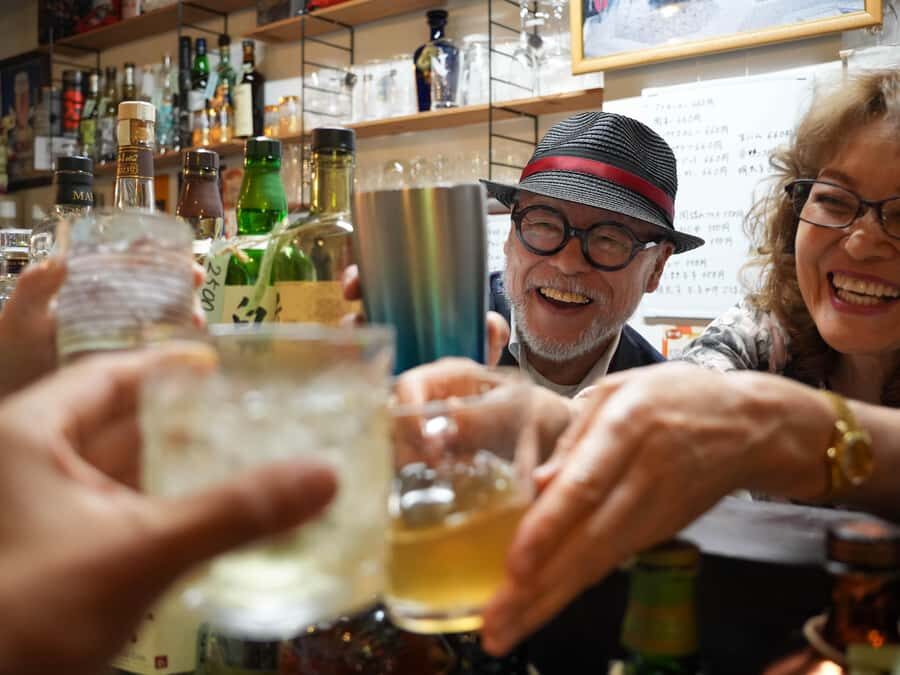
- 1 drink (non-alcoholic or alcohol)
- 1 piece of croquette
On top of that, the tour is designed around Osaka staples like okonomiyaki and kushikatsu. Those stops are described as part of the experience, but only the takoyaki box, croquette, and drink are listed as explicitly included. In plain terms: you’ll likely pay attention to the menus less and eat more because the guide helps you land on the right dishes at the right time.
If you’re picky about portions, you’ll appreciate the structure. A takoyaki box early gives you momentum. Then you move through Shinsekai with a guide who knows where the good bites show up without turning it into a food-marathon.
Also, several guides mentioned in feedback (like Ben, Hiro, and Sena) tend to emphasize not just what to eat, but how the local food scene works—what people order, how meals fit into neighborhood life, and where you’ll get a better experience than you would by randomly choosing a stall.
Private, one-group-only feel with guides who steer the day
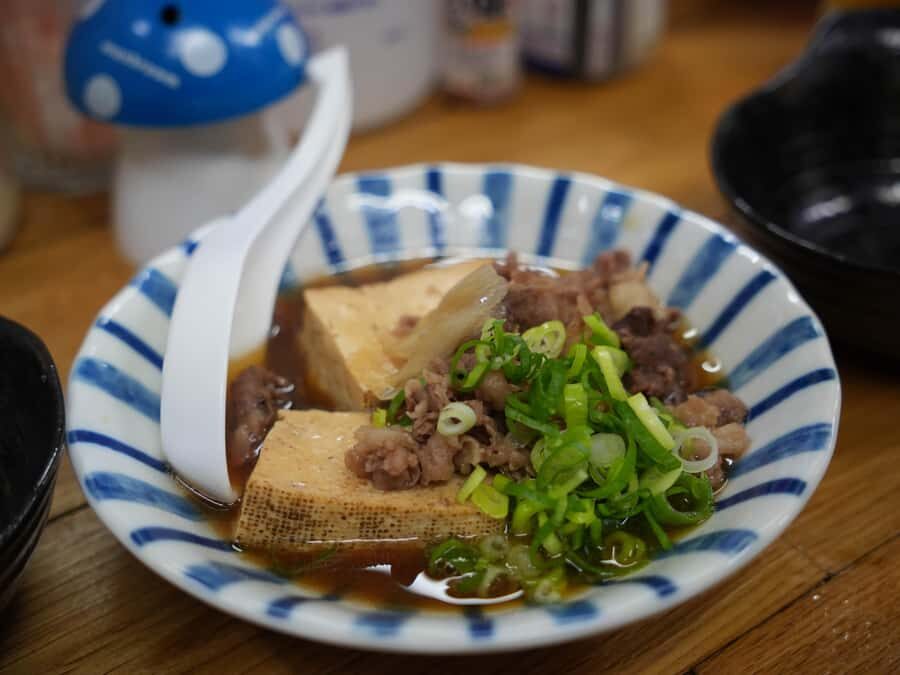
This tour is private in the sense that it’s a one group only setup. You’re not blended into a big crowd with a loud megaphone guide. That matters in places like temples and food streets, where speed and attention both change the experience.
You also get the benefit of named, hands-on local guiding. Feedback highlights guides like Ben, who’s described as professional and friendly, Hiro, who’s praised for temple knowledge and fun energy, and Sena, who gets credit for history storytelling and finding strong hidden stops. Even if you don’t book with the same guide someone else had, this tour’s reputation is clearly built on the guide style: clear pacing, good conversation, and practical food choices.
The other big benefit is customization. This isn’t framed as a rigid script where you only hear facts and then move on. It’s flexible enough for your curiosity—especially if you care about food culture, photo spots, or understanding why Osaka neighborhoods feel distinct from each other.
Price and value: is $74 a smart move?
Let’s talk money in real terms.
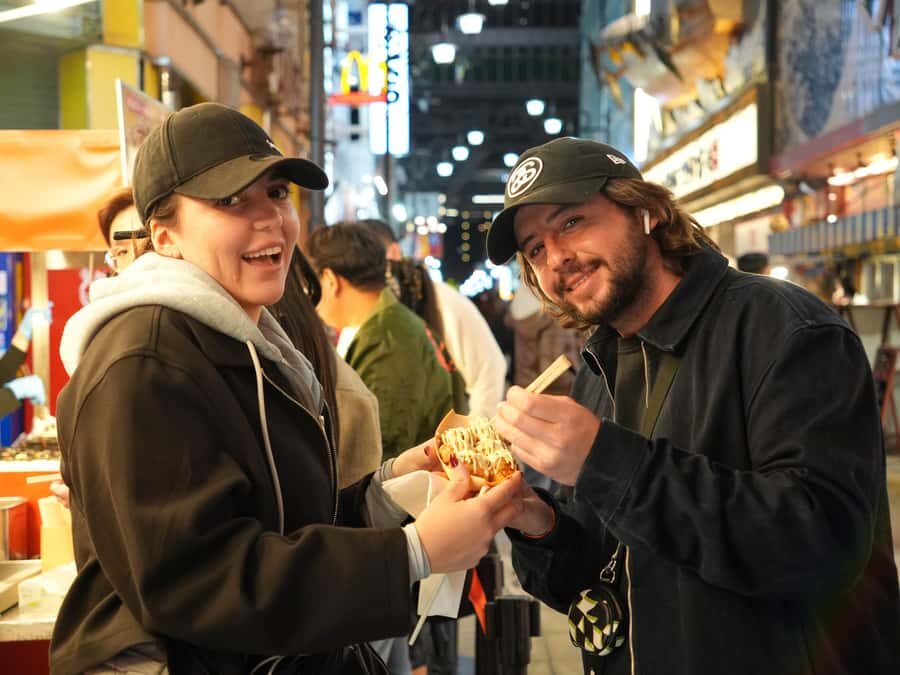
At $74 per person, you’re paying for:
- a local guide and walking route
- early included food (takoyaki box, croquette, drink)
- guidance to help you hit multiple Osaka food types (often including okonomiyaki and kushikatsu)
- personalized recommendations so you can keep eating well after the tour ends
You’re not just buying entry tickets. You’re buying fewer wrong turns and less menu stress. If you’ve ever lost time trying to pick between 10 nearly identical-looking snack places, you already understand the value of a guide at this price point.
Potential mismatch: if you’re a very light eater and you don’t want to spend extra beyond what’s included, the rest of the food culture stops might tempt you to buy more. The tour explicitly notes extra food and drinks beyond the included items aren’t covered. So come hungry—or come ready to snack in a controlled way.
Who should book this tour (and who should skip it)
This tour is a great fit if:
- you want Osaka street food without playing menu roulette
- you care about the meaning behind a major temple like Shitennoji
- you like walking neighborhoods with a guide who points out photo and story details
- you want a morning plan that starts calmer and ends lively
You might skip it if:
- you dislike crowds in general and want only quiet sightseeing
- you prefer to fully self-guide and plan every meal yourself
- you’re looking for a very short, fast-hit itinerary (this tour is built around walking and eating stops)
Quick booking tips you’ll thank yourself for
- Wear shoes you can walk in. Temple paths and street lanes add up.
- If you drink alcohol, note the tour includes one drink, and you can choose non-alcohol if you want.
- Bring a bit of appetite. The included takoyaki box is a start, and the day’s food focus can easily make you want more.
- If you want more photos, tell your guide early. Several guides are praised for pointing out the best photo spots.
Should you book the Osaka Morning Tour?
I think it’s worth booking if you want the easiest path to a “real Osaka” morning: calm park time, heavyweight temple history, then Shinsekai and Dotonbori street-life energy with food stops that feel chosen, not guessed.
It’s also a good value at $74 because the included meal items aren’t tiny—takoyaki is front and center, and the tour’s structure keeps you from wasting time deciding what to do next. The only real caution is timing at the start and budget comfort if you want to go beyond the included food.
If you’re the type who says yes to okonomiyaki and kushikatsu and you want a guide to make the route feel personal, this one belongs on your Osaka list.
FAQ
Where does the Osaka Morning Tour start?
It starts at Tenno-ji Station North Exit. The guide is holding the company logo, GOEN JAPAN.
Where does the tour end?
The tour ends back at the meeting point at Tenno-ji Station North Exit.
Is this tour only for one group?
Yes. It’s described as a one group only tour.
What’s included in the price?
Included items are a box of takoyaki, 1 drink (non-alcohol or alcohol), 1 piece of croquette, plus a guided walking tour with a local expert and personalized recommendations.
Does the tour include okonomiyaki and kushikatsu?
The highlights say you’ll enjoy okonomiyaki and kushikatsu at local spots. Only the takoyaki box, croquette, and one drink are specifically listed as included.
What language is the tour offered in?
The tour is offered in English.
Can I pay later?
Yes. It offers Reserve & Pay Later, so you can book without paying today.
What is the cancellation window?
You can cancel up to 24 hours in advance for a full refund.