REVIEW · OSAKA
【For adult】Traditional Mochi Pounding Experience with Tasting
Book on Viator →Operated by Theosaka · Bookable on Viator
Your hands will turn rice into mochi.
This Osaka class is fun because you get hands-on mochi pounding with traditional tools, and you finish with fresh mochi tasting—hot, chewy, and way better than store packs. I also like that it’s run like a real small-group workshop, with friendly hosts such as Aiko, Grace, and Seina guiding you through each step. One thing to keep in mind: mochi is chewy, so older guests should stick to small bites to reduce choking risk.
In about an hour, you’ll see glutinous rice go from steamed grains to elastic dough, then you’ll shape and eat what you made. You’ll also get a short, practical history talk so the pounding doesn’t feel like a random stunt—it links to a Japanese tradition people actually grow up around.
And yes, it’s in central Osaka near Dōtonbori, so you can slot it between meals and sightseeing without building your day around it.
In This Review
- Key Highlights That Make This Class Worth Your Time
- Why Mochi Pounding Feels Like a Real Osaka Moment
- Location Near Dōtonbori: Easy to Fit Into Your Day
- The 60-Minute Flow: From Steaming Rice to Eating Your Own Mochi
- The Hands-On Part: Traditional Rhythm, Real Turns, Real Effort
- Five Seasonings, Tea, and the Taste Test That Makes Mochi Click
- English and Chinese Support in a Small Group (Max 10)
- Who This Mochi Workshop Fits Best (And Who Should Plan Carefully)
- Price Value: What $32.37 Buys You (Besides Just Mochi)
- Practical Tips So Your Session Goes Smooth
- Booking Decision: Should You Do This Mochi Pounding Class in Osaka?
- FAQ
- How long does the mochi pounding experience take?
- What does the experience cost?
- Where does the experience start?
- Is there more than one time slot?
- What languages are supported?
- How many people are in the group?
- Will I taste the mochi I make?
- What topping flavors should I expect?
- Is the experience suitable for vegetarians or vegans?
- What if the weather is bad or plans change?
Key Highlights That Make This Class Worth Your Time
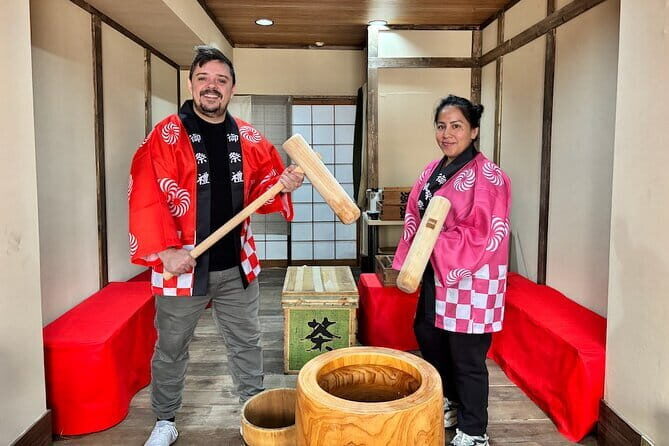
- Traditional tools, not just a demo: you’ll pound with the mortar and pestle instead of only watching.
- A short history talk first: about 10 minutes on mochi’s cultural place, then straight into making.
- Freshly pounded mochi with tea: you’ll taste your mochi right after shaping, with multiple seasonings/ingredients.
- Small group size (max 10): you’re more likely to get individual turns and real help.
- English and Chinese support: Chinese guidance is handled via slides or interpretation support.
- Dietary accommodation: vegans and vegetarians can participate without sitting out.
Why Mochi Pounding Feels Like a Real Osaka Moment
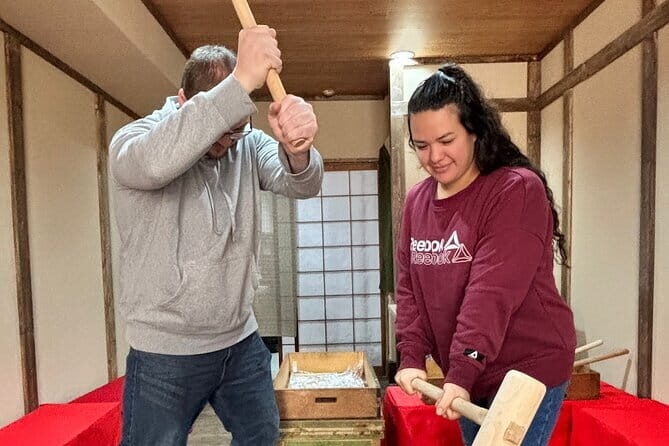
Mochi-making has a simple magic to it: you start with rice, add heat, then convert it into something elastic that you can shape in your hands. The best part is that you don’t just sample mochi—you make it, turn after turn, with the group.
This matters because mochi is one of those foods you can buy anywhere, but it’s usually cold, packaged, and already decided for you. Fresh mochi changes the whole experience. It’s chewy in a way that feels clean and new, and that’s exactly what this workshop is built for.
Also, the hosts set the tone early. Names like Aiko, Grace, Seina, Runa, Mao, and Riki show up in the way sessions run: energetic, friendly, and focused on getting everyone involved, not just the fastest people.
A gentle reality check: the pounding part is physical. You’ll likely feel it in your arms and shoulders, and mochi itself is chewy. If you prefer very soft bites, plan for smaller portions.
You can also read our reviews of more food & drink experiences in Osaka


Location Near Dōtonbori: Easy to Fit Into Your Day
The meeting point is Mochi Pounding Experience Osaka「Oh Mochi」, 2-chōme-4-11 Dōtonbori, Chuo Ward, Osaka (542-0071). You’re in central Osaka, close to the kind of sights that already pull you toward Dōtonbori.
That location is a practical win. A one-hour activity is the sweet spot when you’re sightseeing—short enough to not derail plans, but long enough that you actually get an experience (not a rushed photo-op).
It’s also near public transportation, so you’re not forced into a complicated commute. Bring yourself, show up, and you’re ready to go.
The 60-Minute Flow: From Steaming Rice to Eating Your Own Mochi
Even though the whole class is about an hour, it moves in clear stages. This keeps it fun and prevents the “wait around” feeling that some workshops have.
Here’s what the timing typically feels like:
1) A short mochi history talk (about 10 minutes)
You’ll get the cultural significance of mochi pounding. The goal isn’t academic lecturing—it’s enough context that you understand why the motion and tools matter.
2) Steaming glutinous rice
Then you’ll move to the hands-on portion. Watching the rice change before you touch it helps you understand what you’re working with—and it sets you up for the pounding step.
3) Using traditional tools to pound into mochi
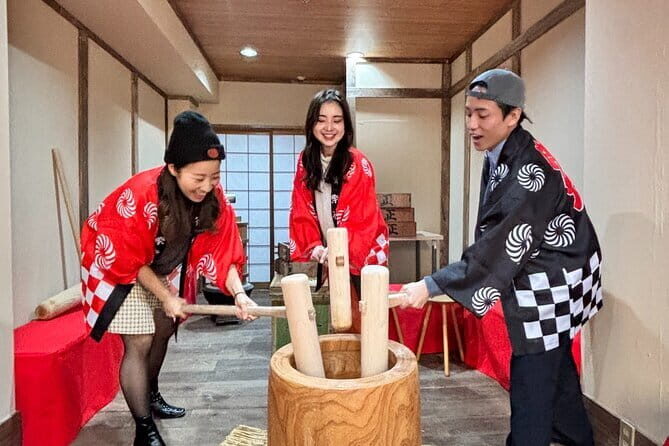
This is the heart of it. You’ll take turns with the mortar and pestle and help transform the steamed rice into mochi. If you’ve never used tools like this, don’t worry: the instructors guide you step by step.
4) Shaping and eating right away
After pounding, the mochi gets portioned for each person, and you’ll shape it in your hands. Then comes the part you’re really here for—fresh mochi tasting.
5) Tea and multiple toppings/seasonings
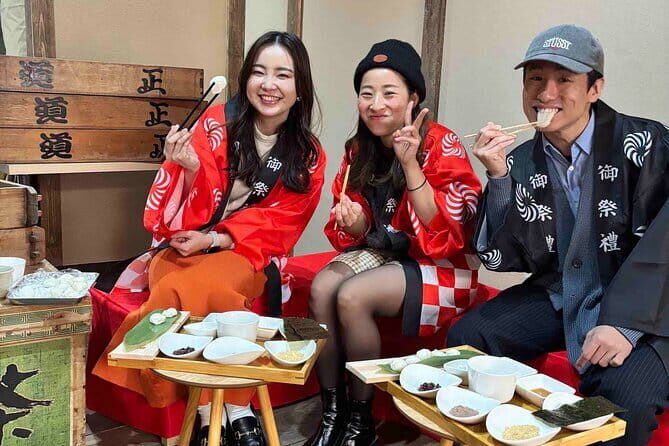
Your mochi is served with tea and several Japanese seasonings/ingredients. You’ll have the chance to try flavors such as kinako (roasted soybean flour) and sweet red bean paste.
So the experience isn’t only “make one thing.” You make mochi, then you taste it in multiple styles.
The Hands-On Part: Traditional Rhythm, Real Turns, Real Effort
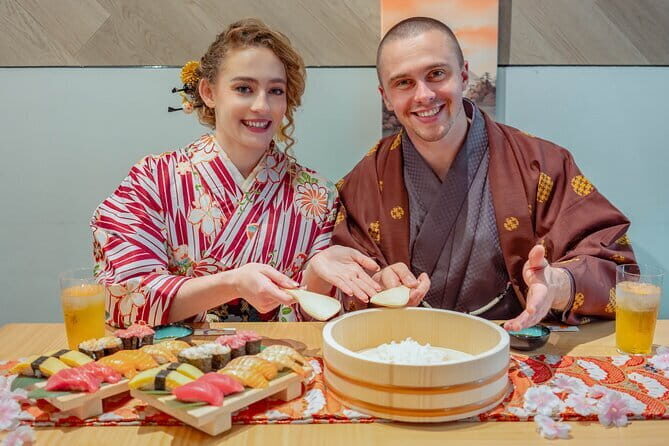
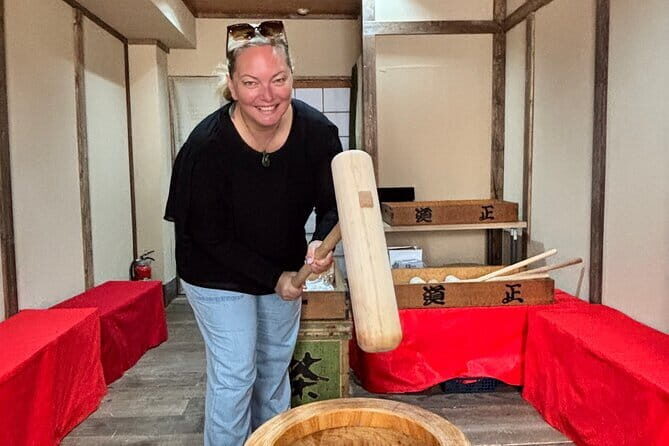
Pounding mochi isn’t delicate. It’s rhythmic, powerful, and surprisingly satisfying. You’ll feel like you’re participating in something old-school, not pressing buttons for a show.
Because the group is capped at 10 travelers, you’re more likely to get proper turns. People who come with kids don’t get shut out either—there are reports of smaller mallets being available, so younger participants can join in.
Some sessions also start with getting into a mochi-making costume, which adds a playful vibe without turning it into a gimmick. And staff help with photos and videos, so you can capture the silly-but-practical moment without fumbling your phone mid-pounding.
One caution: the room can get warm if it’s hot outside. Wear something lightweight and breathable. You’ll be working with heat and steam, and you’ll be happier if you’re not dressed for winter.
Five Seasonings, Tea, and the Taste Test That Makes Mochi Click
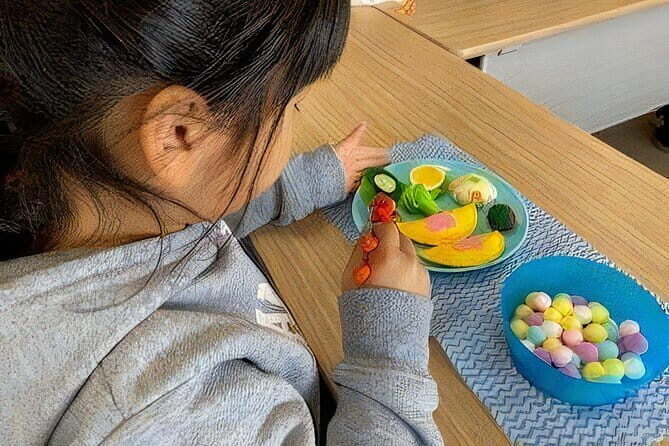
The workshop finishes with freshly pounded mochi served with five beloved Japanese seasonings and ingredients, along with a cup of tea. In practice, you’ll end up tasting mochi in multiple flavor directions, not just one sweet profile.
You can expect options like:
- Kinako (sweetened roasted soybean flour)
- Sweet red bean paste
That set of flavors matters because it shows mochi’s range. Kinako gives a nutty, toasty sweetness. Sweet red bean brings a smoother, dessert-style sweetness. Switching between them helps you learn what you actually like—whether you prefer a lighter coating or a richer filling.
Tea is also a smart pairing. Mochi is chewy and filling; tea helps reset your palate so you keep enjoying the next bite instead of getting overwhelmed.
And yes, portions are worth planning around. Several people note they got more food than expected, and mochi can be quite satisfying. I’d treat this as a snack-to-meal moment, not a single-taste appetizer.






English and Chinese Support in a Small Group (Max 10)
Language support is built into the experience. You can expect English instruction, and Chinese support through slides or interpretation assistance.
In a small group setting, that help matters. It means you can understand what you’re doing (and why), not just mimic movements. It also makes it easier for you to ask questions—especially if you’re curious about mochi traditions, tools, or toppings.
The workshop also tends to run with energetic hosts who keep explanations clear. Names like Runa, Mao, Seina, Aiko, Grace, and Riki come up in the way sessions are described: friendly, organized, and quick to get everyone involved.
Who This Mochi Workshop Fits Best (And Who Should Plan Carefully)
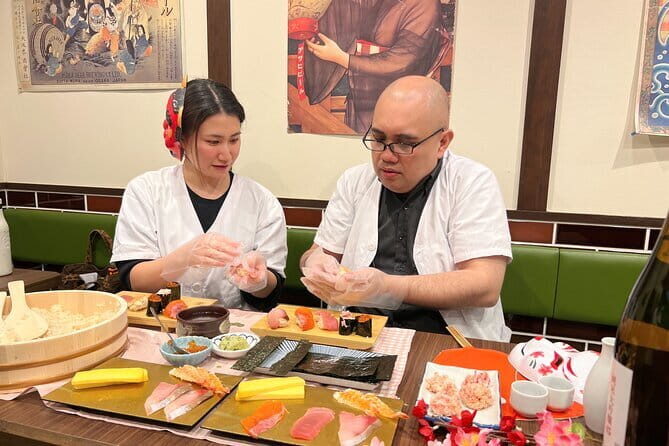
This is a great fit if you want an experience that’s:
- Hands-on (you’ll do the pounding)
- Short and schedule-friendly (about an hour)
- Tied to food culture (history + tools + tasting)
It also works well for families. Kids are welcome, and the class structure helps everyone take part—even if kids need a different-sized tool.
If you’re vegan or vegetarian, the experience states it can accommodate dietary preferences. That’s a big deal for food experiences in Japan, where “accidentally” non-vegetarian ingredients can happen. You’ll still want to confirm your preferences when you book, but the intent is clearly to include you rather than sideline you.
The main “think twice” group is older adults, because mochi is chewy and can be hard to bite. The guidance is to eat mochi in small portions to lower choking risk.
Price Value: What $32.37 Buys You (Besides Just Mochi)
At $32.37 per person, this class isn’t the cheapest thing you can eat in Osaka. But it’s priced like what it is: instructor-led, hands-on, and built around fresh output.
Here’s what you’re getting for the money:
- Time with an experienced instructor (including a 10-minute history talk)
- Use of traditional tools like the mortar and pestle
- Freshly made mochi created during the session
- Tasting with multiple seasonings/ingredients plus tea
- A small-group experience capped at 10 travelers
If you were buying mochi at a shop, you’d usually pay for the product only. This price includes the “how it’s made” part—plus the fun of shaping and tasting variations right away.
If you like food experiences that actually teach a skill (even a simple one), this value makes a lot of sense.
Practical Tips So Your Session Goes Smooth
A few small things will make a big difference:
- Wear lightweight clothes: the room can run warm while you’re working near heat and steam.
- Expect a workout: pounding takes effort. That’s part of the fun, but it’s also why you’ll feel it the next day.
- Plan to eat this as a real snack/mini-meal: mochi is filling, and the tasting can add up.
- Take pics fast: if photos/videos are part of the experience flow, get them during breaks so you’re not trying to do it one-handed while pounding.
- For older guests, go slow: smaller bites are the safer approach with chewy foods.
If you’re booking for convenience, you can choose a morning or afternoon session to fit your Osaka rhythm.
Booking Decision: Should You Do This Mochi Pounding Class in Osaka?
I think this is an easy yes for most people who enjoy food, culture, and interactive activities. You’re not just consuming mochi—you’re learning how the texture is made, how it’s shaped, and how it tastes with different classic toppings like kinako and sweet red bean paste.
Book it if:
- You want a hands-on Osaka experience that lasts about an hour
- You’d rather make mochi than watch someone else make it
- You like small-group settings with clear instruction
- You’re open to chewy, freshly pounded sweets
Skip it (or plan differently) if:
- You hate physical tasks like pounding
- You have concerns about chewing very chewy foods (especially for older adults)
If you want one memorable food activity that’s rooted in tradition and still feels playful, this mochi class delivers.
FAQ
How long does the mochi pounding experience take?
It takes about 1 hour (approx.).
What does the experience cost?
The price is $32.37 per person.
Where does the experience start?
The meeting point is Mochi Pounding Experience Osaka「Oh Mochi」, 2-chōme-4-11 Dōtonbori, Chuo Ward, Osaka (542-0071).
Is there more than one time slot?
Yes. You can choose between morning or afternoon sessions.
What languages are supported?
The experience is offered in English and Chinese, with Chinese support provided through slides or interpretation assistance.
How many people are in the group?
The experience has a maximum of 10 travelers.
Will I taste the mochi I make?
Yes. You’ll enjoy freshly pounded mochi with five Japanese seasonings/ingredients and it’s served with tea.
What topping flavors should I expect?
You can try toppings such as kinako and sweet red bean paste among the seasonings/ingredients provided.
Is the experience suitable for vegetarians or vegans?
The experience states they accommodate dietary preferences, including vegans and vegetarians.
What if the weather is bad or plans change?
The experience requires good weather. If it’s canceled due to poor weather, you’ll be offered a different date or a full refund. You can also cancel for a full refund if you cancel at least 24 hours in advance.