REVIEW · OSAKA
Minoh Waterfall and nature walk through the Minoh Park
Book on Viator →Operated by ALL STAR OSAKA WALK · Bookable on Viator
Minoh turns Osaka noise off fast. This private nature walk in Minoh Quasi National Park pairs a temple stop with a climb to the 33 m Minoh Waterfall, and you get English guidance the whole way. I especially like the easy pace (including for people who are not marathon-fit) and the included lunch that keeps the day from turning into snack-hunting.
One thing to consider: you’ll do real walking with some steep bits, so it’s best if you’re comfortable with a moderate hike. Also, part of the transit cost (around 1,000 yen adult) is not included.
In This Review
- Key highlights you’ll feel right away
- A Quick Escape From Osaka’s Streets
- Price and What the $138.37 Actually Buys You
- Getting to Minoh: Osaka Meeting Point and the Train Start
- Ryuanji Temple Stop: Mountain-Worship Buddhism on the Route
- Minoo Park Walk: Paved Paths, Hot-Spring Vibes, and Monkey Chances
- The Minoh Waterfall Moment: 33 Meters, Cool Air, and a Real Reset
- Lunch in the Middle of the Hike: Why Included Meals Matter
- Guide Experience in Real Life: English, Pace Control, and Personal Moments
- Walking Pace, Fitness Level, and What to Bring
- Seasonal Extras: Autumn Momiji-Style Lighting and Temple Atmosphere
- Should You Book This Minoh Waterfall Private Walk?
- FAQ
- Where is the meeting point for the Minoh Waterfall and nature walk?
- What time does the tour start?
- How long is the tour?
- Is pickup available?
- What is included in the price?
- What is not included?
- Is this a private tour or a group tour?
Key highlights you’ll feel right away
- Private guide, private pacing: walk as a small group, no rushing.
- Ryuanji Temple stop: classic mountain-worship Buddhism culture along the route.
- Safe, paved roads in Minoo Park: easier footing than you might expect.
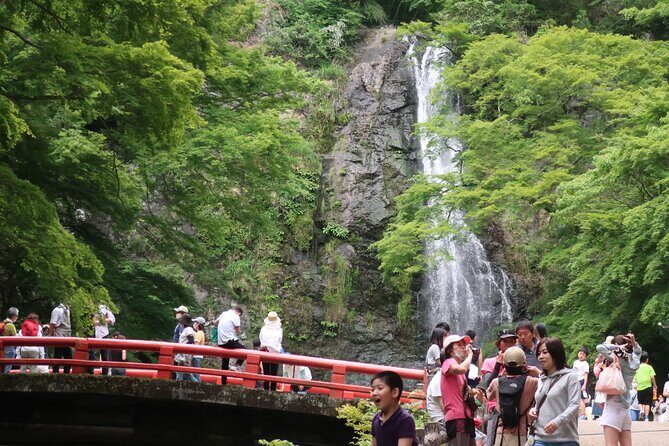
- Minoh Waterfall at 33 meters: sound, spray, and cooling air for a reset.
- Lunch included: a real sit-down Japanese meal during the hike.
- Possible monkeys near the falls: nature close enough to surprise you.
A Quick Escape From Osaka’s Streets
If you’re trying to balance city time in Osaka with actual nature, Minoh is one of the simplest switches you can make. The whole experience is built around a day that feels local: take a short train hop out of the city, follow a guided route through Minoo/Minoh nature areas, then finish with the waterfall’s mist and roar.
Two things make it especially appealing. First, the walking is organized with a steady rhythm—your guide controls the pace and answers questions along the way, which is a big deal when you’re doing this in a new language environment. Second, the route includes moments you might skip on your own: Ryuanji Temple and the specific pathway leading up to the falls.
The day also feels practical. It’s not a vague “nature stroll” where you hope for the best. You’ve got clear anchors: temple, park paths, and a dedicated waterfall stop.
You can also read our reviews of more walking tours in Osaka

Price and What the $138.37 Actually Buys You
At $138.37 per person, you’re not paying for a cheap DIY day. You’re paying for the parts that normally cost time and headaches: a private guide (English-speaking and locally licensed), lunch, and an organized route from Osaka into the park area.
The separate cost to plan for is transportation. The listing notes adult fares around 1,000 yen (child around 600 yen) for the ride in/out. A few people also mention paying metro/train fares themselves after pickup. Either way, treat that as “plan for local transit” rather than an extra surprise.
So is it good value? For me, it is when you want three things at once:
- you want to spend the day outdoors without figuring out every connection
- you want context for the temple/park route while you walk
- you want lunch handled for you
If you’re a confident train navigator who’s happy to manage everything independently and eat whenever, you might compare cheaper self-guided options. But if you value a smooth day, this price starts to make sense.
Getting to Minoh: Osaka Meeting Point and the Train Start
Your day begins back at the Osaka Tourist Information Center at the JR Osaka Station Central Concourse (Umeda). The start time is 9:00 am, and the activity returns to the same meeting point at the end.
Most mornings, the flow is like this: after pickup (pickup is offered), the group rides the Hankyu railway and gets off at Minoh station, then starts hiking from there. It’s a smart way to do a half-day nature outing—no long bus ride, and you’re moving quickly into the green zone.
A practical tip: since you’re using public transit, keep your day light on complicated transfers. This tour is designed to keep it straightforward. If you arrive early to the meeting point, you can reduce the risk of stress later—especially if you’re also balancing jet lag.
Ryuanji Temple Stop: Mountain-Worship Buddhism on the Route
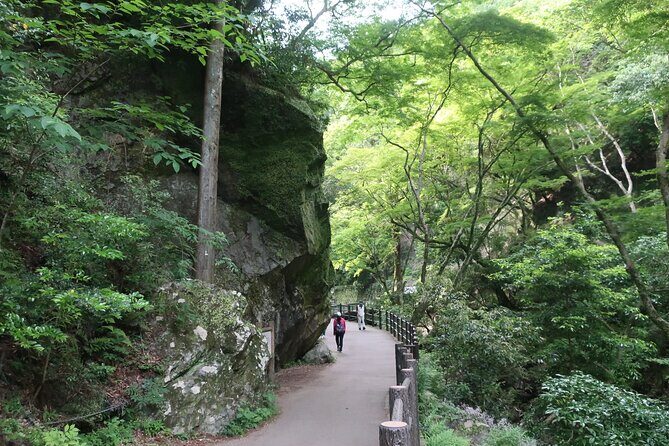
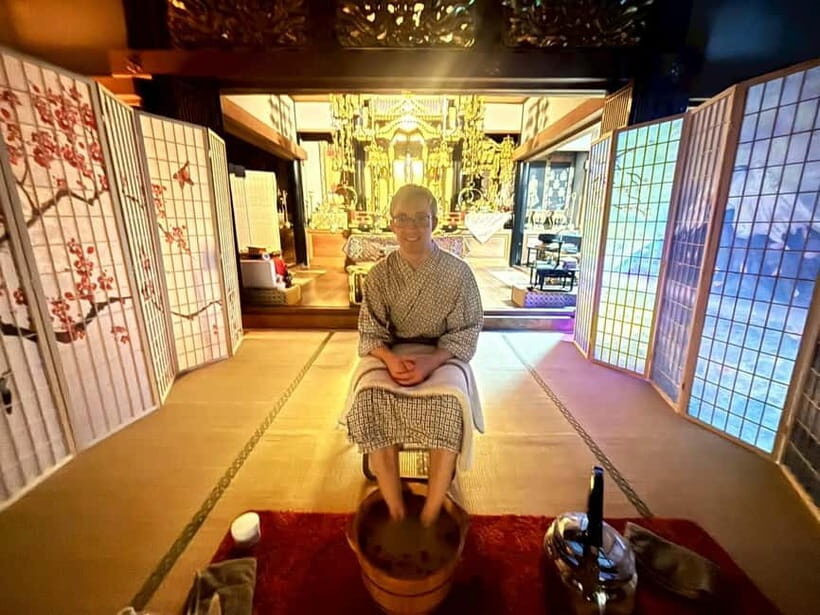
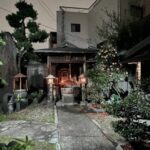
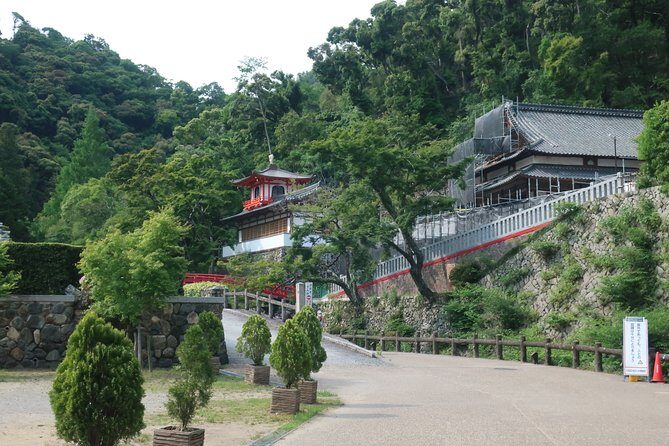
One of the most interesting midpoints is the Ryuanji Temple stop. This is described as the oldest ascetic Buddhism temple in Japan, and also tied to mountain-worship traditions and training.
What I like about this stop is that it doesn’t feel tacked on. It sits naturally along the route between Osaka and the waterfall area. In other words, the temple helps you understand what you’re walking through. You’re not just hiking for photos—you’re moving along a landscape that historically connects people, worship, and training.
What you might notice during the visit:
- the setting feels calmer and more focused than the city
- you get a guided explanation that helps the site make sense instead of feeling like a quick look-and-go
- it breaks up the walking, which is useful before the climb toward the falls
If you care about Japanese religious sites, this stop is a strong reason to choose a guided day instead of going solo.
Minoo Park Walk: Paved Paths, Hot-Spring Vibes, and Monkey Chances
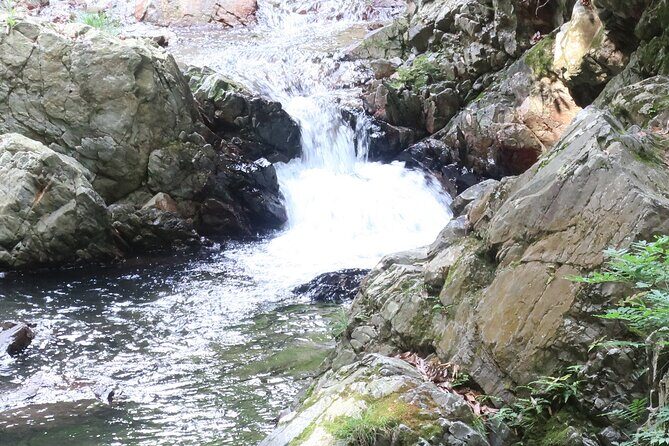
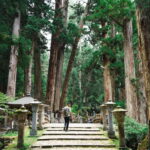
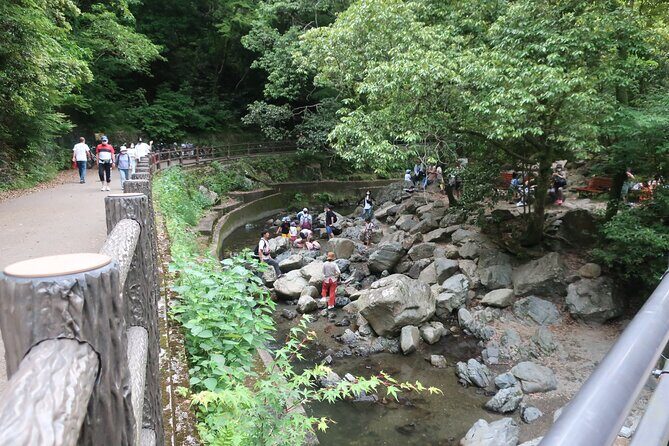
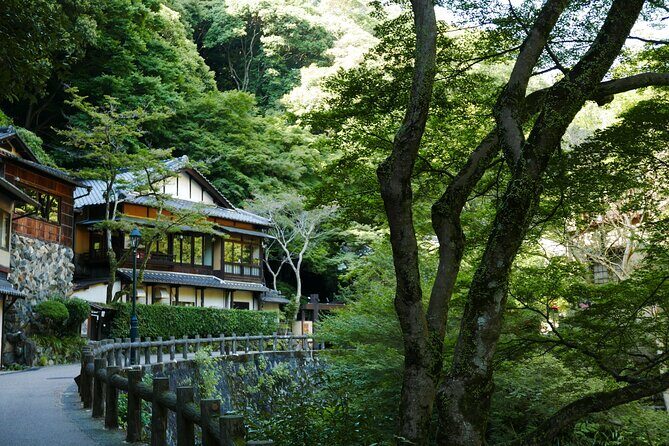
After Ryuanji, the route turns into the Minoo park portion of the day. This area is described as a long-time oasis for Osaka citizens, popular for both nature and hot spring access close to the city. That matters because it explains why the area feels lived-in by locals, not just “scenery for tourists.”
The walking part is set up to be manageable. The route is described as safe paved roads, and guides keep things at an easy-going pace. Still, the tone in feedback is consistent: it’s a hike. Expect a climb toward the top portion of the park, with some steep bits.
This is also where the wildlife angle enters. There’s a repeated highlight that wild monkeys may be seen near the waterfall area. You shouldn’t plan your whole day around it, but it’s worth keeping your eyes up—especially during quieter moments as you near the falls.
Also, here’s a smart mindset: treat Minoo Park as the buffer zone. It’s the time when your body warms up gradually, your guide explains what you’re seeing, and you build momentum for the waterfall finale.




The Minoh Waterfall Moment: 33 Meters, Cool Air, and a Real Reset
Then comes the payoff: Waterfall of Mino (often called Minoh Waterfall). The waterfall is listed as 33 meters high, and the experience here is very sensory. You’re listening to water hitting rocks and splashing below, and you can feel the cooling effect of the mist in the air.
The itinerary gives a 30-minute waterfall-focused stop, and admission is free. That’s a great setup for value—this is the one “ticket-like” moment that doesn’t require extra cash.
What’s worth knowing for planning your photos and pacing:
- plan to slow down near the viewing area so you can enjoy the sound and mist, not just the view
- bring a light layer if you run cool quickly when you get close to the spray
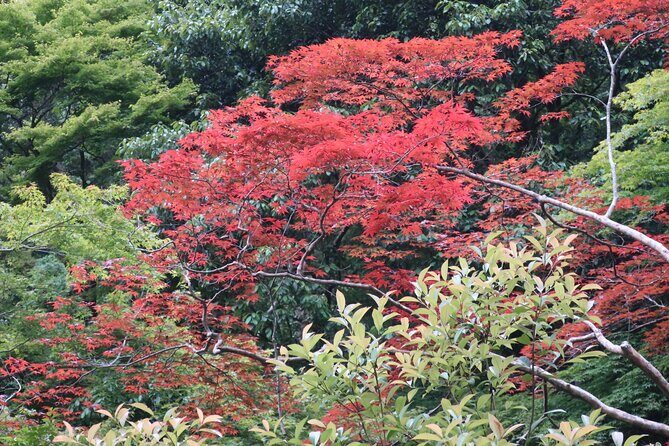
- if you’re walking in fall, expect more color moments along the route; at least some guides have pointed out seasonal highlights like leaf changes
Some people also highlight seeing monkeys in this stretch. Again, it’s not guaranteed, but the area is the right place to look.
Lunch in the Middle of the Hike: Why Included Meals Matter
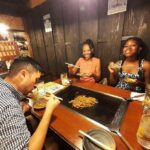
Lunch is included, and it’s not an afterthought. People note a local Japanese lunch, and the practical benefit is simple: you don’t have to guess where to eat at the right time while you’re mid-hike.
This kind of included meal is a big part of the day feeling smooth. It reduces decision fatigue, and it helps you keep your energy steady for the climb and waterfall portion. Even if you love wandering on your own, having lunch built into the plan is a quality-of-life upgrade.
One more small thing I appreciate: the lunch tends to happen in a place you might not find by yourself once you’re already walking up the mountain route. That means your day has both nature and a proper sit-down break.
Guide Experience in Real Life: English, Pace Control, and Personal Moments
The tour’s core strength is the guide experience. This is a private tour, meaning only your group participates. That alone changes the day: you can ask questions without feeling like you’re slowing down a big group.
In feedback, guides are repeatedly praised for being friendly and for English that’s easy to follow. Names that show up include Hide, Hideoki, Ichiro, Ichi, and Miyo. While you can’t guarantee a specific person, the consistency of guide performance is a good sign: the tour isn’t just “walk and hope.” It’s guided.
What I’d specifically look for in a guide moment on this route:
- explanations tied to what you’re seeing at Ryuanji and on the path
- pacing that matches your group, especially on the steeper segments
- help with any Japan questions that come up as you walk
A private guide is also ideal if you’re traveling with different walking speeds in the same group. The pace can be adjusted without making the day feel tense.
Walking Pace, Fitness Level, and What to Bring
The tour is listed for travelers with moderate physical fitness. That’s the honest label here. It’s not a “sit under a tree” day, and people do mention a steep climb at points. But it’s also described as easy walking overall, especially because parts are on paved roads and the guide can keep the rhythm comfortable.
Here’s how I’d plan it for yourself:
- wear shoes with decent grip (wet leaves and mist can make paths slick)
- bring a light layer (you may cool down near the waterfall spray)
- carry water, even if you’re not told to—nature hikes move faster than you expect
- if you’re sensitive to hills, plan for the climb as the main effort; the waterfall stop is the reward
If you can handle a steady uphill walk for a few hours, you’re in the right target group.
Seasonal Extras: Autumn Momiji-Style Lighting and Temple Atmosphere
Some of the most memorable highlights mention a celebration connected to fall leaves—called a Momiji Festival in one review—featuring priests/monks lighting as part of the moment. That kind of event can turn a regular temple stop into something you actually remember.
It’s not something you can count on year-round, but it’s worth knowing that seasonal timing can add a layer beyond the waterfall photo. If you’re in Osaka during autumn leaf season, I’d lean into a plan like this that already includes a temple and a waterfall. The combination tends to hit harder during those months.
Even without festivals, the temple-and-waterfall rhythm gives you a natural story arc: quiet spirituality, then nature roar.
Should You Book This Minoh Waterfall Private Walk?
Book it if you want an Osaka day trip that feels grounded and local, not just a checklist. This tour is a strong match if you:
- like walking outdoors but want a guide to handle the route and context
- care about seeing Ryuanji Temple without needing to research every detail first
- want lunch handled so you can focus on the hike
- prefer private pacing over joining a larger group
Consider skipping (or comparing alternatives) if you:
- only want flat, low-effort sightseeing
- hate paying extra for local transit fares on top of the tour price
- are traveling with very limited flexibility for weather (the experience depends on good weather)
My bottom line: for most visitors who want a real nature break close to Osaka, this private Minoh Waterfall hike is a good use of time. You’ll spend your energy on the views and the walk, not on figuring things out.
FAQ
Where is the meeting point for the Minoh Waterfall and nature walk?
The tour starts at the Osaka Tourist Information Center at JR Osaka Station, Central Concourse (Umeda, Kita Ward).
What time does the tour start?
The start time is 9:00 am, and it ends back at the meeting point.
How long is the tour?
It runs about 4 to 5 hours.
Is pickup available?
Pickup is offered.
What is included in the price?
The tour includes a private tour, a national licensed English-speaking local guide, and lunch. The waterfall admission ticket is free.
What is not included?
Transportation fees are not included (around 1,000 yen for adults and 600 yen for children per person). Insurance is also not included.
Is this a private tour or a group tour?
It’s a private tour. Only your group will participate.