REVIEW · OSAKA
Osaka: Premium Wagyu Yakiniku at Nikuoroshi Mannoya Bettei
Book on GetYourGuide →Operated by TakeMe Co.,Ltd. · Bookable on GetYourGuide
Wagyu comes with homework here. In Osaka, Nikuoroshi Mannoya Bettei turns a yakiniku-style meal into a cut-by-cut lesson, with 80-plus Wagyu cuts you choose from and menu themes tied to how the beef was raised. It’s not just dinner, it’s a tasting map.
I like two things right away: the English-friendly menus and cut guidance (handy if your Japanese is rusty), and the way the options are organized by ideas like Bloodline and Female Cattle, so you can actually compare flavors instead of ordering at random.
One consideration: no guide is provided, so you’re the one making the selections during the 2-hour seating. If you’re nervous about menu choices, give yourself a few minutes before you arrive to review the course styles.
In This Review
- Key things that make this Wagyu course work
- Finding Nikuoroshi Mannoya Bettei in a narrow alley near Higashi-Umeda
- How the 2-hour Osaka Wagyu course actually unfolds
- Step 1: arrive and go straight in
- Step 2: choose your leaning
- Step 3: tasting in a planned order
- Step 4: you’ll be finished while you still want more
- The three menu styles: Special Premium Lean, Mannoya Wagyu Platter, Royal Selection
- Special Premium Lean Wagyu Selection
- Premium Mannoya Wagyu Special Lean Beef Platter
- Royal Selection: Ultra-Premium Wagyu Lean Cut Assortment
- What the cut categories mean for your plate (Bloodline, Female Cattle, and more)
- The star cuts: tongue, karubi, loin, and seared meat sushi
- Tongue (multiple course levels)
- Karubi (grilled short rib)
- Loin and sirloin
- Seared meat sushi (lean beef and karubi)
- Price and value: is $66 per person a smart Osaka splurge?
- The practical stuff you’ll want to know before you go
- No guide, so prep matters
- Seat timing is tight
- Children and ordering
- Dietary restrictions
- The drinks question
- Should you book this Osaka Wagyu course?
- FAQ
- How long is the Wagyu course?
- What is included in the $66 per person price?
- Are drinks included?
- Is there a guide with the experience?
- Can I choose among different menus?
- Are children allowed?
- Can I note dietary restrictions?
Key things that make this Wagyu course work
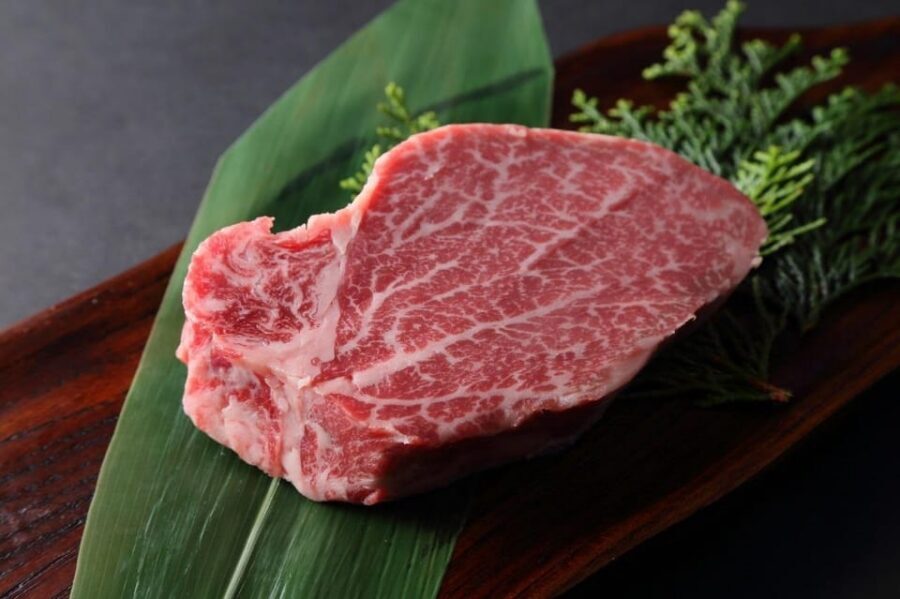
- 80-plus premium cuts to pick from, with flavors that change by cut and background.
- Three themed menu directions (Bloodline, Female Cattle, and feed/environment balance) that make tasting feel logical.
- Full course menus in a tight 2-hour window, so you’ll get variety without a long slog.
- English menu support and staff guidance focused on helping you enjoy each cut the right way.
- Grilled and seared highlights like tongue, karubi (short rib), loin, and seared meat sushi.
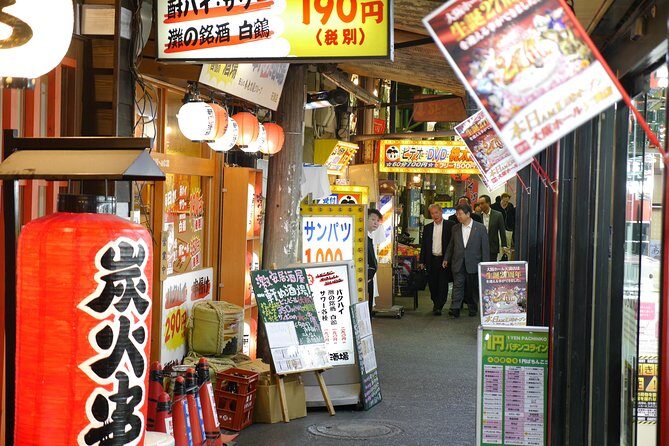
Finding Nikuoroshi Mannoya Bettei in a narrow alley near Higashi-Umeda
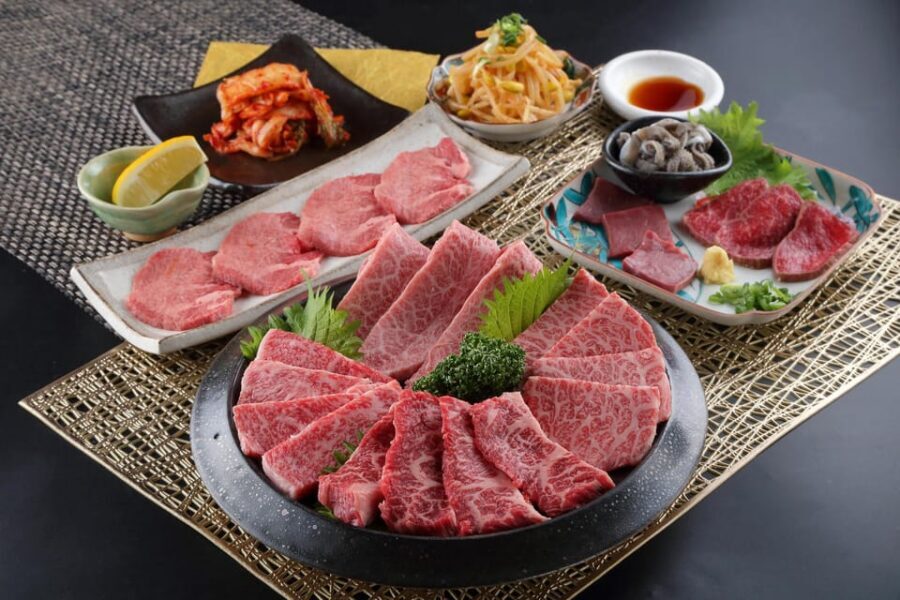
This restaurant is in Osaka Honshu, and the big practical detail is that it’s not on a wide, obvious street corner. You’re looking for a narrow alley entry. In practice, that means you should arrive a little early so you’re not rushing while hunting down the doorway.
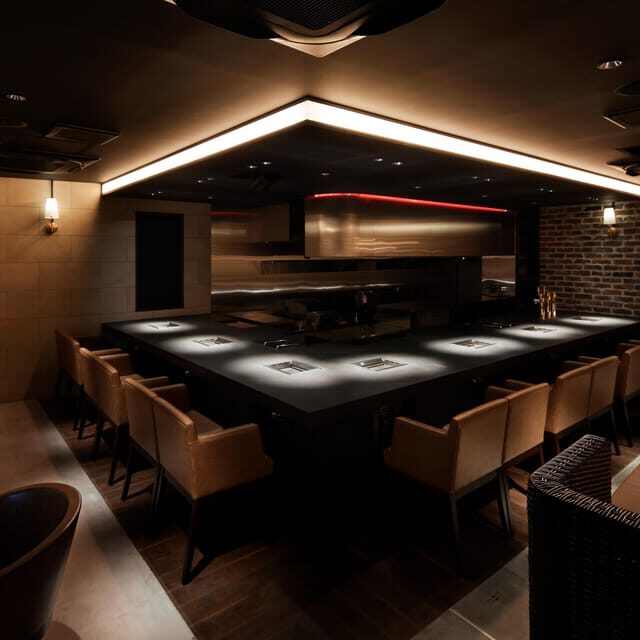
If you’re staying around Higashi-Umeda, that’s useful context. The experience is often described as a modern meat-wholesaler style spot in the area, and the whole vibe matches that: you walk in, get seated, and the focus is instantly on the beef.
Also note the format: this is a reservation-only dining course. There isn’t a separate “thing” to do nearby as a waiting plan. Your time block matters, because your seat is held for up to 2 hours, and seat types can’t be guaranteed.
You can also read our reviews of more tours and experiences in Osaka.



How the 2-hour Osaka Wagyu course actually unfolds
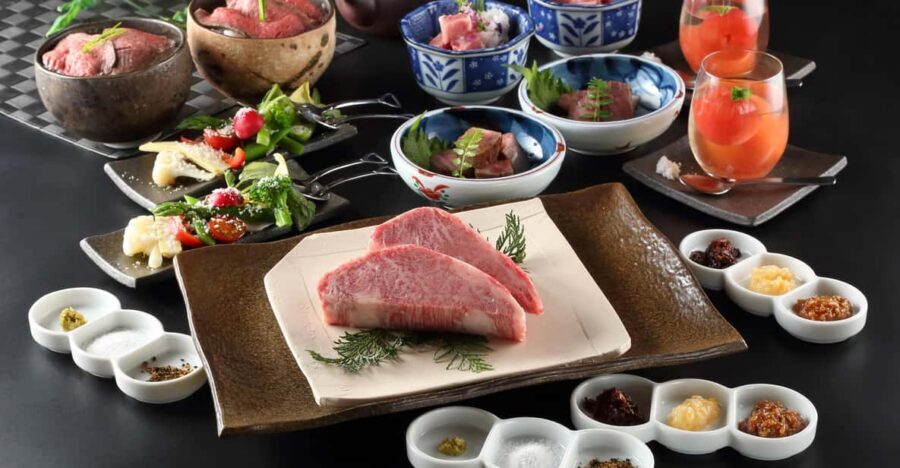
Think of your evening as two parts: (1) choose a course/menu direction, then (2) move through a sequence of cuts served as part of that course.
Step 1: arrive and go straight in
When it’s time for your reservation, you go directly to the restaurant and enter. There isn’t a guide meeting point. The staff handles the flow once you’re inside, but you’re responsible for being on time.
Step 2: choose your leaning
You’ll pick from one of the full course menus. Each menu is built around “premium” versions of specific cuts, with options that can include tongue, lean beef types, karubi (short rib), loin, and seared meat sushi.
Even if you don’t speak much Japanese, the setup is designed for people who want help. One pattern that shows up in the experience: the staff supports diners with English menus and explains how to enjoy the cuts, especially for first-timers.
Step 3: tasting in a planned order
You’re given a course structure, not a free-for-all buffet. That’s a plus because Wagyu is rich, and bouncing randomly between the fattier and leaner items can feel uneven. The course direction helps you pace the experience so you can compare textures and flavor notes without burning out too early.

Step 4: you’ll be finished while you still want more
A 2-hour limit is usually a stressor in Japan. Here it can work in your favor. It pushes the meal to stay focused. You’ll get multiple cuts and styles, then you’ll be done without lingering for hours.
A downside is obvious too: if you’re the type who likes to slow down, savor, and keep switching plates, you might feel a bit time-pressured. This is more “tight and educational” than “long and leisurely.”
The three menu styles: Special Premium Lean, Mannoya Wagyu Platter, Royal Selection
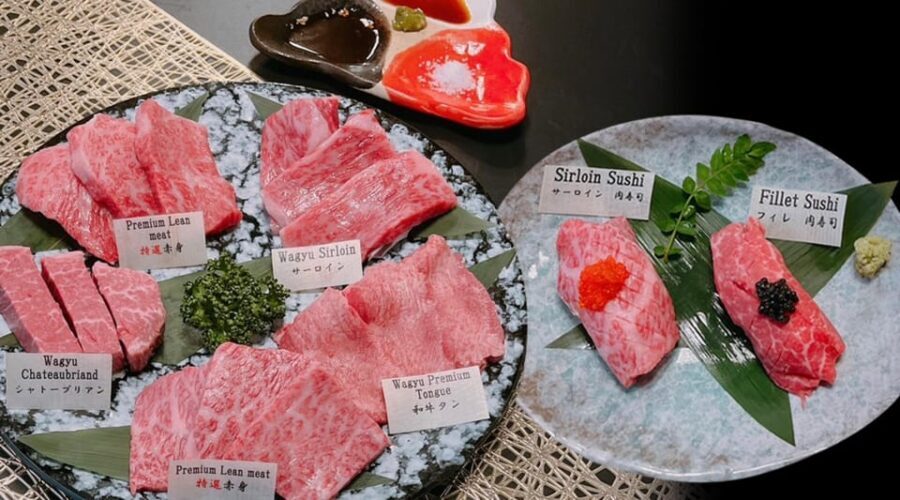
There are three full course menus to choose from. The menu names are doing more than marketing; they tell you the direction of the cuts.
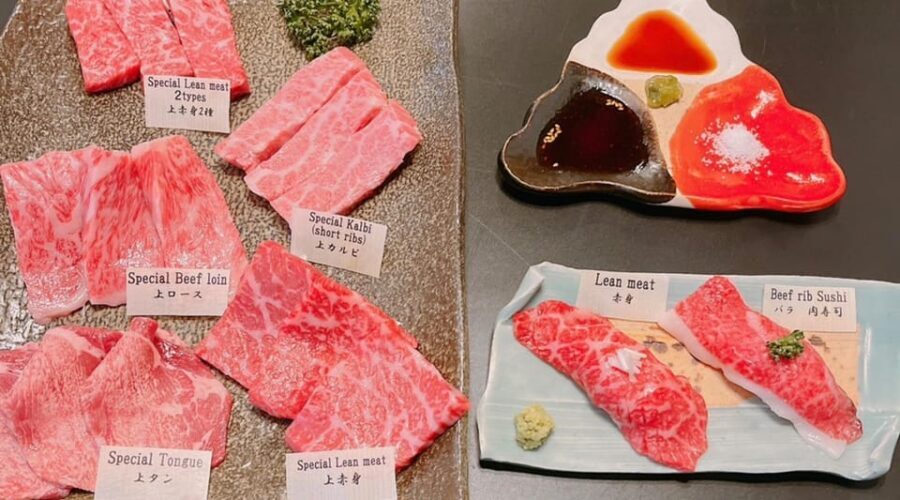
Special Premium Lean Wagyu Selection
This one is a strong pick if you want to experience premium Wagyu while keeping things organized around lean cuts and variety. The menu highlights include:
- Premium tongue
- Premium lean beef (2 types)
- Premium karubi (grilled short rib)
- Premium loin
- Lean beef seared sushi
- Seared karubi (grilled short rib) sushi
Why it’s good: you get tongue and short rib alongside lean selections, plus the sushi-style seared pieces that add texture variety.
Premium Mannoya Wagyu Special Lean Beef Platter
This feels like a “starter premium” course in the lineup, built around lean beef and signature items:
- Premium tongue
- Select lean beef (2 types)
- Select karubi (grilled short rib)
- Select loin
- Lean beef seared sushi
- Seared karubi (grilled short rib) sushi
If you’re trying to keep your spend reasonable while still getting the showpiece cuts, this menu is a practical way to do it.
Royal Selection: Ultra-Premium Wagyu Lean Cut Assortment
This is the big splurge among the courses:
- Wagyu tongue
- Premium lean meat (2 types)
- Premium sirloin
- Chateaubriand
- Sirloin seared meat sushi
- Chateaubriand seared meat sushi
Why it can be worth it: you’re moving toward higher-end steak formats like Chateaubriand, plus sirloin and lean assortments. If you’re celebrating, and you want the meal to feel like a true “special occasion” dinner, this is the menu that signals that.
What the cut categories mean for your plate (Bloodline, Female Cattle, and more)
One of the most interesting parts of this experience is that the beef isn’t just randomly presented. The cuts can be categorized into themes, and the whole point is that the theme influences what you taste.
You’ll commonly see these directions:
- Bloodline: heritage and premium quality linked to lineage.
- Female Cattle: cuts that are positioned for delicate flavors and texture.
- Balance of feed and environment: how nurturing conditions shape taste and quality.
Here’s how this helps you as a diner: when you can connect a cut to a reason, tasting gets clearer. Instead of thinking, Wow, that’s good, you can start noticing patterns—how lean and rich items feel in your mouth, how tongue compares to short rib, and how the seared meat sushi versions change the texture.
This category system also works well for group decisions. If one person wants “the lineage story” and another wants “female cattle cuts,” you can align around themes and still end up with a cohesive course experience.
One realistic caveat: you don’t get to choose every individual cut à la carte from the full list in the info provided here. You’re selecting from the course menu options. The categories still matter, but they show up through what’s included in your course.
The star cuts: tongue, karubi, loin, and seared meat sushi
Let’s talk about the items that make this place memorable, because the menu leans heavily on a few “signature” cuts and formats.
Tongue (multiple course levels)
Tongue is listed across all course options. That usually means it’s treated as a core highlight, not a side dish. It’s also a smart choice for first-time Wagyu diners because tongue tends to be tender and flavorful, and it gives you a different texture than steak.
Karubi (grilled short rib)
Karubi shows up as grilled short rib and also in seared meat sushi format. This matters because karubi is typically associated with strong beef flavor. Pairing it with lean cuts in the same course makes comparisons easier.
Loin and sirloin
Loin and sirloin are classic “measure twice” cuts. They’re often less confusing than the fattier parts, which means you can actually detect differences in seasoning, searing, and how the meat carries richness.
Seared meat sushi (lean beef and karubi)
The seared sushi items are the twist that keeps this from being a plain yakiniku meal. You’re still eating beef, but the format changes how it feels—more bite-sized, more controlled, and usually easier to keep tasting.
For people who worry that a Wagyu meal could become heavy, this format can be a lifesaver. It breaks up the meal into smaller moments.
Price and value: is $66 per person a smart Osaka splurge?
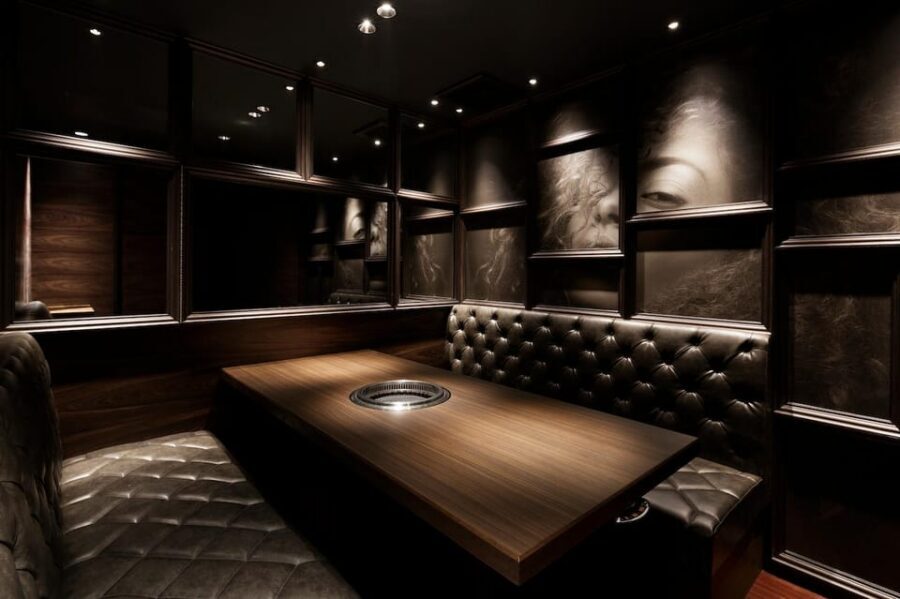
The price is $66 per person, and the duration is 2 hours. Your included basics:
- full course menu
- sales tax
- reservation
Not included:
- drinks
- other personal expenses
Here’s the value logic I’d use. You’re paying for more than meat calories. You’re paying for:
- a structured course (so you don’t waste time or energy guessing)
- access to premium cuts and multiple styles in one sitting
- guidance with English menus and explanations of how to enjoy cuts
If you’ve ever paid for a la carte yakiniku without a plan, it can turn into a guessing game fast. You buy one thing, then scramble for the next. This course solves that by bundling variety into a set menu.
One pricing trap to watch: drinks aren’t included. If you like to pair beer, highballs, or wine with yakiniku, your final bill could rise. Also remember Japan’s legal drinking age is 20 years or older, so plan accordingly if you’re with mixed ages.
Overall, for a planned Wagyu course meal with multiple premium cuts and a 2-hour time box, the value feels straightforward—especially if you’re aiming to make the most of a limited evening in Osaka.
The practical stuff you’ll want to know before you go
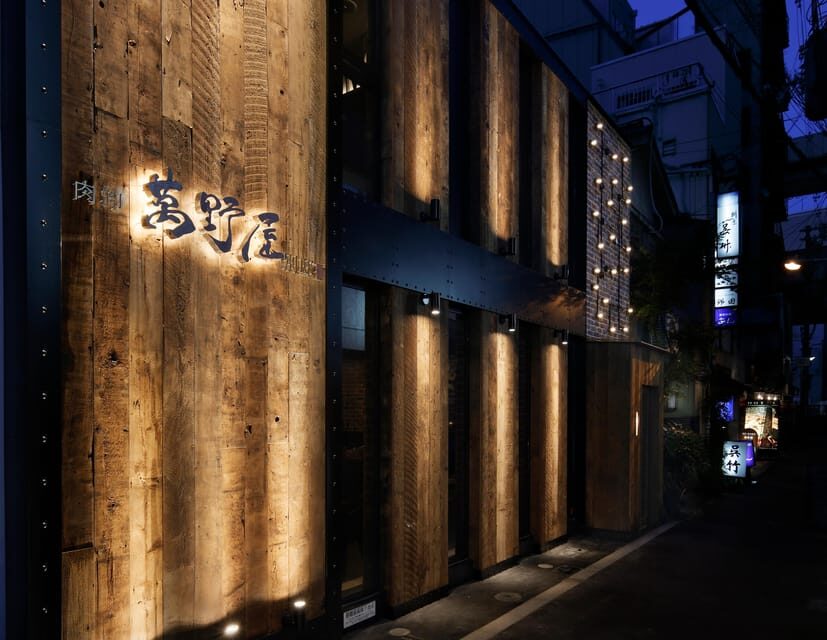
No guide, so prep matters
There’s no guide provided. That’s not a deal-breaker, but it does change your mindset. Go in knowing you’ll be choosing among the course options and eating through the planned sequence.
Seat timing is tight
Your seating is reserved for up to 2 hours, and seat types can’t be guaranteed. If you have mobility needs or specific seating preferences, you may need to communicate clearly during checkout, but the info here does not confirm what can be accommodated.
Children and ordering
Children under 10 are free of charge, while 10 and older must order the regular course. That’s worth knowing when you’re building the budget for a family visit.
Dietary restrictions
If you have dietary restrictions, you can leave a comment during checkout. Do this early, because the dining format is a fixed course.
The drinks question
Since drinks aren’t included, don’t assume a soft drink or tea is bundled. You’ll need to buy them separately at the restaurant.
Should you book this Osaka Wagyu course?
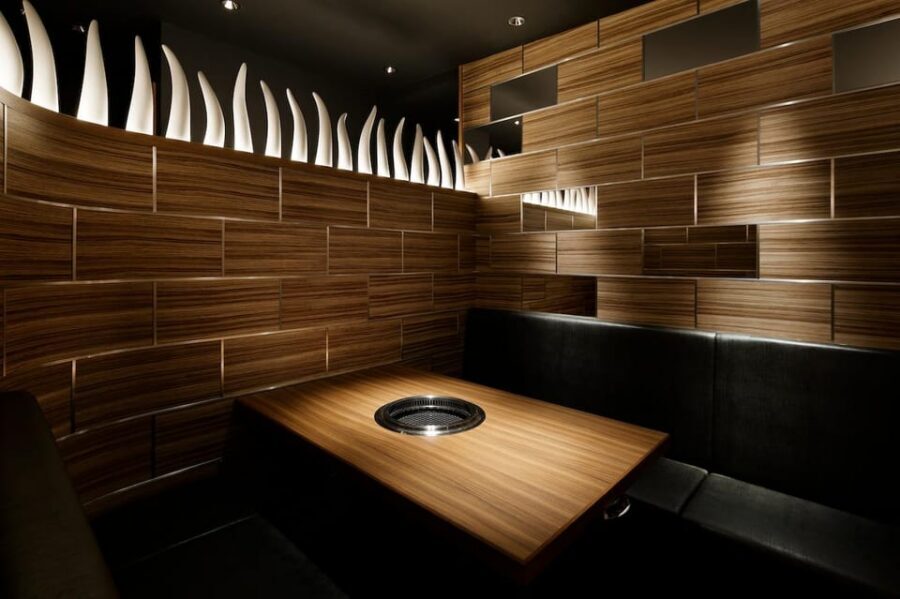
Book it if:
- you want a planned Wagyu experience with multiple premium cuts in a short window
- you like the idea of beef categorized by concepts like Bloodline and Female Cattle
- you’d rather get staff help with English menus than fight a menu on your own
Skip it or think twice if:
- you hate being on a strict 2-hour seating schedule
- you want a totally free-form yakiniku experience where you can order whatever you feel like, whenever you feel like it
- you’re mainly there for drinks, because drinks aren’t included in the course price
If you want an Osaka dinner that feels like a cut-by-cut lesson and not just a meat splurge, this is the kind of reservation that makes your night easy to plan and satisfying to finish.
FAQ
How long is the Wagyu course?
The course runs for 2 hours.
What is included in the $66 per person price?
You get the full course menu, sales tax, and the reservation. Drinks are not included.
Are drinks included?
No. Drinks are not included and you’ll pay for them separately.
Is there a guide with the experience?
No. No guide will be provided, so you’ll be making selections and following the course flow yourself.
Can I choose among different menus?
Yes. You can choose one of three course menus: Special Premium Lean Wagyu Selection, Premium Mannoya Wagyu Special Lean Beef Platter, or Royal Selection: Ultra-Premium Wagyu Lean Cut Assortment.
Are children allowed?
Children under 10 are free of charge. Those 10 years and older are required to order the regular course.
Can I note dietary restrictions?
Yes. If you have dietary restrictions, leave a comment during checkout.
If you want, tell me when you’re visiting Osaka and what other food you’re planning to eat that day (udon, okonomiyaki, kushikatsu, etc.). I can suggest how to pace this Wagyu course so it fits your schedule and your appetite.