REVIEW · OSAKA
Kyoto: Immersive Arashiyama & Fushimi Inari by Private Car
Book on GetYourGuide →Operated by Pinpoint Traveler · Bookable on GetYourGuide
Kyoto can be a full-contact sport. This private day plan turns that chaos into a smooth route, with a private guide and private vehicle. I love the calm, high-design feel of Tenryu-ji and the tea-garden pause at Okochi Sanso with matcha. One thing to note: this is not a ticket-inclusive tour, and there’s a fair amount of walking on temple paths.
The best part is the human touch. Guides like Lito (Angelito), Hugo, and Thomas are described as energetic, funny, and good at keeping the day moving without feeling rushed, plus they help you get great photos. Still, Kyoto traffic can affect timing, so you should stay flexible if conditions shift.
If you’re short on time but want the Kyoto highlights that actually feel different from each other, this is a smart fit. Plan for a full 8–10 hours, wear comfortable shoes, and you’ll be set.
In This Review
- Key reasons this Kyoto day works
- How private transport makes Kyoto feel easier
- Tenryu-ji Temple: the garden that teaches you how to look
- Okochi Sanso: matcha, paths, and that estate-view feeling
- Arashiyama on foot: bamboo time plus real temple context
- Ryōan-ji: a quieter temple stop that balances the crowd energy
- Goin district and a short Gion taste: streets, streams, and atmosphere
- Fushimi Inari Taisha: torii gates and a full guided walk
- Time for lunch and a little shopping
- Price and value: why $236 per person can make sense
- What to wear and how to plan your day
- Who should book this Kyoto private day
- Should you book: my practical verdict
- FAQ
- How long is the Kyoto Arashiyama and Fushimi Inari private car tour?
- What’s included in the price?
- Are entrance fees or meals included?
- Where does pickup happen?
- What if I’m starting from the Osaka port or the Universal Studios area?
- Is the tour suitable for people with mobility impairments?
Key reasons this Kyoto day works
- Private pickup and drop-off: centralized Osaka, Kobe, or Kyoto access so you start without hunting for trains.
- Tenryu-ji garden + temple architecture: Japanese garden design that feels calm, not staged.
- Okochi Sanso matcha break: landscaped paths connecting buildings and views, not just a quick stop.
- Arashiyama bamboo grove time: classic photo moment with guided pacing.
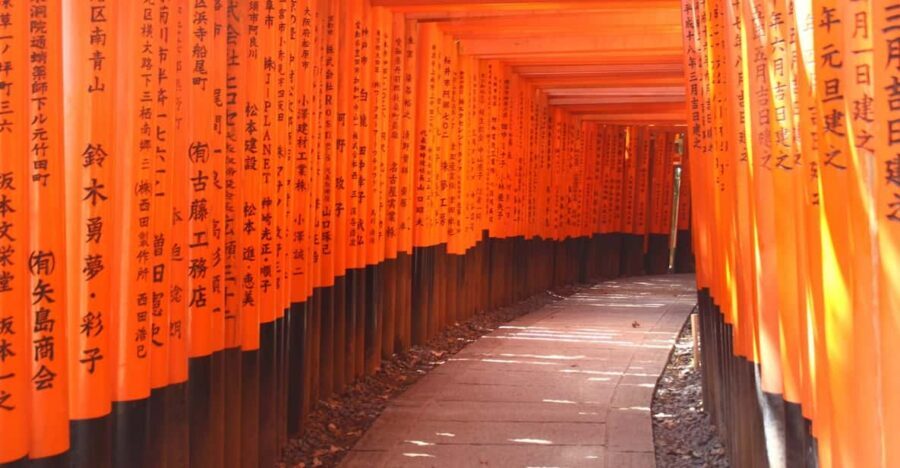
- Fushimi Inari torii walk: the shrine experience many people travel for, handled in a guided, structured way.
- English-speaking guide who adjusts: the plan is a model course, and it can flex to your interests.
How private transport makes Kyoto feel easier
Kyoto is pretty, but it’s also dense. Even on a good day, trains and buses mean transfers, lines, and time lost. With this tour, you start with pickup from central areas of Kyoto, Kobe, or Osaka, then ride in a private vehicle for the whole day. That matters because you’re going from one “world” to another—temple gardens, a bamboo grove, a tea-estate complex, then shrine trails—without breaking your momentum.
You’ll also feel the difference in pacing. A private guide can slow down when you want photos or explanation, and speed up when you’re ready to move. In the reviews, multiple guides were praised for time management and for keeping the day relaxed rather than rushed.
You can also read our reviews of more private tours in Osaka
Tenryu-ji Temple: the garden that teaches you how to look
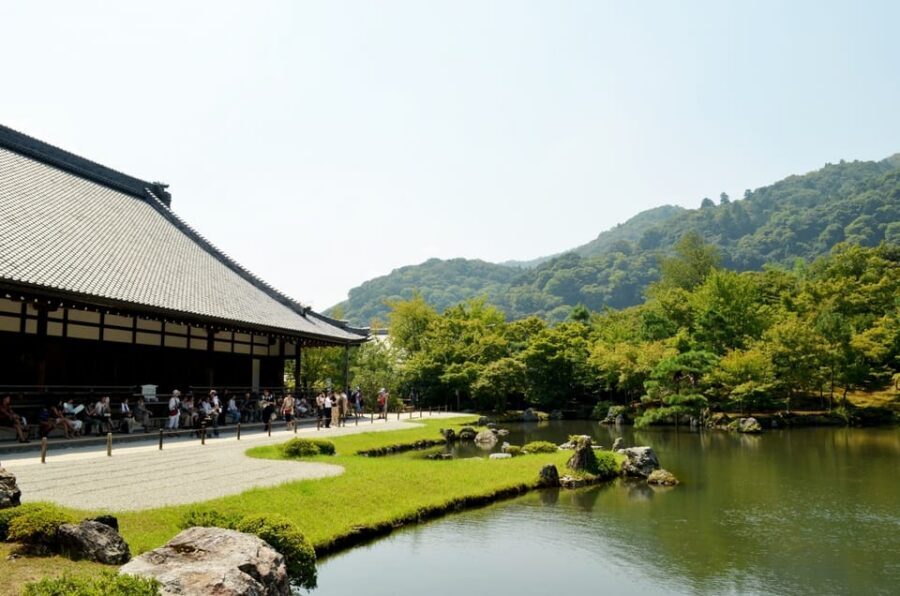
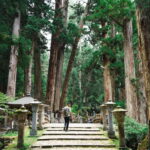
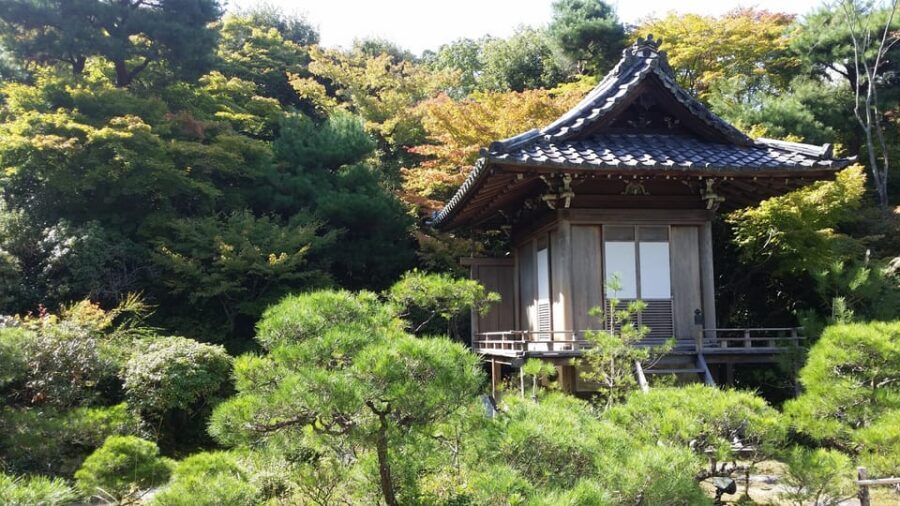
Your day begins at Tenryu-ji Temple, with about 1 hour of guided time. This stop isn’t just a temple checkmark. Tenryu-ji is known for a classic Japanese garden layout around simple-but-majestic temple buildings, so the big value is learning how the garden is meant to be seen.
What I like about this kind of stop (and what I think you’ll like too) is that it changes your attention. You stop scanning for the biggest photo and start noticing structure: the way water, planting, and stone paths guide your eye toward the temple buildings. Even if you’ve never studied Japanese garden design, a guide can point out the logic so it feels less like “look at the rocks” and more like a crafted experience.
Possible drawback: gardens are gorgeous, but they can still be busy. You won’t be able to control crowds entirely, so wear shoes you’re comfortable walking in and be ready for some uneven ground.
Okochi Sanso: matcha, paths, and that estate-view feeling
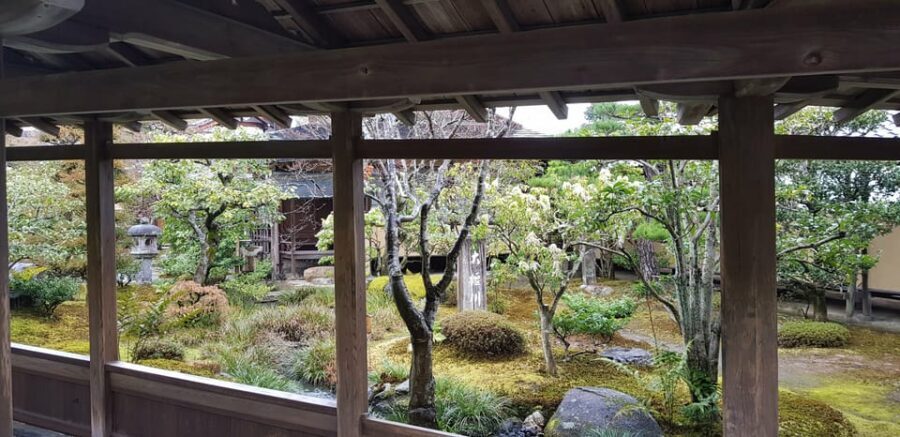
Next comes Okochi Sanso Garden, with a 45-minute guided visit plus time to wander the winding connections between buildings, views, and garden areas. This is the part of the day that turns “temple sightseeing” into something more atmospheric.
You’ll try matcha (Japanese green tea) here. That sounds simple, but it’s a smart break in the middle of a packed itinerary. It gives your body a reset and gives your brain something sensory to anchor the experience to. After you sip, it’s easier to appreciate what you’re seeing—the garden isn’t just scenery; it’s organized space designed for strolling and pauses.
The estate-style layout is also why this stop plays well after Tenryu-ji. Both involve gardens, but the feeling is different: Tenryu-ji emphasizes the timeless temple-garden relationship, while Okochi Sanso feels like curated movement through connected viewpoints.
If you’re the type who likes architecture and gardens, this stop alone can justify part of the cost of a private tour.
Arashiyama on foot: bamboo time plus real temple context
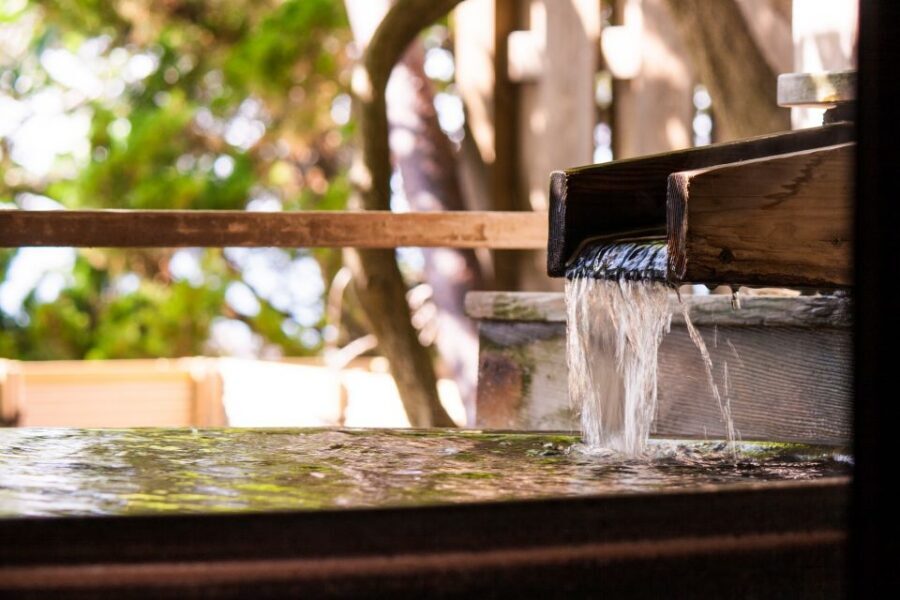
Then you get into Arashiyama, with guided walking time designed to ease you into the area before the famous bamboo photos. You’ll have a stop for sightseeing and walking (about 30 minutes) before heading into the Arashiyama Bamboo Forest (another guided walk time of about 30 minutes).
Here’s the honest expectation: the bamboo grove is photographed everywhere for a reason, but it can be crowded. The private-guide advantage is pacing and guidance—your guide can help you plan where to pause so you get good angles without wasting time, and they can also point out less-obvious corners as you move through the area.
Also, don’t treat Arashiyama like one single attraction. It changes from one micro-area to the next. Part of the value of this tour is that you’re not rushing from bamboo to the next bus stop. You get context through walking and brief guiding so the day feels connected rather than scattered.
Ryōan-ji: a quieter temple stop that balances the crowd energy
After bamboo, the itinerary includes Ryōan-ji Temple with about 45 minutes of guided sightseeing. This stop is a useful counterweight. If the bamboo grove is all motion and camera clicks, Ryōan-ji gives you a slower rhythm.
Even without extra background, you’ll feel the shift. The guided structure helps you focus on what matters in the space—how the temple environment encourages a slower kind of looking. And because you’re doing it after Arashiyama, it works like a mental breather before the day shifts again toward Kyoto’s famous street scenes.
Practical note: temple visits are great, but they require steady footing. Bring shoes that handle stone steps and slightly crowded pathways.
You can also read our reviews of more tours and experiences in Osaka
Goin district and a short Gion taste: streets, streams, and atmosphere
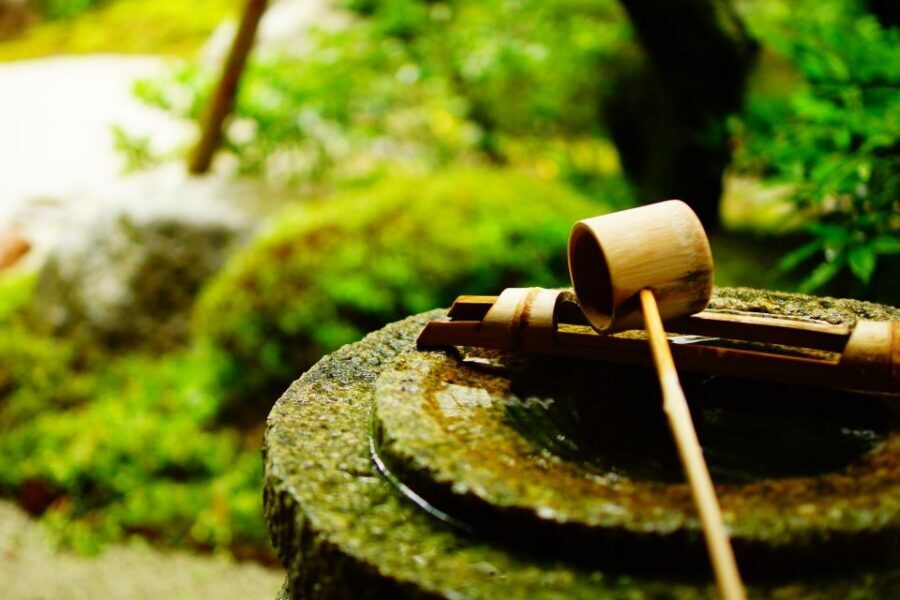
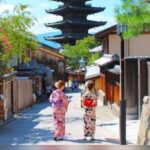
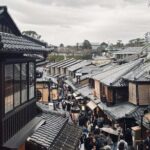
You’ll also spend short guided time around the Goin district (the description emphasizes a gurgling stream and rows of traditional tea house and restaurant-style buildings), and the itinerary includes a brief Gion segment (about 15 minutes).
This isn’t meant to be a full immersion into geisha-era Kyoto with hours of walking. It’s more like a taste that rounds out the day. After gardens and shrines, street atmosphere gives you a different kind of Kyoto texture: everyday lanes, water sounds, and the sense of place that’s harder to capture from a train window.
What you can do here:
- If you like street-level wandering, use this time to step into side streets for a few minutes.
- If you prefer photos, aim for the stream-and-wooden-fronts moments before you head back out.
Possible consideration: because this part is short, it helps to be clear with your guide if you want more time on streets versus another temple detail.
Fushimi Inari Taisha: torii gates and a full guided walk
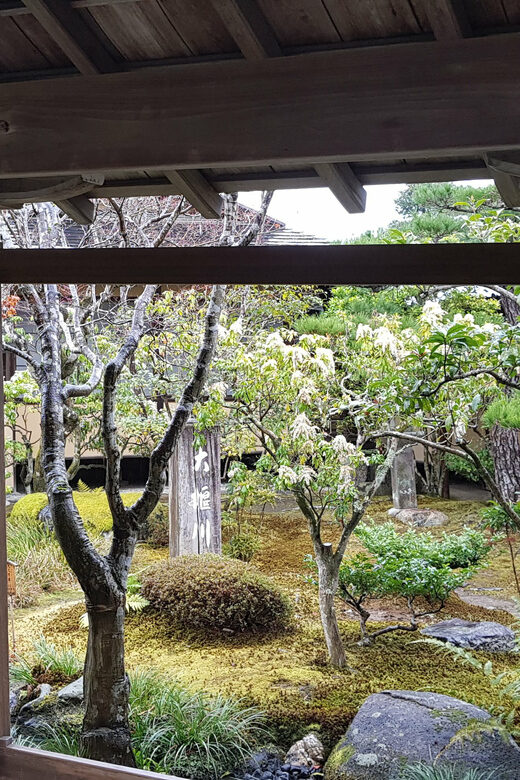
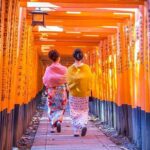
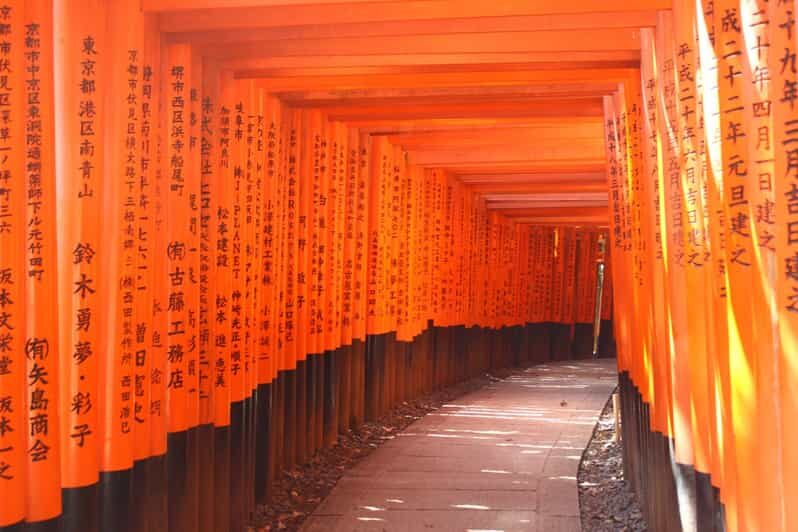
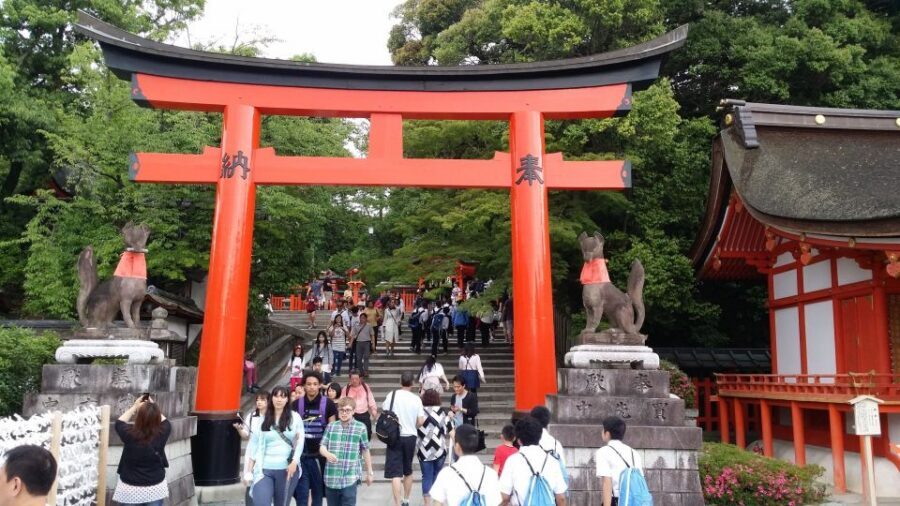
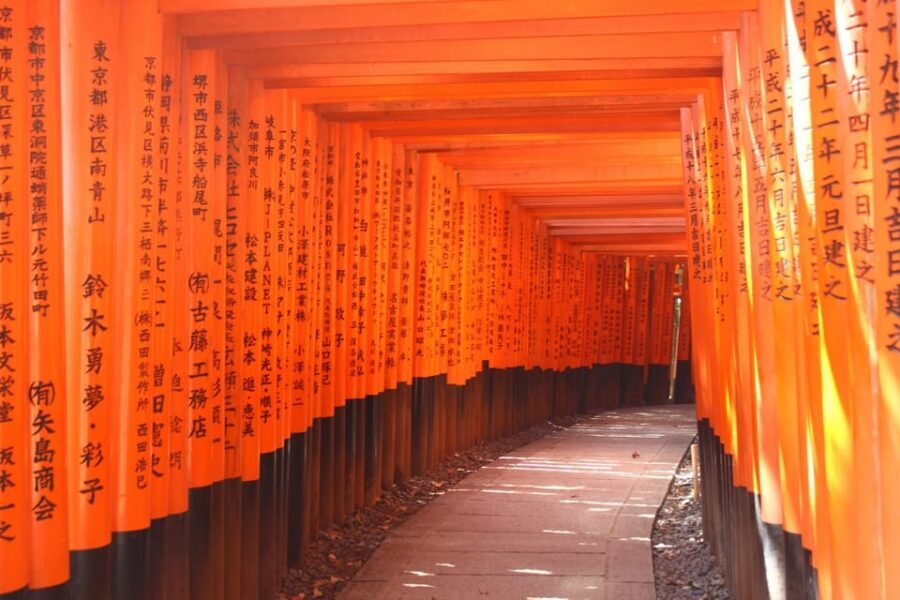
Near the end of the day, you reach Fushimi Inari-taisha, with about 75 minutes for a guided tour, sightseeing, and walking. This is arguably the most famous Shinto shrine complex in the region, and you’ll see its most recognizable feature: the torii gate experience.
What I love about ending here is emotional payoff. Earlier stops set the “Kyoto brain” in motion—gardens, temple design, tea, and walking. Fushimi Inari asks you to switch modes and follow a route of gates. As you walk, it becomes less about one photo and more about the rhythm of the path.
Your guide’s job at a place like this is important. They can help you understand what you’re seeing so you don’t just feel like you’re surrounded by gates but unsure what matters. And since the tour ends with that famous torii-gate view, you’re not left guessing whether you saw the best angle or the right section.
Practical note: this is a walking stop. If your energy is low later in the day, pace yourself and use the guided timing to avoid overdoing it.
Time for lunch and a little shopping
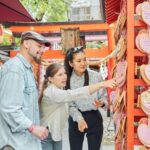
Between major sights, the plan includes free time for lunch and even some shopping if you want it. This is a big deal on a private tour because it prevents the day from turning into nonstop guiding with no chance to recharge.
However, be realistic about timing. You’ll likely need to factor in how quickly you eat and where you want to shop. If you want specific kinds of food or souvenirs, tell your guide during the ride. Private transport makes it easier to adjust on the fly.
One caution: food isn’t included, and entrance fees aren’t included either. That’s not bad value—just know you’ll spend extra for meals and tickets.
Price and value: why $236 per person can make sense
At $236 per person for an 8–10 hour private guided day, you’re paying for three things: time, comfort, and personalization.
Here’s how the value math tends to work out:
- You’re buying convenience: private pickup and drop-off from central zones of Kyoto/Kobe/Osaka plus private vehicle travel. That saves time and reduces the fatigue that comes with Kyoto’s transit switching.
- You’re buying guidance at the “meaning level”: Tenryu-ji’s garden and Fushimi Inari’s torii experience are much easier to enjoy when someone helps you interpret what you’re seeing.
- You’re buying pacing: bamboo grove and shrine paths are photo-heavy. Private timing helps you spend less time waiting and more time enjoying.
The main reason people hesitate is price. That’s fair. If you’re traveling solo on a tight budget, public transport might be cheaper. But if you’re traveling as a couple, family, or small group—and especially if you want fewer hassles and more explanation—this private setup often feels worth it.
Also pay attention to vehicle size: a standard vehicle fits up to 6 guests, and a larger vehicle fits up to 9. That can improve value depending on how many people are in your group.
What to wear and how to plan your day
This tour is built around walking temple paths and shrine routes. Bring comfortable shoes and be ready for uneven ground. You’ll also want water on hand—your tour includes a bottle of water, which helps, but it’s still wise to dress for the day’s weather.
Another practical point: the tour’s plan is a model course, and timing can shift due to traffic conditions or your interests. That flexibility is a plus, but it also means you shouldn’t pack another big commitment right before pickup or right after drop-off.
Finally, note that the tour is not suitable for people with mobility impairments, so if that’s relevant, you’ll want to look for a different format.
Who should book this Kyoto private day
I’d book this if you:
- Want the big-name Kyoto hits—Arashiyama and Fushimi Inari—but without the day turning into transit stress.
- Like gardens, temple design, and places where guidance helps you see what you might otherwise miss.
- Prefer a smaller, private group experience where the guide can adjust.
I would skip it if you:
- Want the lowest possible cost and don’t mind DIY navigation.
- Can’t do long stretches of walking.
Should you book: my practical verdict
If you value comfort, pacing, and explanations—and you’re happy to pay for private convenience—this is a strong choice. Tenryu-ji plus Okochi Sanso plus Arashiyama bamboo plus Fushimi Inari is a smart combo, because each stop has a different feel. The private guide, from Lito (Angelito) to Hugo to Thomas, is a major reason people rate the day so highly, and the day includes built-in flexibility plus a lunch and shopping window.
Book it if you want a Kyoto highlight day that feels planned, not frantic. Hold off if you’re trying to keep expenses ultra-low or if mobility limits are a factor.
FAQ
How long is the Kyoto Arashiyama and Fushimi Inari private car tour?
The duration is listed as 8–10 hours, depending on starting time and conditions.
What’s included in the price?
Pickup and drop-off from central Osaka, Kobe, or Kyoto (depending on your option), transportation by private vehicle, an English-speaking guide, and a bottle of water are included.
Are entrance fees or meals included?
No. Entrance fees and food and drinks not mentioned are not included.
Where does pickup happen?
Pickup options are Kyoto, Kobe, or Osaka, with pickup and drop-off from central locations included based on the option selected.
What if I’m starting from the Osaka port or the Universal Studios area?
If you’re picking up from the port of Osaka or the Universal Studios area, you’ll need an add-on of 6,500 yen per group round trip.
Is the tour suitable for people with mobility impairments?
No. The tour is not suitable for people with mobility impairments.