REVIEW · OSAKA
PRIVATE 6hr, Food tour from Osaka Castle, Kuromon, Dotonbori.
Book on Viator →Operated by Sakura Concierge · Bookable on Viator
Osaka, but in a smarter order. This private 6-hour day strings together Osaka Castle, Kuromon Market bites, and ends at the Glico sign in Dotonbori, with a guide who can tweak things for your pace and preferences. If you like food and photos, you’ll be in good hands with guides such as Taku, Mie, Yuki, or Ken.
I love how much you actually eat: tuna sashimi, Michelin-award takoyaki, wagyu bites, sushi, plus a drink. I also like the human details that make it smoother, like guides adapting tastings for dietary requests and handling practical navigation so you spend less time guessing and more time enjoying the day with names like Taku-san, Mie-san, and Yuki-san.
One consideration is cost and what’s included. The tour price is $155, but Osaka Castle admission is not included, and your transportation costs during the experience aren’t included either.
In This Review
- Key highlights to look for
- How this private 6-hour Osaka day is paced (and why it works)
- Osaka Castle: what you’ll focus on in 2 hours
- Kuromon Market: the food-first stop that actually feels local
- Doguyasuji Shopping Street: knives and kitchen tool culture
- Sennichimae Shopping Street: arcade energy without the scramble
- Hozen-ji Temple and the lantern timing you’ll want
- Dotonbori: end at the lights, then keep eating if you want
- Food and drink inclusions: what $155 buys you in real terms
- Price and logistics: the practical stuff you should plan for
- The guide factor: how names like Taku, Mie, and Ken change the day
- Who this Osaka Castle and food tour is perfect for
- Should you book this Osaka Castle and Kuromon Private Food Tour?
- FAQ
- How long is the private tour?
- Where do we meet and where does the tour end?
- Is hotel pickup included?
- What food and drinks are included?
- Are Osaka Castle tickets included?
- Can the guide accommodate vegetarians or dietary restrictions?
Key highlights to look for
- Tuna sashimi and sushi from market spots you’d skip on your own
- Michelin-award takoyaki (won for three years) as a real Osaka classic
- Japanese kitchen tools and knife culture along Doguyasuji Street
- Hozen-ji Temple with moss and lantern lighting timing later in the day
- Dotonbori payoff: street lights plus the Glico running man sign
- Private pacing with a guide who can adjust for food requests and comfort needs
How this private 6-hour Osaka day is paced (and why it works)
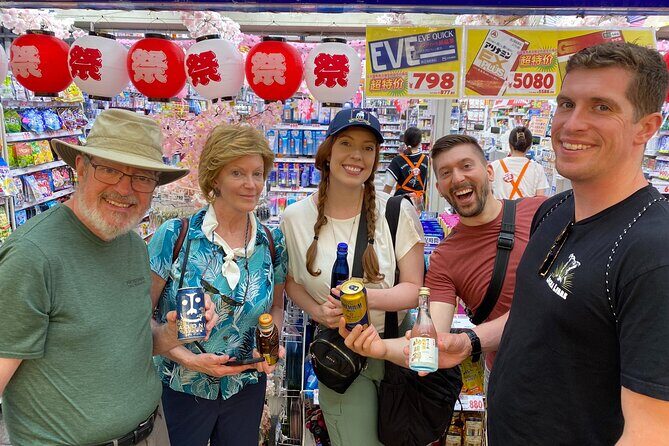
This is a classic Osaka combo: big landmark, then street-food intensity, then shopping arcades and temple stops, finishing with the neon drama of Dotonbori. The trick is the order and the short time at each place. You’re not stuck in one location too long, and you don’t waste time figuring out where to go next.
The tour runs about 6 hours and starts at 9:30 am. It ends right at the Dotonbori action by the Glico sign, so you’re positioned well for dinner afterward. You’ll also get a mobile ticket, and pickup is offered if that’s part of your plan.
Because it’s private, you’re not competing with a crowd for the guide’s attention. That matters most at food stops, where everyone’s tastes and restrictions are different. In the best cases, guides like Taku and Mie handle both the eating plan and the practical navigation so your day doesn’t turn into a series of rushed detours.
You can also read our reviews of more food & drink experiences in Osaka

Osaka Castle: what you’ll focus on in 2 hours
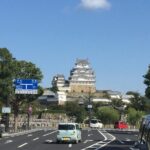
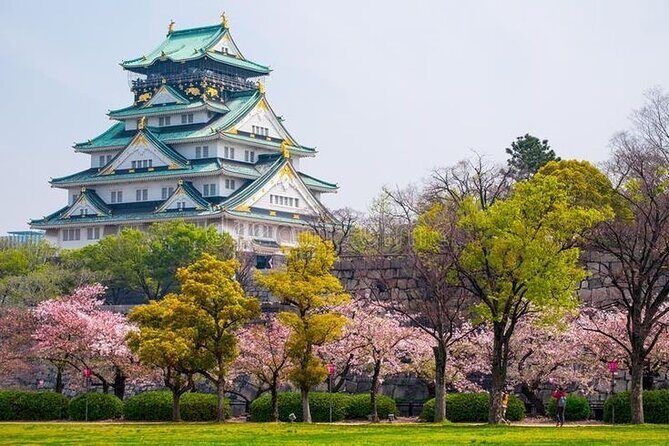
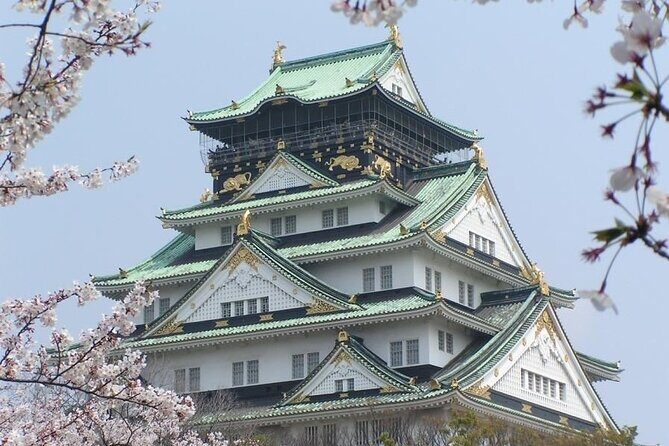
Osaka Castle is the first stop and the main historical anchor of the day. You’ll tour the grounds for about 2 hours, and the focus is on the feudal architecture commissioned by Toyotomi Hideyoshi, plus the stories tied to the samurai era.
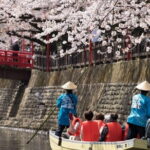
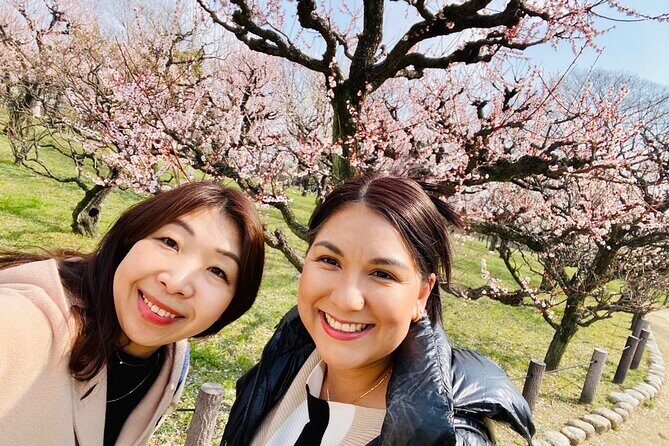
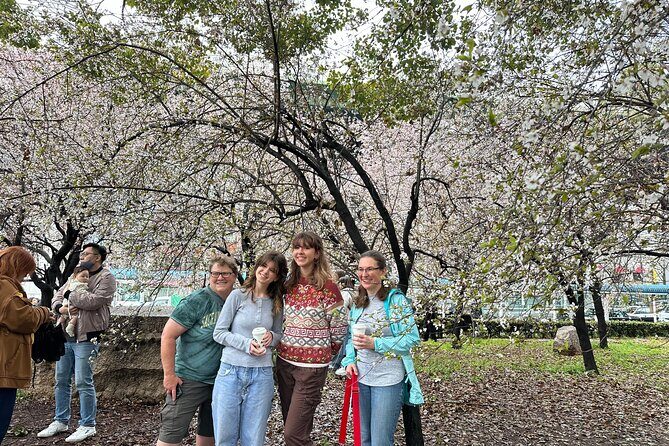
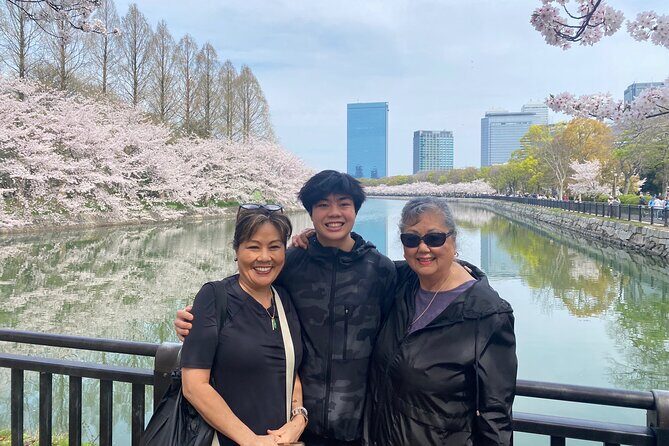
What you should expect from the experience is not just walking paths. A good guide will point out design details, explain why the layout matters, and help you connect the castle to the city around it. One review story included cherry blossoms during the castle visit, which can make the timing feel extra special.
Admissions are not included for the castle. That’s a small-but-important detail. If you want to go inside every area, factor that ticket cost into your total budget. Also, if you’ve already seen a top-tier castle elsewhere in Japan, you might choose to spend your time on the grounds and photo stops instead.
Kuromon Market: the food-first stop that actually feels local
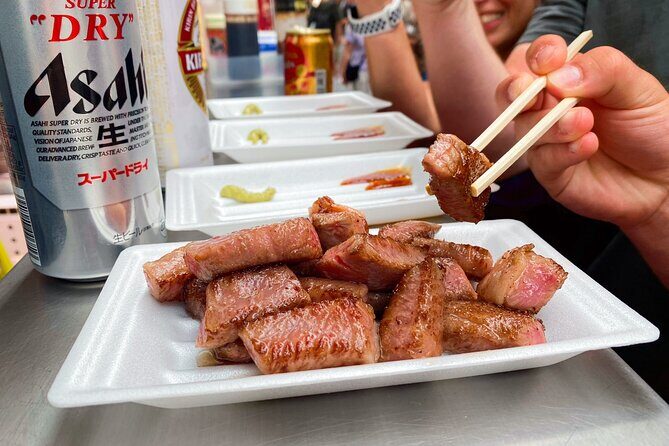
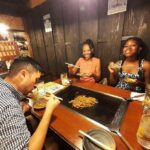
Kuromon Market is where this tour earns its keep. You’ll spend about 1 hour 30 minutes walking the market and sampling food from curated local vendors. The marketplace vibe is simple: lots of stalls, lots of people, and food that looks like it was made five minutes ago because it was.
Your included tastings are a strong lineup:
- Tuna sashimi from a store specializing in tuna
- Takoyaki (octopus balls), noted for winning Michelin awards for three years
- Wagyu beef bites
- Sushi
Even if you’re not a hardcore foodie, these are the kinds of hits that make Osaka feel like Osaka. And because you’re with a guide, you’re not standing there trying to translate menus while the best items sell out.
One practical tip: eat slowly during the early tastings, even if you’re excited. Kuromon can be a sensory overload—smells, sounds, crowds—and it’s easy to over-sprint. Pace yourself and you’ll enjoy more flavors.
Doguyasuji Shopping Street: knives and kitchen tool culture
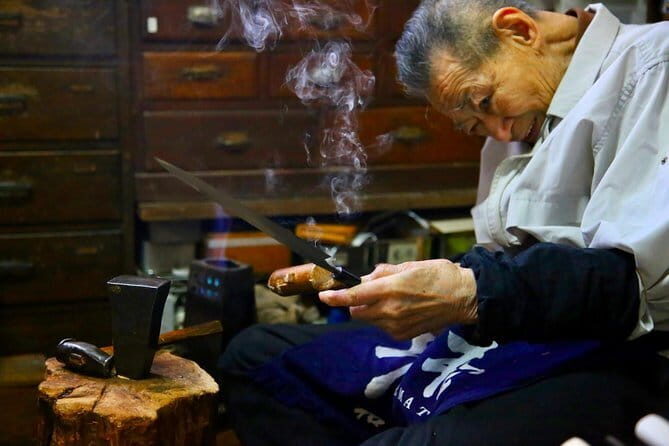
After the big eating stop, the tour shifts gears to the tools that power Japanese cooking. This is the Sennichimae Doguyasuji Shopping Street area, nicknamed as the kitchen of the nation, where you’ll see professional-grade kitchen implements and learn about Japanese knives.
You won’t just pass by shops. You’ll get context—what the tools are for, why the craft matters, and how this part of Osaka supports chefs and home cooks alike. If you cook, this is one of the most meaningful shopping streets on the day. If you don’t cook, it’s still interesting because it explains why Osaka’s food culture runs deep.
This stop is short, around 30 minutes, so set expectations: think browsing and learning, not shopping for an entire new kitchen. If you do want to buy something to take home, ask your guide for a quick route to the right type of shop first.
Sennichimae Shopping Street: arcade energy without the scramble
Next is Sennichimae Shopping Street, the arcade stretch connecting toward Dotonbori. It’s casual, practical, and full of everyday eats. You’ll spend about 20 minutes here, which is enough time to feel the street life and grab a quick extra if you want.
This part of the day works best as a reset. After walking a market with heavy food smells, moving through the arcade gives you a breather while still keeping Osaka momentum. And because you’re on a private schedule, you can choose whether to linger or move on quickly.
If you’re the kind of person who likes photos, tell your guide. Some guides have a knack for choosing photo spots that are easier than the usual crowd magnets.
You can also read our reviews of more tours and experiences in Osaka

Hozen-ji Temple and the lantern timing you’ll want
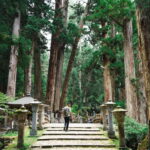
Hozen-ji Temple is covered in moss and anchored by stone statues. The idea here is atmosphere: a short visit that feels quieter after food and shopping.
You’ll spend about 20 minutes, and the timing is designed so you can catch lantern lighting at Hozen-ji when the glow comes in the evening. Your exact timing depends on the day’s schedule, but the tour is structured so this temple moment doesn’t feel random.
This stop is also a nice contrast for anyone who tends to only connect Osaka with food and neon. A mossy stone temple makes the city feel older and calmer—like you’ve hit a different dial without losing the day’s flow.
Dotonbori: end at the lights, then keep eating if you want
The tour wraps up at Dotonbori with a visit near the famous Glico running man sign. You get about 20 minutes here, which is enough to see the lights, street scenes, and the photo opportunities that make people plan their Osaka evenings.
This is the part where you can decide what’s next. The tour ends at Glico Sign Dotonbori, so if you want to keep the food parade going, you’re already dropped into the best maze for it. If you’d rather go sit and plan dessert later, you’re close to lots of options.
One more thing: if you’re sensitive to crowds, this is the stop that can feel most intense. It’s not a problem, just choose your pace.
Food and drink inclusions: what $155 buys you in real terms
Let’s talk value. The price is $155 per person, and this tour includes multiple prepared-food tastings plus at least one sit-down-style element depending on the vendor. Included items are:
- Tuna sashimi
- Takoyaki (Michelin award note for three years)
- Wagyu beef bites
- Sushi
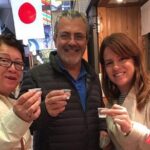
- 1 drink (alcoholic or non-alcoholic)
- Additional food/drinks are available to purchase
That’s a lot of “high decision fatigue” food choices removed for you. Without a guide, you’d likely spend time comparing shops, waiting in the wrong lines, and accidentally ordering the tourist version of something. With a guide, you get a set path and a sensible spread of flavors.
Also, you’re paying for private guidance. That means you’re not sharing your guide’s time with strangers, and you can adapt on the fly. Reviews point to guides like Taku and Yuki handling dietary restrictions well, including vegetarian requests, and adjusting the food plan rather than just handing you a sad substitute.
The castle admission and transportation costs are not included. So the real total cost depends on how much you pay for castle entry and what you spend getting around. Still, if you’d rather avoid the guesswork and eat multiple “Osaka must-tries” in one organized afternoon, this pricing can feel fair.
Price and logistics: the practical stuff you should plan for
Your meeting point is Morinomiya Station (Osaka), with the tour starting at 9:30 am and ending at the Glico Sign Dotonbori area. Pickup is offered, but the tour also has a defined meet location, so confirm how you’ll be collected for your specific date.
Two big cost notes:
- Transportation during the experience is not included.
- Osaka Castle tickets are not included.
That means you should budget for local transit between stops, plus the castle admission if you plan to enter. The upside is the route is compact and keeps you moving, so you’re not riding around Osaka for hours.
Weather matters. The experience requires good weather, so if conditions are bad, you’ll be offered a different date or a full refund.
The guide factor: how names like Taku, Mie, and Ken change the day
The biggest difference between a good tour and a great one is the guide’s style. Here, the pattern in the guidance is clear: clear communication, food accuracy, and practical help.
I saw repeated examples of guides going beyond the script:
- Taku was noted for attention and for being flexible with an itinerary, including helping guests who had already visited another major castle.
- Mie is mentioned for adapting food to dietary restrictions and for helping people navigate Osaka quickly, including subway basics for first-time riders.
- Ken focused on smart choices and pointing out details you’d miss if you were just wandering, plus he sometimes adds an extra early stop like a long-running local coffee shop near the first segment.
- Yuki and Yoko were praised for lively, organized pacing through market samples and major sights.
If you have accessibility needs, it’s worth mentioning upfront. One review mentioned handicap access support, including helping someone reach floors without relying on stairs. That’s the kind of detail that can make a tour genuinely smooth rather than merely possible.
If you care about photos, tell the guide. Some guides aim you toward photo spots away from the densest crowd points.
Who this Osaka Castle and food tour is perfect for
This tour is best when you want three things at once:
- A landmark moment at Osaka Castle without spending the whole day there
- Serious food sampling at Kuromon with guidance on what to eat
- A finishing hit at Dotonbori so your evening starts already in motion
It also fits well for people who:
- don’t want to plan a route through markets, shopping streets, and temples
- want help with dietary restrictions (the tour aims to accommodate vegetarians as much as possible)
- like buying a few purposeful souvenirs, especially along the kitchen tool/knife corridor
If you want an all-day, lecture-style history marathon, this may feel shorter than you expect. One piece of feedback mentioned wanting more in-depth background. This tour is more about efficient sightseeing plus eating, so manage your expectations accordingly.
Should you book this Osaka Castle and Kuromon Private Food Tour?
Book it if you want a structured Osaka day where the food hits are included, the route makes sense, and the guide can adjust for your needs. The value is strongest when you’ll eat the included lineup (tuna sashimi, Michelin-mentioned takoyaki, wagyu bites, sushi) and you appreciate private pacing.
Skip it or reconsider if you’re mostly there for deep historical storytelling and you dislike paying for a guide when you’d rather read and wander solo. Also factor in that castle admission and transit costs aren’t included, so your true spend is a bit higher than the sticker price.
If your goal is an Osaka highlight day with fewer decisions and more good bites, this one is a solid bet.
FAQ
How long is the private tour?
The tour is about 6 hours.
Where do we meet and where does the tour end?
You meet at Morinomiya Station in Osaka, and the tour ends at the Glico Sign Dotonbori area.
Is hotel pickup included?
Pickup is offered. The tour also lists a specific meeting point, so you should confirm how pickup will work for your date.
What food and drinks are included?
Included tastings include tuna sashimi, takoyaki, wagyu beef bites, sushi, and 1 drink (alcoholic or non-alcoholic). Additional food and drinks are available for purchase.
Are Osaka Castle tickets included?
No. Osaka Castle admission tickets are not included.
Can the guide accommodate vegetarians or dietary restrictions?
The tour is designed to accommodate vegetarians as much as possible, and you can share restrictions in advance so the guide can plan tastings.