REVIEW · OSAKA
Osaka: Ninja Experience Cafe in Dotonbori
Book on GetYourGuide →Operated by Jerry Inc. · Bookable on GetYourGuide
Osaka turns into an action movie for 90 minutes or so here, with an indoor ninja makeover and hands-on weapon training. I like that you don’t just put on a costume for photos—you learn the basics from instructors in Japanese and English, then get to practice with the classic tools.
My other big draw is the small-group feel (up to 10 people). You get guidance step by step, plus staff help you capture photos and video moments. The one drawback to keep in mind: the cafe is on the 4th floor and there’s no elevator, so plan around stairs (and avoid skirts since you’ll need to change).
In This Review
- Key things to know before you go
- From Dotonbori to a 4th-Floor Ninja Classroom
- Costume and Gear: What You’ll Wear and How to Prep
- Training With Shuriken, Blowgun, and Katana
- Shuriken (throwing stars)
- Blowgun
- Katana (sword)
- The Ninja Culture Bits: More Than Just Props
- Where the Photos Work (And How Staff Help)
- Watching Without Training: Cafe Time Still Counts
- Indoor Timing: How to Plan Your Osaka Hour
- Group Size and Instructor Attention (Up to 10 People)
- Who This Experience Fits Best
- Price and Value: Is $45 Worth It?
- Quick Planning Notes (So You Don’t Trip on Details)
- Should You Book the Osaka Ninja Experience Cafe?
- FAQ
- How long is the ninja experience in Osaka?
- What weapons will I train with?
- Do I get a ninja costume?
- Can I take photos even if I’m not training?
- Do I have to train to attend?
- Is the activity indoors?
- Where do I go for the meeting point?
- Are there accessibility concerns?
- What languages do the instructors speak?
- Is it suitable for very young children?
- Do I get a free cancellation option?
- Can I book and pay later?
Key things to know before you go
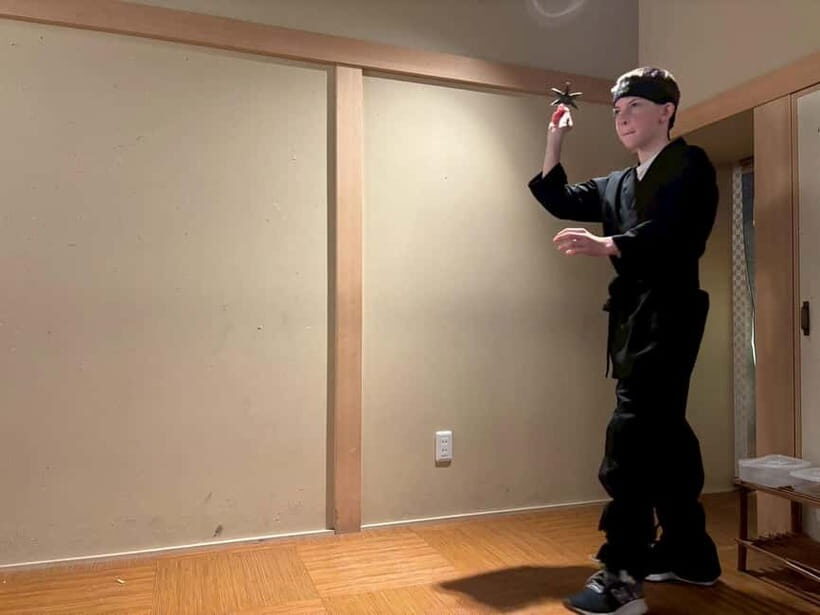
- Costume first, then training: You’ll suit up, then jump straight into coached practice.
- Three signature weapons: Expect instruction with shuriken, blowgun, and katana.
- Photo-friendly layout: You can take pictures anywhere in the cafe, not just in one spot.
- Indoor experience: It works in rain, heat, or cold.
- Small group, limited to 10: More attention, less waiting around.
- 4th floor meeting point: Go up the stairs to find the sign at the stair entrance.
From Dotonbori to a 4th-Floor Ninja Classroom
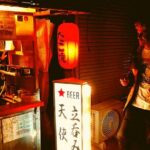
Dotonbori is all street lights and motion, but this experience is built for control and safety. You’ll meet at the cafe on the 4th floor of its building. The sign is placed on the entrance to the stairs, so don’t miss that step.
A practical heads-up: the building does not have an elevator. If you’re bringing a stroller, plan to carry it up manually. It’s not a deal-breaker, but it can change your day—especially if you’re combining it with other Dotonbori walking.
The experience runs 1–2 hours, and you’ll check available starting times when you book. That time window matters because you can fit it between sightseeing blocks without feeling rushed.
You can also read our reviews of more tours and experiences in Osaka.


Costume and Gear: What You’ll Wear and How to Prep
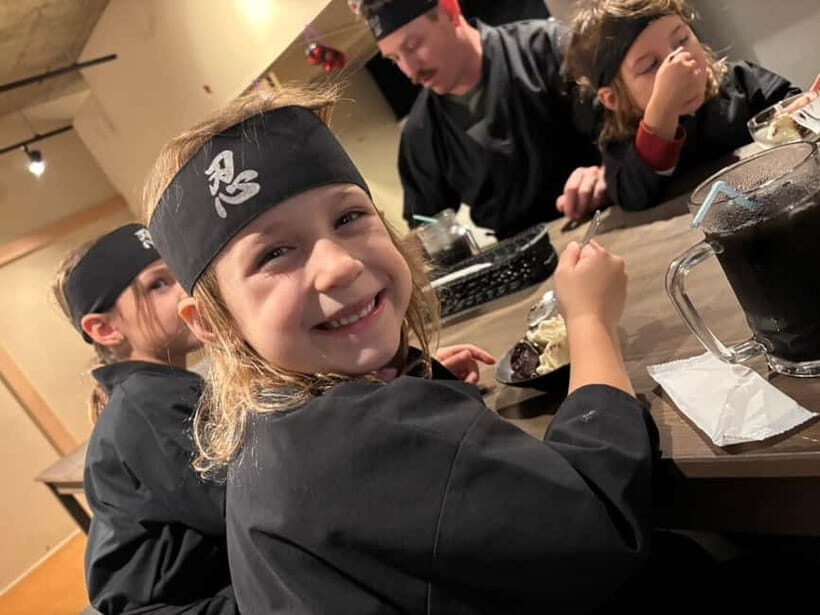
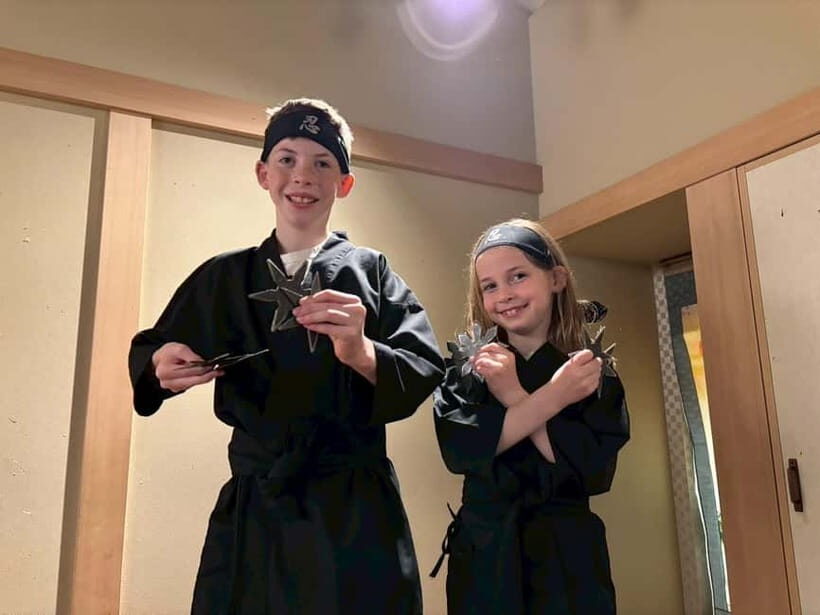
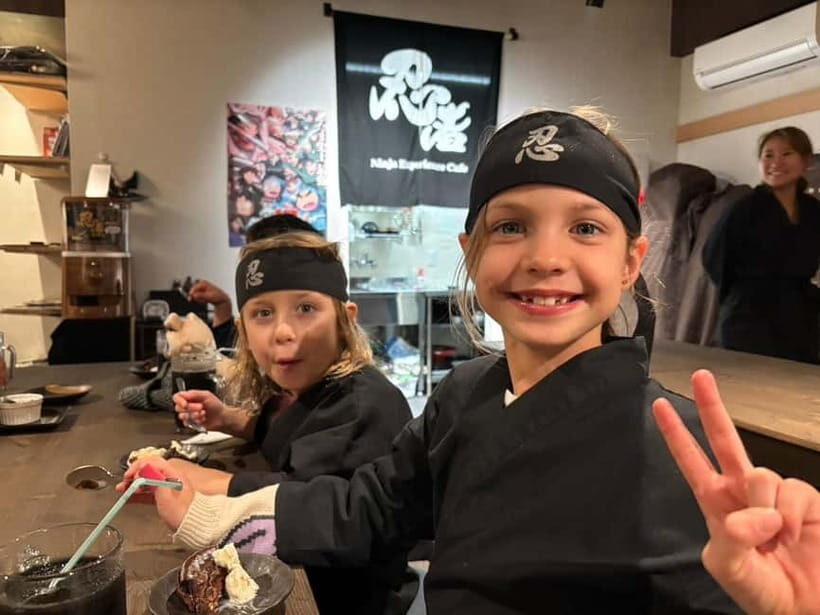
The “ninja experience” starts before any weapon ever gets picked up. You’ll transform into a ninja with a costume and gear rental. Staff walk you through the process, but you’ll still want to show up ready to move and change.
Two prep tips make a big difference:
- Try to avoid wearing skirts if possible. You’ll need to change into the outfit, and skirts can be awkward with quick costume swaps.
- Dress for comfort. You’ll be standing and practicing, so wear something that doesn’t restrict your movement.
This part is more than a gimmick. A good costume does something psychological: it gets you into the role quickly, which makes the training feel less like a demo and more like a real session.
Training With Shuriken, Blowgun, and Katana
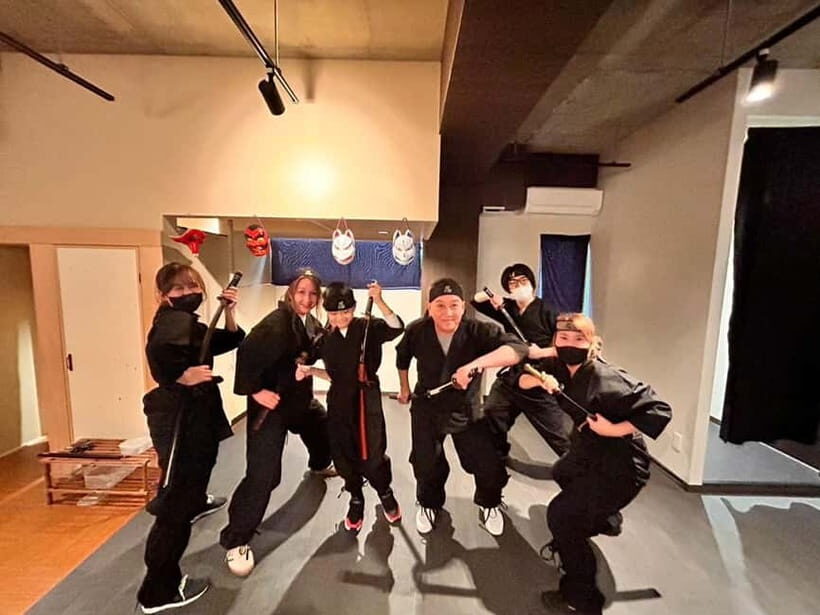
Now comes the main event: coached practice with three iconic weapons—shuriken, blowgun, and katana. The flow is simple and beginner-friendly: instructors guide you step by step so it’s safe and fun even for kids.
Shuriken (throwing stars)
This is where most people feel the most dramatic. You get instruction on how to handle and aim, and the session gives you a chance to feel like you’re throwing a secret weapon instead of just posing. Don’t expect to walk out a master—but you will walk out with noticeably better technique than when you arrived.
Blowgun
If you want something different from the usual “throwing star” fantasy, the blowgun adds variety. Expect guided practice with the basics of aiming and control. It’s also a nice contrast to the katana, because it emphasizes focus and steadiness rather than big movement.


Katana (sword)
The katana part turns the tone from target practice into movement and discipline. Instructors focus on safe handling and correct form. You’ll also hear explanations tied to ninja culture, including comparisons between samurai and ninja sword ideas, which helps you understand the vibe rather than treating the weapons like props.
Safety is part of why this works as a tourist activity. You’re learning an art-like routine with guidance, not guessing at what to do.
The Ninja Culture Bits: More Than Just Props
This isn’t only about using weapons. The session also includes cultural context that makes the whole thing feel grounded. You’ll cover ninja themes and concepts, including the difference between samurai and ninja sword perspectives.
In the same category, some sessions include extra time that adds texture—things like a ninja secret room and even climbing rope practice. Those details aren’t what you’d call “weapon instruction,” but they help the experience feel like a mini story world, not a one-instructor lesson with a few costume photos at the end.
For you, that means you don’t have to be “into ninjas” already. You’ll leave understanding what people mean when they talk about ninja vs. samurai, at least in a fun, approachable way.
Where the Photos Work (And How Staff Help)
You can take photos anywhere in the cafe. That matters more than it sounds. Some activities trap you in one set area for pictures. Here, you can move around and capture different looks—costume, gear, instructors, and your “in-action” moments after training.
The staff are also there to help you get better shots. They can help you capture your best photo and video moments, which is great if you’re traveling with friends and you all want pictures but nobody wants to be stuck filming the entire time.
My photo tip: don’t just shoot while you’re holding a weapon. Ask for one clean costume portrait first, then get action shots during or right after training. That way you’ll have a mix—one for your feed, and one that actually shows what you did.
Watching Without Training: Cafe Time Still Counts
Not everyone has to jump into weapon practice. If you don’t participate in training, you can observe and take photos while others do the class.
To keep things fair, non-participants aren’t included for free the same way: you’ll need to order one drink at the cafe. That’s a reasonable rule, and it also makes waiting less awkward. You’re not just standing around—you can hang out in the ninja-themed cafe setting with food and drinks.
This option is especially useful for mixed groups: one parent taking photos, older kids training while younger kids keep company, or friends who want to split up roles.
Indoor Timing: How to Plan Your Osaka Hour
Because the whole experience is indoors, it’s one of the easiest activities to schedule in Osaka. You don’t need a perfect weather day. If you’ve got a travel day with unpredictable rain or a hot afternoon, this is a good way to keep momentum.
The duration is 1–2 hours. That range is helpful: you can treat it as a short “main event” rather than a whole afternoon commitment. If you’re also planning Dotonbori walking, I’d aim to book it before you get too deep into the evening crowds—mainly so you can stay focused on training instead of rushing between stops.
Group Size and Instructor Attention (Up to 10 People)
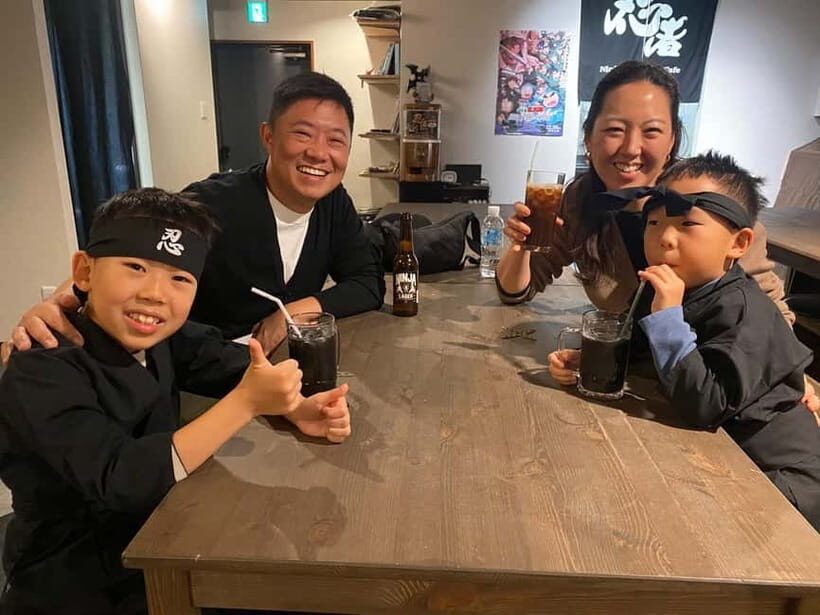
The group is limited to 10 participants, which is exactly the size that tends to feel personal without turning into a private lesson that costs a lot more. In practice, this means:
- You spend less time waiting your turn.
- Instructors can correct form and keep everyone moving.
- Kids and first-timers are less likely to feel lost.
The instructor team works in Japanese and English, which is a big deal for people who worry about language barriers. You’ll be able to follow directions, ask quick questions if something is unclear, and generally understand what you’re doing.
Who This Experience Fits Best
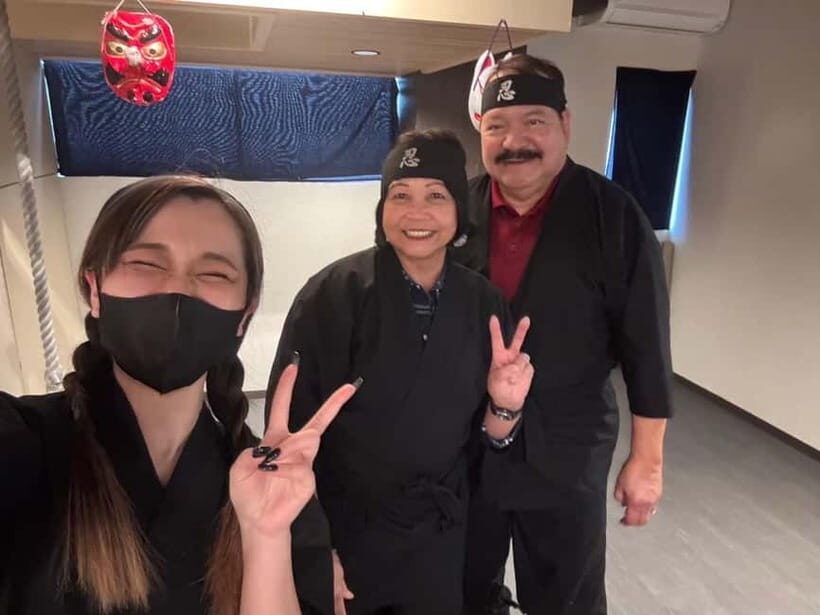
This is one of those activities that works across ages, as long as you meet the age rule. It’s not suitable for children under 3.
Here’s who I think will enjoy it most:
- Families with kids who want an activity that’s active, not just sitting in a museum.
- Teens who like photo opportunities and “try it yourself” challenges.
- Adults who want a fun cultural flavor, even if you’re not a serious martial arts person.
- Groups with mixed interests, since non-training companions can still watch and enjoy the cafe.
If you’re the type who likes practical travel experiences—short, guided, and built around doing something—this fits well.
Price and Value: Is $45 Worth It?
At $45 per person for 1–2 hours, you’re paying for three things at once: the costume rental, structured instructor-led weapon practice, and the photo-friendly cafe environment.
Compared to many “theme photo” activities, the value here improves because the training is the centerpiece. You’re not just dressing up; you’re coached through weapon basics with actual gear: shuriken, blowgun, and katana. That’s why the time feels full.
Also, the small group size (up to 10) adds practical value. It’s easier to get attention and feedback when you’re not swallowed by a big crowd.
If you hate hands-on activities or you’re looking for quiet sightseeing only, the price may feel less justified. But if you want an “I did this” memory from Osaka—not just a photo—this is a strong use of your time.
Quick Planning Notes (So You Don’t Trip on Details)
A few things that will save you time once you’re there:
- Plan for stairs: 4th floor, no elevator.
- Avoid skirts if you can. Changing outfits is part of the process.
- Wear comfortable clothes since you’ll practice.
- Expect guidance in Japanese and English.
- If you or someone in your group won’t train, budget for ordering one drink.
Those are small notes, but they prevent the common “we didn’t think about that” problems.
Should You Book the Osaka Ninja Experience Cafe?
If you want a fun, indoor Osaka activity where you actively do something—dress up, train with classic ninja weapons, and leave with photos that match the real action—this is a great bet. The small group and instructor guidance make it work for first-timers, and the blend of culture plus practical practice keeps it from feeling like a one-note gimmick.
I’d especially book it if:
- You’re visiting with kids and want an activity that keeps energy high.
- You like hands-on experiences more than passive tours.
- You want a Dotonbori night plan that’s different from street food and shopping.
If your priority is quiet history or you’d rather not change outfits or try basic weapon practice, you might prefer something more observational. But for most people, this is one of the most straightforward “do it now” experiences in the area.
FAQ
How long is the ninja experience in Osaka?
It lasts about 1–2 hours. You can check available starting times when you book.
What weapons will I train with?
You’ll train with three ninja weapons: shuriken (throwing stars), blowgun, and katana (sword).
Do I get a ninja costume?
Yes. Ninja costume rental is included.
Can I take photos even if I’m not training?
Yes. You can take photos anywhere in the cafe, and non-participants can observe.
Do I have to train to attend?
No, but if you’re not joining the training, you’ll need to order one drink at the cafe.
Is the activity indoors?
Yes. It’s an indoor experience, which makes it a good choice for any weather.
Where do I go for the meeting point?
The cafe is on the 4th floor. The sign is at the entrance to the stairs, so go up the stairs to reach the 4th floor.
Are there accessibility concerns?
The building doesn’t have an elevator. Strollers must be carried into the cafe manually.
What languages do the instructors speak?
The instruction is in Japanese and English.
Is it suitable for very young children?
No. It’s not suitable for children under 3 years old.
Do I get a free cancellation option?
Yes. You can cancel up to 24 hours in advance for a full refund.
Can I book and pay later?
Yes. You can reserve and pay later, keeping plans flexible.