REVIEW · OSAKA
Manno: Osaka Premium Wagyu BBQ Experience Reservation
Book on GetYourGuide →Operated by TakeMe Co.,Ltd. · Bookable on GetYourGuide
Wagyu decisions start long before your grill. At Yakiniku Manno in Osaka, I really like the cuts picked by eye and taste across farms nationwide, and I also like how their three principles of meat selection shape what lands on your plate. The one thing to consider: this is a restaurant reservation only, and no guide will be provided, so you’ll mainly rely on the staff and the menu to pace yourself.
You get a full yakiniku course for about 2 hours, built around several lean cuts (including tongue, short rib, and loin) and a couple of seared items that arrive like a surf-and-turf twist. The overall vibe is modern and photo-friendly, and the staff are friendly and helpful, including English menu support in the experience reports I’ve seen. If you prefer a guided, step-by-step tour, this isn’t that kind of format.
In This Review
- Key Points to Know Before You Book
- Entering Manno-ya Honten: Osaka Location and Arrival Flow
- What Makes Their Wagyu Selection Philosophy Practical (Not Just Marketing)
- Your 2-Hour Yakiniku Course: How the Assortments Work
- Course Option 1: Standard Wano Wagyu Lean Meat Assortment
- Course Option 2: Special Wano Wagyu Premium Lean Meat Assortment
- Course Option 3: Premium Wano Wagyu Special Lean Meat Assortment
- Grilling Philosophy in Your Mouth: Why Lean Cuts Matter
- Sauce and Condiment Strategy: How to Build Flavors That Make Sense
- Charcoal-Grilled (Suyaki)
- Manno-ya Original Special Soy Sauce
- Tare-yaki (Grilled with Sauce) for rice lovers
- Salt-Grilled (Shio-yaki) to bring out sweetness and umami
- Your add-ons: ginger, wasabi, shichimi, sansho pepper salt, and more
- Service Style and Room Atmosphere: What You’ll Feel During the Meal
- Price and Value: Is $66 a Fair Deal for Wagyu Yakiniku?
- Practical Tips to Get Better Bites in Less Time
- Who Should Book This in Osaka (and Who Might Skip)
- Should You Book Manno in Osaka? A Quick Decision Guide
- FAQ
- Where is Manno-ya located in Osaka?
- How long is the yakiniku experience?
- What’s included in the reservation price?
- Do I need a guide during the meal?
- Will the menu always match the photos?
- What time rules should I know?
- Is it possible to cancel and get a refund?
Key Points to Know Before You Book
- Three Principles of Meat Selection (Heritage, Quality, Balance): how they explain lineage, heifer focus, and feed/environment harmony
- Farm-to-grill sourcing across Japan: they say they personally travel to farms and select cuts by eye and taste
- Lean-focused wagyu course options: standard, special, and premium assortments with tongue, karubi, loin, and seared items
- A sauce lineup that actually changes the meal: suyaki, tare-yaki, shio-yaki plus wasabi, shichimi, sansho, ginger, and salt
- Reservation-only dining with no guide: you enter the restaurant when it’s time, and the clock starts immediately
- Pickup-less timing rules: if there’s no contact within 10 minutes of your reserved time, you may lose priority to walk-ins
Entering Manno-ya Honten: Osaka Location and Arrival Flow
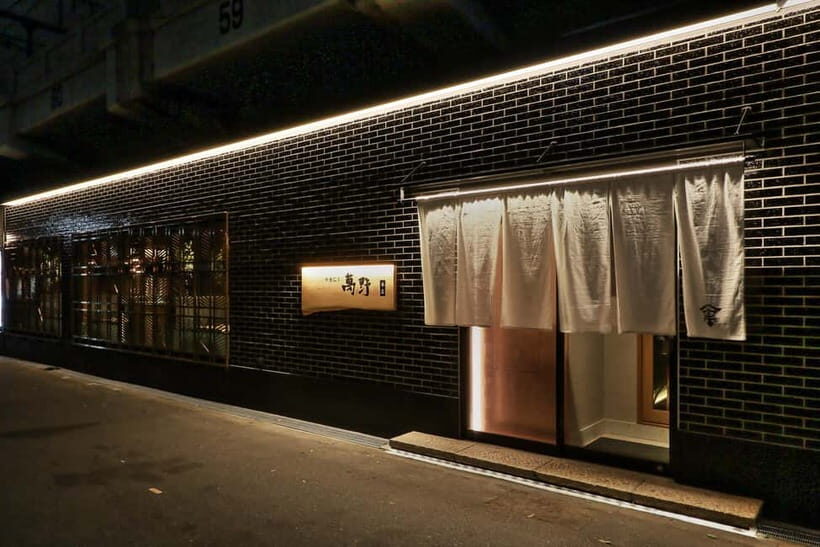
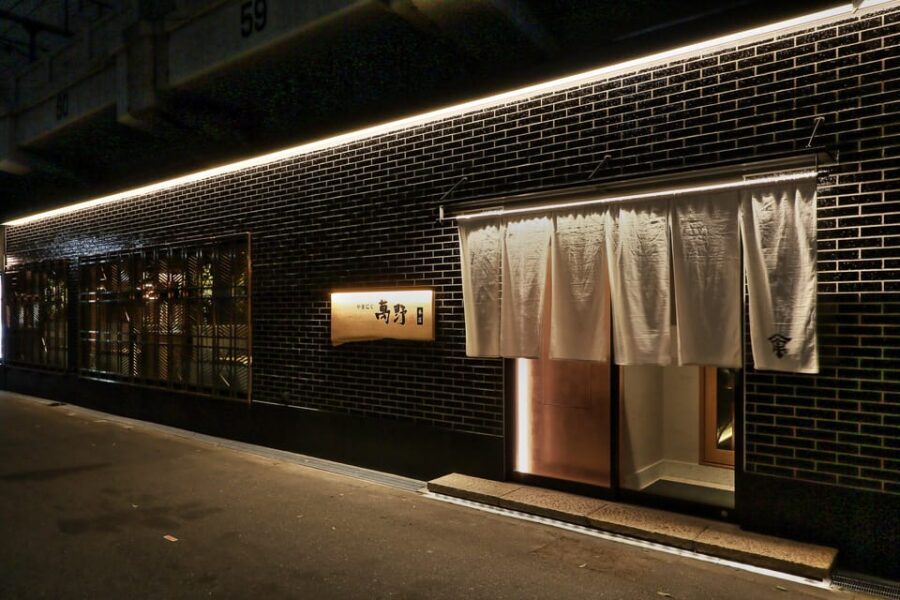
Yakiniku Manno-ya is set up for a simple, tight rhythm: you make a reservation, you show up, and you go straight into the restaurant. The meeting point is listed at 21-40 Kokubu-cho, Tennoji-ku, Osaka City, under a guard underpass area (No. 58-60).
For getting there, the most practical reference point is Teradacho Station. It’s about a 7-minute walk from the JR Loop Line Teradacho Station, and you’re also listed as roughly 390 meters from that station. If you’re walking in Osaka city blocks, start early and give yourself a little buffer; neon signs and side streets can make the last 2–3 minutes feel longer than they should.
Here’s how to make arrival painless:
- Plan to arrive a touch early, not because you’ll be hosted like a tour, but because late arrivals can affect priority.
- When your reservation time hits, enter the restaurant directly. This is important because the experience is reservation-only.
Also note a small but real pacing rule: last food orders are taken 90 minutes before closing. Since the meal duration is about 2 hours, you’ll want to treat this like a planned dinner, not something you stretch after wandering around.
You can also read our reviews of more tours and experiences in Osaka.


What Makes Their Wagyu Selection Philosophy Practical (Not Just Marketing)
Most yakiniku spots sell you a product. Manno sells you a process, and the process matters because yakiniku is all about how fat, texture, and flavor behave at high heat.
Their explanation is built on the Three Principles of Meat Selection:
- Heritage: valuing lineage, described as cattle lineage passed down from grandfather to great-grandfather
- Quality: focusing on premium heifer cows
- Balance: aiming for harmony between feed and environment
What does that mean for you at the table? It’s their way of saying the meat should show up consistent: lean but juicy, with a texture that feels clean and buttery rather than heavy. You’re not just eating wagyu; you’re eating wagyu designed to grill without losing its natural character.
They also emphasize sourcing and handling:
- They say they visit farms across Japan to select cuts by eye and taste.
- They mention hormones are freshly sourced every morning, processed immediately after slaughter to preserve natural sweetness and flavor.
- They talk about using over 90 different cuts, with each piece prepared to highlight its own characteristics.
Even if you don’t go full science-mode, the bottom line is straightforward: if a butcher-owned restaurant treats meat selection like the core product, the grill part is less risky. You’re more likely to get repeatable results, bite after bite.
One more reality check: the menu contents may change based on ingredient availability. That’s common in food, but it matters more here because the whole appeal is about specific cut quality. If you’re coming with a must-eat mindset, consider that the exact mix could shift.
Your 2-Hour Yakiniku Course: How the Assortments Work
This is a plated course experience built around different assortments. You choose one of three levels, and each course includes a set of lean-focused wagyu items.
Course Option 1: Standard Wano Wagyu Lean Meat Assortment
This starter set is designed to get you tasting range without feeling lost:
- Premium tongue
- Lean beef
- Karubi (grilled short rib)
- Loin
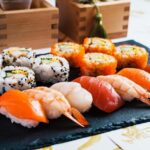
- Lean beef seared sushi
- Seared karubi (grilled short rib) sushi
The interesting thing here is the mix of classic yakiniku cuts (tongue, short rib, loin) plus those seared sushi-style pieces. Those seared items are a useful bridge if you’re new to yakiniku: you get the yakiniku grill flavor, but with a serving style that can feel more familiar.
Course Option 2: Special Wano Wagyu Premium Lean Meat Assortment
This one steps up the premium feel:
- Premium tongue
- Premium lean beef (2 types)
- Premium karubi
- Premium loin
- Lean beef seared sushi
- Seared karubi sushi
Two types of premium lean beef suggests you’ll notice differences in fat distribution and how each slice reacts on the grill. If you like comparing textures, this option is a sweet spot.

Course Option 3: Premium Wano Wagyu Special Lean Meat Assortment
This is for meat people who want to go straight to the top:
- Premium tongue
- Select lean beef (2 types)
- Select karubi
- Select loin
- Lean beef seared sushi
- Seared karubi sushi
Across all three courses, the consistent theme is lean-forward selection. That can be a plus if you don’t want a heavy, fatty overload. But if you personally prefer high-fat wagyu that melts fast, lean-focused courses can feel a bit more understated until you hit the right sauce pairing.
A couple of practical timing notes:
- The meal lasts about 2 hours.
- If you want drinks, the menu is included either with or without drinks depending on your selected option.
- Because the last orders happen 90 minutes before closing, don’t plan to pace the last half-hour like it’s a cafe stop.
Grilling Philosophy in Your Mouth: Why Lean Cuts Matter
Yakiniku is often judged on aroma and melt. Lean cuts add another layer: you have to taste balance.
With tongue, loin, and karubi in a lean-focused course, you end up tasting differences in:
- Grain and chew (tongue and loin can feel different fast)
- How quickly flavor blooms at heat
- How sauce interacts with meat sweetness
When you’re leaning into lean wagyu, sauce becomes more than a condiment. It’s part of the tasting method. That’s why Manno’s seasoning lineup is a big deal, not an afterthought.
Sauce and Condiment Strategy: How to Build Flavors That Make Sense
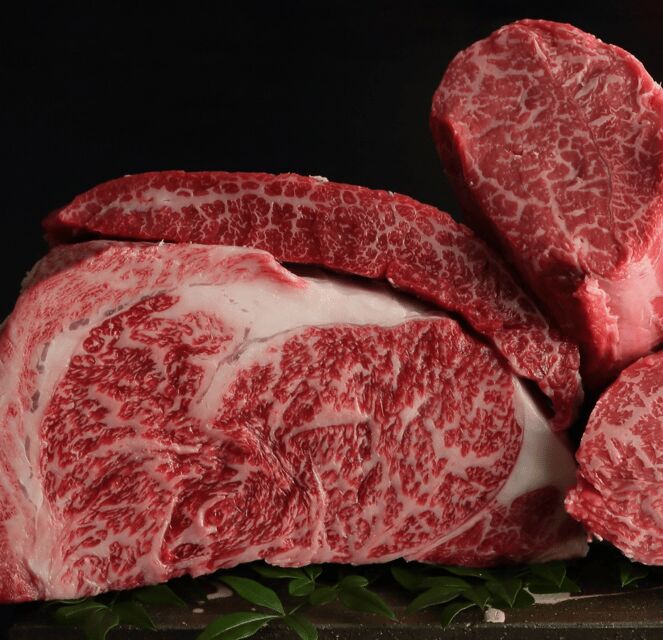
Manno-ya doesn’t just give you one soy sauce and call it a day. They list several ways to enjoy the meat, and each one nudges the meat toward a different mood.
Charcoal-Grilled (Suyaki)
They recommend suyaki for those who want to savor the natural flavor of the ingredients. If you’re trying to evaluate meat quality, start here. You’re tasting the base first: clean sweetness, texture, and that grilled character.
Manno-ya Original Special Soy Sauce
This is your classic anchor. Soy sauce can flatten nuance if you drown the meat, so use it like punctuation. A light brush lets the meat stay in front.
Tare-yaki (Grilled with Sauce) for rice lovers
If you’re eating with rice (the description calls out enjoying delicious rice with a special sauce), tare-yaki is built for that combo. It tends to bring a deeper, rounder umami that clings better when you’re mixing bites with rice.
Salt-Grilled (Shio-yaki) to bring out sweetness and umami
Salt yaki is a smart contrast option. Salt can sharpen flavor without masking it. It’s also a good way to tell whether your meat is already delicious on its own.
Your add-ons: ginger, wasabi, shichimi, sansho pepper salt, and more
The list includes:
- Grated wasabi and fresh wasabi
- Premium shichimi (Japanese seven-spice)
- Sansho pepper salt
- Fresh ginger
- Domestic garlic cloves
- Yannin-chan (house-made sauce)
- Noto’s Otani salt
How to use this without overthinking:
- If you’re new, do one meat bite with salt/shio-yaki, one with soy sauce, and one with tare-yaki.
- Use ginger or wasabi on cuts that feel a little strong to you; it can lighten the palate.
- Shichimi and sansho pepper salt are for when you want heat and aromatic spice, not just smokiness.
The whole system helps you understand that yakiniku is not one taste. It’s a series of small experiments.
Service Style and Room Atmosphere: What You’ll Feel During the Meal
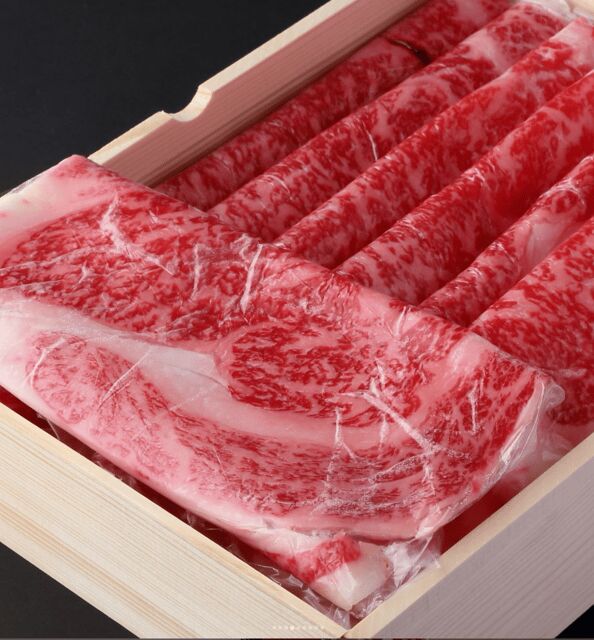
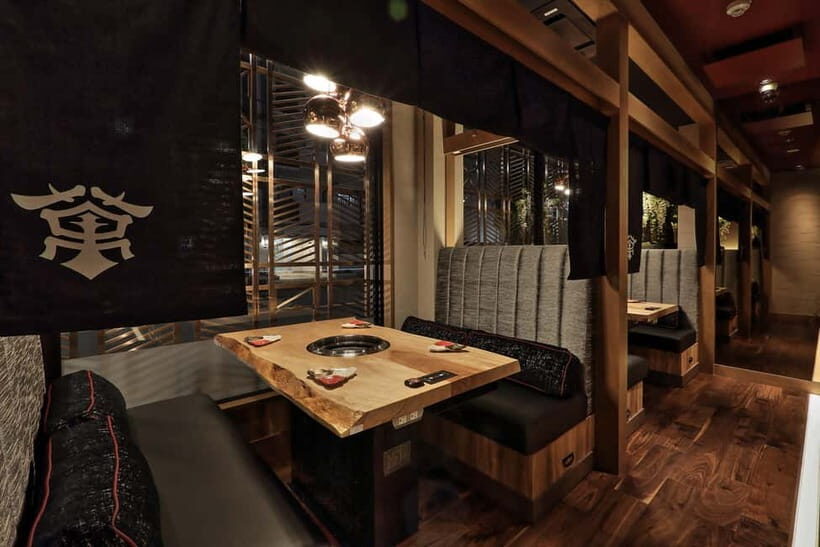
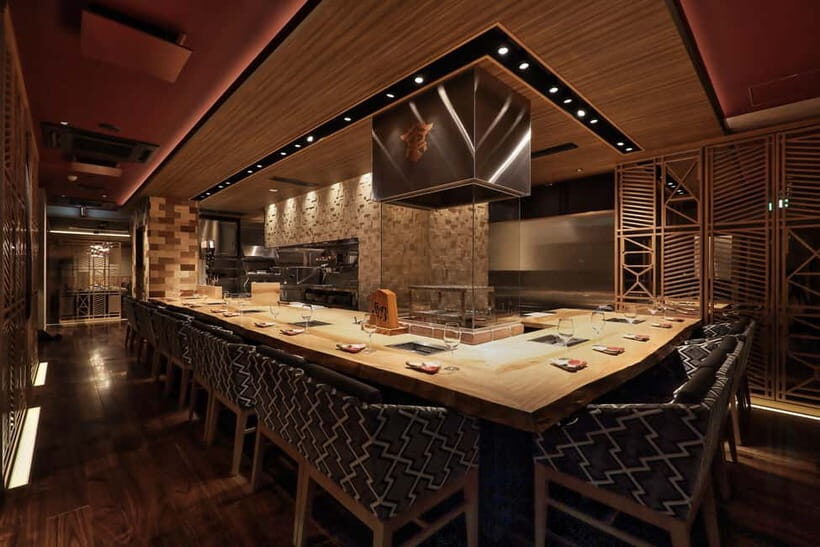
Even with no guide, the experience is designed to be smooth. The restaurant is described as having a cozy yet upscale atmosphere, and service shows up as genuinely friendly and helpful in the experience reports.
Two things you can count on from the available information:
- Staff are described as helpful, not rushed or icy.
- English menus are mentioned as available, which matters if you’re trying to understand course differences and seasoning options without guessing.
The environment is modern and neon-lit, which is a nice bonus if you like photo-friendly dining rooms. Just keep your focus on the food. The room is there to frame the grill, not replace it.
Price and Value: Is $66 a Fair Deal for Wagyu Yakiniku?
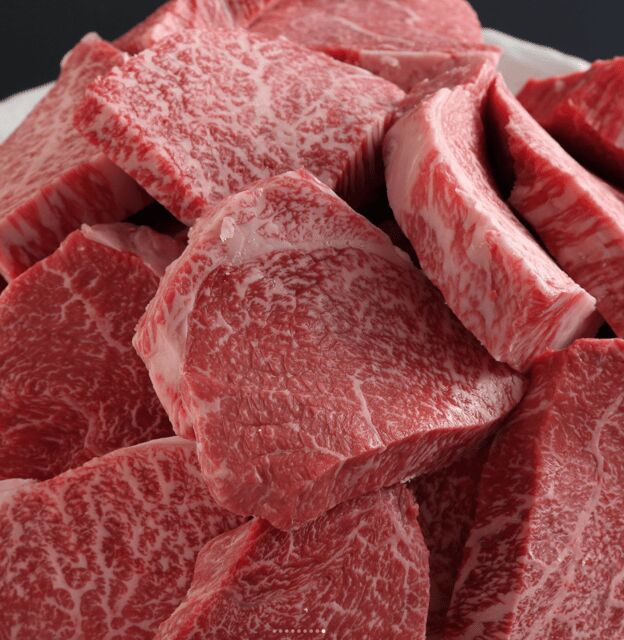
At $66 per person for the reservation and taxes, you’re paying for a curated eating session rather than an open-ended buffet.
Here’s where the value logic lands:
- You’re getting a full course with multiple distinct cuts.
- You’re also getting specific preparation styles (including seared sushi-style pieces).
- Drinks may be included depending on your selected option.
- And importantly, the selling point is meat selection—farm sourcing, cut picking by eye and taste, and their three-principles approach.
If you’re comparing to yakiniku where you order random items off a menu, the cost can feel high at first. But if the meat is consistently excellent, and you want variety without spending time comparing labels, a set course can be good value. You buy convenience plus consistency.
One caution: because the menu can change with ingredient availability, the exact mix could vary. Still, the assortment categories (standard, special, premium) are the framework, and that structure is what you’re really paying for.
Practical Tips to Get Better Bites in Less Time
This is where you’ll get the biggest payoff from planning.
First, manage your timing:
- Check availability for your start time.
- Arrive early enough that you can enter promptly when your reservation hits.
- If you’re running late, make sure the restaurant can reach you; there’s a rule about priority after 10 minutes without contact.
Second, approach the course like a tasting:
- Start with the approach that lets meat speak first (like suyaki/salt-forward items).
- Add sauce after you’ve tasted the base.
- Use wasabi/ginger/sansho pepper salt for palate resets when you want a clean, sharp contrast.
Third, don’t over-schedule:
Because it’s a 2-hour experience with last food orders happening earlier than closing, it’s best as your main dinner rather than a quick stop between things.
Who Should Book This in Osaka (and Who Might Skip)
This booking makes the most sense if:
- You’re a meat lover who wants better sourcing, not just better branding.
- You want to try wagyu yakiniku without building a menu from scratch.
- You’re visiting Osaka for a first serious food meal and want something modern with a solid meat focus.
- You like comparing cuts by texture and flavor.
You might reconsider if:
- You want a guided tour experience with a person explaining the food step-by-step. No guide is provided.
- You prefer very fatty wagyu as your first priority; this course emphasizes lean meat.
- You dislike set course pacing and want full control over what you eat and when.
Also, reservations are accepted for a minimum of 2 people. If you’re traveling solo, you’ll need to adjust your plans. If you’re bringing children, include their number in the notes section.
Should You Book Manno in Osaka? A Quick Decision Guide
If you want a yakiniku dinner where the meat selection is the main event—and you’re happy with a reservation-only, no-guide format—Yakiniku Manno is a strong bet. The main reason is simple: their whole pitch is about sourcing and selection, and the course structure gives you multiple distinct cuts in about 2 hours.
Book it if:
- you’re hunting for premium wagyu that feels fresh and well-handled
- you want a thoughtful seasoning lineup to compare flavors
- you like modern, neon-lit dining without losing the focus on the grill
Skip it if:
- you need a guided experience to navigate Japanese dining
- you’re looking for flexible ordering rather than a structured course
FAQ
Where is Manno-ya located in Osaka?
It’s at 21-40 Kokubu-cho, Tennoji-ku, Osaka City, under Guard Underpass No. 58-60. The address is about a 7-minute walk from JR Loop Line Teradacho Station.
How long is the yakiniku experience?
The course runs for 2 hours.
What’s included in the reservation price?
A full course menu is included, with or without drinks depending on your selected option. Taxes and the reservation are also included.
Do I need a guide during the meal?
No. This is a restaurant reservation only, and no guide will be provided.
Will the menu always match the photos?
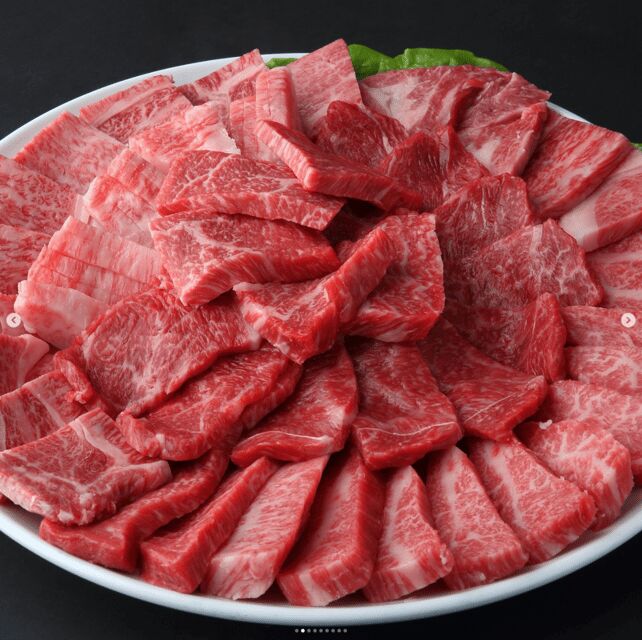
The photos are for illustration purposes only, and the contents may change depending on ingredient availability.
What time rules should I know?
Last food orders are taken 90 minutes before closing. If there is no contact from you 10 minutes after your reserved time, the restaurant may give priority to other customers.
Is it possible to cancel and get a refund?
Yes. Free cancellation is available up to 2 days in advance for a full refund.