REVIEW · OSAKA
Osaka: Temari Embroidery Workshop
Book on GetYourGuide →Operated by EL PUENTE · Bookable on GetYourGuide
This is the kind of Osaka activity that slows you down. In a short 2-hour Temari workshop, you learn Japanese hand embroidery on traditional stitched balls, with an instructor guiding every step. What I like most is the chance to design your own look by choosing colors, and the clear teaching in English (and also Spanish).
One heads-up: you’ll finish only one side during class. The other side needs your time at home using a video link, so plan for a little follow-up stitching after your workshop.
In This Review
- Key Points I’d Put on Your Radar
- A 2-Hour Temari Workshop Right in Shinsaibashi
- What You’ll Make: Temari Balls With a Plan for Two Sides
- The Best Part: Choosing Colors That Make It Yours
- Step-by-Step: How the Class Actually Flows
- Instructor Quality: English That Stays Clear
- The Take-Home Finish: Video Link for the Second Side
- Price and Value: What $38 Buys You
- Where This Workshop Fits Best in Your Osaka Day
- Who Should Book This Temari Class
- Should You Book the Osaka Temari Embroidery Workshop?
- FAQ
- How long is the Osaka Temari Embroidery Workshop?
- What is the price per person?
- Will I finish the whole Temari ball during the workshop?
- What supplies are included?
- Can I choose the colors for my Temari?
- What languages are offered for the instruction?
- What is the meeting point?
Key Points I’d Put on Your Radar
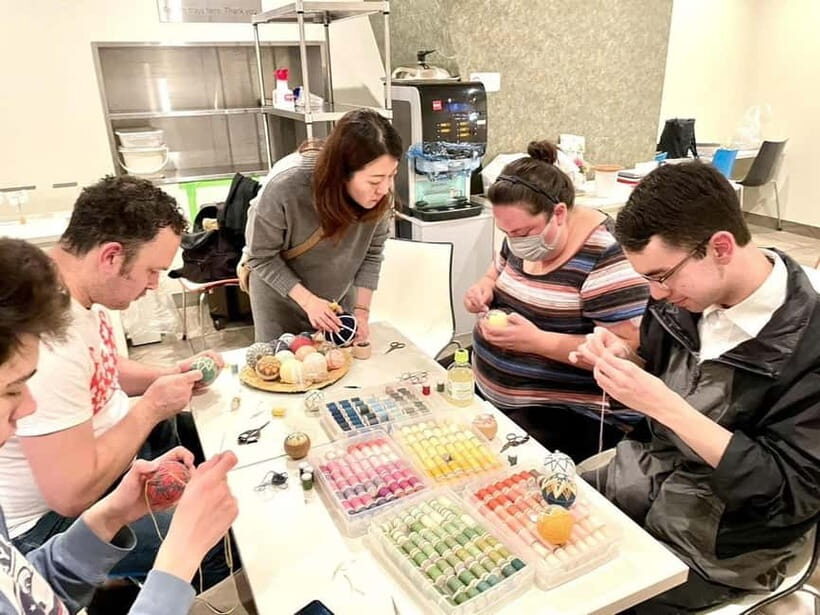
- Hands-on Temari stitching that you’ll actually do, not just watch
- English or Spanish instruction, taught in a way that stays easy to follow
- Color control: pick your base and choose 4 thread colors for your pattern
- Take-home momentum with a video link to complete the second side
- Small group up to 10 people, so you’re not lost in a crowd
- Needles included, and some participants even take a needle home for continuing later
A 2-Hour Temari Workshop Right in Shinsaibashi
Osaka is great for big-energy sightseeing, but this workshop offers a different rhythm. You trade neon streets and subway maps for thread, needle, and close-up craft work. It’s a simple swap, and it works surprisingly well when you want a hands-on souvenir that isn’t just a mug or a magnet.
The format is also traveler-friendly. It’s 2 hours, which means it fits neatly into a day that includes shopping or museum time. The group stays small (up to 10), so questions don’t feel like a bother and you get real guidance.
You meet at Free space C-Flat on the 1F of SARASA HOTEL Shinsaibashi. That’s handy because Shinsaibashi is easy to reach and easy to pair with other plans. And if you use a wheelchair, this workshop is listed as wheelchair accessible.
You can also read our reviews of more tours and experiences in Osaka



What You’ll Make: Temari Balls With a Plan for Two Sides
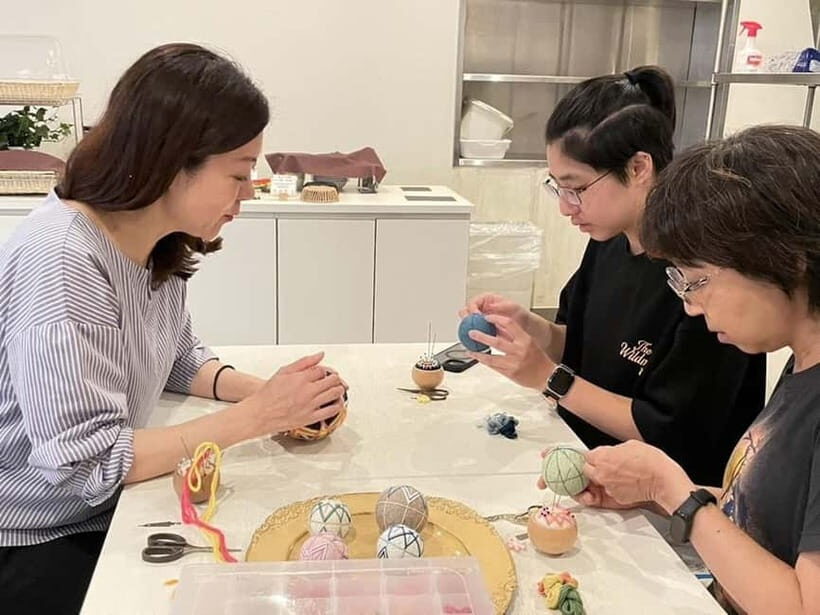
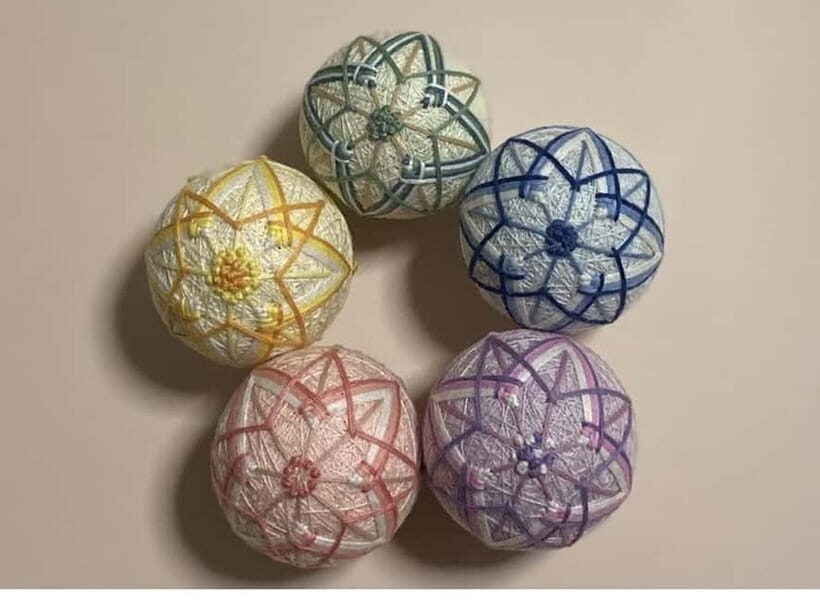
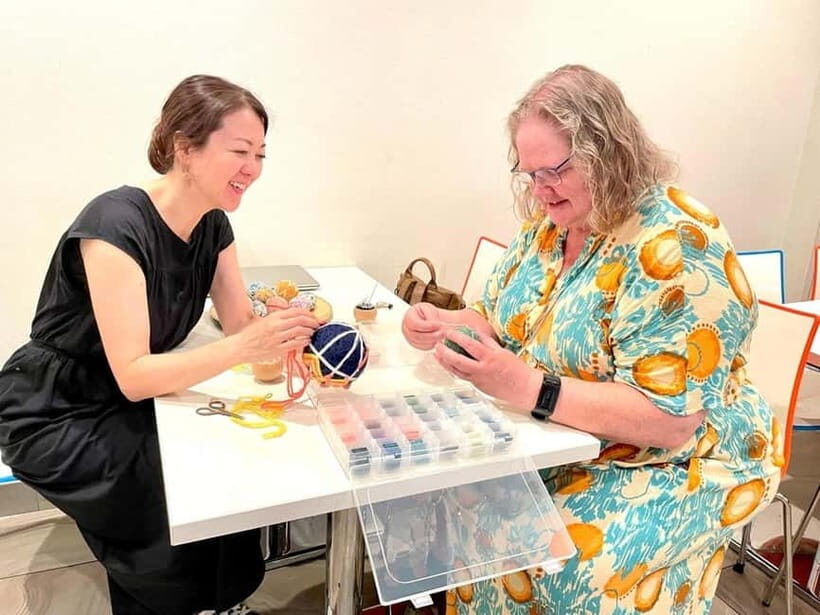
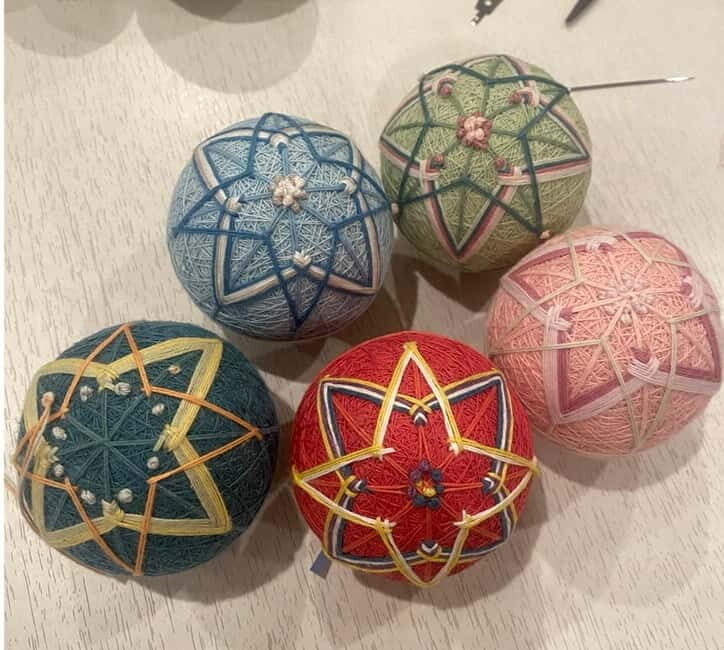
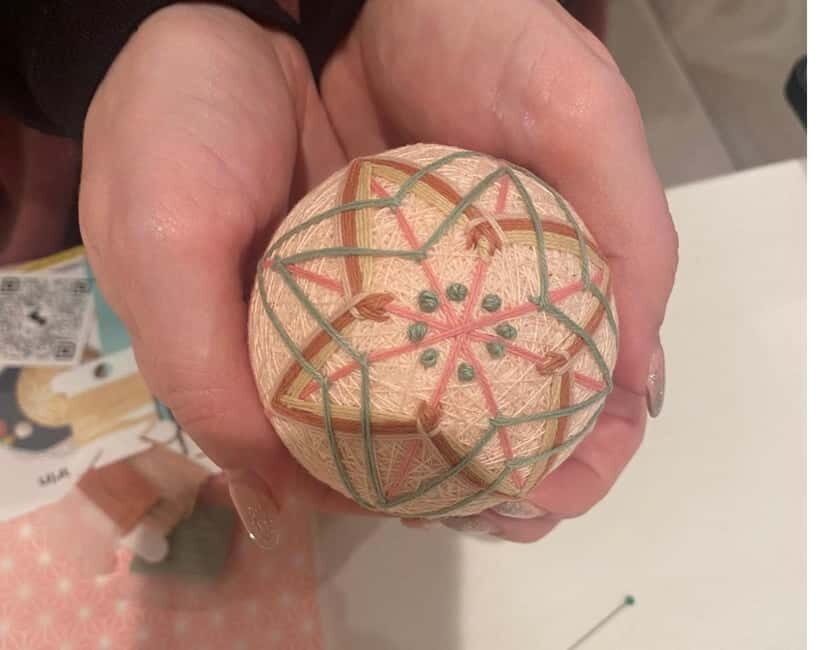
Temari are traditional Japanese hand-embroidered balls. The class covers the craft basics and has you create a pattern using embroidery thread. You’ll start with a Temari base ball prepared for you, then stitch your way into the design.
Here’s the practical part: only one side gets finished in the workshop. It’s not a letdown; it’s the structure that keeps the class within 2 hours. You leave with the steps and materials to complete the second side later, using the provided video instructions.
This two-stage approach is actually useful. You can focus during class on learning the technique and getting comfortable with how the stitching builds the pattern. Then at home, you slow down and finish with less pressure—no rushing, no “I forgot the order” panic.
The Best Part: Choosing Colors That Make It Yours
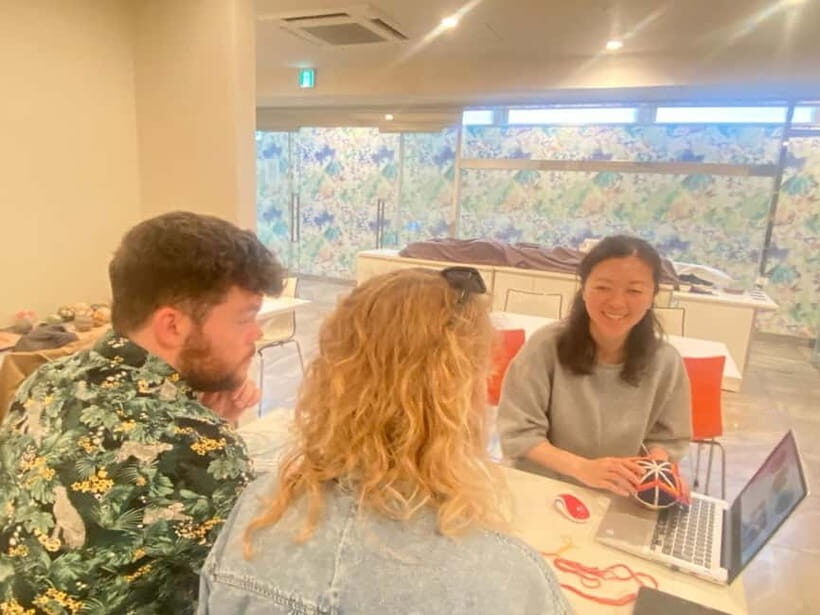
If you like personalizing your travel souvenirs, this is where the workshop delivers. You can choose 4 colors of embroidery threads for the pattern, which means you’re not stuck with a template look.
You also choose the Temari base ball color from a variety of options. If you have a preferred base color, you’ll want to tell the host at least 3 days in advance. That small planning step can help you get the exact mood you want—calm and classic, bold and playful, or something that matches a gift recipient.
From past participants, the color experience consistently comes up as part of the fun. In one case, the class was described as especially enjoyable because the instructor explained everything in English clearly and you had room to create something that felt personal. Even when you’re learning a traditional craft, your choices still steer the final look.
Step-by-Step: How the Class Actually Flows
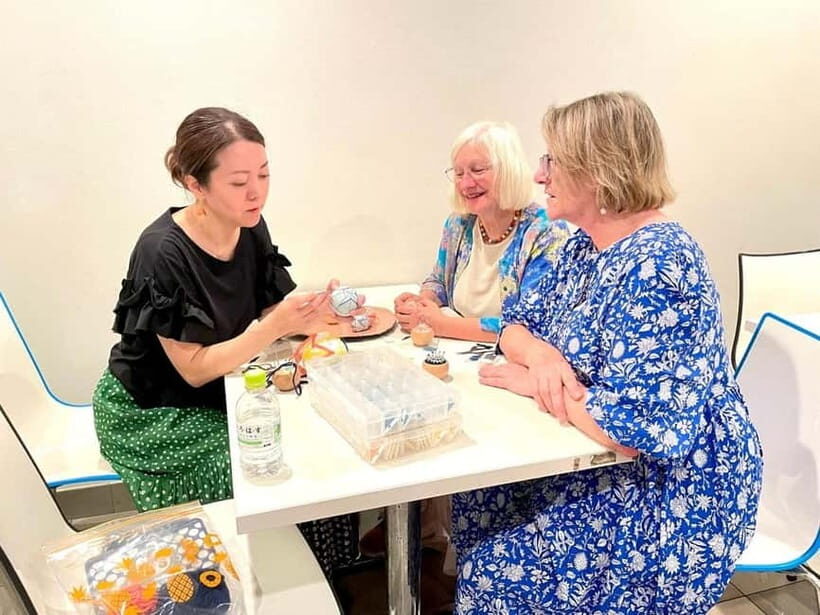
The workshop has a simple, logical rhythm. That matters because embroidery can feel fiddly if you don’t know what you’re doing.
First, you learn the background of Temari—its history and what makes it a traditional handcraft. You’re not just getting technical instructions. You’re learning why people make Temari and what the stitches represent in practice.
Then you move into the build:
- you pick a Temari base ball color
- you choose four embroidery thread colors
- you learn the stitching technique by working with your host/instructor
The host prepares the base, which saves time and keeps the workshop focused on the embroidery. You and the instructor stitch together as you create a unique pattern. This “together” part is key. You get corrections in real time, instead of guessing after the fact.
By the end, you’ll have one finished side. You’ll also leave with the materials and a video link so you can continue the second side later. The class is paced so you can leave with progress—not just a half-start.
Instructor Quality: English That Stays Clear
A workshop is only as good as its teaching. This one scores well on instruction style, especially for people who don’t speak Japanese fluently.
The instructor is listed as teaching English and Spanish. And the feedback lines up: participants praised how well the content was explained in English, and how easy it was to follow along. One review mentioned that the teacher spoke fluent English with a strong, understandable delivery. Another highlighted how sweet the instructor was and how well she listened.
That matters because Temari stitching is not just about making lines. It’s about tension, consistency, and learning how to replicate the pattern you’re building. If your instructor is clear, you get results faster. If your instructor is vague, you’ll spend your energy troubleshooting instead of creating.
Also, class size can change the feel. One participant noted being the only person in their session, which naturally made the teaching extra personal. Even without that luck, the workshop is capped at 10 people, so you’re not wrestling for attention.






The Take-Home Finish: Video Link for the Second Side
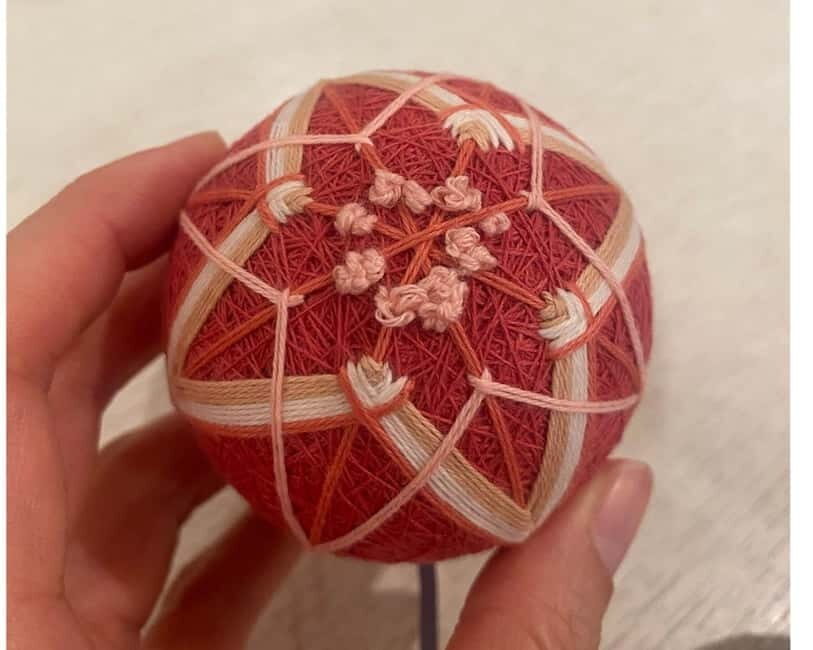
Leaving the workshop with only half the ball finished would normally feel annoying. Here, it’s handled in a smart way: you get a video link with further instructions to complete the other side at home.
This is a big value point. You’re paying for a guided lesson, but you’re also getting a continuation plan. You don’t have to rely on memory or guess what comes next.
If you want this to go smoothly, give yourself a calm time slot after your trip. Temari stitching is meditative when you’re not under schedule pressure. The video approach helps you keep the look consistent on the second side instead of ending up with two different styles.
And if you like having a physical craft project in your suitcase life, this is one of the more rewarding souvenirs. It’s small enough to travel, but it takes effort—so it feels earned.
Price and Value: What $38 Buys You
At $38 per person for a 2-hour workshop, the value is mainly in what’s included and how guided it is.
You get:
- a Temari base ball
- 4 colors of embroidery threads
- needles
- the video link for finishing the second side
- instructor guidance in English or Spanish
- a small-group setting capped at 10 people
For a craft experience, this is the key equation. You’re not paying extra for materials or worrying about finding tools. You’re paying for instruction, setup, and a structured outcome you can complete later.
And based on past feedback, the teaching quality is a big part of the value. People specifically praised how well English instruction was delivered, and how the instructor supported learning rather than rushing through steps. That kind of clarity turns a “nice idea” workshop into a “I actually finished something” experience.
Where This Workshop Fits Best in Your Osaka Day
This is best as a mid-day or late-afternoon plan, especially if you’ve already done some Osaka exploring. Craft classes work better when your day has some structure and you’re not exhausted from constant walking.
Pair it with:
- Shinsaibashi shopping and street wandering
- a nearby café stop afterward
- an evening plan where you can relax, since you may be carrying a finished (or partly finished) craft item
Because it’s 2 hours, you don’t need to redesign your entire day. You just need a block of time where you can sit still, focus, and stitch.
Who Should Book This Temari Class
You’ll likely love this workshop if you:
- want a hands-on Japanese craft experience in Osaka
- like making gifts for yourself or someone back home
- prefer small-group teaching over big group tours
- enjoy activities that are calmer than sightseeing
It’s also a solid fit if you’re an art-and-hobbies person and you want something you can keep practicing. One participant even mentioned being able to take a needle home to continue at home. That kind of practical takeaway is exactly what makes a workshop feel more than “one and done.”
If you’re totally uninterested in stitching, you might find it slow. Temari is methodical. But if you like learning by doing, this is a great choice.
Should You Book the Osaka Temari Embroidery Workshop?
I’d book it if your travel style includes making something with your hands. This workshop hits a rare mix: traditional craft, small-group attention, clear instruction in English (and Spanish), and a take-home plan via a video link.
Book it if you want a souvenir that tells a story you can explain later—how you chose colors, learned a technique, and finished one side in class with guidance. The best part is you’re not stuck at the end of the workshop. You get enough direction to keep going on your own.
Skip it only if you hate needle-and-thread tasks or you don’t want to do any follow-up work after class. Since only one side is finished in the workshop, you’ll need that home time to complete the second side.
If you’re on the fence, think of it this way: you’re buying a short, guided lesson with an ongoing payoff. For $38, that’s a pretty fair deal.
FAQ
How long is the Osaka Temari Embroidery Workshop?
It lasts 2 hours.
What is the price per person?
The price is $38 per person.
Will I finish the whole Temari ball during the workshop?
No. Only one side will be finished in class.
What supplies are included?
You get a Temari base, 4 colors of embroidery threads, and needles. You also receive a video link for further instructions.
Can I choose the colors for my Temari?
Yes. You can choose 4 thread colors. You can also choose the Temari base color, and if you have a preferred base color, you should inform the host at least 3 days in advance.
What languages are offered for the instruction?
The instructor offers English and Spanish.
What is the meeting point?
Meet at Free space C-Flat (SARASA HOTEL Shinsaibashi 1F).