Temples can feel like a movie set. This private car tour is built around atmospheric Kyoto/Osaka-area sites, including a Daruma-doll temple stop and lantern-lit shrine time in the mountains, with local explanations from Daiki. You’ll spend the afternoon comfortably, then end up somewhere quiet enough to feel like you found the place before the crowds.
What I really like is the pairing of famous-and-unusual: Katsuo-ji is the big visual moment, while the later shrine complex slows the day down into something more reflective. I also like that Daiki keeps things fun and understandable, answering questions about Buddhism and Shinto without making it feel like a lecture.
One thing to consider: some parts involve walks and stairs, and entry fees are not included, so you’ll want to budget a little extra for the one paid stop.
In This Review
- Quick highlights you’ll care about
- Private Car Comfort Between Osaka, Kyoto, and Nara
- Katsuo-ji Temple and the Daruma-Doll Photography Moment
- Mitsushima Shrine: Shinto in a Nature-Worship Setting
- Hozan-ji on Mount Ikoma: Incense, Intrigue, and Kangiten
- Shingisan Chogosonshiji: Lantern Light and Dreamy Mountain Temples
- Daiki the Guide: Funny, Friendly, and Answers-First Explanations
- Less Crowds, Better Flow: What Private Timing Really Does
- Costs and Value: What $248.22 Covers (and What It Doesn’t)
- What to Expect on Foot: Stairs, Weather, and Temple Etiquette
- Best Fit: Who This Tour Works For
- Should You Book This Temple-and-Shrine Car Tour?
- FAQ
- Where does this tour take place?
- What time does the tour start, and how long is it?
- Is this tour private?
- Is pickup offered?
- What does the price include?
- Are temple or shrine entry fees included?
- Do I need to buy tickets on my own?
- Is there walking or stairs?
- Are service animals allowed?
Quick highlights you’ll care about
- Private car comfort: pickup offered, plus parking fees covered
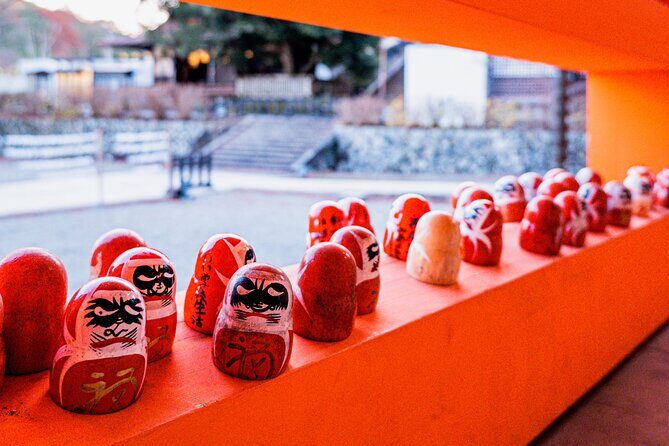
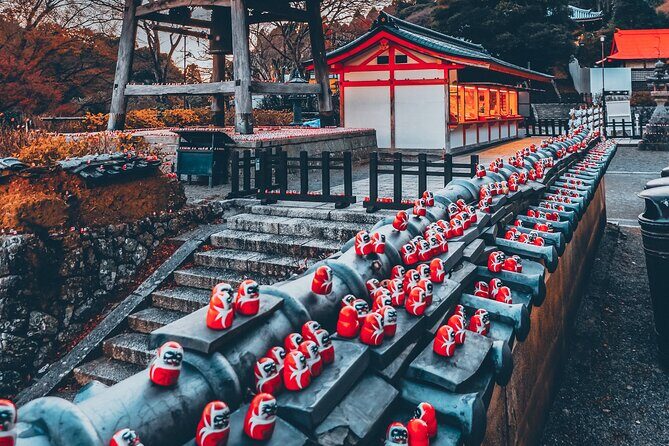
- Katsuo-ji’s Daruma dolls: thousands of traditional dolls scattered through the temple grounds
- Mitsushima Shrine’s nature worship: a small shrine experience tied to an enormous 1000-year-old camphor tree
- Incense and mountain paths: Hozan-ji up Mount Ikoma and its Buddhist connections
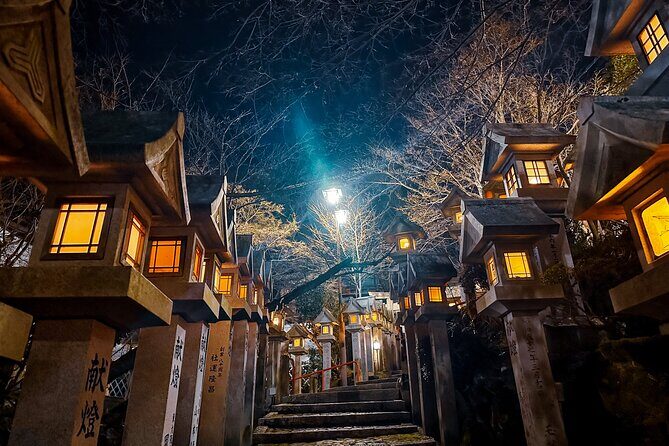
- Lantern-lit night atmosphere: the final mountain temples feel most magical after dark
- Daiki’s culture explanations: friendly, entertaining, and quick to answer religion questions
Private Car Comfort Between Osaka, Kyoto, and Nara
This is the kind of afternoon that works well when you want to see more than one area but don’t want your day controlled by transit schedules. The tour runs about 6 to 7 hours, starting at 1:00 pm, and you get private transportation (so your guide is the one handling the timing, not you).
Another practical win is that parking fees are included. In a region where temples can be tucked into hills and side roads, that matters more than it sounds. You also get pickup offered, and the meeting point is described as near public transportation, which helps if you’re traveling on your own before the tour starts.
This tour is designed for pacing. You get a few substantial stops, and you’re not rushing from one photo spot to the next like a checklist robot. Still, do remember you’ll be doing some walking and stairs at temples, so comfortable shoes are a real quality-of-life upgrade.
You can also read our reviews of more guided tours in Osaka

Katsuo-ji Temple and the Daruma-Doll Photography Moment
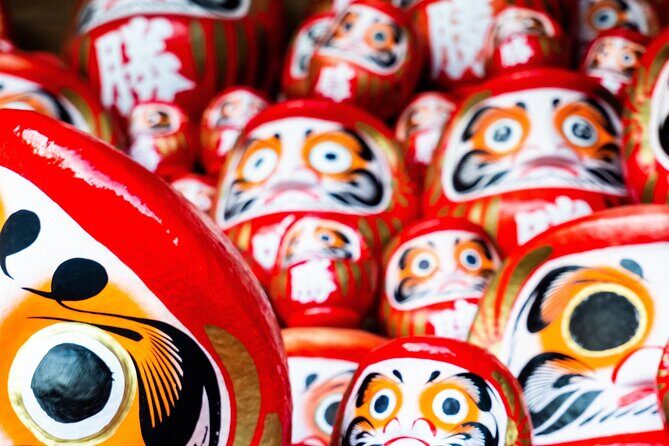
Your first major stop is Katsuo-ji Temple, tucked into the mountain area between Osaka and Kyoto. It’s often shared online for a simple reason: the temple grounds are decorated with thousands of Japanese Daruma dolls placed throughout the space.
Plan for about 2 hours here. That’s long enough to wander slowly, take photos from different angles, and actually enjoy the weird charm of it all. You’ll likely notice that the dolls aren’t just a single display. They’re spread around in a way that changes how the whole space feels as you move deeper into the grounds.
Important detail: the admission ticket is not included for this stop. So while the tour includes transportation and parking, your budget should include temple entry fees where applicable.
One more tip: because this is a mountain temple setting, you may feel cooler as you climb or linger near shaded areas. Bring a light layer so you stay comfortable while you look around.
Mitsushima Shrine: Shinto in a Nature-Worship Setting
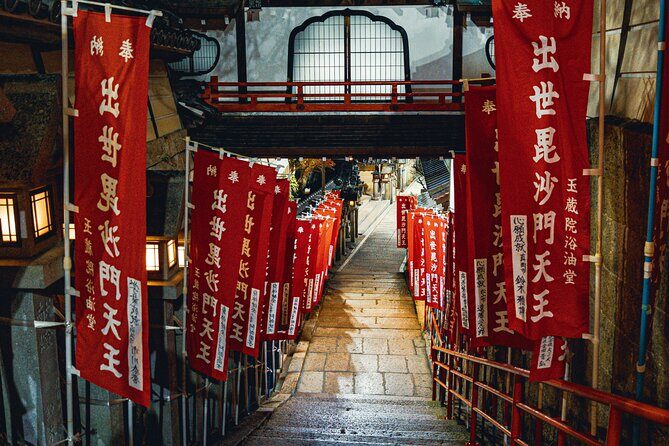
Next comes Mitsushima Shrine, and it’s a shorter visit at about 30 minutes. This is where the tone shifts from “big visual moment” into something more intimate and local.
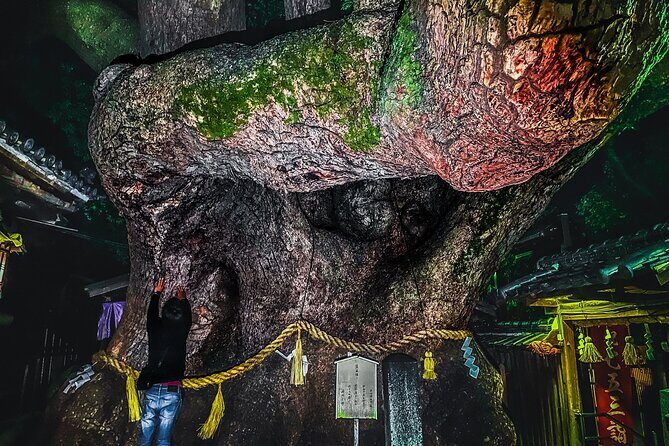
The highlight here is the spirit of Shinto, specifically the idea that nature itself is worthy of worship. The shrine is described as small, and it’s connected with an enormous 1000-year-old camphor tree, which gives you a very concrete sense of scale—nature treated with the respect you’d expect from a long-lived sacred site.
Another practical plus: admission is free for this stop. That makes Mitsushima a low-cost way to add variety to the day without eating your time budget.
Also keep your expectations realistic. A 30-minute shrine stop is not about covering every corner of a large complex. It’s about standing in the right atmosphere, noticing the surroundings, and listening to what your guide points out—especially how Shinto views the natural world.
Hozan-ji on Mount Ikoma: Incense, Intrigue, and Kangiten
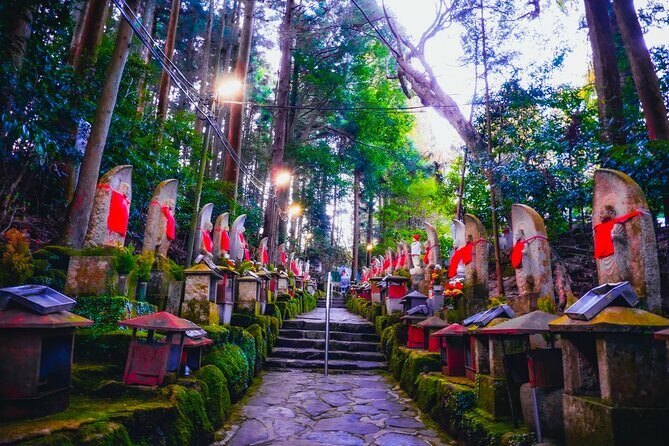
Then you head to Hozan-ji Temple, located about halfway up Mount Ikoma in Nara prefecture. This stop leans into sensory mood: the complex is described as shrouded in incense smoke, which is part of what creates that slightly mysterious feeling as you walk among the buildings.
You’ll spend about 1 hour here, and admission is free. That makes it a smart stop if you want a meaningful temple experience without adding extra ticket costs.
The temple is dedicated to Kangiten, described as a Buddhist god of joy and prosperi… (the rest isn’t specified, but the central point is clear). If you’ve never heard this name before, you’re exactly the audience this tour is built for. Daiki can help connect the dots between what you see—incense, ritual spaces, religious symbols—and how people understand them.
This stop also fits the theme of “not just the famous place.” Hozan-ji is the kind of site where your enjoyment comes from slowing down and letting the setting do its work, rather than chasing the single best viewpoint.
Shingisan Chogosonshiji: Lantern Light and Dreamy Mountain Temples
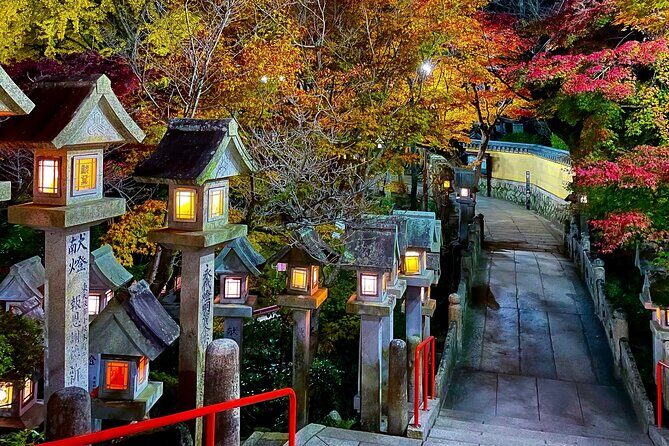
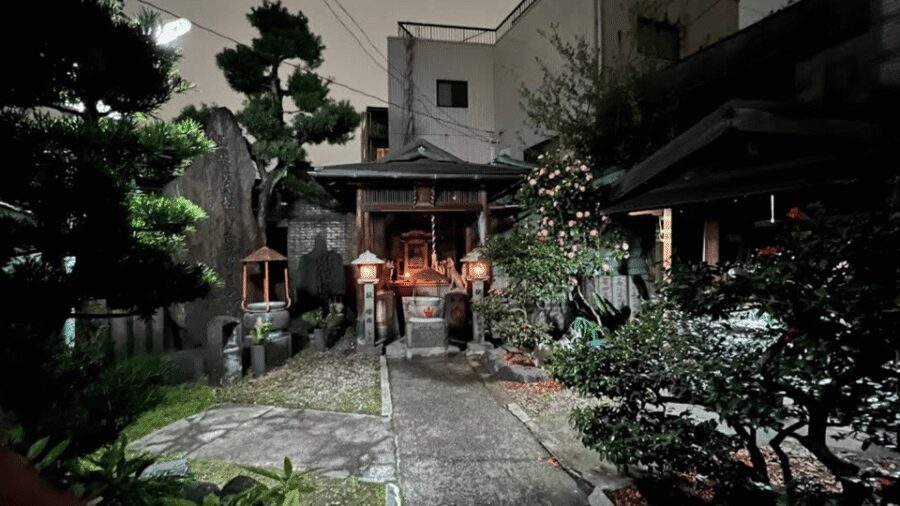
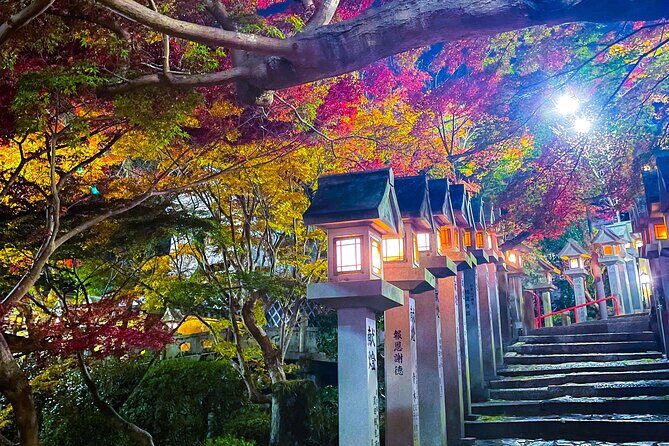
Your finale is at Shingisan Chogosonshiji Temple on Mt. Shigi. This is the part of the tour that feels most like a storybook transition, because the temples and shrines become especially nostalgic and dreamy at night.
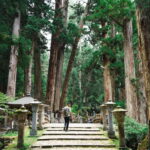
You’ll spend about 1 hour 30 minutes here, and admission is free. The key detail is the lighting: the complex ways are lit by stone lanterns, which changes how the path feels as you walk. Instead of just looking at temple buildings, you’re walking through light and shadows.
This is also where crowd levels matter. The whole tour is set up to help you see places with fewer people, and the night timing here is part of that. You may find yourself with stretches where you can look around without constantly dodging tour groups.
A practical note: since this is a mountain setting and you’ll be walking and moving through lantern-lit paths, wear shoes with good grip. It’s not about being fearless. It’s about staying steady so you can enjoy the atmosphere.
You can also read our reviews of more private tours in Osaka


Daiki the Guide: Funny, Friendly, and Answers-First Explanations
The biggest “how was it?” factor for this tour is the guide. This experience is explicitly built around local knowledge of Buddhism and Japanese culture, and the guide named in the feedback is Daiki.
From the way the tour is described, Daiki doesn’t just point at objects. He explains what they mean, and he’s quick with questions. People talk about him being friendly, entertaining, and informative, with a sense of humor that keeps the day relaxed.
That matters because temples and shrines can feel confusing if you don’t have context. Daiki’s role is basically to translate the spiritual ideas into something you can notice with your own eyes: why an offering might be there, what a dedication suggests, and how Shinto vs Buddhism can shape the whole feel of a site.
If you’re visiting Japan for the first time and want the religion part to feel approachable (not like homework), this kind of guide-led pacing is a big part of the value.
Less Crowds, Better Flow: What Private Timing Really Does
One of the strongest themes is simple: the day is structured to help you avoid the worst crowd pressure. The private car format helps because you aren’t trapped in the same rigid stop order and departure windows as bigger group tours.
You also get the sense of “your own time” inside the day. Some parts of the tour include moments where you can explore almost on your own pace, especially in the evening at the lantern-lit areas. That’s when the atmosphere hits hardest.
Another subtle benefit: by moving between sites with a guide who understands timing, you’re less likely to show up at the most chaotic moments. That turns the temples from a photo sprint into actual sightseeing.
And yes, the tour also connects nature into the day. One highlight mentioned is a bamboo forest and a short nature walk during the afternoon. The itinerary you’ll follow may shift seasonally, but the overall feel stays the same: temples plus a dose of calm outdoor wandering.
Costs and Value: What $248.22 Covers (and What It Doesn’t)
The price is listed at $248.22 per group, and the group size is described as up to 1. Since this is private transportation, it’s not a per-person “spread the cost across a bus full of people” situation. The value depends on who you’re traveling with and how much you hate transit transfers.
Here’s what’s included:
- Private transportation
- Parking fees
Here’s what’s not included:
- Entry fees (with the clear note that Katsuo-ji has an admission ticket not included; other stops are free)
So the math is pretty straightforward. You’re paying mainly for time savings, comfort, and access to multiple off-the-beaten-path sites without navigating the route yourself. If you’re traveling solo and want a full day of temple wandering with minimal friction, it can feel like good value because the guide’s work saves you from lots of planning.
If you’re someone who already knows your way around and doesn’t mind public transit, it may be less of a bargain. But the day is built for private pacing and evening lighting, and that’s where the private format shines.
What to Expect on Foot: Stairs, Weather, and Temple Etiquette
This is not a totally flat tour. The experience info notes walks and some stairs at some temples. That means you’ll want:
- comfortable shoes
- a small layer for cooler mountain air
- water if you get thirsty during longer wandering
The good news is that the total walking is spread across stops, and the schedule includes shorter segments (like the 30-minute shrine stop). You’re not doing a single long hike where you’re trapped at one pace for hours.
Temple etiquette is part of the experience by default, since you’re visiting multiple active religious sites. Even if you don’t know the rules, your guide can help you understand what you’re looking at and what’s expected in the spaces you enter.
Best Fit: Who This Tour Works For
This tour fits best if you want:
- a spiritual but friendly introduction to Buddhist and Shinto sites
- a comfortable way to cover Osaka, Kyoto/area, and Nara-side destinations in one afternoon
- evening temple atmosphere with lantern lighting rather than only daytime sightseeing
It’s also a good match for people who don’t want to deal with big crowds. The pacing and off-peak feel are central to the experience, and the night timing helps.
If you have mobility limitations or you know stairs are a deal-breaker, you should take extra care. Some temple areas include steps, and the tour description explicitly notes stairs in parts of the visits.
Should You Book This Temple-and-Shrine Car Tour?
If you’re excited by lantern-lit night scenes, curious about how Buddhism and Shinto shape what you see, and you like the idea of a guide translating the culture for you, I’d book it. The combination of off-the-beaten-path sites, a strong visual anchor at Katsuo-ji, and the calm mountain atmosphere at the final stop is a strong mix for an afternoon that feels different from standard sightseeing.
Hold off if you strongly prefer self-guided travel with public transit, or if stairs and walking would make the day uncomfortable for you. Also budget for temple entry fees since not all admissions are included.
FAQ
Where does this tour take place?
The tour is based in Osaka, Japan, and it visits multiple temple and shrine sites across the surrounding Kyoto/Osaka area and into the Nara prefecture region.
What time does the tour start, and how long is it?
The start time is 1:00 pm. The duration is approximately 6 to 7 hours.
Is this tour private?
Yes. It’s a private tour, meaning only your group participates.
Is pickup offered?
Yes. Pickup is offered, and the meeting point is described as near public transportation.
What does the price include?
The price includes private transportation and parking fees.
Are temple or shrine entry fees included?
No. Entry fees are not included. The tour specifically notes that Katsuo-ji has an admission ticket not included, while other stops listed are free.
Do I need to buy tickets on my own?
You’ll receive a mobile ticket. However, entry fees are not included, so you may still need to pay admission where required.
Is there walking or stairs?
Yes. There are walks and some stairs at some temples.
Are service animals allowed?
Yes. Service animals are allowed.