REVIEW · OSAKA
Osaka Cooking Class and Sake Tasting with Local Supermarket Visit
Book on Viator →Operated by MagicalTrip Inc. · Bookable on Viator
A short line to sum it up: Osaka food skills in one go. This experience pairs a supermarket ingredient hunt with a hands-on cooking class, then wraps it up with a meal and local sake tasting. I like how it feels beginner-friendly without being childish, and I also like that the instructors you may get (notably Yuka or Mari) give clear, step-by-step guidance.
The one thing to keep in mind is timing and food focus: it’s a tight 4 hours, built around specific dishes and a set shopping list, so it’s not the kind of tour where you can wander freely or invent your own menu. If you want lots of extra time in the market or a bigger variety of dishes, plan for a different format.
In This Review
- Key Things You’ll Notice
- A Smart Blend of Shopping, Cooking, and Sake
- The 10:00 Start and the FamilyMart Meeting Point
- Stop 1: Shopping Like You Actually Live in Osaka
- Back at the Studio: A Hands-On Class You Can Follow
- Make Niku-sui, Okonomiyaki, and Yaki-Gyoza (And Why Each One Teaches Something)
- Gyoza Folding and Okonomiyaki Skills You’ll Reuse at Home
- Sake Tasting With Your Meal: How to Think About the Pairing
- Price and Value: Why $92.50 Makes Sense for This Format
- Who This Osaka Cooking Class Fits Best
- Should You Book This Osaka Cooking Class and Sake Tasting?
- FAQ
- What is the duration of the Osaka cooking class?
- What does the tour include besides cooking?
- Is it suitable for beginners?
- How many people are in the group?
- What dishes will I learn to cook?
- Where do I meet for the experience?
- What time does the experience start?
- Does the tour use a mobile ticket?
- Is there free cancellation?
Key Things You’ll Notice
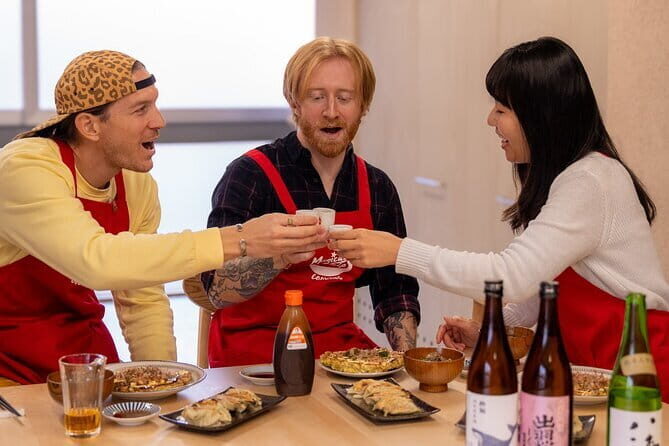
- Two experiences in one: supermarket visit plus cooking class, then tasting what you make.
- Small group feel: maximum 7 travelers, so you get attention rather than watching from the sidelines.
- Real Osaka menu staples: niku-sui, okonomiyaki, and yaki-gyoza (fried gyoza).
- Gyoza folding coaching: you learn the technique, not just the finished result.
- Sake tasting with your meal: local sake, beer, or soft drinks with the dishes you cooked.
- Instructors with names behind the magic: Yuka and Mari are praised for shopping help and hands-on instruction.
A Smart Blend of Shopping, Cooking, and Sake
If you love food travel, this kind of format usually wins. You don’t just “watch cooking.” You buy the ingredients, learn why they matter, then use them right away in the pan. Osaka is famous for everyday comfort foods, and this class is built around that reality.
I like that the supermarket part sets you up with practical skills. You learn what to look for, how ingredients work in Japanese home cooking, and how to buy the right stuff without overthinking it. That matters because many cooking classes teach recipes, but not the grocery logic that makes the recipe work at home.
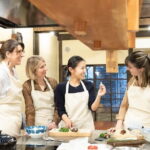
The cooking portion is where it gets hands-on fast. You’ll work step-by-step on signature dishes like niku-sui (a beef soup), okonomiyaki (savory pancake), and gyoza. The instructor provides live guidance, so if your dough or folding is a little off at first, you can fix it instead of hoping.
Finally, the meal plus tasting is the payoff. You get local sake, beer, or soft drinks to go with what you made, which helps you understand how flavors land in Osaka meals, not just on paper.
You can also read our reviews of more food & drink experiences in Osaka

The 10:00 Start and the FamilyMart Meeting Point
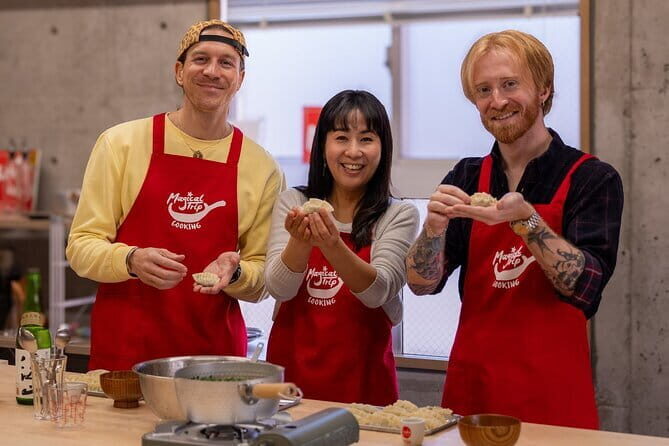
This experience starts at 10:00 am, and it runs about 4 hours. You’ll meet at FamilyMart Minamimorimachi station South side, then the activity ends back at the meeting point. If you like to start your day with a plan (instead of drifting), this schedule helps.
One practical tip: treat the meeting point address as your anchor, not the nearest landmark you can spot from far away. Station areas in Japan can be confusing if you’re rushing, so giving yourself time to orient helps.
Also, you’re close to public transportation, which is a big deal. It means you can fit the class into a normal sightseeing day instead of rearranging everything around it.
The class uses a mobile ticket, which is convenient. Bring your phone charged and ready, and you’ll avoid the usual last-minute scramble.
Stop 1: Shopping Like You Actually Live in Osaka
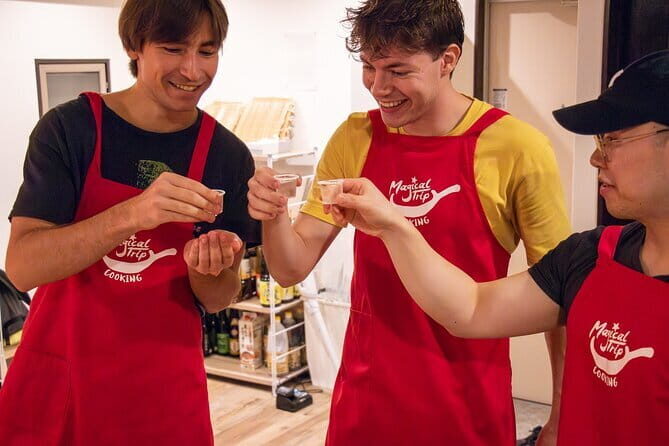
The supermarket visit is not filler. It’s the training ground for cooking decisions, especially if you’re new to Japanese ingredients. You’ll pick ingredients that match the recipes, and you’ll get guidance on what to buy and what to skip.
This is where the class becomes more than a cooking show. Osaka cooking relies on balance: savory bases, the right textures, and seasonings that don’t taste overpowering. When you choose the right ingredients at the store, the final dish tastes like the instructor intended, not like a guess.
Two instructor strengths come through strongly in feedback. With guides like Yuka, the shopping and explanation part is praised as informative, not rushed. With Mari, people highlight how she helps you understand what to shop for so the cooking steps make sense. In other words, the shopping isn’t just pointing at items. It’s teaching you the logic behind the list.
One drawback to note: you won’t have unlimited time to wander every aisle. The market stop is structured for efficiency, since the class is built around cooking afterward. If you want a slow photo walk through a neighborhood supermarket, you’ll likely want extra free time before or after.
Back at the Studio: A Hands-On Class You Can Follow
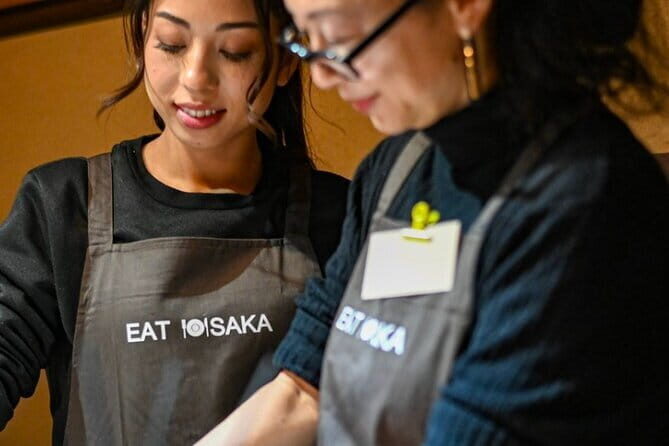
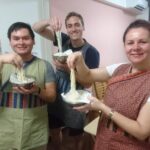
Once you’re back in the studio, the pacing shifts to practical technique. The instructor leads step-by-step, which is a big comfort if you’ve never cooked Japanese food before. The class is designed for all skill levels, so you’re not expected to know anything going in.
The “small-group” setup matters here. With a maximum of 7 travelers, you have more chance to ask questions, get feedback on your technique, and actually do the work. That turns learning into muscle memory.
Instructors also make the difference between a fun class and a frustrating one. People specifically mention getting clear guidance during hands-on cooking. That’s especially important for dishes where technique affects texture, like okonomiyaki and gyoza.
As you cook, you’re not just making one thing. You’ll rotate through a few core recipes that are closely tied to Osaka food culture. That gives you a nice mix of savory flavors and different cooking styles: soup for depth, skillet cooking for browning, and dumpling folding for shape and bite.
Make Niku-sui, Okonomiyaki, and Yaki-Gyoza (And Why Each One Teaches Something)
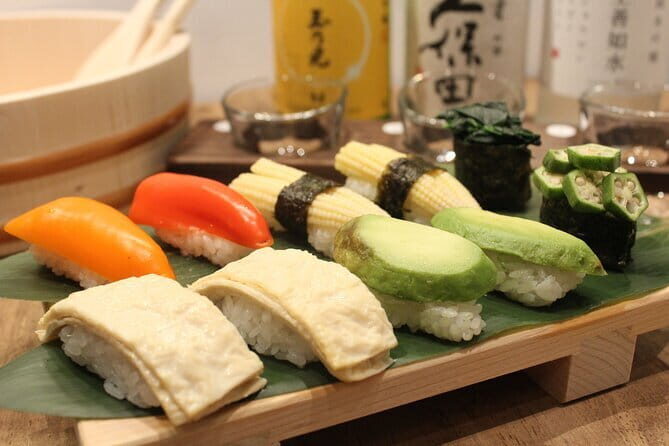
The menu choice here is smart because each dish teaches a different skill.
Niku-sui (beef soup) is your foundation dish. Soups like this are about building taste with the right balance and understanding how ingredients soften and meld. It’s also a good warm-up if you arrive hungry and a little cautious about Japanese cooking.
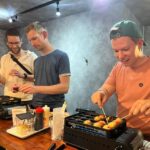
Okonomiyaki (savory pancake) is technique-heavy in the best way. You learn how to form it and manage the cooking so you get a good texture rather than a sad, pan-soggy pancake. It’s also a dish you can customize easily at home once you understand the core approach.
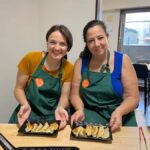
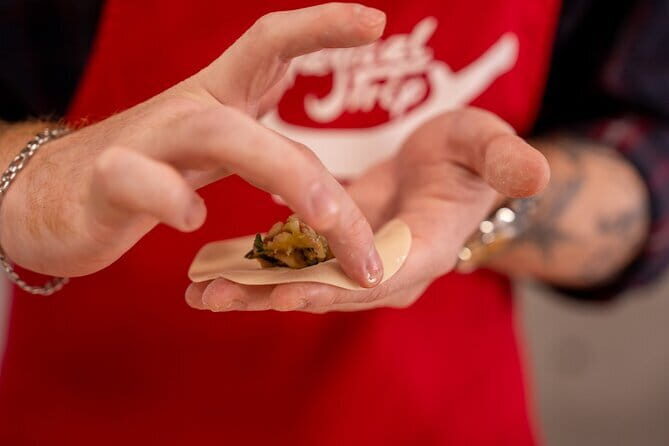
Yaki-gyoza (fried gyoza) is where the class really earns its keep. People love the folding part because it turns cooking into a small craft project. You’ll learn how to fold gyoza so they cook properly and hold their shape. It’s also the dish where “small mistakes” matter, so getting guidance while you’re doing it is huge.
A key benefit of learning these three together: you end up with a set of repeatable home skills, not just one recipe you’ll try once. If you cook at home occasionally, you’ll likely return to at least one of these methods again and again.
You can also read our reviews of more cooking classes in Osaka
Gyoza Folding and Okonomiyaki Skills You’ll Reuse at Home
Here’s the thing about great cooking classes: you don’t want them to be a once-in-a-lifetime performance. You want transferable skills.
The gyoza folding practice is exactly that. Once you understand the fold basics, you can adapt filling choices later. And because you’re cooking them as part of the class, you see how the fold translates into final texture and shape.
Okonomiyaki teaches you skillet confidence. You learn how to manage browning and how to keep the pancake from turning into a messy crumble. Even if you don’t remember every step perfectly, you’ll remember the feel of the cooking process.
What helps most is that the class is beginner-friendly. You won’t be left guessing, especially when the instructor provides live feedback. That matters because with Japanese home-style dishes, the difference between good and great is often in timing and handling, not fancy ingredients.
If you’re the kind of person who buys groceries and then goes home to stare at them, this class is a fix. You’ll leave with a mental model for ingredients and technique, not just a list of what you cooked.
Sake Tasting With Your Meal: How to Think About the Pairing
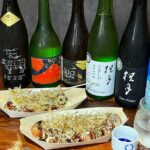
At the end, you eat what you made with local sake, beer, or soft drinks. This isn’t just a celebratory finish. It helps you understand how Osaka flavors work when matched with drinks commonly served alongside food.
Sake is the standout here. It has a clean profile that tends to balance savory dishes without drowning them. Beer also fits well with crispy, savory cooking like okonomiyaki and gyoza. Soft drinks are an option too, so you’re not forced into alcohol if you’d rather keep it simple.
The useful part for you is how this shapes your instincts for future meals. When you taste the food hot and right after cooking, then pair it with something drinkable, you learn what feels natural in a local setting. That’s hard to replicate from recipes alone.
One small consideration: because it’s part of a set meal experience, you may not get to choose a personalized pairing on the spot. You’ll have the options provided by the class, and you’ll make the pairing work as served.
Price and Value: Why $92.50 Makes Sense for This Format
At $92.50 per person, you’re paying for more than a recipe. You’re paying for three things you usually can’t get cheaply together: instructor-led technique, ingredient shopping support, and a full meal plus tasting.
Many food tours either focus on cooking or focus on touring. This one compresses both into a single 4-hour block. That’s value because the supermarket stop isn’t a vague prelude; it directly supports what you cook. When you understand what ingredients are and how they behave in the recipe, your money turns into skills you can use later.
The small group size also protects your experience. Maximum 7 travelers means less waiting, more hands-on time, and more chance to get fixes when something goes wrong. For a cooking class, that’s a big deal.
Is it a budget option? No. But if you want a practical Osaka food experience that gives you repeatable home results, the price feels fair for what’s included.
Who This Osaka Cooking Class Fits Best
This is a great fit if you want hands-on learning without needing prior cooking experience. The class is designed for beginners and also welcomes more advanced cooks who want to refine technique.
It’s especially useful if you:
- Want a structured way to learn Japanese ingredients and shopping logic
- Like making iconic Osaka foods you can’t easily recreate from memory
- Prefer small-group instruction and live feedback
- Are traveling solo, as a couple, or with friends and want a shared activity that doesn’t require planning menus
It may be less ideal if you’re looking for a long, slow market wander, or if you want a lot of optional customization beyond the planned dishes. This class is built around efficiency and getting everyone cooking.
Should You Book This Osaka Cooking Class and Sake Tasting?
Yes, if your goal is to leave Osaka with skills, not just photos. The combination of supermarket ingredient picking, hands-on cooking of niku-sui, okonomiyaki, and gyoza, and then a proper meal with sake tasting is a well-balanced way to understand local food culture.
Book it if you like structure, want guidance you can ask during cooking, and want the confidence to cook at home. Skip it if you prefer flexible pacing or a market-focused experience where you mostly browse and observe.
If you’re excited by the idea of learning gyoza folding, building a proper okonomiyaki, and tasting local sake alongside what you made, this one is worth your time.
FAQ
What is the duration of the Osaka cooking class?
The class runs for about 4 hours.
What does the tour include besides cooking?
It includes a local supermarket visit to select ingredients, then a cooking class, and ends with eating your dishes plus sake tasting (local sake, beer, or soft drinks).
Is it suitable for beginners?
Yes. No cooking experience is needed, and it’s suitable for all skill levels.
How many people are in the group?
The group size is limited to a maximum of 7 travelers.
What dishes will I learn to cook?
You’ll make niku-sui (beef soup), okonomiyaki (savory pancake), and gyoza (dumplings), including folding gyoza and cooking yaki-gyoza.
Where do I meet for the experience?
You start at FamilyMart Minamimorimachi station South side, Osaka 530-0041, Kita Ward, Tenjinbashi, 2-chōme, 3-10 1F.
What time does the experience start?
It starts at 10:00 am.
Does the tour use a mobile ticket?
Yes, the tour features a mobile ticket.
Is there free cancellation?
Yes. You can cancel for a full refund up to 24 hours before the experience starts.