REVIEW · OSAKA
Premium Kimono Dressing, Tea Ceremony, Calligraphy, Samurai show
Book on Viator →Operated by 道-michi- · Bookable on Viator
Wear a kimono, then meet samurai culture. At 道-michi- in Osaka, you’ll get hands-on traditional arts in a calm courtyard setting, plus a samurai show to tie it all together.
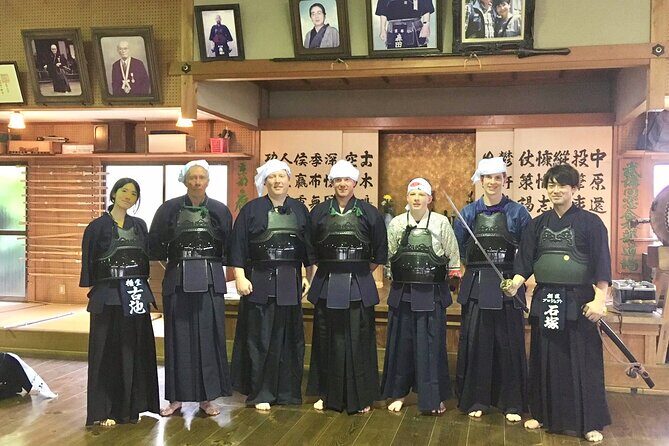
I love that the experience mixes making things yourself with watching key performances, so you’re not just standing around. I also like the real step-by-step attention during kimono dressing and the tea and calligraphy activities. One thing to plan for: kimono dressing is listed as women only, and armor dressing isn’t included.
The good news is that it runs about 3 hours and is built for most visitors, so first-timers don’t feel out of place. You’ll also have a mobile ticket, and the venue is near public transportation. If you’re traveling with someone who wants to dress in armor or wear a kimono too, you’ll want to confirm options ahead.
In This Review
- 6 Highlights You’ll Notice Right Away
- Where Samurai Theater Meets Everyday Craft in Osaka
- Price and Value: What You’re Really Paying For
- Your 3-Hour Plan at Shinsaibashi ARTY Inn
- Step 1: Arrival and getting set up
- Step 2: Kimono dressing (women only)
- Step 3: Tea ceremony hands-on moment
- Step 4: Calligraphy lesson you can actually make
- Step 5: Japanese traditional music and samurai sword performances
- Step 6: Courtyard and historical gallery time for photos
- Who This Tour Suits Best
- What to Expect From the Staff Experience
- Photos, Souvenirs, and How to Avoid Spending Spiral
- Mobile Ticket and Timing: Make the Most of Your 3 Hours
- Should You Book This Osaka Cultural Package?
- FAQ
- Where is this experience located?
- How long does the experience last?
- What’s included in the package?
- Is armor dressing included?
- Do I need to print a ticket?
- Who can participate?
- What is the cancellation policy?
6 Highlights You’ll Notice Right Away
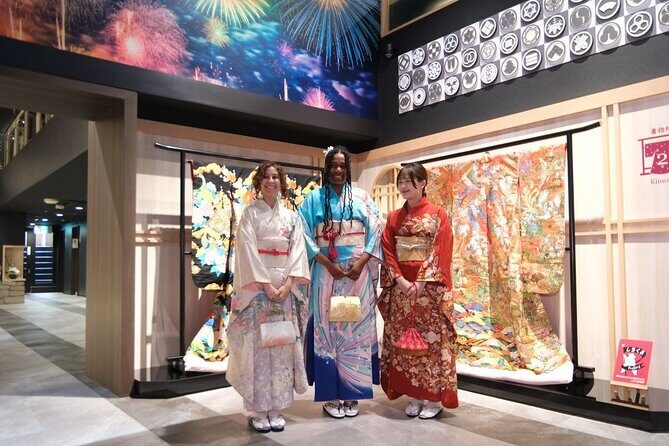
- Women-only kimono dressing that’s part of the main package, not an add-on you have to hunt for
- Tea ceremony + matcha moment that gives context for Japanese etiquette, not just a quick taste
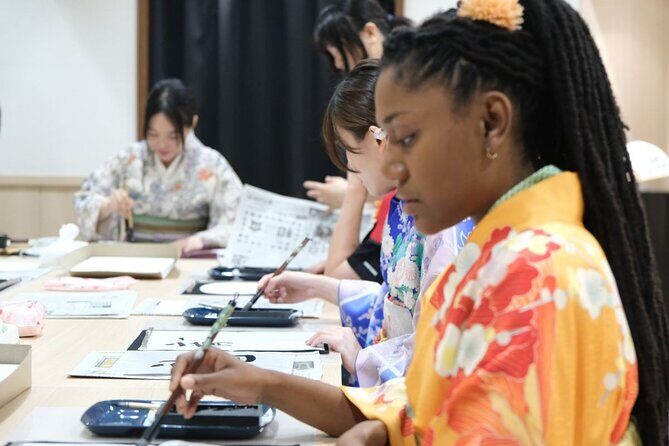
- Calligraphy practice where you make something you can keep (and likely want framed)
- Japanese traditional music that supports the whole “samurai-era” atmosphere
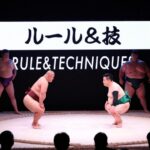
- Samurai sword performances that turn the history theme into something visual and energetic
- Courtyard and historical gallery vibes, ideal for photos without feeling rushed
Where Samurai Theater Meets Everyday Craft in Osaka
This is one of those Osaka experiences that feels like someone cared about the flow, not just the checkboxes. You’re not only learning about Japanese culture in theory. You’re doing small, specific activities that connect to how people lived, studied, and performed art in past eras.
The setting helps. You’ll spend time around a serene courtyard and a historical gallery as part of the program, which makes the whole session feel more grounded than typical “photo spot” attractions. The venue is also described as near public transportation, so you’re not fighting Osaka transit with a tight schedule.
If you’re the kind of traveler who likes your cultural activities structured (but not stiff), this hits that sweet spot. The program is about 3 hours, which is long enough to actually learn and try, but short enough that you won’t feel wiped out afterward.
You can also read our reviews of more tours and experiences in Osaka


Price and Value: What You’re Really Paying For
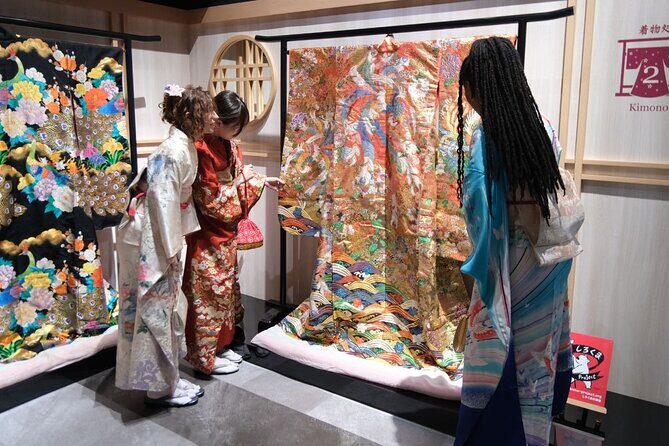
At $123.49 per person, this is not a cheap activity. But it also isn’t the kind of cost you pay for a single performance and a gift shop receipt.
Here’s what the price effectively buys you:
- Kimono dressing (women only) so you get into the look and the ritual
- A hands-on tea ceremony moment
- A hands-on calligraphy lesson
- Japanese traditional music performance
- Time within the property, including the courtyard and historical gallery
- A program rhythm that includes a samurai show segment
So yes, you’re paying for instruction and cultural experiences, not just admission. The key value point is that you’re getting multiple disciplines in one visit, all tied to the samurai and arts theme.
Two costs to be aware of:
- Armor dressing isn’t included in the package.
- Souvenirs aren’t included, and the listing mentions ¥10,000 per person for souvenirs.
If you hate surprise add-ons, plan to keep spending optional and decide on souvenirs at the end, after you’ve enjoyed the activities.
Your 3-Hour Plan at Shinsaibashi ARTY Inn
The experience runs from a single location: Shinsaibashi ARTY Inn. Think of it as a curated session where everything happens in sequence.
Step 1: Arrival and getting set up
After you arrive, you’ll be guided into the cultural program. You should expect a structured start, especially because kimono dressing is part of the included experience (women only).
This matters because kimono fit is not “grab and go.” Getting dressed takes time and care, and when it’s done well, it also changes how you experience the rest of the session. You walk, sit, and move differently. It’s an instant reminder that clothing here is part of the culture, not just costume.
Step 2: Kimono dressing (women only)
The highlight for many people is the kimono dressing. The included option is explicitly listed as Women Only, so if that’s a dealbreaker for you, check your options before booking.
In the reviews, people specifically praised how smoothly staff walk you through the steps. That’s what you want from this part: clear guidance, patience, and someone helping you avoid the awkward “I’m doing this wrong” spiral.
Tip for comfort: wear simple underlayers and clothes you can manage easily before the dressing starts. It’s less about fashion and more about making the transition calm and quick.





Step 3: Tea ceremony hands-on moment
Next comes the tea ceremony. For your first time, this is where the program becomes more than a photo opportunity. Tea ceremony rules may look complicated at a distance, but in a guided session you usually learn what matters most in the moment: how to handle the cup, how to observe the flow, and how the ritual signals respect.
I like that this is paired with the other activities. Calligraphy and music help set the mood. Tea gives you a grounded, sensory anchor. Even if you only remember a few gestures, you’ll leave with a feel for the atmosphere.
Step 4: Calligraphy lesson you can actually make
Then you shift into calligraphy. This is the kind of activity that scales well for beginners, because you’re not expected to already “know Japanese.” What you need is attention and a chance to practice in a supported way.
One of the strongest themes in the feedback is that people loved learning the meaning behind what they were doing, and they ended up wanting to keep their practice. If you’re the type who enjoys taking home a physical reminder, calligraphy is a solid choice.
Practical tip: slow down during the lesson. Calligraphy isn’t about speed. It’s about controlled motion, and you’ll get a better result when you let your guide’s pacing sink in.
Step 5: Japanese traditional music and samurai sword performances
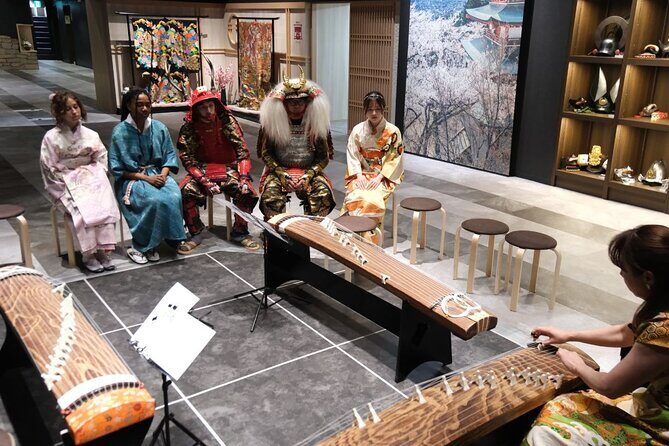
After your hands-on moments, the program turns more performative. You’ll enjoy Japanese traditional music and samurai sword performances as part of the experience.
This is a smart pacing choice. Doing arts with your hands can be mentally demanding. Then performances shift you from “making” to “watching,” and the energy changes the way the story lands.
If you care about atmosphere, don’t treat the performances as filler. The music and sword segment help connect the arts you just practiced to the broader samurai-era aesthetic the program is built around.
Step 6: Courtyard and historical gallery time for photos
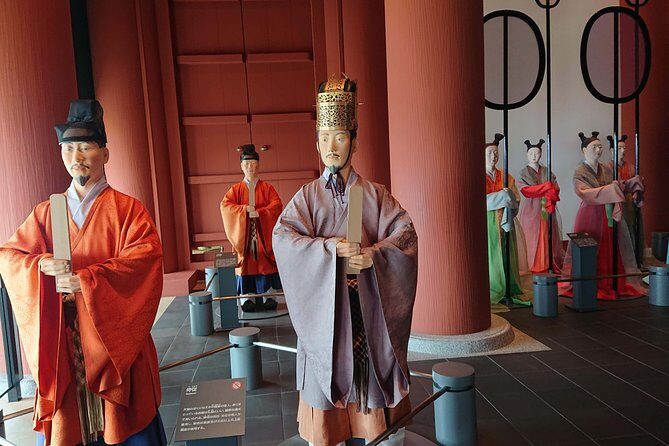
You’ll have time to take in the setting, including a serene courtyard and historical gallery. This is where you can slow down. If you want photos, this part is useful because you’re in period-themed surroundings, not just a generic room.
Bring a charged phone. Also, consider bringing a small cloth for touch-ups if your hair or kimono fit feels like it needs adjusting during the session. The program handles a lot, but comfort is still your job.
Who This Tour Suits Best
This works especially well if you:
- Want a first-timer-friendly arts experience in Osaka that doesn’t require prior knowledge
- Like structured activities where someone explains what you’re doing and why
- Enjoy taking home something tangible, like calligraphy practice
- Want a single stop that ties together kimono culture, tea ritual, and samurai performance
It may not be your best match if:
- You want armor dressing included as part of the package (it’s listed as not included)
- You’re traveling in a group where not everyone matches the women-only kimono dressing inclusion
What to Expect From the Staff Experience
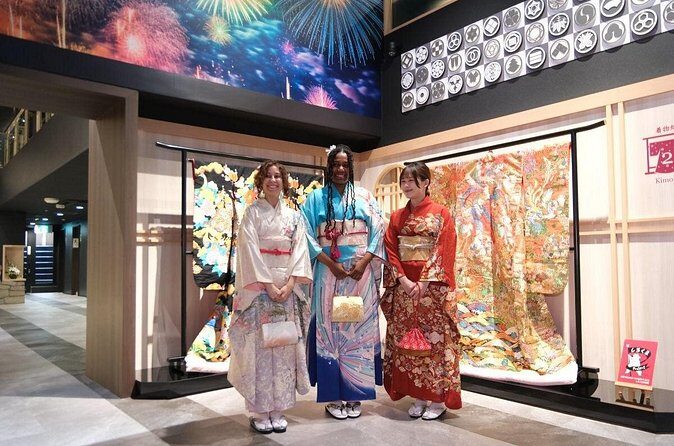
The reviews emphasize a theme that matters more than people think: staff warmth and clear explanations. You’ll feel guided through each part, and that makes a huge difference when you’re trying new cultural practices.
In plain terms, you can expect staff to:
- Help you get properly set up for kimono dressing
- Explain the steps for the tea ceremony and calligraphy
- Keep the experience feeling like a boutique-style cultural workshop rather than a rushed production
That kind of service is what turns a “cool activity” into a memory you’ll actually talk about later.
Photos, Souvenirs, and How to Avoid Spending Spiral
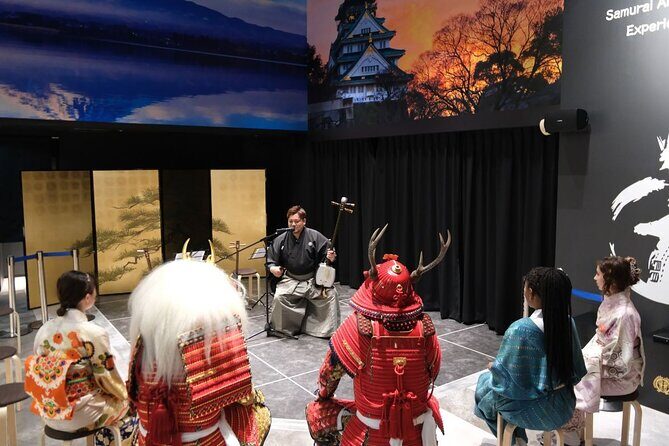
Photography is a strong part of the experience, because the environment is made for it: courtyard, gallery, and the cultural look from dressing.
As for souvenirs, you’ll likely be exposed to buying choices during the visit. The listing calls out that a ¥10,000 souvenir isn’t included, which suggests that souvenirs can be a meaningful extra cost.
My advice: decide in your head what you’re willing to spend before you see the biggest-ticket items. Enjoy the session first. Then shop with a clear budget.
Mobile Ticket and Timing: Make the Most of Your 3 Hours
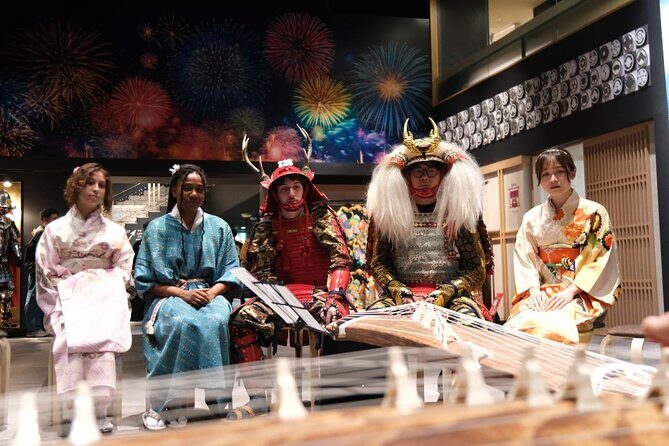
This tour uses a mobile ticket, so you can plan without printing. The experience is also near public transportation, which helps because Osaka traffic and transfers can be unpredictable.
With a 3-hour duration, you can fit this into a day that also includes Shinsaibashi-area wandering afterward. Just don’t schedule anything that requires perfect punctuality at the same time. Your clothing and practice time can shift the pace.
Also note the program timing experience is described as roughly 3 hours, so build in a buffer for walking to/from the venue.
Should You Book This Osaka Cultural Package?
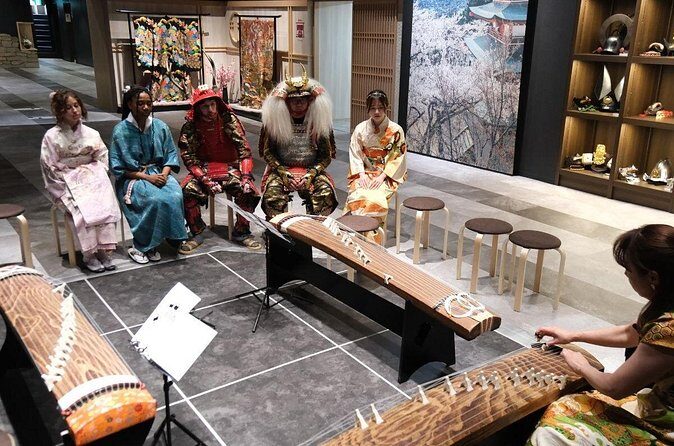
I’d book this if you want a high-contact cultural experience: dressing, tea, calligraphy, and then performances, all in one place. The value is strongest when you care about learning and participating, not only watching.
Don’t book it blindly if you need armor dressing included, or if you’re counting on kimono dressing for someone outside the women-only inclusion. In that case, ask ahead so you don’t show up expecting one thing and get another.
If your goal is to leave Osaka with more than a few photos, this is a great way to do it. You’ll practice etiquette, shape a character through calligraphy, and watch the samurai theme play out in a way that feels connected rather than random.
FAQ
Where is this experience located?
It takes place in Osaka at Shinsaibashi ARTY Inn, near public transportation.
How long does the experience last?
The experience is approximately 3 hours.
What’s included in the package?
Kimono dressing for women, a tea ceremony, calligraphy, and Japanese traditional music performance are included.
Is armor dressing included?
No. Armor dressing is not included, and souvenirs are also not included (¥10,000 per person is listed as a souvenir cost).
Do I need to print a ticket?
No. The tour uses a mobile ticket.
Who can participate?
The information says most travelers can participate, but kimono dressing is listed as Women Only.
What is the cancellation policy?
You can cancel for a full refund if you cancel at least 24 hours in advance. If you cancel within 24 hours of the start time, the amount paid is not refunded.