Osaka moves fast, and this walk helps you keep up. In three hours you get local context for the big sights plus smart photo stops that make the route feel easy. I also like that the guide shares practical ideas for what to do next around the city. One watch-out: it’s a tight time window, so you won’t have hours to linger in any single place.
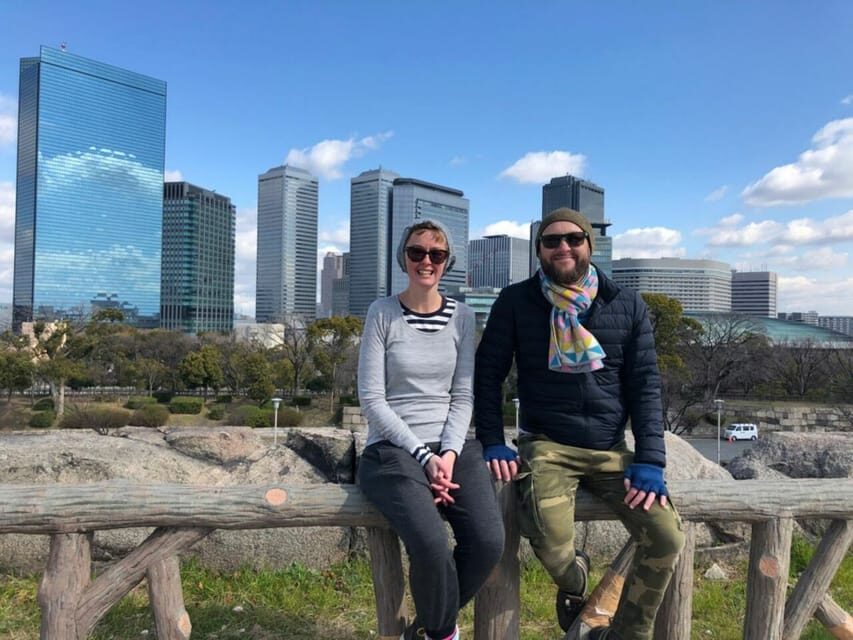
You start in Namba and roll through neighborhoods that feel totally different from each other—castle grounds, Korea Town alleys, high views from Harukas 300, the old-school mood of Shin-sekai, then the shopping and food streets of Namba and Dotonbori. One guide name that came up in real-world feedback was Tom, and that matches the vibe here: clear explanations, plus guidance you can use right away. And yes, you’ll still spend plenty of time walking on foot, with public transit used only briefly between areas.
In This Review
- Key highlights you’ll actually feel
- Starting in Namba: where the tour gets practical
- Osaka Castle Park: big exterior photos and a story you won’t forget
- Tsuruhashi and Korea Town: the alleys that change the mood
- Harukas 300: panoramic views, then straight to the food hall
- Shin-sekai and Magic Cafe&Bar SHINSEKAI: old Osaka energy
- Namba and Dotonbori: shopping streets with big sign energy
- Kuromon Ichiba and Doguyasuji: market history and kitchen-craft culture
- The guide’s advice: the real value beyond the stops
- Price and time: is $45 worth it for 3 hours?
- Who this tour suits best (and who should consider something else)
- Quick tips so you get the most in 3 hours
- Should you book this Osaka walking tour?
- FAQ
- How long is the Osaka walking tour?
- What does the tour cost?
- Is this tour private or group-based?
- Where is the meeting point in Osaka?
- What are the main stops you’ll see?
- Is food included in the price?
- Do I need to pay for local transport during the tour?
- What languages are available for the guide?
- Is the tour wheelchair accessible?
- What are the cancellation and payment options?
Key highlights you’ll actually feel
- A tight 3-hour loop that hits major Osaka sights without turning into a marathon
- Harukas 300 views + the underground food hall, so you get skyline drama and real eating options
- Korea Town in Tsuruhashi, with pre-war commercial district atmosphere in the side streets
- Shin-sekai area stop, including Magic Cafe&Bar SHINSEKAI for that slightly time-worn Osaka personality
- Kuromon Ichiba and Doguyasuji, mixing market history and kitchen-craft culture into one ending
Starting in Namba: where the tour gets practical
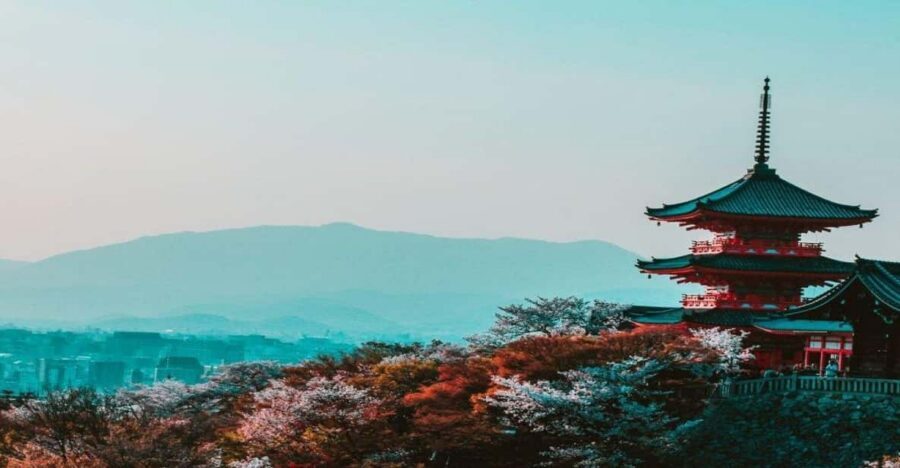
Namba is the right launchpad if you want Osaka to feel like a living city, not just a list of attractions. The meeting point is at 1-chōme-7-10 Namba in Chuo Ward, which puts you close to the places you’ll be walking and returning to later in the day. It also means you can build the rest of your Osaka time around what you learn here.
The tour runs as a private or small group experience, and that matters more than it sounds. In a small group, the guide can answer your questions as they come up—how to get somewhere, what to try, what to skip. That’s one of the most valuable parts of this tour: the guide doesn’t just point at sights. They also give you a quick map of how to spend your remaining hours in Osaka.
Because it’s a walking tour, you’ll want comfortable shoes and a water plan. Drinks and food aren’t included, so if you want to sample along the way, you’ll be doing it on your own budget. The upside is you can choose what fits your tastes and appetite.
You can also read our reviews of more walking tours in Osaka

Osaka Castle Park: big exterior photos and a story you won’t forget
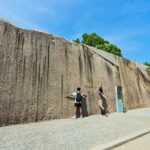
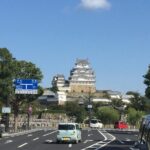
The tour begins at Osaka Castle Park, where you’ll get classic exterior views of Osaka Castle. This isn’t only about snapping photos. The guide also shares the city’s history, including a near robbery that happened about four centuries ago. It’s the kind of story that gives the castle area more meaning than a postcard.
What I like about this stop is the pacing. You start with something visually clear and easy to understand, then you move into neighborhoods that can be harder for first-timers. After the castle, you’ll have a better sense of Osaka’s identity—built on shifting power, street-level commerce, and constant change.
A possible downside is that castle grounds can involve walking on uneven park paths depending on where you go within the park. If you have mobility limits, you’ll want to tell the guide early so they can keep the route comfortable. (The tour is marked as wheelchair accessible overall, which is a good sign for planning.)
Tsuruhashi and Korea Town: the alleys that change the mood
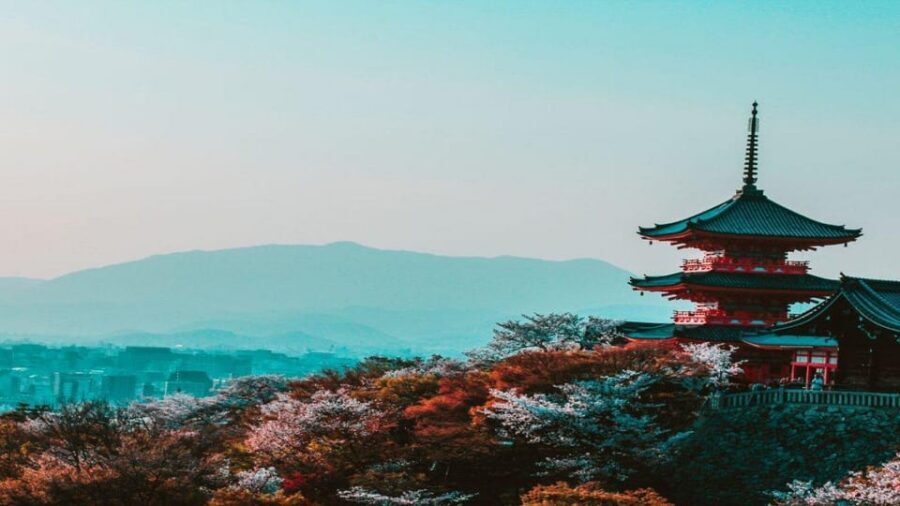
Next up is Tsuruhashi, reached by a brief train ride. This is where Osaka starts feeling more like neighborhoods than landmarks. You’ll move through labyrinthine alleys in Korea Town and see the atmosphere of a pre-war commercial district.
This stop is valuable if you want a real sense of daily life. Korea Town here isn’t only about food signs. It’s about the feel of narrow streets, older storefront rhythms, and the way commerce happens close to where people live and work. It also makes a nice contrast after the open castle area. Wide views give way to close walls, tight corners, and lots of small details.
One practical consideration: this part of Osaka can mean more foot traffic and more turns. If you’re prone to getting turned around, the guide’s presence helps a lot. You won’t just see the area—you’ll understand how to navigate it so the next time you return, you’ll feel confident.
Harukas 300: panoramic views, then straight to the food hall
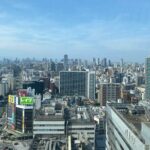
Harukas 300 comes next, reached by public transport. The big moment here is the elevated views from the top floors, where you can look out over Osaka’s layout and grasp how spread out everything is. It’s a quick way to get your bearings, which is especially helpful in a city that can feel dense and layered.
Then the tour takes you underground to the department store food hall, and this is where the experience turns from sightseeing to taste. You’ll encounter well-known options like puffer fish and premium Kobe beef. Even if you don’t plan to eat on the spot, seeing what’s available in one place helps you make smarter choices later.
How to think about this stop: views are great for photos, but food halls are where you learn what a city is proud of. A guide-led visit keeps you from wasting time searching for quality or wondering what’s actually worth your money.
Since food and drink aren’t included, treat this as an opportunity to compare prices and decide what you’ll buy. If you’re sensitive to strong flavors or want lighter bites, you’ll still have plenty of options—you just need to pick your pace.
Shin-sekai and Magic Cafe&Bar SHINSEKAI: old Osaka energy
After Harukas, you’ll get close to Shin-sekai, a time-honored district where the vibe feels slightly weathered in a good way. The look is part of the appeal: it gives Osaka a sense of continuity, like the city’s personality has been hanging around for decades.
You’ll also make a stop connected to Magic Cafe&Bar SHINSEKAI. While the exact details of what you’ll do there depend on the flow of the tour, it’s clearly part of the experience’s purpose: capturing that playful, street-level Osaka mood that you don’t get from shiny malls alone.
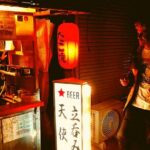
One thing I appreciate about Shin-sekai as a tour stop is how it resets your expectations. After the elevated Harukas moment, Shin-sekai feels human-scale. You’ll see how people spend their evenings, where the atmosphere shifts, and why Osaka’s humor and nightlife are not separate from its food culture—they overlap constantly.
If you’re visiting with kids, this area can also be a fun palette of visuals. Just keep in mind that you’re mixing walking with casual spots, so build in time for breaks if anyone needs them.


Namba and Dotonbori: shopping streets with big sign energy
From Shin-sekai, you move to Namba and then Dotonbori, including photo stops and guided walking time in each area. Dotonbori is often described as similar to Times Square in terms of big visual energy, and that’s a fair shorthand: bright signs, high contrasts, and the sense that the street itself is doing the performing.
What makes the tour useful here is the structure. You’re not just wandering randomly and hoping you’ll find the right corners. The guide keeps you moving through key sections while pointing out what’s worth seeing, what tends to be touristy, and what’s more local in feel. That’s how you avoid the classic first-time Osaka problem: you look at ten signs and remember none of them.
Namba is the practical layer under Dotonbori. It’s where shopping, dining, and everyday street life overlap. You get a chance to see both the famous sights and the side streets that sit behind them—where you’ll find the small surprises that turn a photo stop into a real memory.
A note on time: these areas get intense visually. So if you’re someone who likes to slow down and absorb, this is where you’ll appreciate the guide’s ability to point out the best next move without forcing you to sprint.
Kuromon Ichiba and Doguyasuji: market history and kitchen-craft culture
The tour ends with two very different but connected food-focused districts: Kuromon Ichiba and Doguyasuji. Kuromon Ichiba is a fish market with a history of more than 150 years. That kind of longevity changes what you see. It’s not a themed shopping strip. It’s a place shaped by generations of vendors and customers.
Then you shift to Doguyasuji, an enclave devoted to kitchens and culinary arts. This is where the tour earns points for detail. You’ll see wax food models, traditional Japanese noren hanging at kitchen entrances, and oversized pottery pieces linked to the craft side of the kitchen world. In other words, you’re not only learning where to eat—you’re learning how Osaka thinks about food tools, presentation, and the everyday ritual of cooking.
If you want souvenirs that actually make sense, this ending helps. Wax models and kitchen-related displays make great keepsakes because they look like part of the city’s identity, not just another generic store item.
Since drinks and food aren’t included, you can decide how hungry you are at the end. If you are hungry, this is the best time to snack. If you’re not, you’ll still get a lot from the visuals and the cultural context.
The guide’s advice: the real value beyond the stops
This tour is priced for a reason. You’re paying for someone to connect the dots: how Osaka’s districts relate, why certain streets exist, and what’s worth your time during the rest of your visit.
One piece of feedback that stood out was how Tom gave an educational explanation of things that feel significant in Japanese culture. That kind of guidance matters because it changes how you interpret what you’re seeing. A sign becomes a clue. A neighborhood becomes a story. A photo stop becomes a useful reference point for your next day.
You’ll also get practical suggestions for other things to do in Osaka. That can be the difference between a schedule that feels stressful and one that feels like you’re making smart choices.
If you like planning but hate rigid tours, this is the sweet spot. The route is structured, but the guide’s recommendations help you adjust it to your tastes.
Price and time: is $45 worth it for 3 hours?
At $45 per person for a 3-hour walking experience, the value depends on how you like to travel.
If you’re the type who wants to see multiple districts—castle grounds, Harukas views, old-school Shin-sekai, Dotonbori energy, and food-focused markets—without spending hours figuring it out, then $45 can feel fair. You’re paying for the guide, the route logic, and the context that helps you move through Osaka with less guesswork.
If you plan to mostly self-tour and you don’t care about explanations, you could spend less by going alone. But you’d likely lose the shortcuts and the sense-making that helps you enjoy each stop more.
Also remember: food and drinks aren’t included, and local transportation around the city isn’t included either. Since the tour uses brief train or public transport segments between areas, you should budget a little for transit fares. The upside is that you’re not paying for a long bus ride in a city where walking and short trains are part of the culture.
Who this tour suits best (and who should consider something else)
This tour fits best if you want a guided route that covers a lot of ground without turning into a rushed sprint. I’d especially recommend it if you:
- want a mix of major sights and neighborhood flavor
- enjoy food culture and want to end in market and kitchen districts
- like the safety net of a guide who can recommend what to do next
If you’re the kind of visitor who likes to spend long stretches in one place, you may feel the time pressure. In that case, you might prefer separate half-day plans. But if your goal is to get oriented and leave with clear next steps, this one works well.
Quick tips so you get the most in 3 hours
Bring shoes you can walk in comfortably. This is a walking route with multiple districts, plus some short transit connections.
Come with at least a light hunger plan. The Harukas food hall and the market area near the end are where you’ll naturally want to sample something.
If you have mobility needs, tell the guide early. The tour is marked wheelchair accessible, but routes and turns still matter in real streets and stations.
If you’re traveling in a group, this is a good way to unify interests. Everyone gets variety—views, streets, food culture, and photo moments—without everyone having to split off in different directions.
Should you book this Osaka walking tour?
I’d book it if you want Osaka to feel understandable fast. The route covers classic anchors like Osaka Castle Park and Harukas 300, plus the more textured neighborhood edges of Tsuruhashi, Shin-sekai, and the food-world areas of Kuromon Ichiba and Doguyasuji. Most of all, you’re buying the guide’s explanations and their suggestions for what to do next, which can save you hours of trial and error.
I’d skip it or swap it for a slower plan if you already know Osaka well and you mainly want long, independent time at one stop. The fixed 3-hour window means you’re moving.
FAQ
How long is the Osaka walking tour?
The tour lasts 3 hours.
What does the tour cost?
The price is $45 per person.
Is this tour private or group-based?
It’s offered as a private or small group walking tour, and private group availability is listed.
Where is the meeting point in Osaka?
The meeting point is at 1-chōme-7-10 Namba in Chuo Ward.
What are the main stops you’ll see?
You’ll visit or stop near Osaka Castle Park, Tsuruhashi (Korea Town), Harukas 300 (including its food hall), Shin-sekai (including Magic Cafe&Bar SHINSEKAI), Namba and Dotonbori, plus ends around Kuromon Ichiba and Doguyasuji.
Is food included in the price?
No. Drink or Food is not included.
Do I need to pay for local transport during the tour?
The tour is described as a walking tour, and local transportation around the city is not included, so you should expect to cover transit costs if public transport segments are needed between areas.
What languages are available for the guide?
The live guide is available in English, Spanish, Italian, and French.
Is the tour wheelchair accessible?
Yes, the tour is listed as wheelchair accessible.
What are the cancellation and payment options?
It offers free cancellation up to 24 hours in advance for a full refund and reserve now & pay later is available.