REVIEW · OSAKA
Osaka: Traditional Mochi Pounding Experience with Tasting
Book on GetYourGuide →Operated by The Osaka&Tokyo · Bookable on GetYourGuide
Making mochi is real elbow grease.
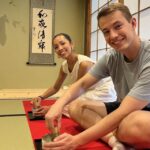
I like this workshop because it’s hands-on from minute one: you steam the glutinous rice, then pound it with traditional tools until it turns into mochi. My other favorite part is the small-group feel, so guides can actually watch your technique and help you shape what you make, with English support from instructors such as Seina and Taka.
One thing to consider: mochi pounding takes stamina. Even with help, you’ll be doing a lot of pressing and timing, so wear comfy clothes and expect a workout for your arms and wrists.
In This Review
- Key Highlights You’ll Care About
- Why Osaka Mochi Pounding Feels Different From a Typical Food Tour
- The 1-Hour Flow: From Steamed Rice to Shaped Mochi
- What you’ll actually do step-by-step
- The Culture Part: Short, Useful, and Not a Lecture
- Tasting Mochi With Classic Toppings and Tea
- The Meeting Point Near the River and Dotonbori Area
- Price and Value: Is $31 Worth It?
- Small Group Energy: Why Up to 4 Changes Everything
- What Might Feel Hard (and How to Prepare)
- Who Should Book This Osaka Mochi Workshop
- Should You Book This Mochi Pounding Experience?
- FAQ
- How long is the mochi pounding experience in Osaka?
- What is included in the $31 per person price?
- Is transportation to the workshop included?
- How many people are in the group?
- What language support is offered?
- What toppings and drinks do you get?
Key Highlights You’ll Care About
- Pound real mochi, not just watch: you use the mortar-and-pestle technique yourself.
- A short 10-minute culture intro: enough context to understand mochi, without dragging it out.
- Fresh mochi tasting with classic toppings: kinako, sweet red bean paste, nori, and sweet soy sauce.
- English and Chinese instruction: guides can explain the process clearly.
- Very small groups (up to 4): intimate pacing, better photos, and more hands-on time.
- Family-friendly options: an approach that works for kids and adults together.
Why Osaka Mochi Pounding Feels Different From a Typical Food Tour
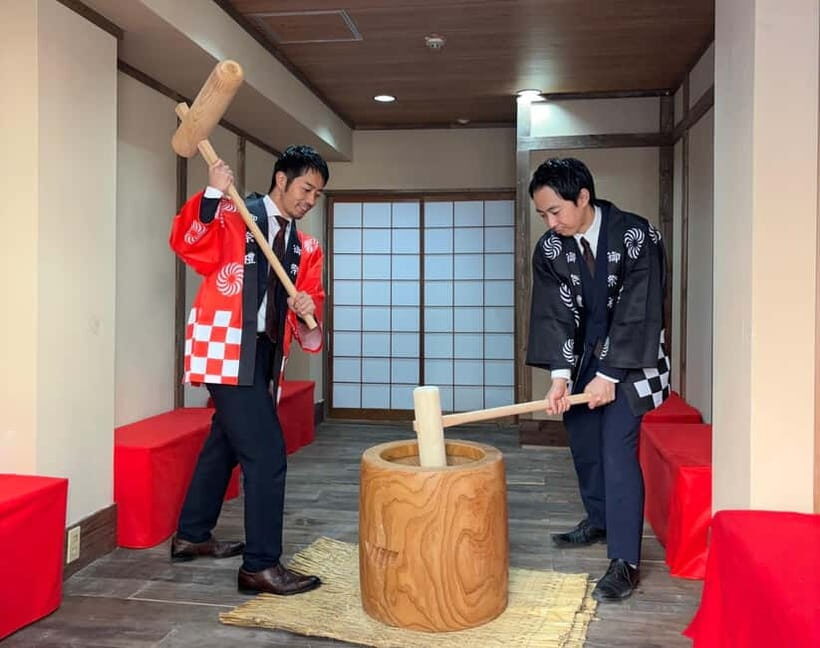
Osaka is famous for street food, and this is a nice change of pace. Instead of walking around eating, you slow down and learn one of Japan’s most iconic textures: stretchy, chewy mochi made the traditional way.
What I really appreciate is how the workshop treats mochi like a craft. You’re not just collecting a “dessert experience.” You’re learning the rhythm of steaming rice, working it while it’s hot, and then pounding until the texture turns right. That’s why the finished mochi tastes better than you might expect—because you’re the one who did the hard part.
You’ll also get a family-style atmosphere. Several classes I looked at describe instructors like Moe, Grace, Seina, and Taka as friendly and energetic, including solo travelers who got help with photos while still staying part of the group.
You can also read our reviews of more food & drink experiences in Osaka


The 1-Hour Flow: From Steamed Rice to Shaped Mochi
Plan on about 1 hour total, and it’s structured so you don’t feel rushed but you also don’t sit through a long lecture. The session starts with a brief 10-minute introduction to mochi’s cultural meaning and why this pounding method matters.
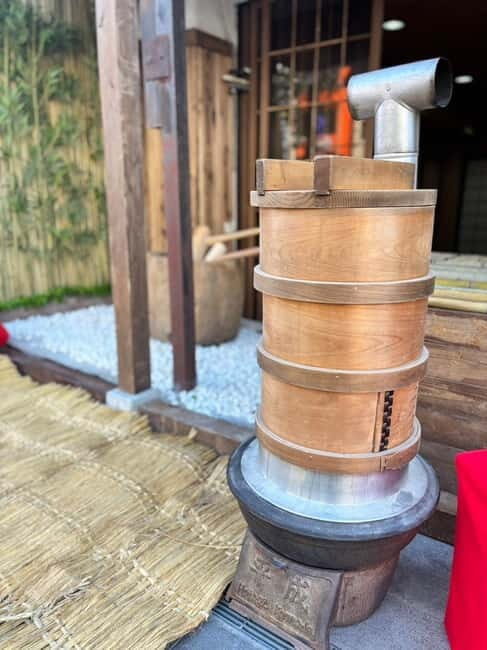
Then comes the part you’re really paying for: the hands-on making. You work with steamed glutinous rice and traditional tools (think mortar and pestle) to mash and pound it into mochi. This is where timing matters. If the rice cools too much, the texture changes and it becomes harder to shape, so guides keep you moving at the right pace.
After the pounding, you roll and shape your mochi portions. That shaping step is surprisingly fun because it shifts you from “mashing” mode into “dessert prep” mode. The guides offer instruction as you go, and because the group is capped at four, they can give practical tweaks instead of generic tips.
What you’ll actually do step-by-step
- Start with a short mochi background talk
- Steam-ready glutinous rice meets traditional pounding tools
- Mash and pound until it becomes mochi
- Roll or shape your mochi portions
- Finish with a tasting and tea
The Culture Part: Short, Useful, and Not a Lecture
You’ll hear about the history and significance of mochi pounding, but the session keeps it short. That matters on a trip because you want the story that helps you taste better—not a seminar that steals your energy.
The workshop’s format also gives you a kind of “why it works” understanding. When you know mochi is meant to be chewy and elastic, you pay attention to the texture changes during pounding. That’s when the cultural lesson sticks, because it’s attached to what you’re doing with your hands.
Tasting Mochi With Classic Toppings and Tea
Here’s the payoff: after you make it, you taste it with classic Japanese seasonings. The workshop offers several topping options, including:
- Kinako (roasted soybean flour)
- Sweet red bean paste
- Nori
- Sweet soy sauce
You also get a cup of tea. This is a small detail, but it helps you reset your palate between bites—especially because mochi is sticky and rich right after pounding.
What I like about the tasting set-up is that it turns the workshop into a mini lesson on how flavor changes texture. Plain mochi is satisfying on its own, but toppings help you experience the same chewy base in different styles: nutty, sweet, savory, and seaweed-forward.
Some people also mention learning pairing ideas for red bean flavor that make it easier to enjoy, like using cream-style pairings. Even if you aren’t a big fan of sweet bean desserts, the topping variety gives you options to find your favorite combination.
And yes, you’ll feel full. Multiple class descriptions mention leaving satisfied without needing a big dinner afterward, which is exactly what you want on a night when Osaka is already tempting you with street food.





The Meeting Point Near the River and Dotonbori Area
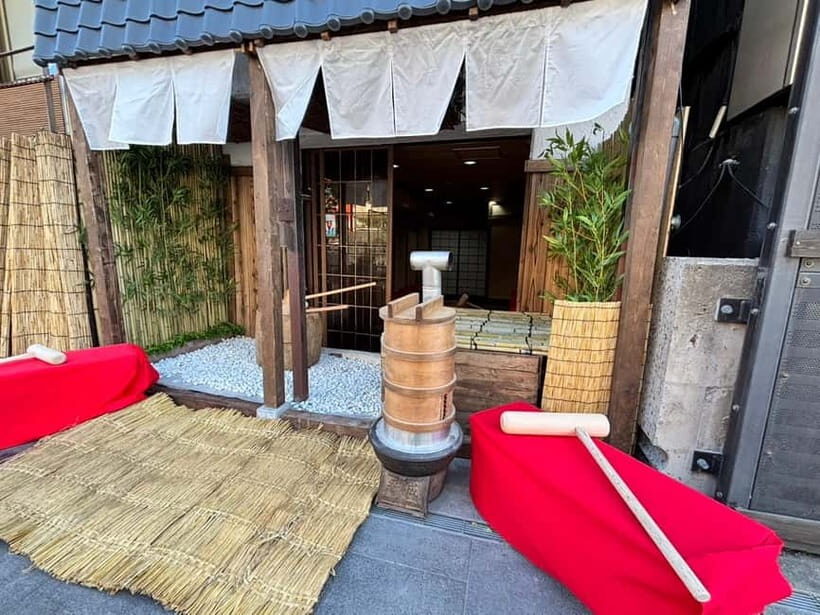
Location matters in Osaka. This workshop is reported as central and easy to find, but there’s one common heads-up: the entrance can be from the river/canal side rather than directly from the main Dotonbori street.
A couple of people specifically note that you should look toward the canal side and not assume the entrance will be on the street you associate with Dotonbori. One person even described trouble finding it until spotting a handwritten sign near an adjacent hotel lane.
So I’d do this: when you arrive, look for the riverfront approach and any simple signage near the entry. If you’re walking from Dotonbori, give yourself a few extra minutes so you’re not stressed.
Price and Value: Is $31 Worth It?
At $31 per person for a 1-hour experience, the value is strongest if you want a true making activity—not just a “try a snack” class.
Here’s what you’re getting for the price:
- Guided mochi pounding experience
- All materials and ingredients
- A tasting with multiple seasonings
- Instruction from experienced guides
- A small group capped at 4 participants
In other words, you’re paying for coaching, tools, and the time it takes to pound mochi correctly. That’s different from buying mochi at a shop, where you pay for finished product only.
Also, because the group is so small, you’re more likely to actively participate instead of standing around. That “I made this myself” factor tends to make the cost feel more reasonable, especially if you’re on a trip where you want fewer, better activities.
Two more quick value notes:
- The workshop is year-round, so you can fit it into most seasons.
- The session includes tea, and the tasting amounts are described as enough to leave people feeling full.
Small Group Energy: Why Up to 4 Changes Everything
A group of four is a big deal for a hands-on food class.
You don’t get stuck waiting your turn for ages. Guides can correct your technique—like where you’re pressing, how hard you’re pounding, and how to handle the mochi as it becomes workable. And you’ll have more chances for photos, with guides offering help especially for solo participants.
It also helps that the instruction languages include English and Chinese. That matters if you want to understand the process without guessing.
Family-friendly options are also mentioned, including classes that adapt the workshop for young children and still keep the adult experience engaging. If you’re traveling with a mix of ages, this kind of flexible structure can save you from the usual “kids get bored, adults get stuck” problem.
What Might Feel Hard (and How to Prepare)
You’ll be working with your hands and moving a bit, so come ready. The practical advice is simple: wear comfortable clothing that can handle a little mess and heat.
Also, mochi pounding is not delicate. Even if you’ve worked out before, you’ll feel it in your wrists and arms. A few people directly mention stamina as something not to underestimate. The good news is the guides stay on top of the pacing, and the class is interactive, so it stays fun instead of draining.
If you’re bringing kids, don’t panic. The format is designed for all ages depending on the option you choose. Still, keep in mind that the pounding step is physical, so check the workshop’s age option that fits your group.
Who Should Book This Osaka Mochi Workshop
This is a great fit if you want:
- A hands-on Osaka activity tied to Japanese food culture
- A small-group class where you actively make and taste
- Something fun for mixed-age travel, with family options available
- A dessert experience that doubles as a skill (texture, shaping, seasoning choices)
It might be less ideal if:
- You’re expecting a laid-back, mostly observational experience
- You have limited ability for repetitive arm movement (the pounding is part of the deal)
- You hate sticky foods (mochi is sticky; that’s kind of the point)
Should You Book This Mochi Pounding Experience?
If you’re in Osaka and want one memorable food activity that goes beyond eating, I’d book it. For the money, you get ingredients, tools, coaching, and a tasting that feels like a finished reward—not a token bite.
Make your decision based on two things:
- Are you excited to do the pounding and shaping yourself? If yes, you’ll love it.
- Can you handle a bit of physical effort and stickiness? If yes, it’ll feel like a playful workout.
Pick the adult or family option that matches your group, plan to arrive with a little extra time to locate the entrance near the river/canal, and you’ll come away with mochi you helped make and a better sense of why this tradition is still popular.
FAQ
How long is the mochi pounding experience in Osaka?
The experience lasts about 1 hour, so it’s easy to plug into a day of sightseeing.
What is included in the $31 per person price?
You get a guided mochi pounding experience, all necessary materials and ingredients, tasting of the mochi with traditional Japanese seasonings, and instruction from the guides.
Is transportation to the workshop included?
No. Transportation to and from the activity location is not included.
How many people are in the group?
It’s a small group with a maximum of 4 participants.
What language support is offered?
Instruction is available in English and Chinese.
What toppings and drinks do you get?
You’ll taste freshly pounded mochi with classic seasonings such as kinako, sweet red bean paste, nori, and sweet soy sauce, served with a cup of tea.